Fai Quan
formerly known as "Prosaic Traveller"
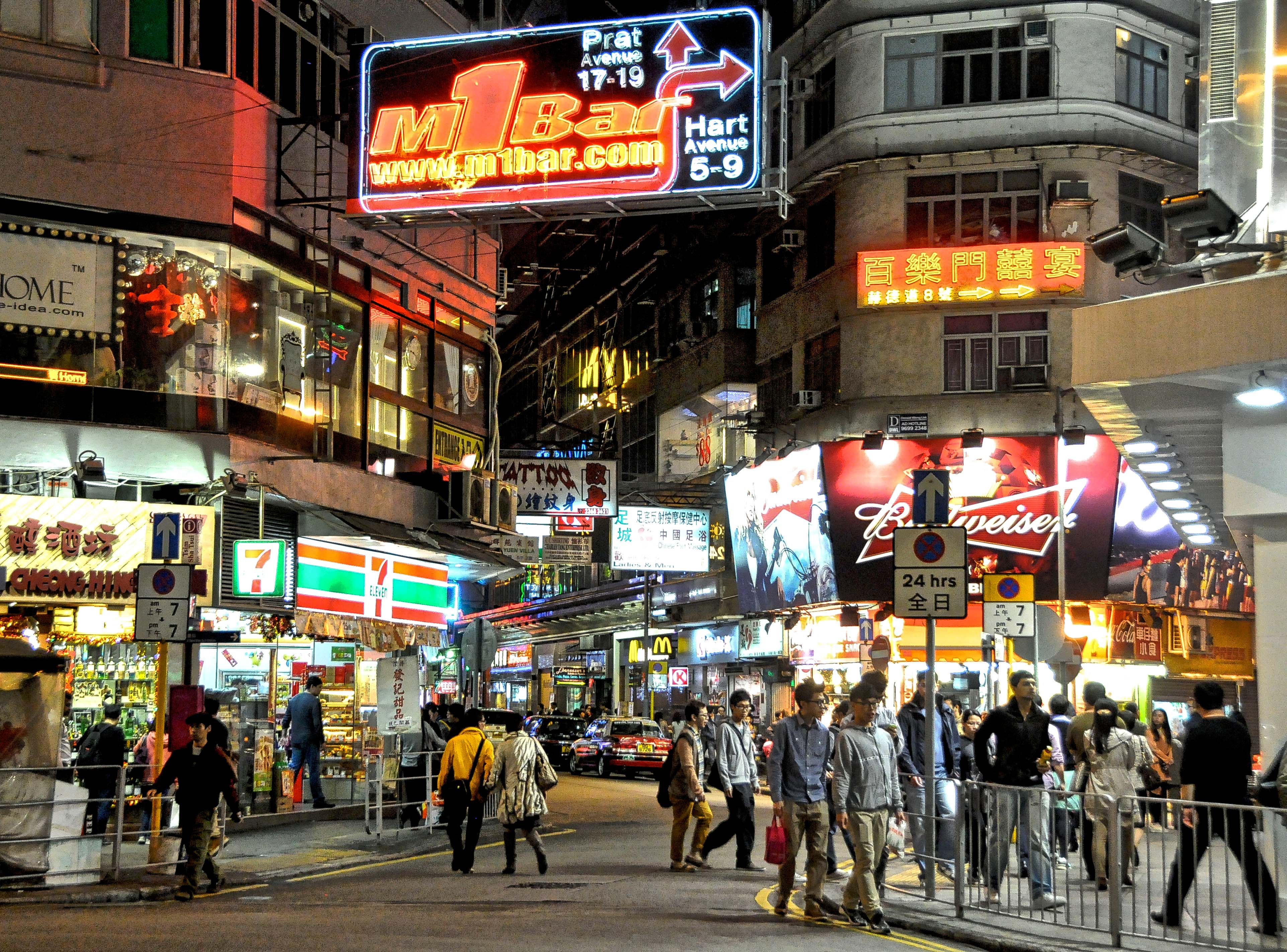
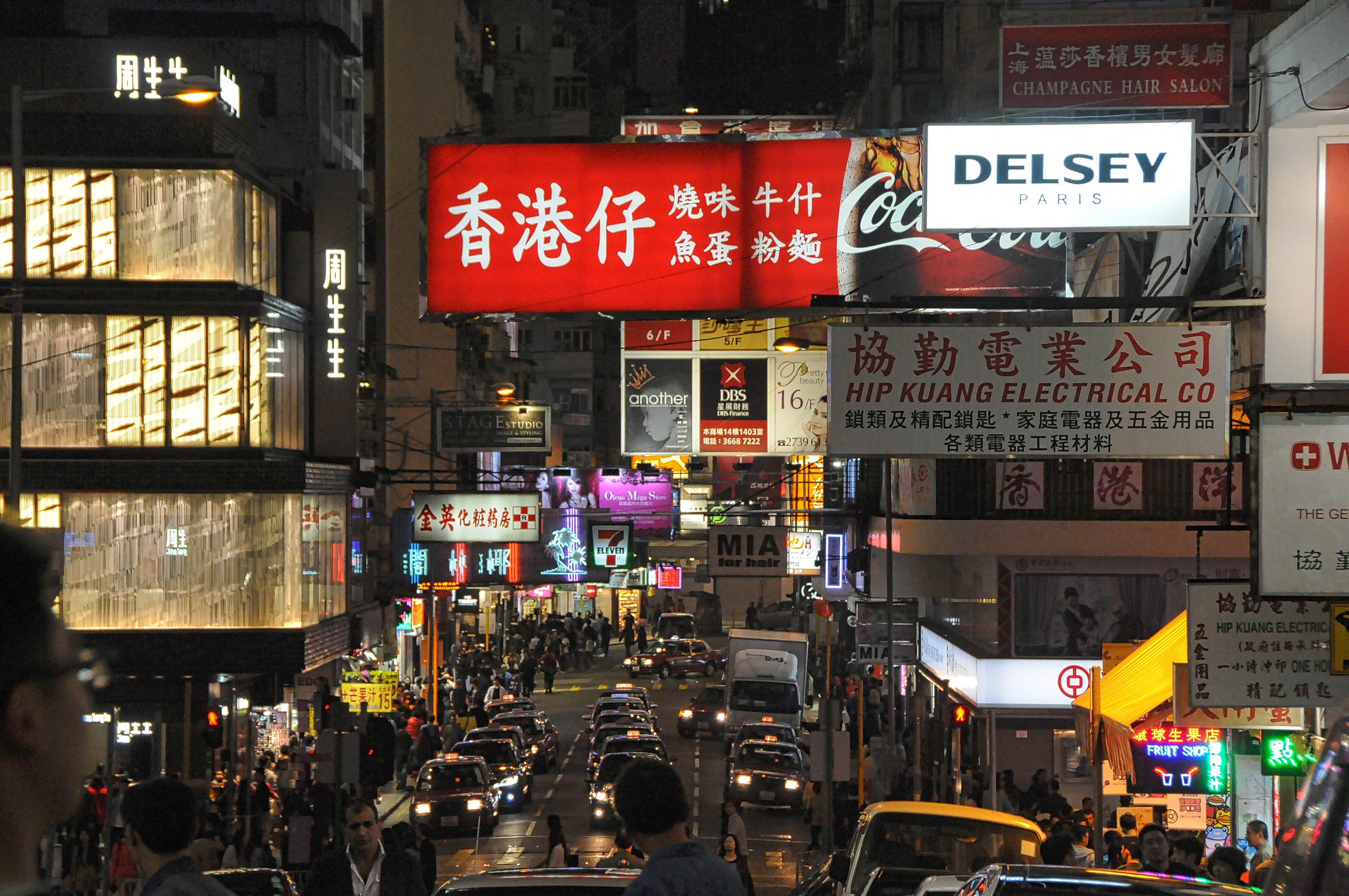
Kowloon (1) – Night Street Scenes
Whether it’s day or night, the streets of Kowloon are always bustling with people. These people add to the character of the streets.




Hong Kong & Kowloon (6) – Street Scenes in the Daylight
Hong Kong and Kowloon are both fascinating cities with so much to see. Since I never knew my Dad and this is where he lived and died, I imagined myself being in his shoes and seeing these same sights. It was a very personal moment for me.

Cameron Road, Kowloon

Outside Central Station (MTR) in Hong Kong

Connaught Road turn around, downtown Hong Kong

Hong Kong Station (MTR). A downtown check-in for those traveling by Air. Check-in your flight, check your bags and grab the train to the Airport. A convenience for allowing those with a later flight to spend some time exploring the city before heading to the airport.

One of the many piers for passengers catching ferry to island destinations
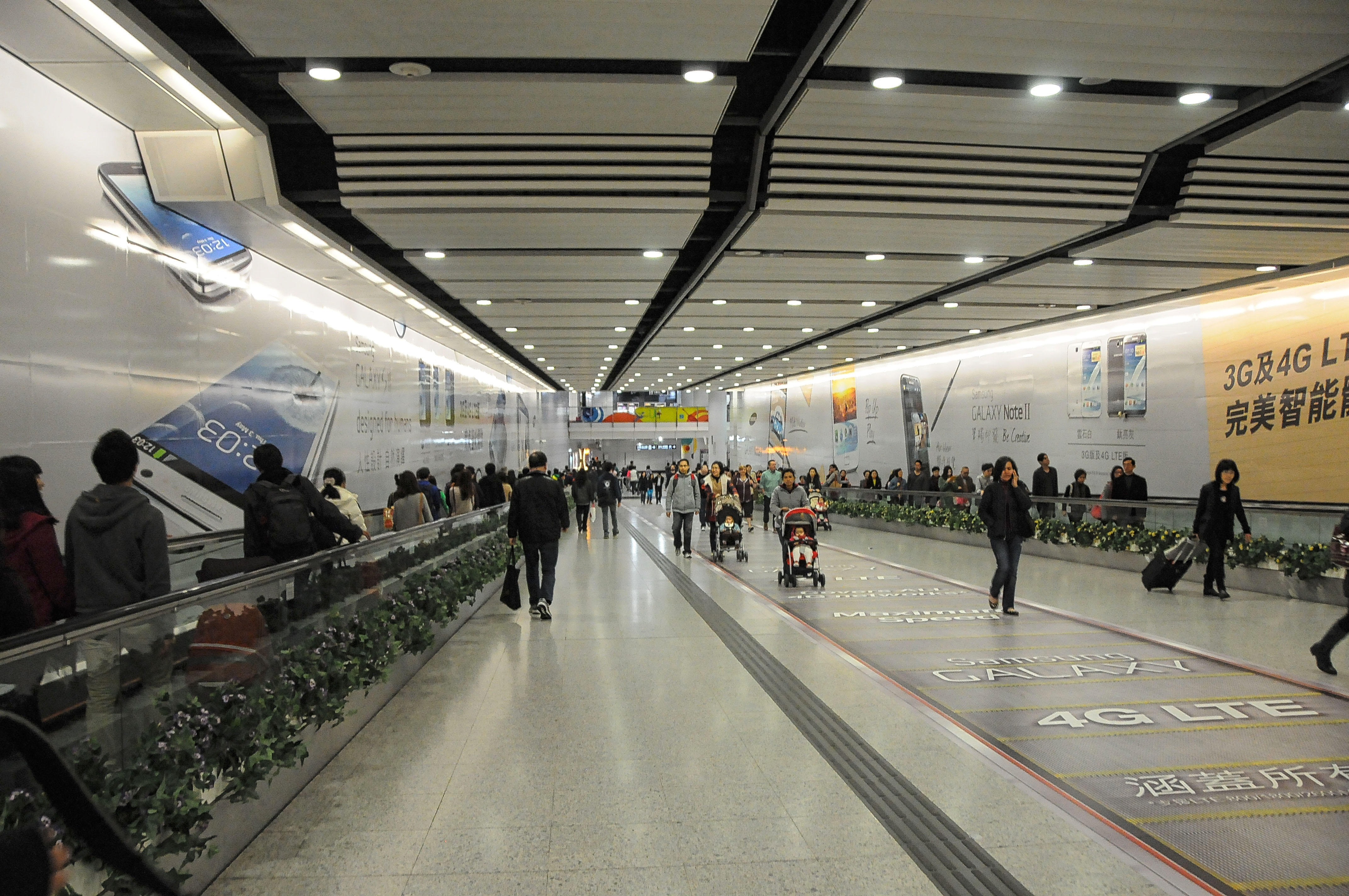
Large underground walkways for the MRTs (Mass Rapid Transit)
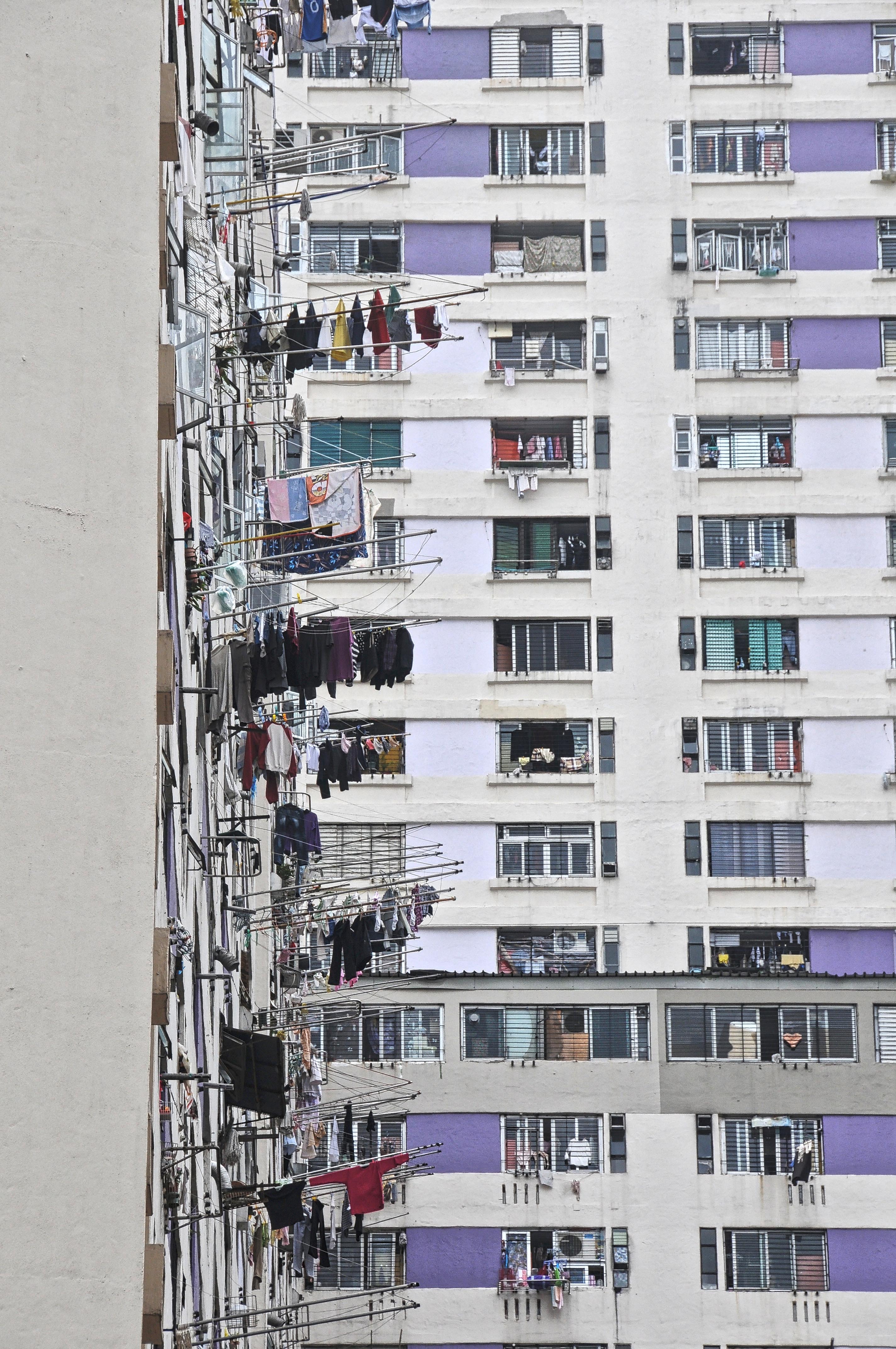
Apartments in the Wan Chai neighborhood

Apartments in downtown Hong Kong

Lohas Park is located as the last MTR station in the eastern part of the New Territories, Hong Kong. These towers are part of a residential development to be completed 2015.
The end result would be 50 towers offering 21,500 apartments to accommodate 58,000 residents.
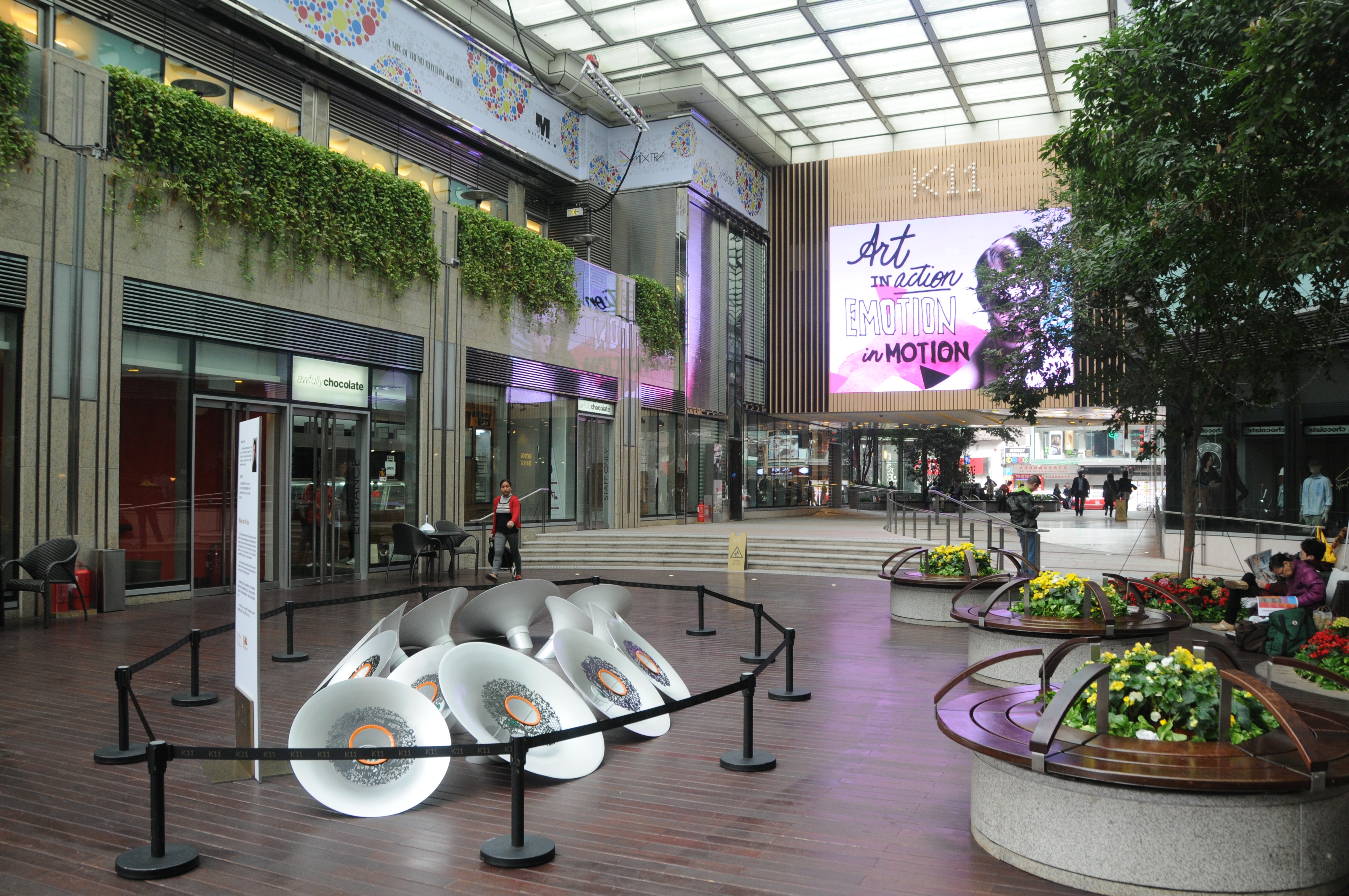
A small open air courtyard displaying Audio Art.

An example of the narrow streets in Kowloon
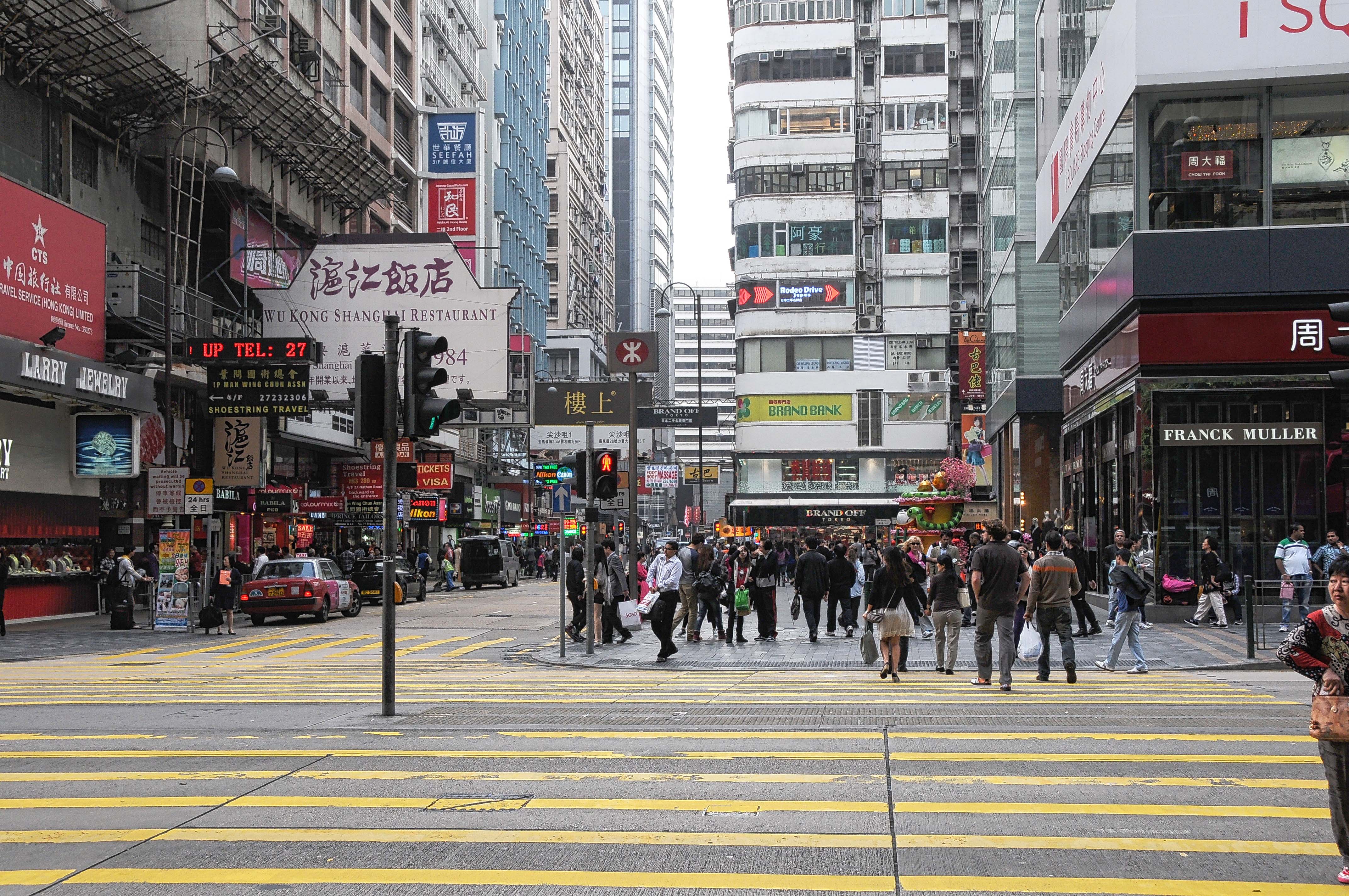
The wide pedestrian crosswalks are much needed in this densely populated city.

Interesting storefront

A back alley in Kowloon
Hong Kong (5) – Skyline at Night
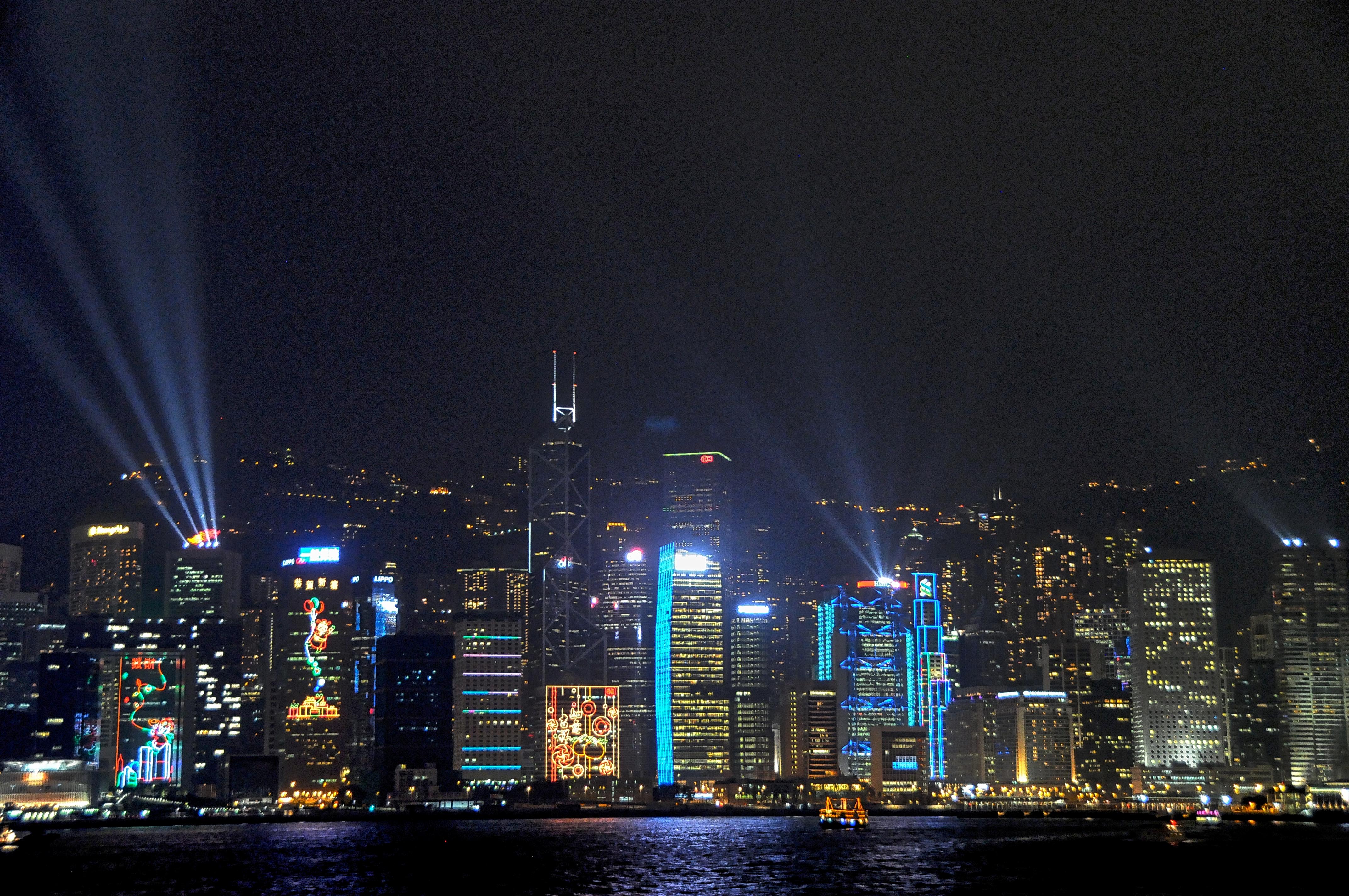
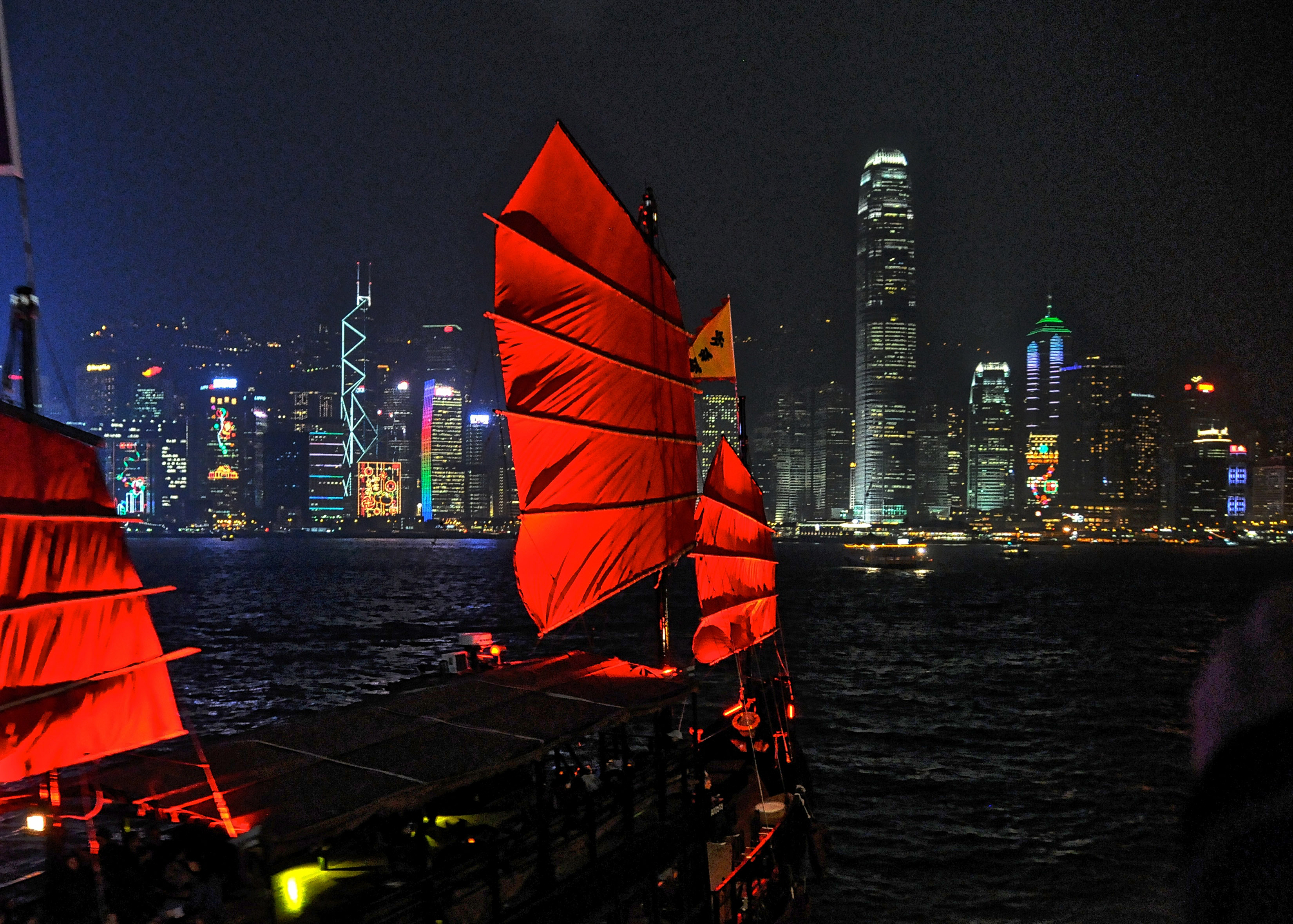
Standing at the “Avenue of the Stars” in Kowloon, we bore witness to the nightly laser and light show from Hong Kong. The skyline itself needed no light show to amaze me.


Hong Kong & Kowloon (4) – Skyline in the Daylight
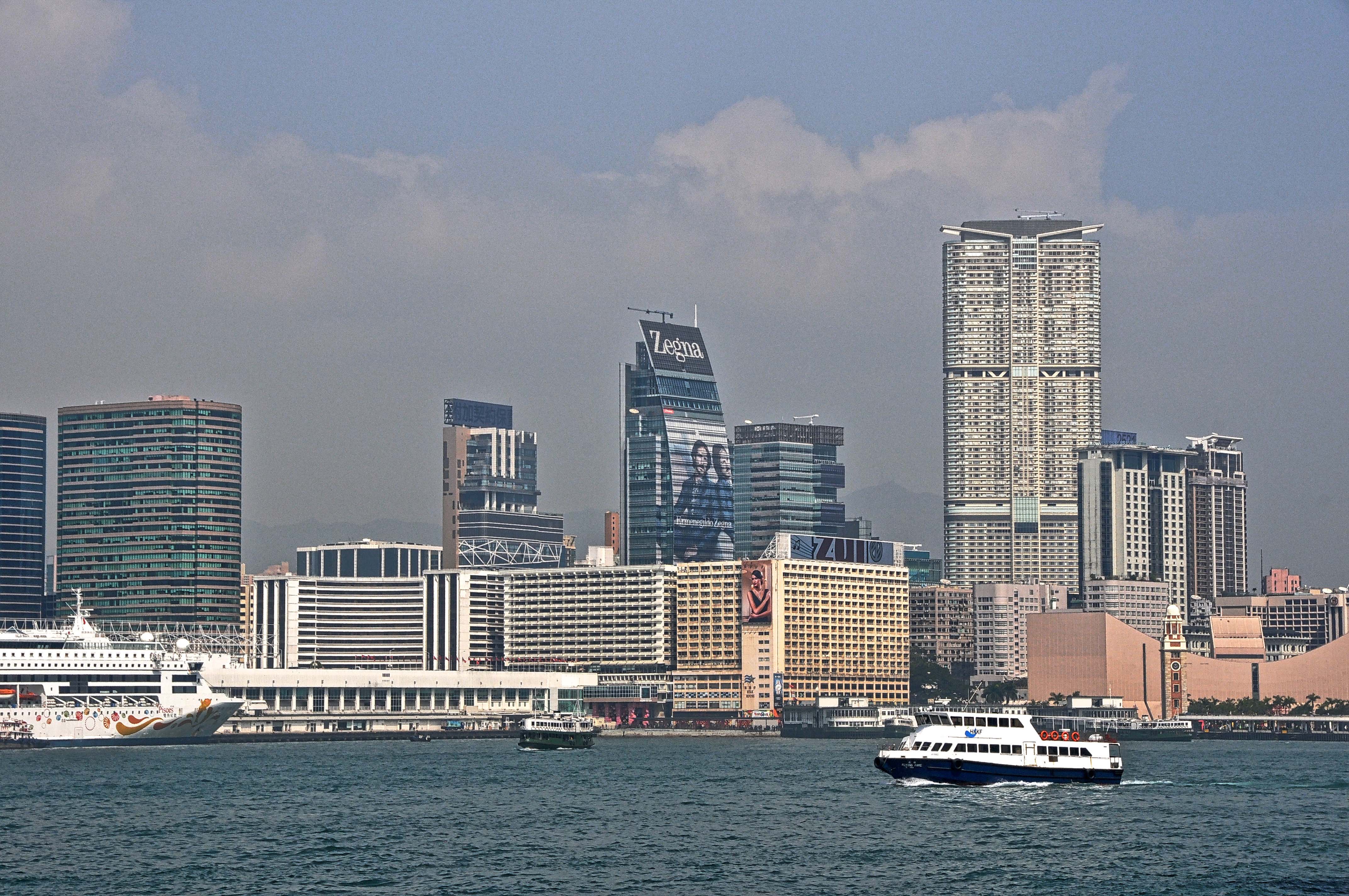
A ferry ride to Cheung Chau Island allowed me to take some photos of the Hong Kong and Kowloon skylines. The first two photos depicts Kowloon and the remaining photos shows Hong Kong.
Kowloon

from l to r, International Commerce Centre (World’s fifth tallest building), Kowloon Metro Station and The Arch (a residence with values of $3M CAD for 500sqft)
Hyatt Regency (tall building) and the Hong Kong Cultural Centre (with sloped roof)
Hong Kong
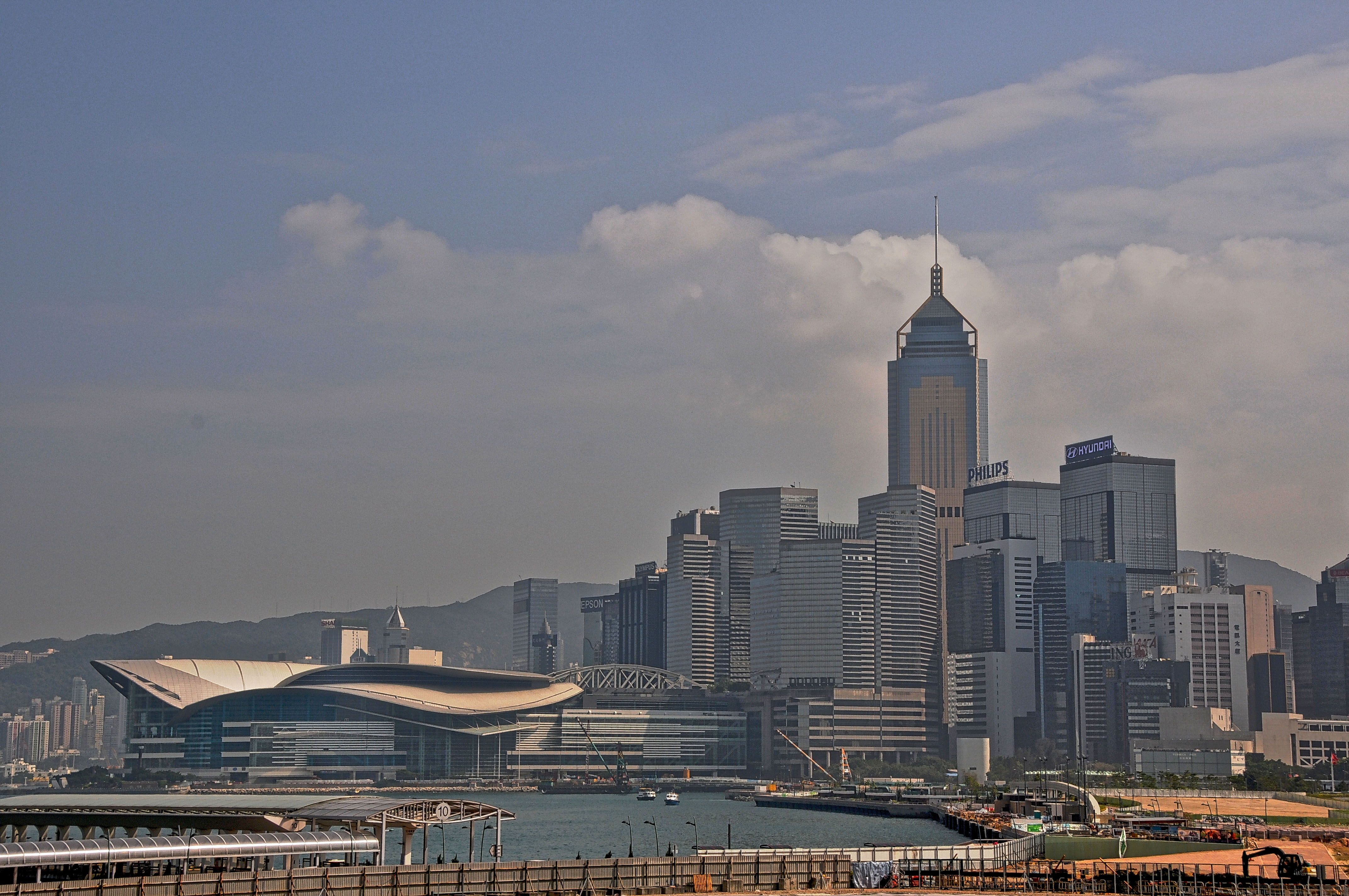
Expo Promenade (on the left) and Central Plaza (third tallest tower in the city)
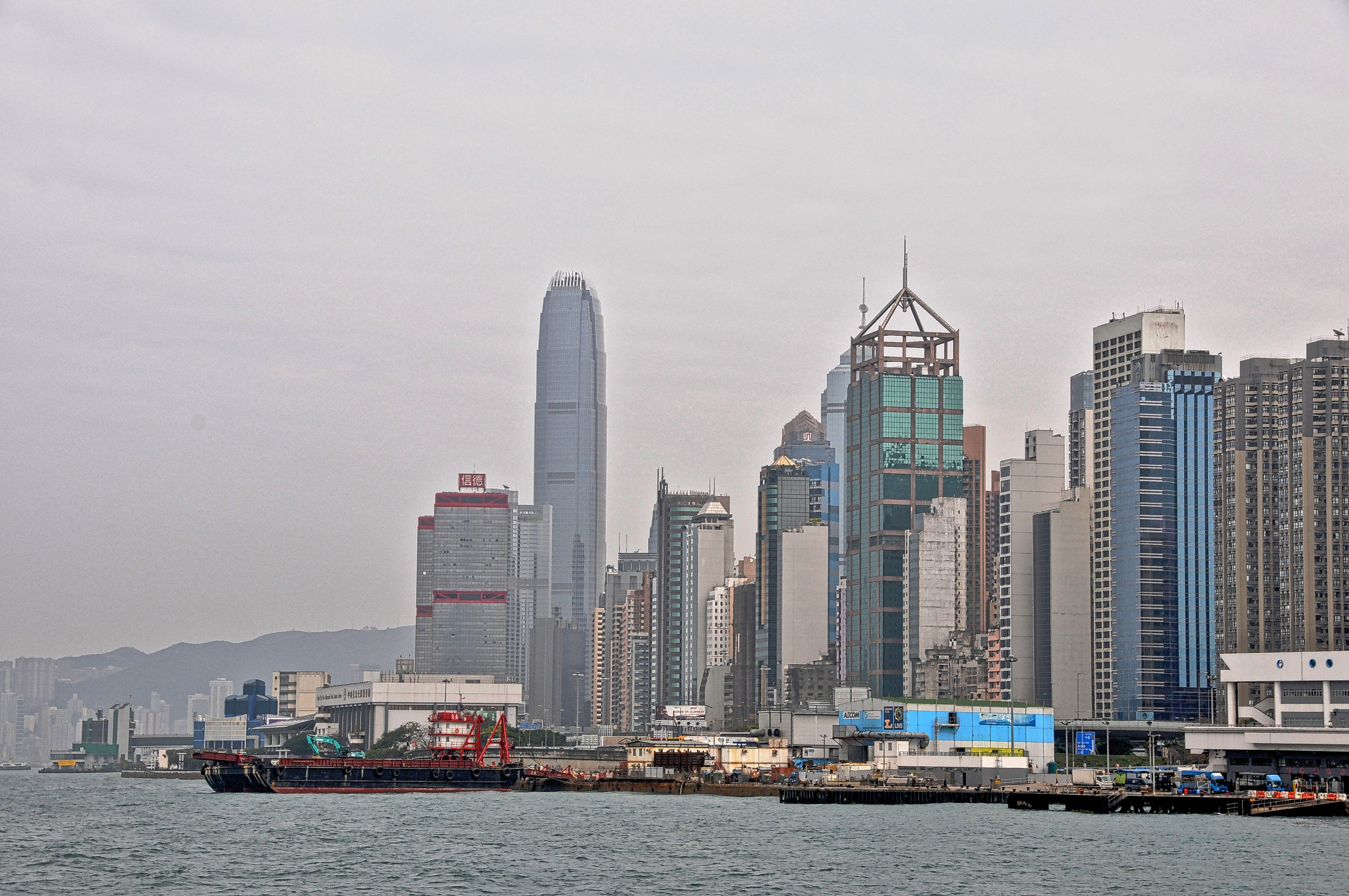
Downtown Hong Kong

A mix of residential and warehouses
Residential Towers


A Tall Ship with Hong Kong in the background
Hong Kong (3) – Cheung Chau Island
Located 10K southwest of Hong Kong Island, Cheung Chau Island has been inhabited for longer than most places in the Hong Kong Territory. Historically, this island was mainly a fishing village but has slowly evolved into a tourist attraction with its’ shops and eateries.
Ferries from Hong Kong to the island runs every 30 minutes and costs about $2.00 CAD each way.

West side of the Island
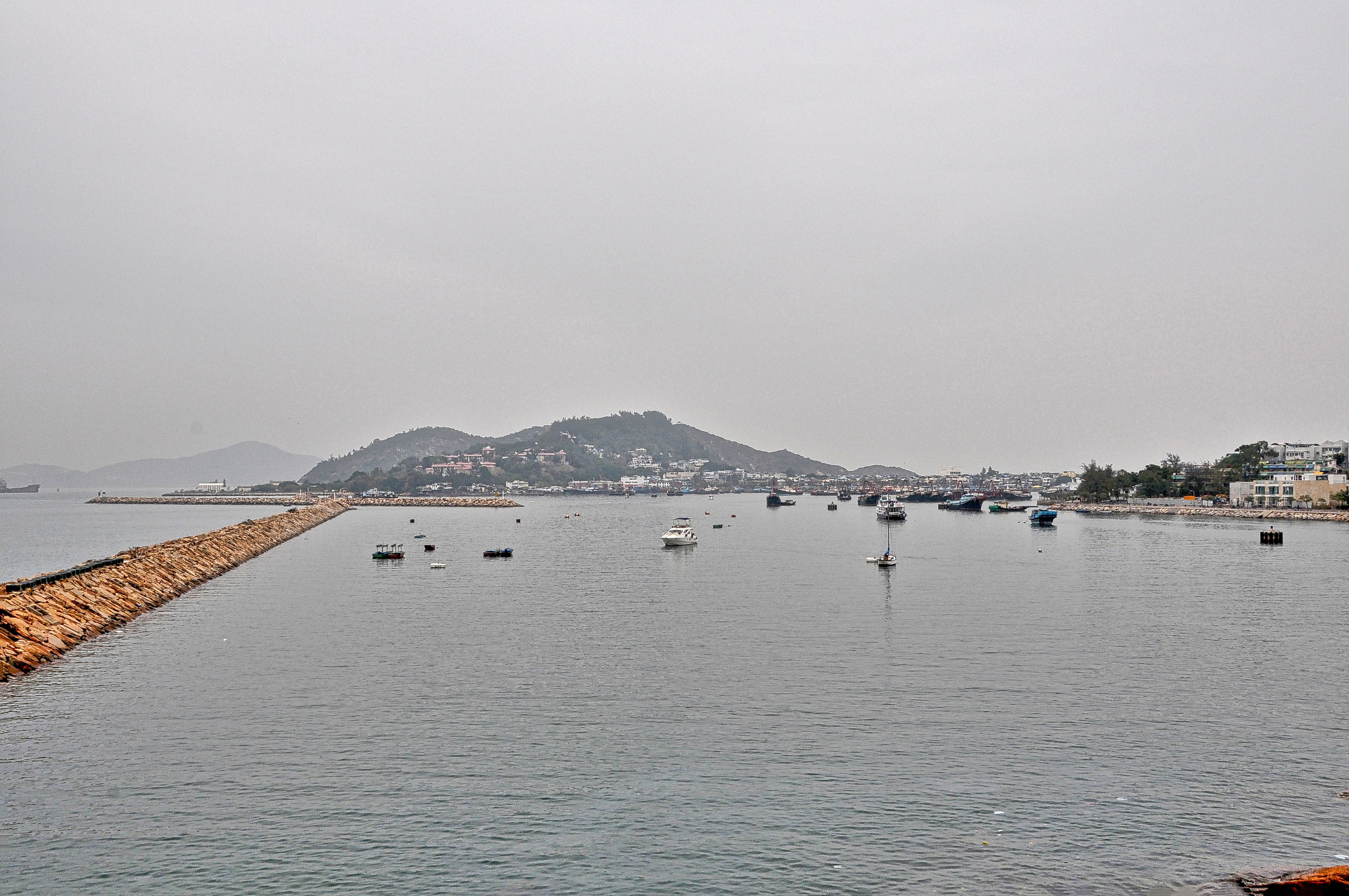
Breakwater
Harbour


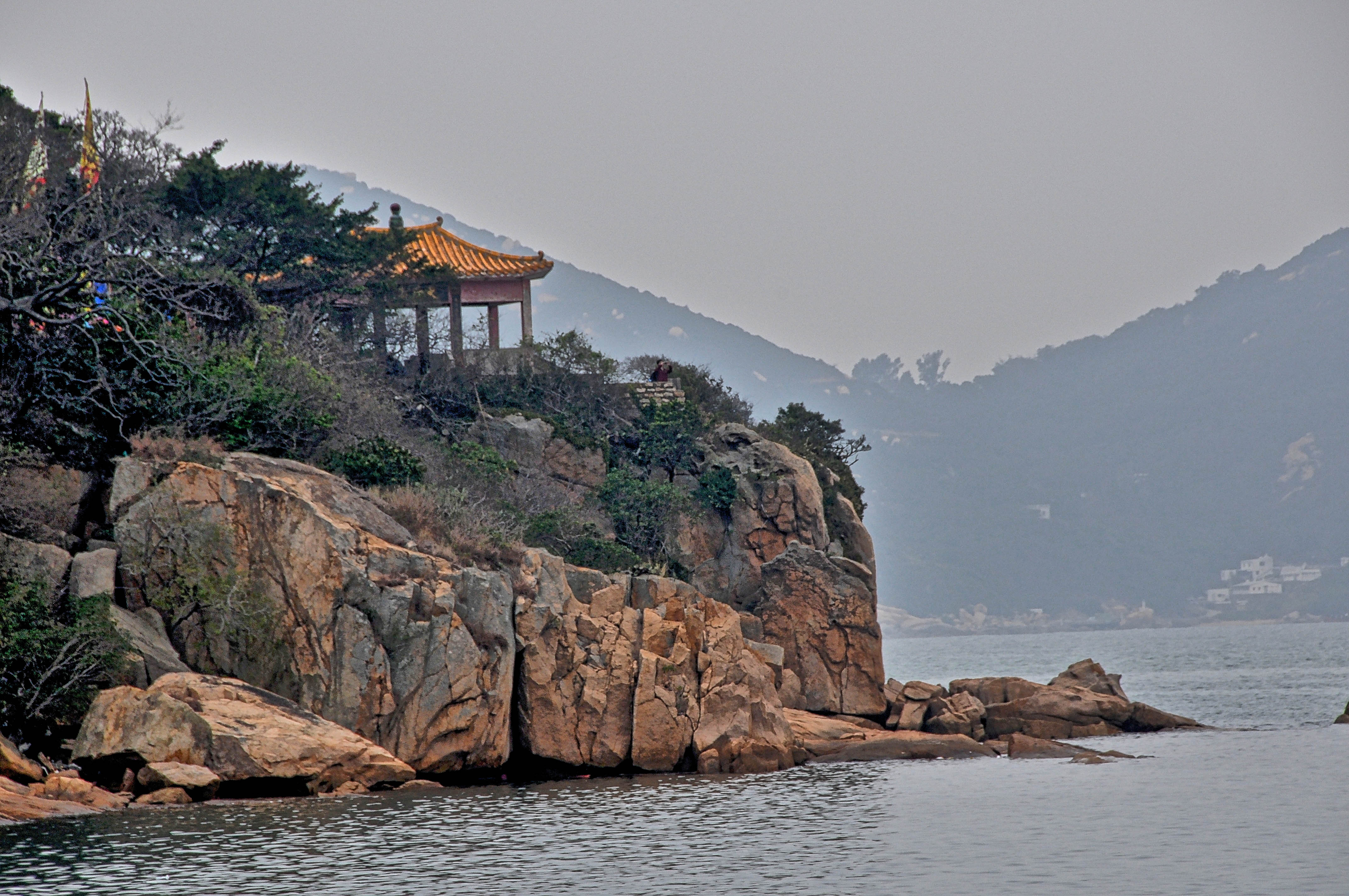
Tin Hau Temple – The Goddess of the Sea is 200 years old and still in use


Narrow streets have room only for pedestrians and bikes.


Bikes for rent

The Reclining Rock – near the fabled pirate’s hiding place Cheung Po Tsai Cave
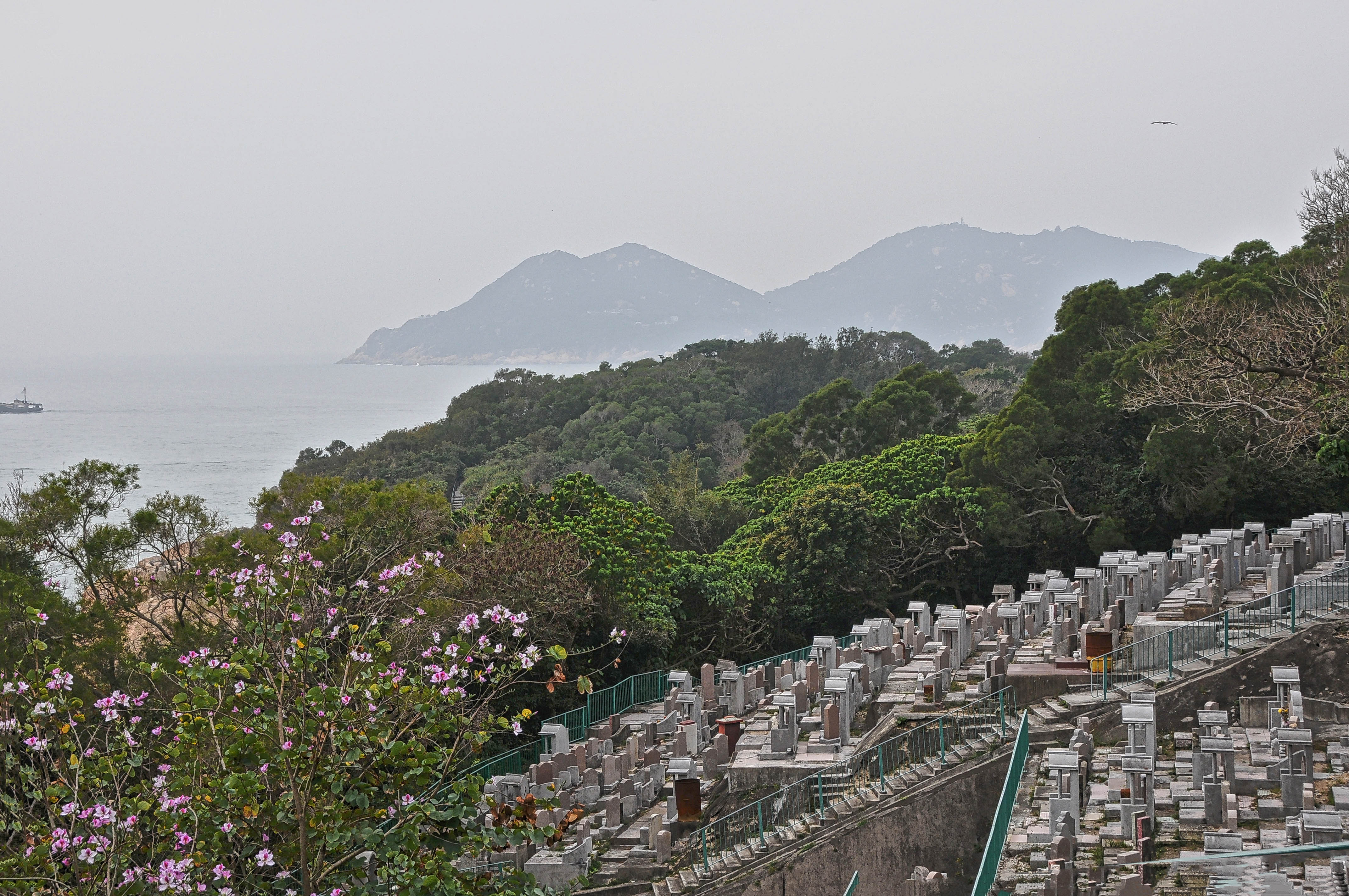
Public Cemetery
Hong Kong (2) – Cochrane Street Escalator
The escalators are 800 metres (2,600 ft) long with a vertical climb of 135 metres (443 ft). It consists of twenty escalators and three moving side-walks. This outdoor covered escalator system is the longest according to the Guiness World Records.
Built to decrease the congested vehicular traffic, it has become a financial nightmare for the city and there has been no evidence of change in the traffic.
The photos will show some of the sights I saw as we made our way to the top.

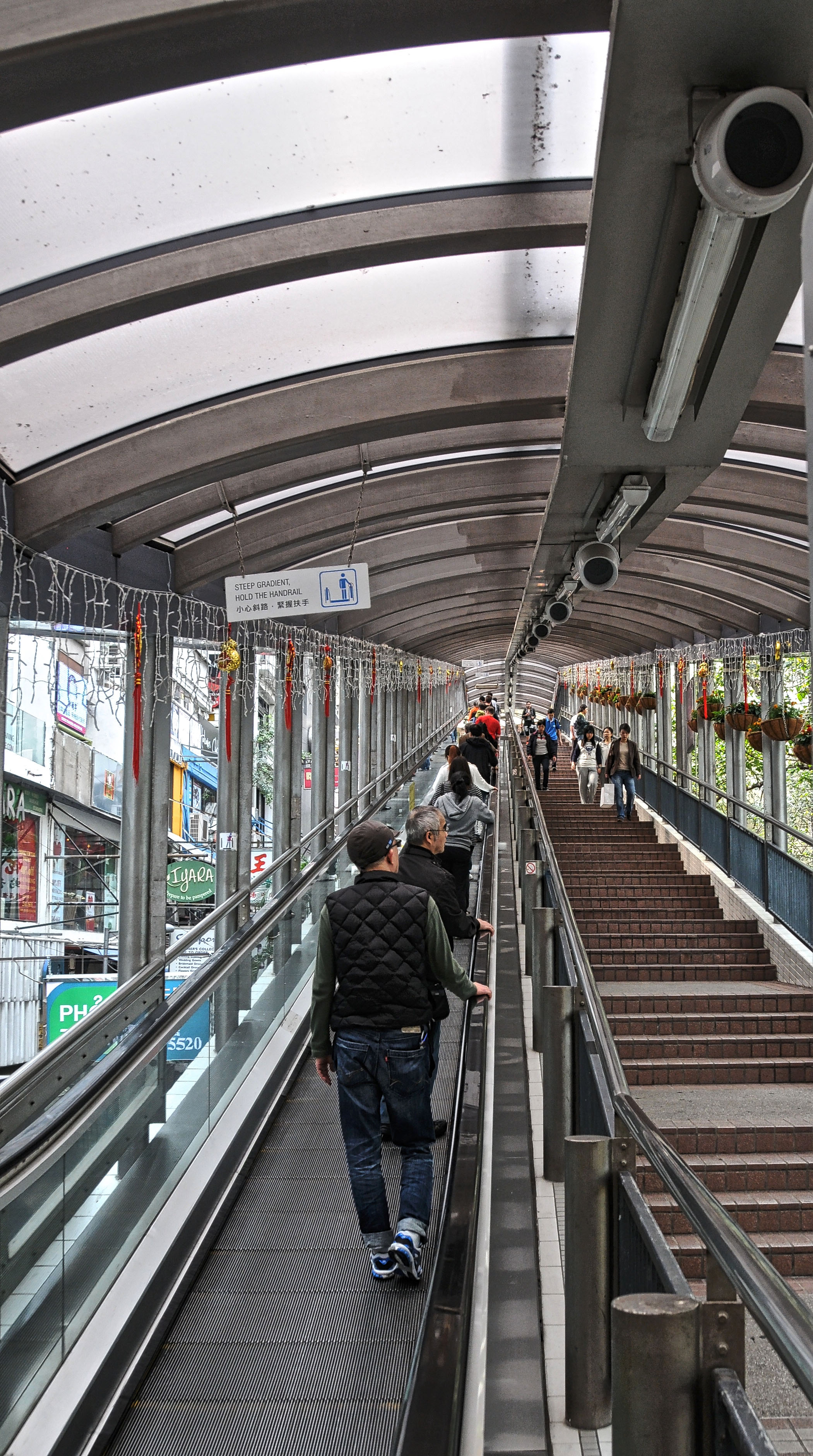
Escalator or moving side-walk on one side and stairs on the other side.
Streets running perpendicular to Cochrane


Old and new apartments


7-Eleven, nicknamed “Little 7”, are mainly located near MTR stations. Approximately 950 stores, makes Hong Kong the second place for the highest density of stores after Macau.


A old building in need of a paint job to match the new signage.


Peel Street that runs parallel to Cochrane. We walked this one back down.

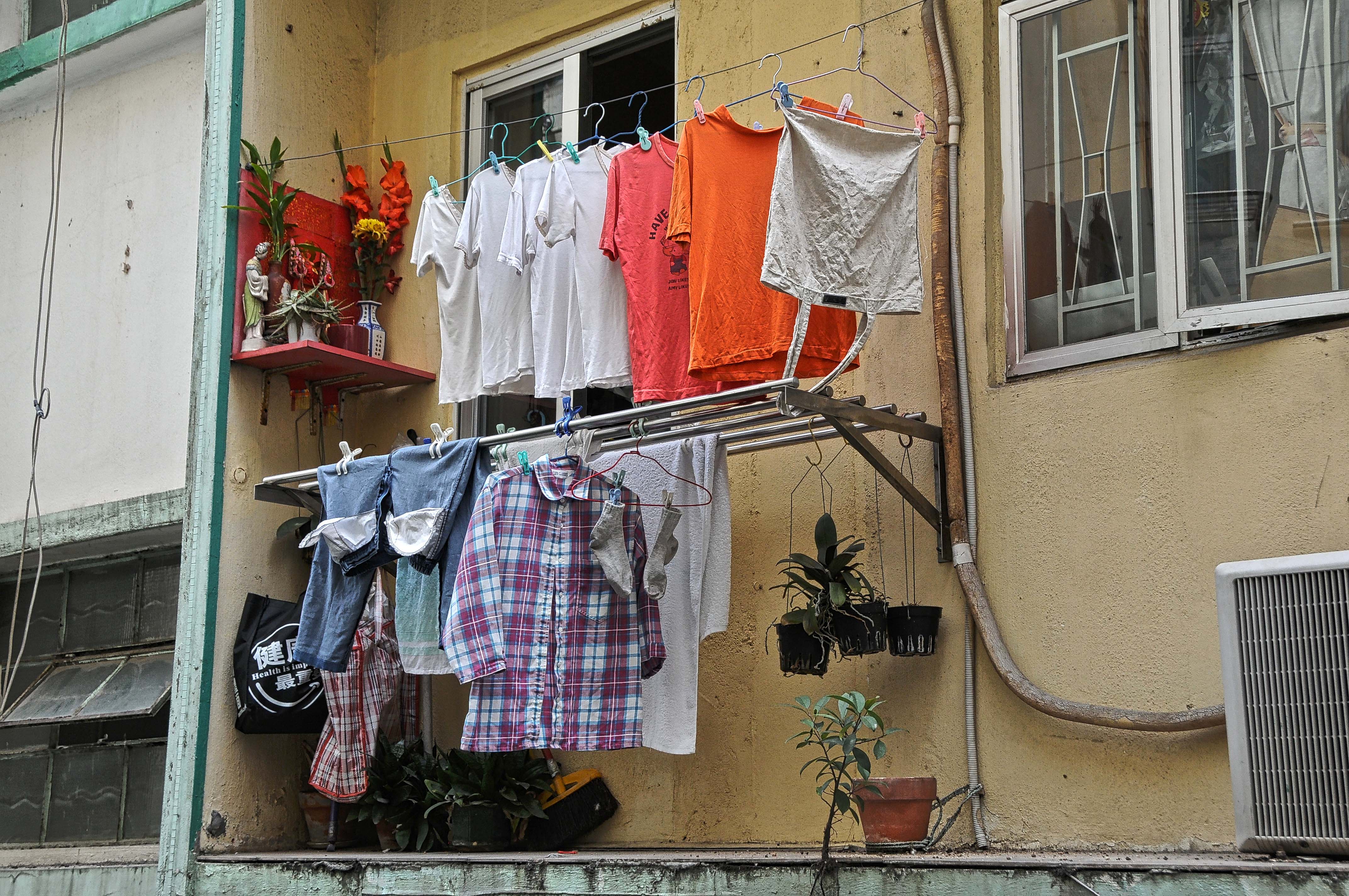
Two common sights in Hong Kong. Air drying clothes and a small shrine (the flowers to the left of the clothes)
Two of many eateries located along Cochrane and Peel


Interesting retail stores


Bangkok (6) – The People
Place your cursor over the photo to get a description and/or click on the photo for a larger view.
The challenges of chess games are a common sight all over Bangkok


Various workers plying their trade.


At Wat Pho Temple


Bangkok (5) – Getting Around
The traffic congestion in Bangkok is horrendous and depending upon the time of day, you can be stuck in traffic for hours. It’s a good thing they have an excellent LRT/MRT system to help get around. Unfortunately, the smog is an eye-opening indication that Bangkok needs to do something about this.
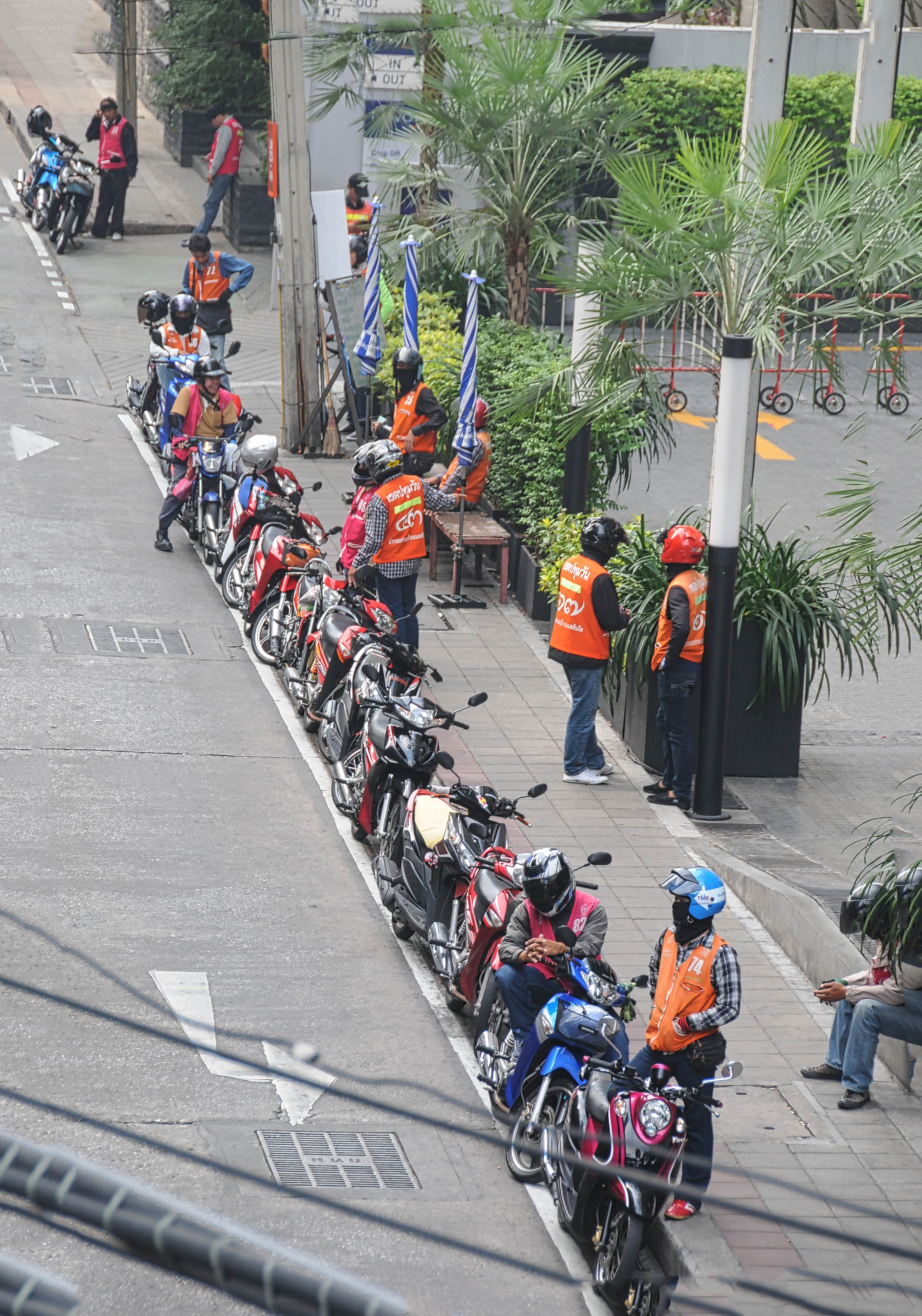
Motocy Taxi – all prices are set for short distances and negotiate for longer rides. It’s a risky ride and even though I’ve heard mention of accidents, I didn’t see one.

Waiting outside the stairwell of the “Nana” LRT station for potential clients.

Tuk Tuk is essentially a rickshaw with a small engine. A short trip will cost about $1.00 CAD.
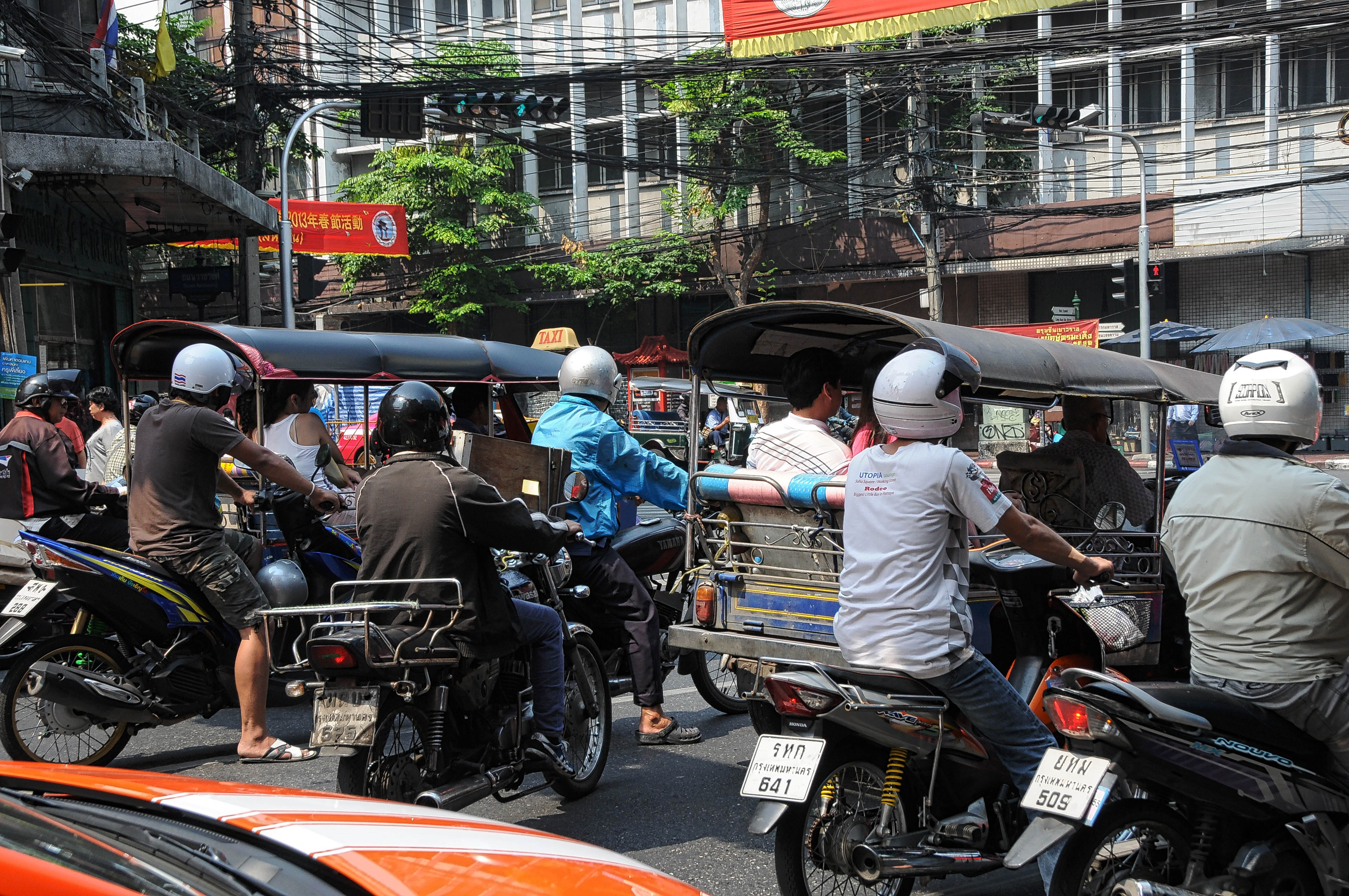
Congested mix of cars, motorbikes and tuk tuks in Chinatown.

If you can’t find a place to drive on the street, there’s nothing wrong in driving on the sidewalk.
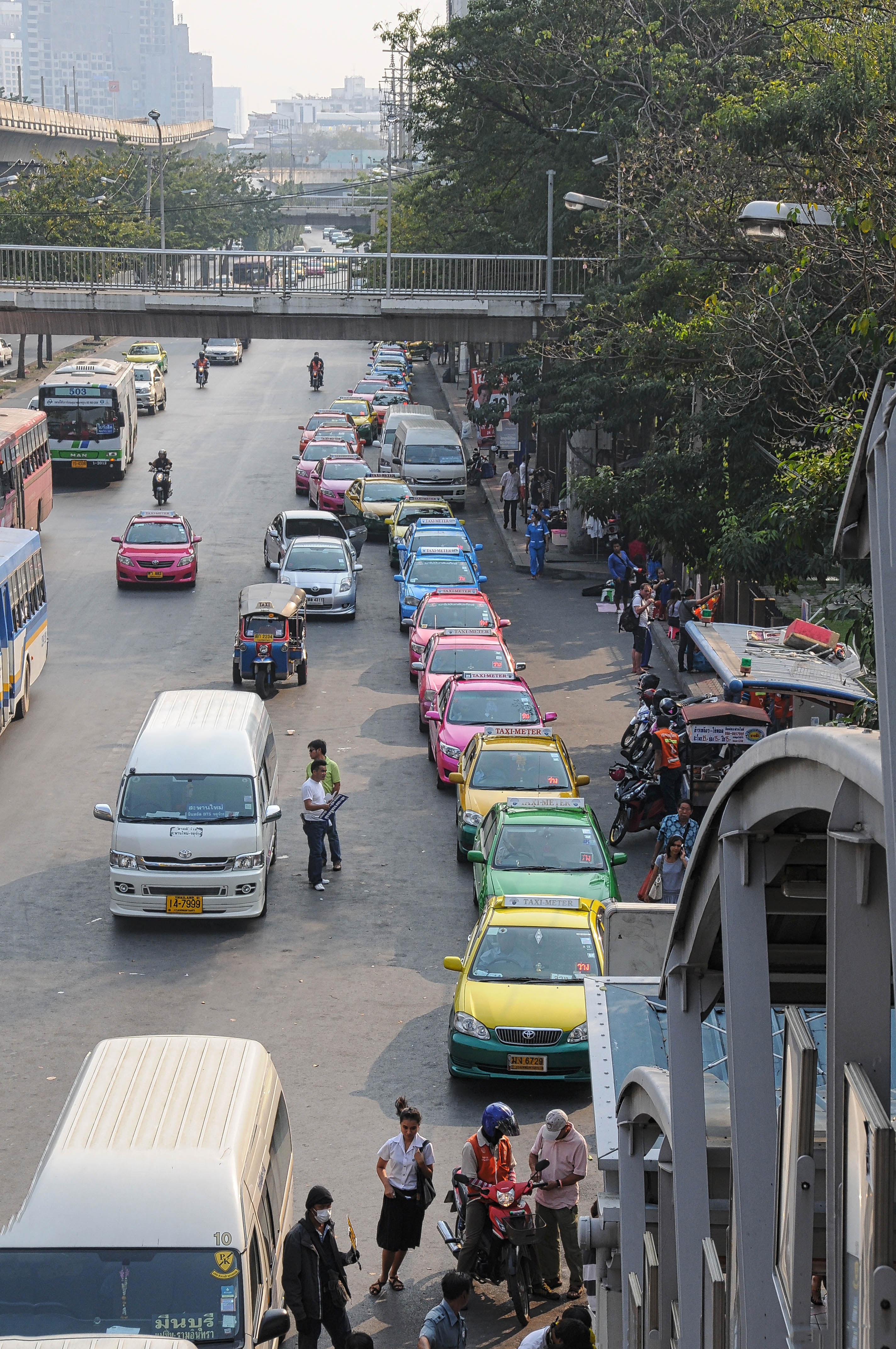
Taxicabs line up outside the “Mo Chit” LRT station. These cabs circled a whole block with engines running. This is where Bangkok needs to add bus routes from the station to alleviate smog and traffic. If indeed there were buses, I didn’t see them.
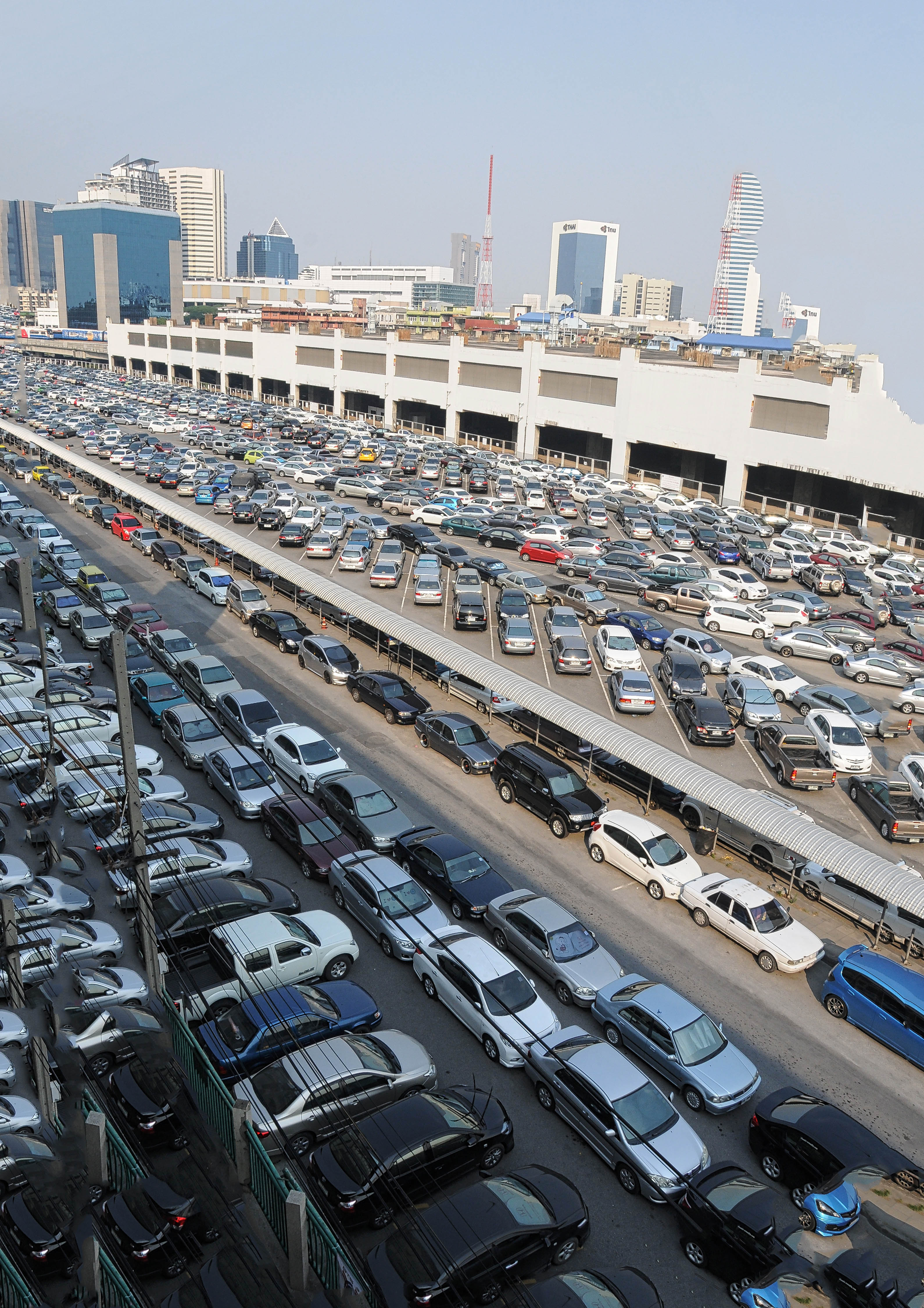
A “park and ride” outside the Mo Chit LRT station.
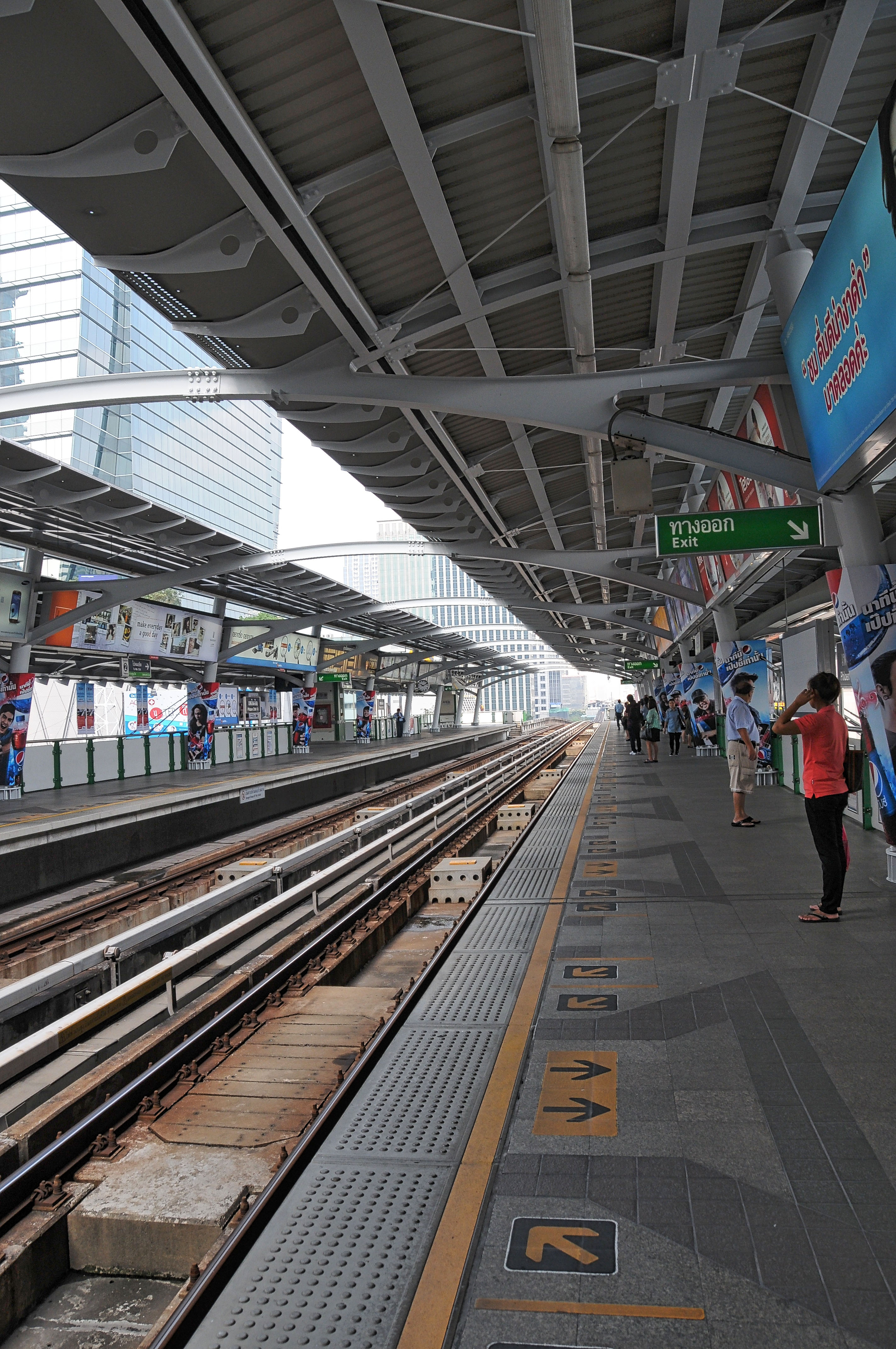
Phloen Chit station, near our hotel

Waiting for a train at the Victory Monument Station.
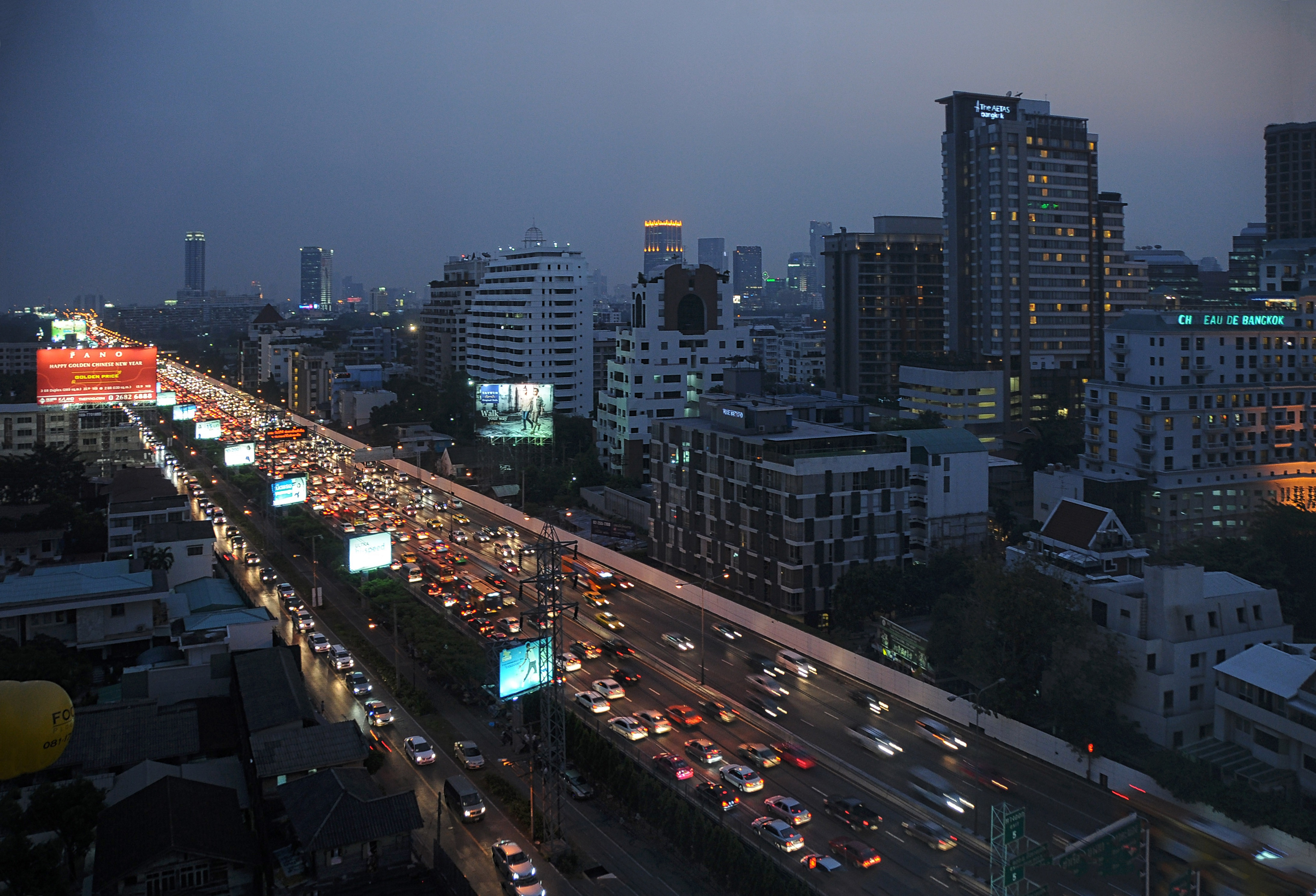
A view of the Chaloem Maha Nakhorn Expressway from our hotel room.

Entering the Sukhumvit. A congested corner where the two main LRT lines (Silom and Sukhumvit) meet. Surrounding this area is where Bangkok’s big shopping malls are located. Our hotel was a few blocks away in a quieter location.
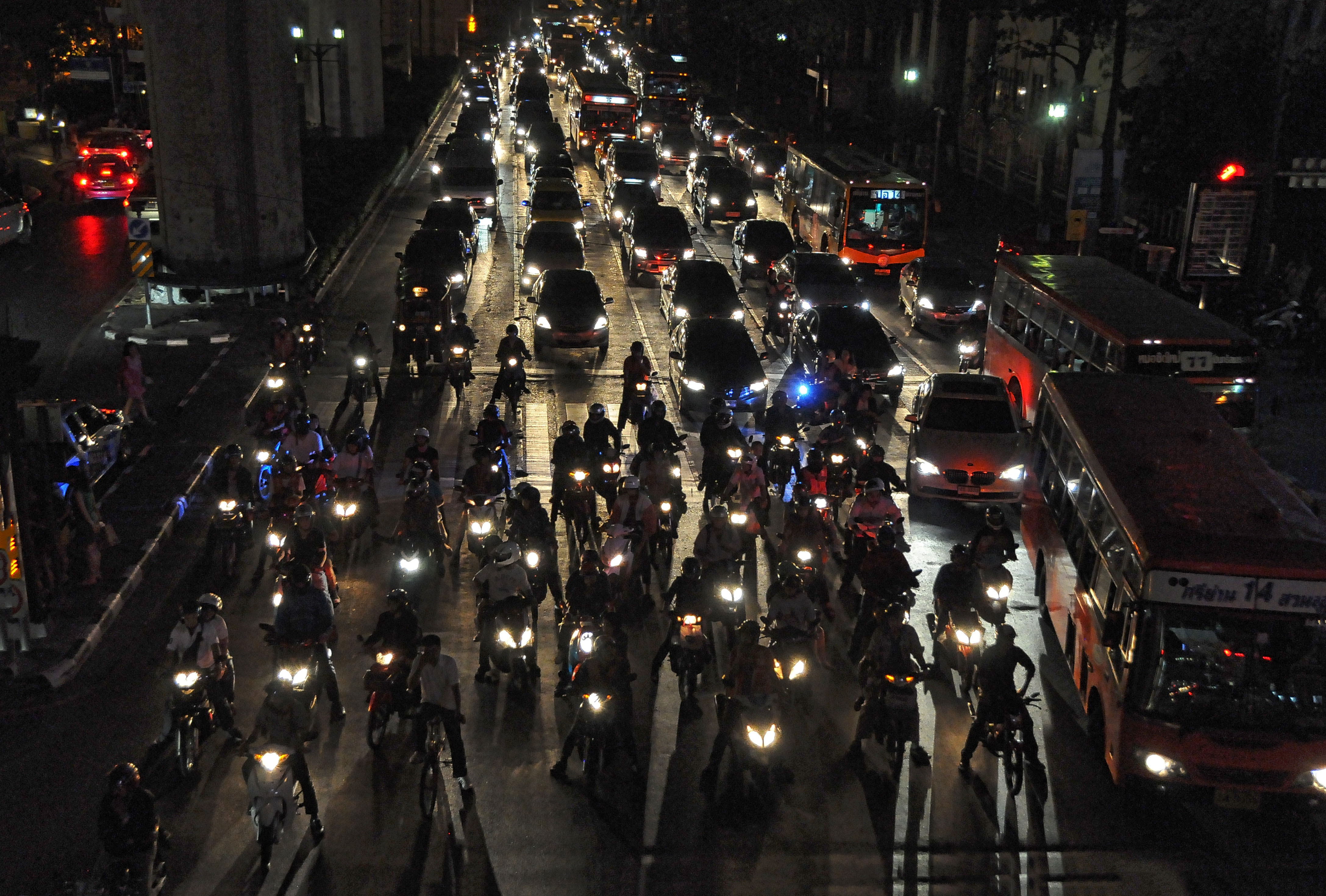
Looking down at paralyzed vehicles on Thanon Sukhumvit street.
Bangkok (4) – Wat Pho
Wat Pho is a Buddhist temple located next to the Grand Palace in the Phra Nakhon district. It is one of the largest (80,000 square metres) and oldest of monasteries in Bangkok and is home to more than 1,000 Buddha images.
The temple is also known as the birthplace of traditional Thai massage.
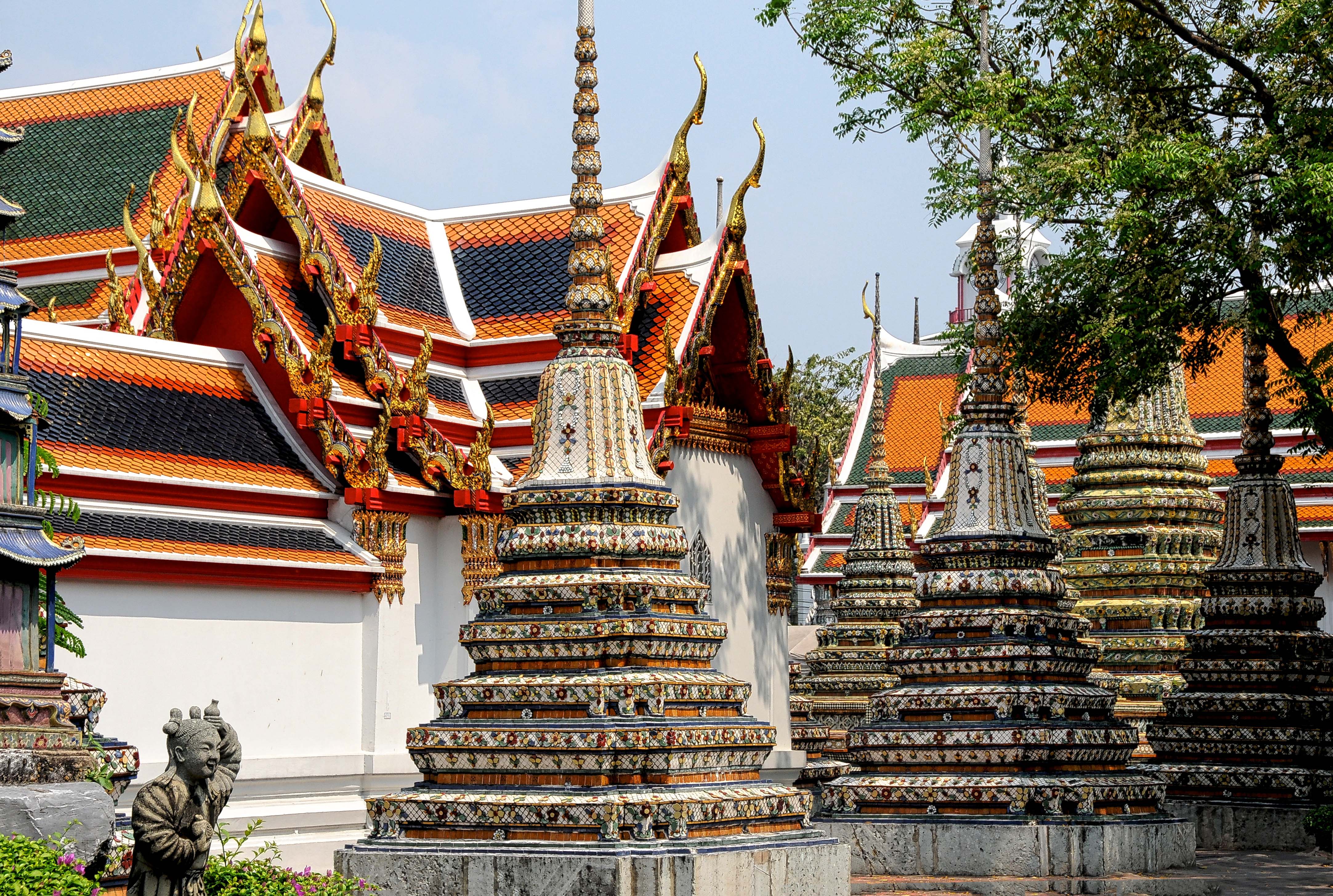
Just inside the main gate. Chedi beside the Phra Rabieng (Gallery)
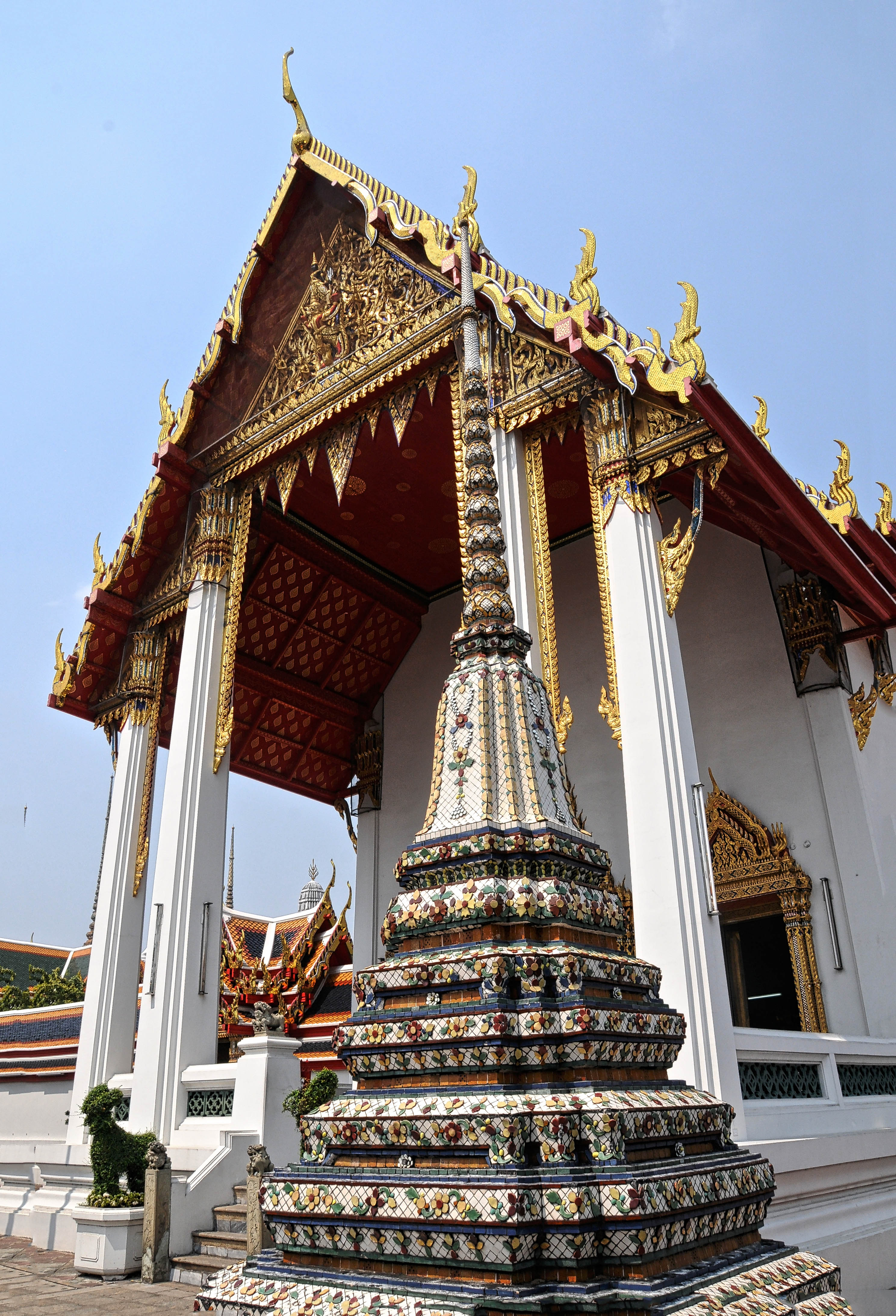
A Chedi beside the Phra Rabieng (Gallery)
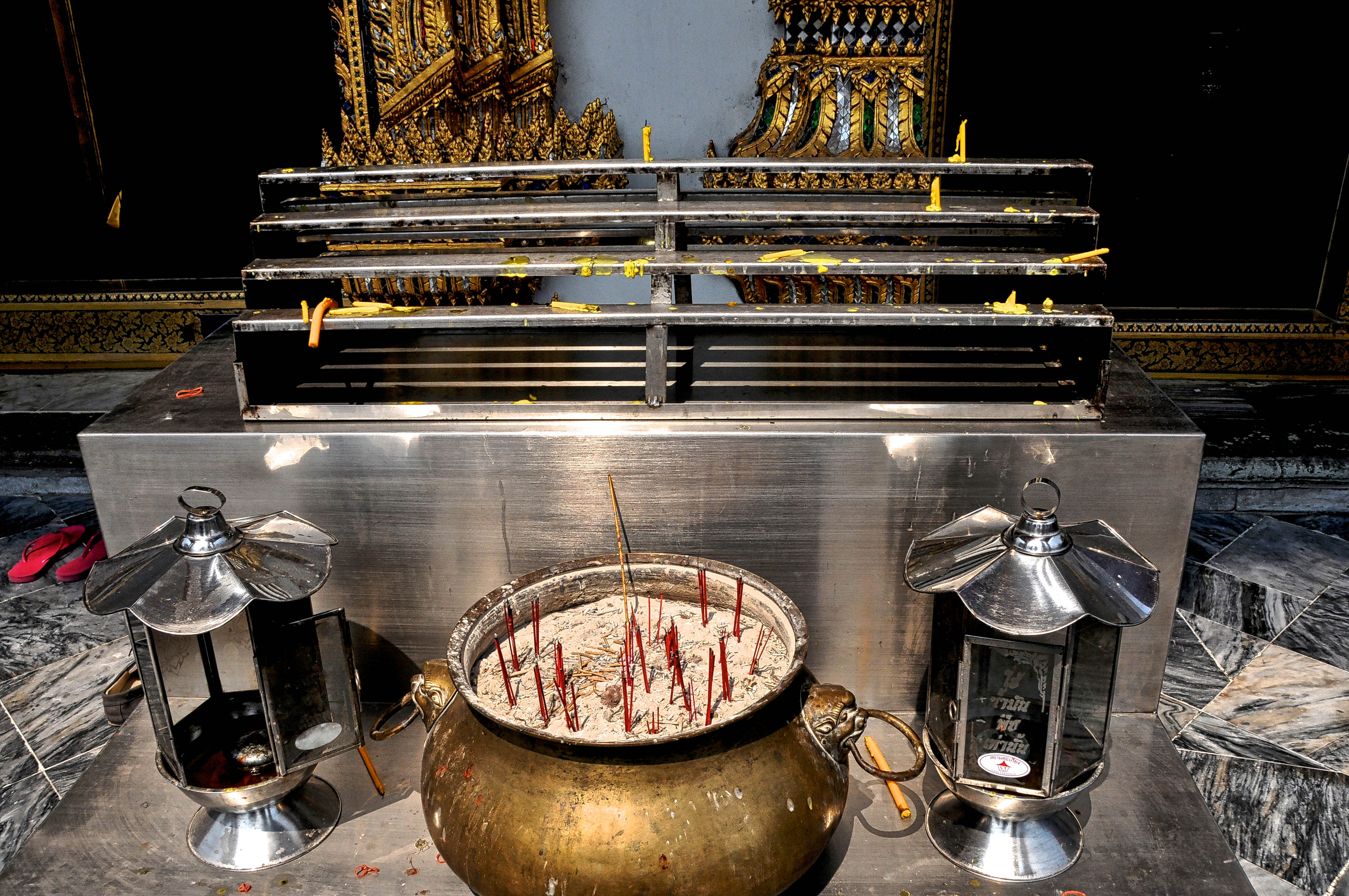
Burning incense is reputed to be a method of purifying the surroundings.
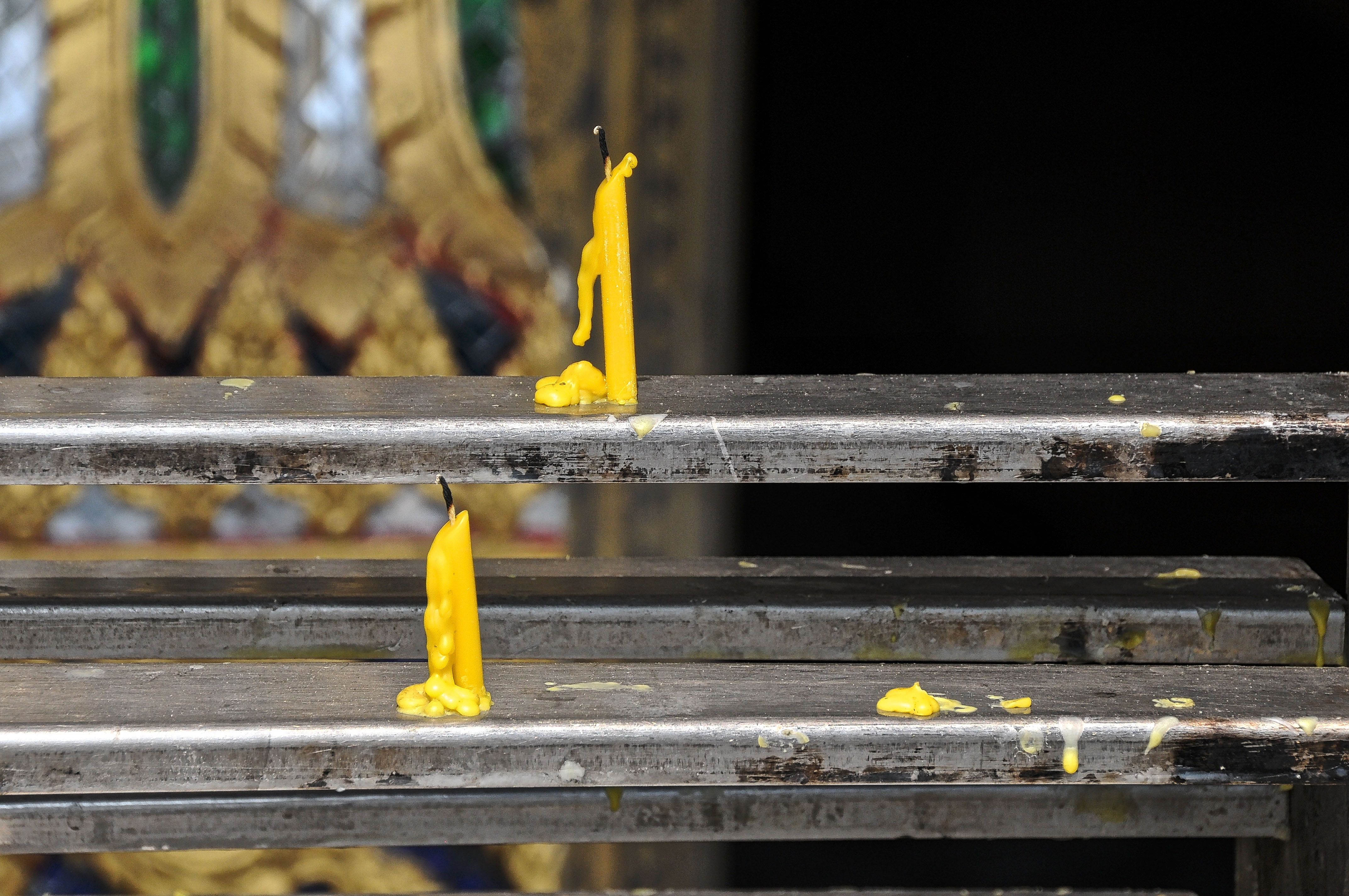
Candle flame represents the light of the Buddha’s teachings.
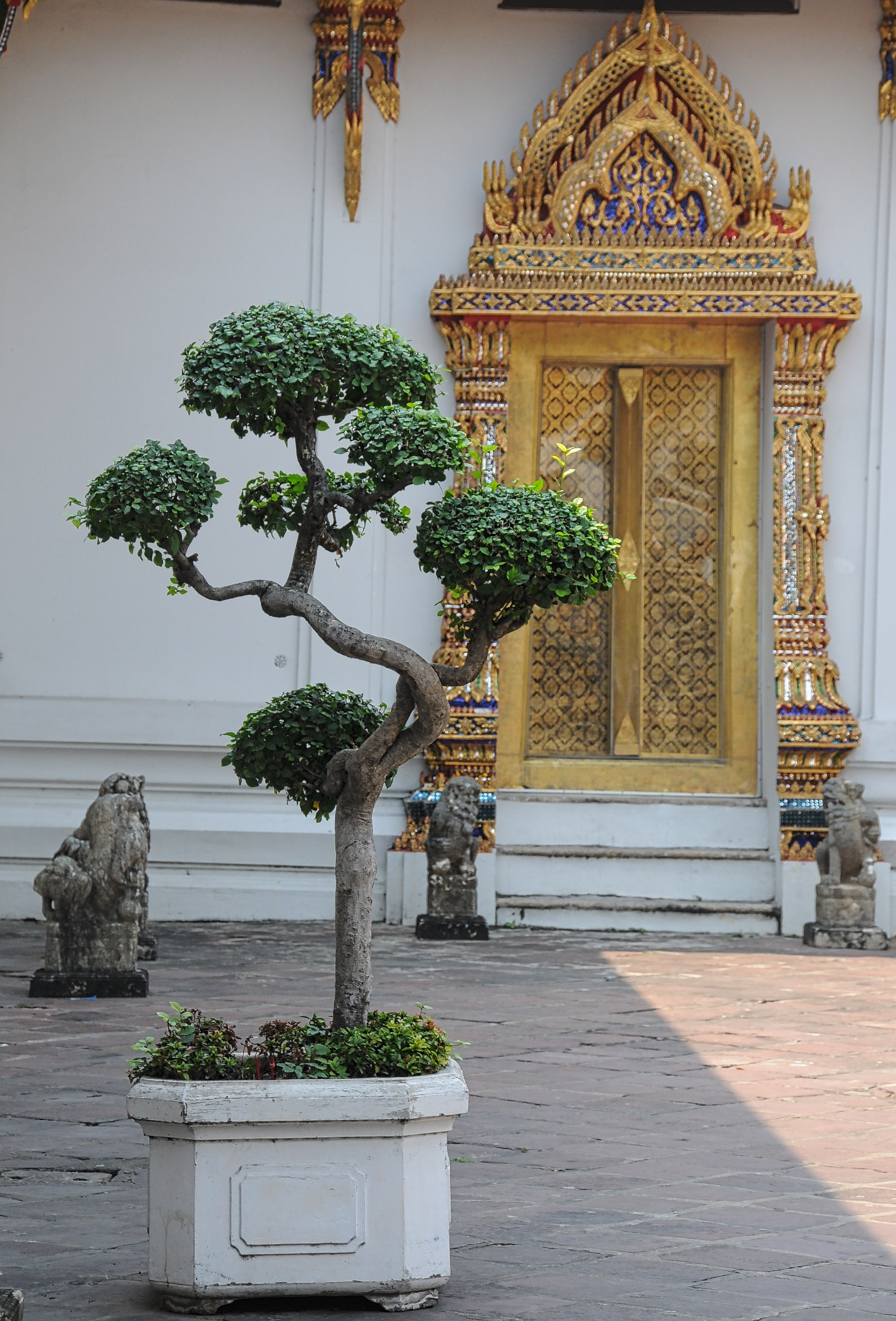
A nicely trimmed tree
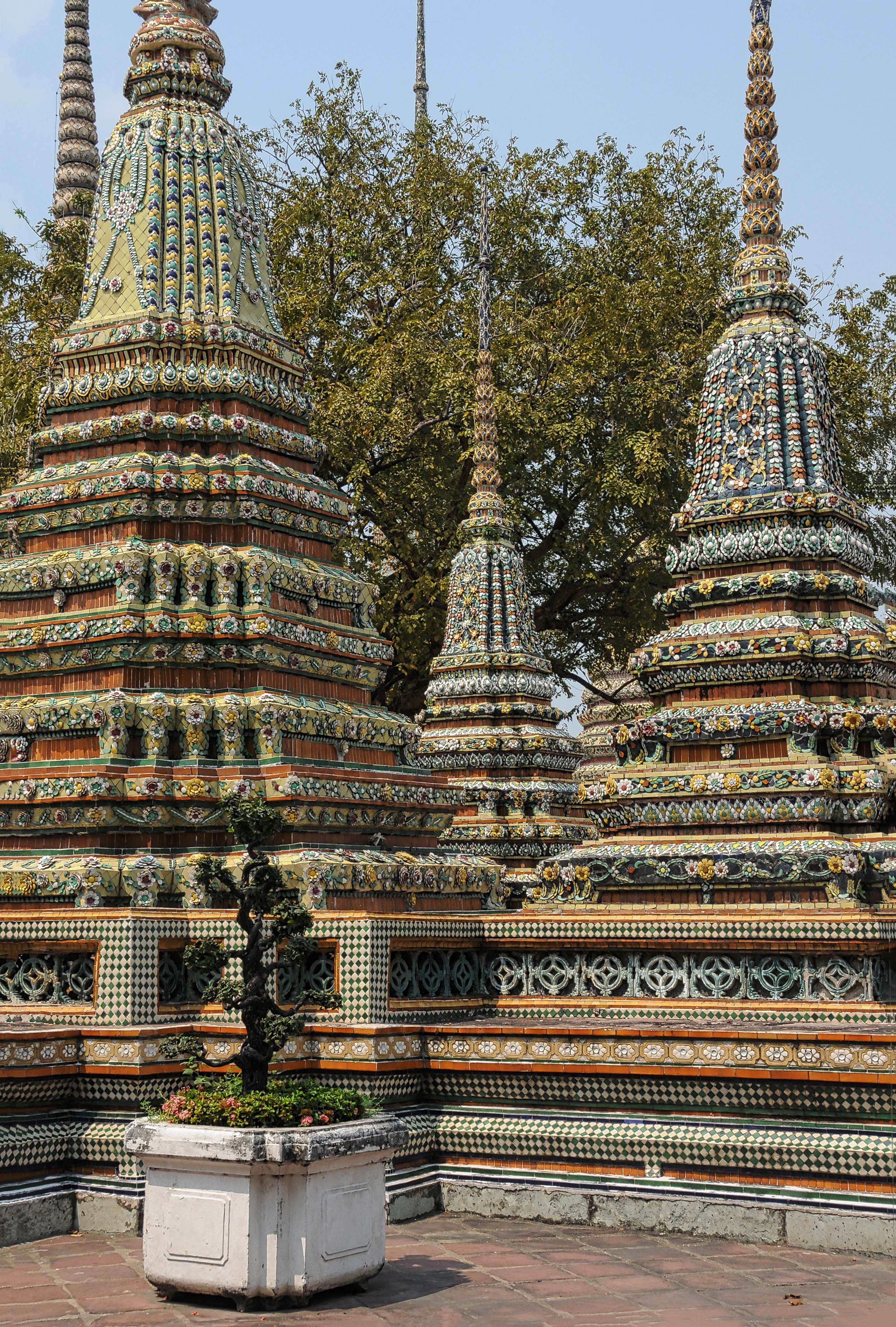
Chedis contains the ashes of the royal family

Three of the four largest chedis dedicated to the the four Chakri kings
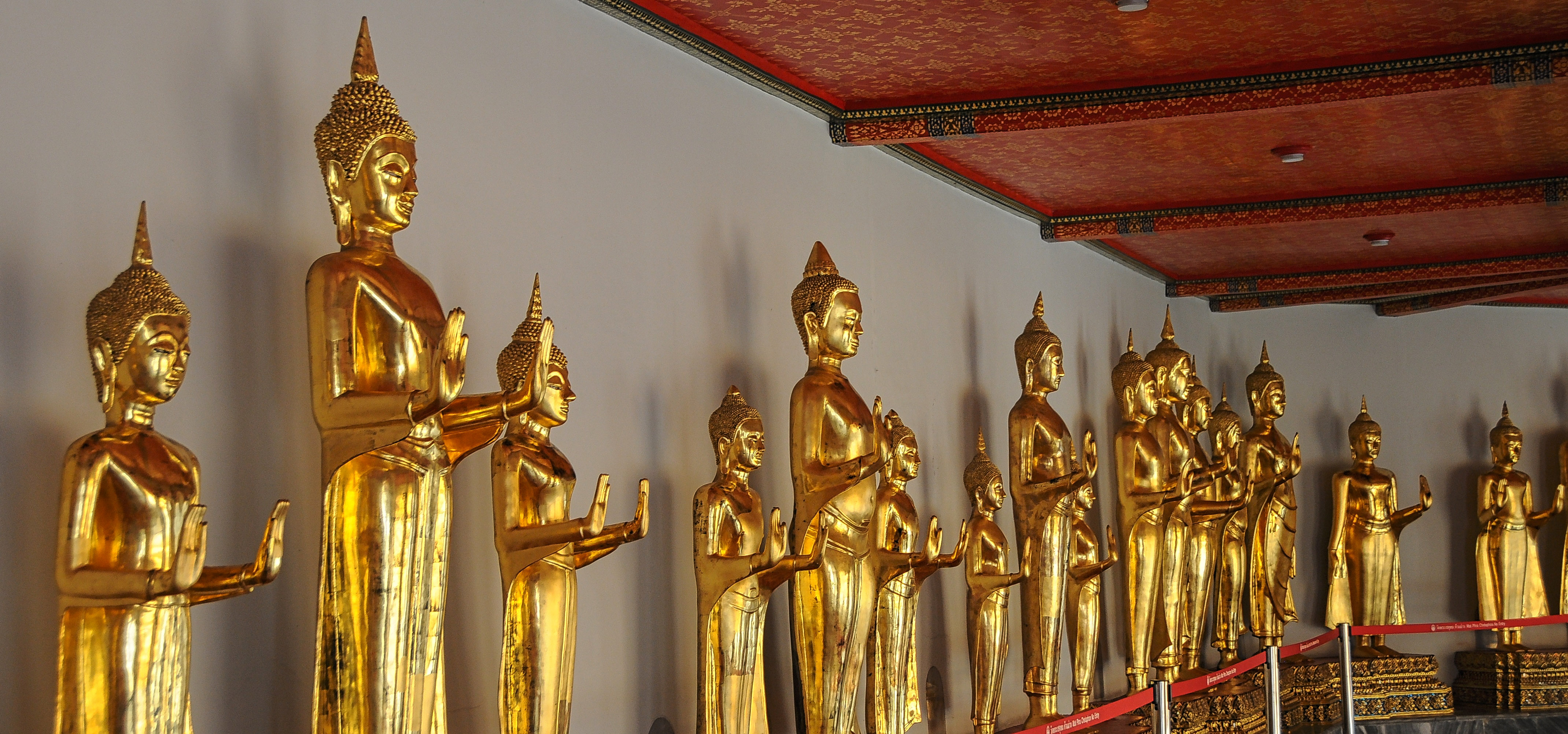
Inside a viharn (hall)
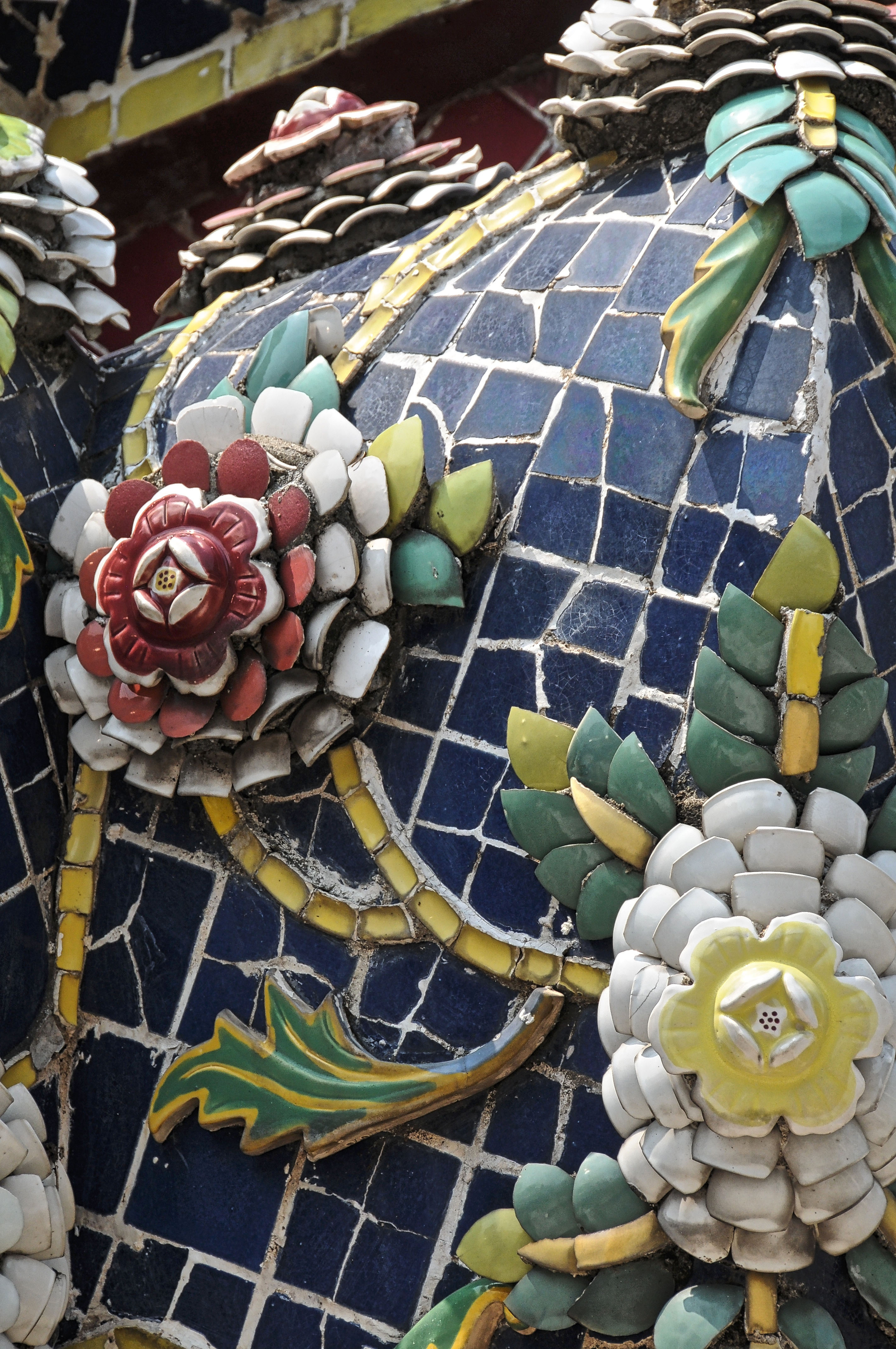
A closer look at the detailed flower motifs

One of the stone giants at the entrance gates
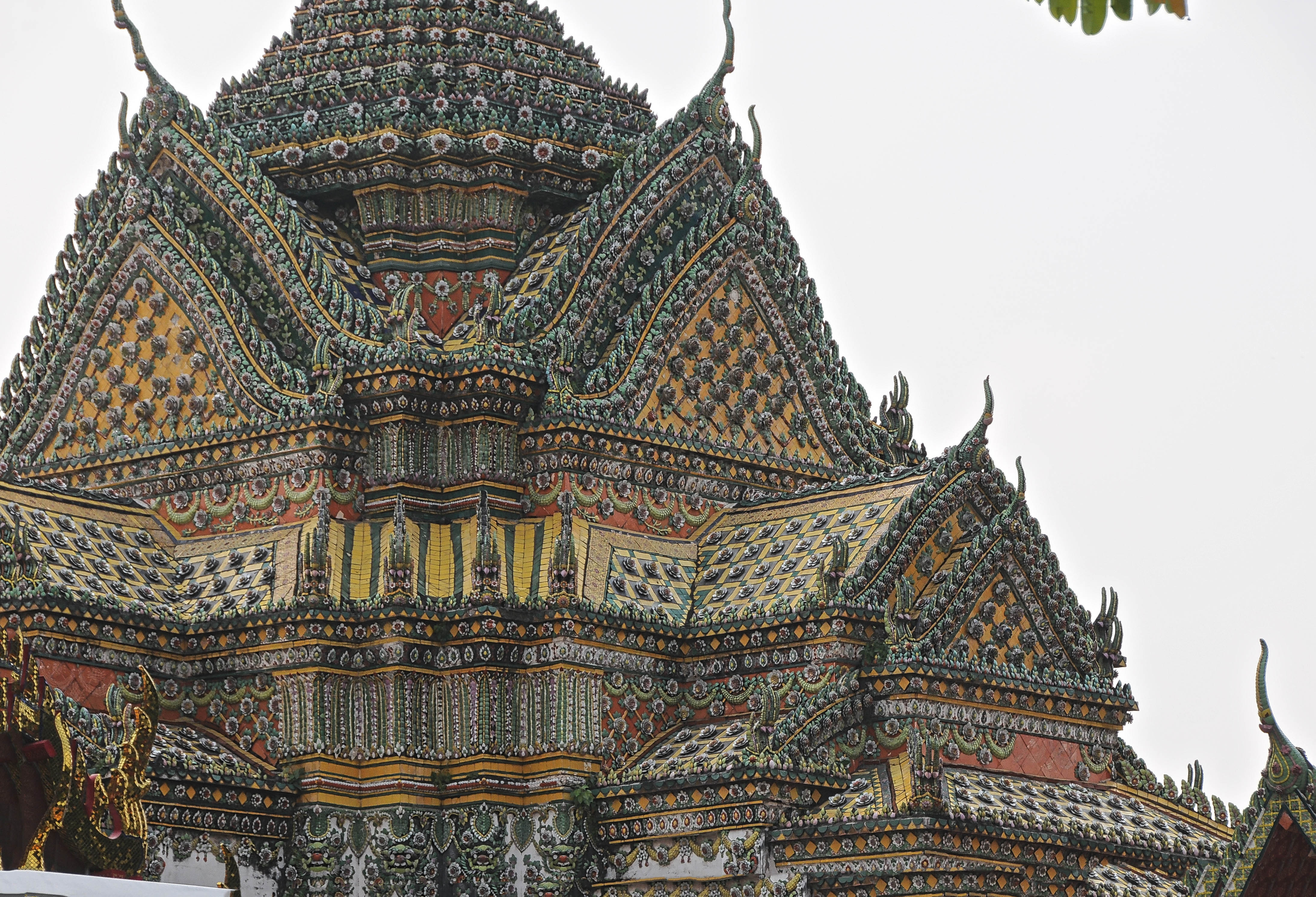
Outside the Viharn of the Reclining Buddha
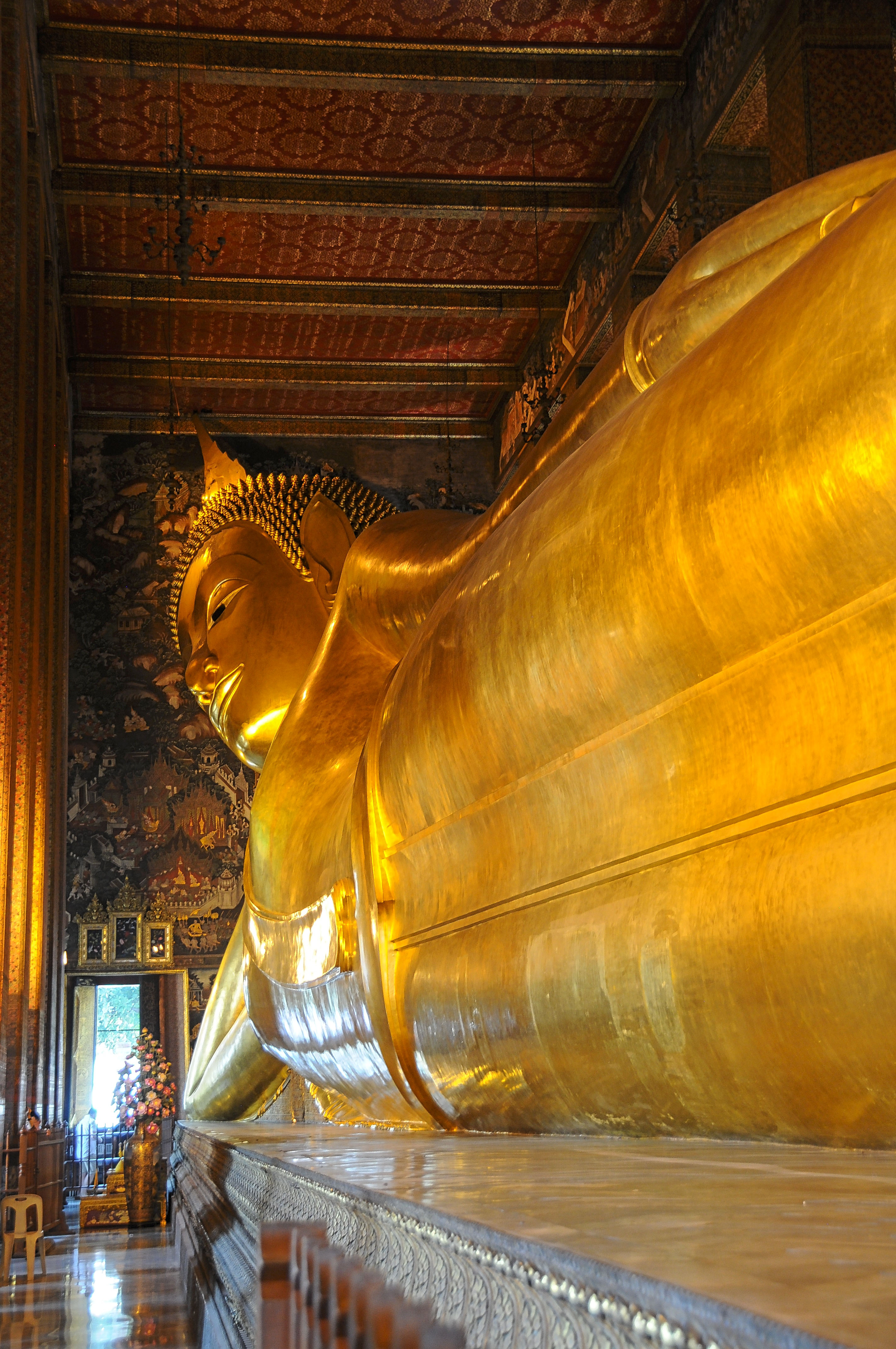
The Reclining Buddha (15m high x 43m long) is made of plaster bricks and gilded gold.
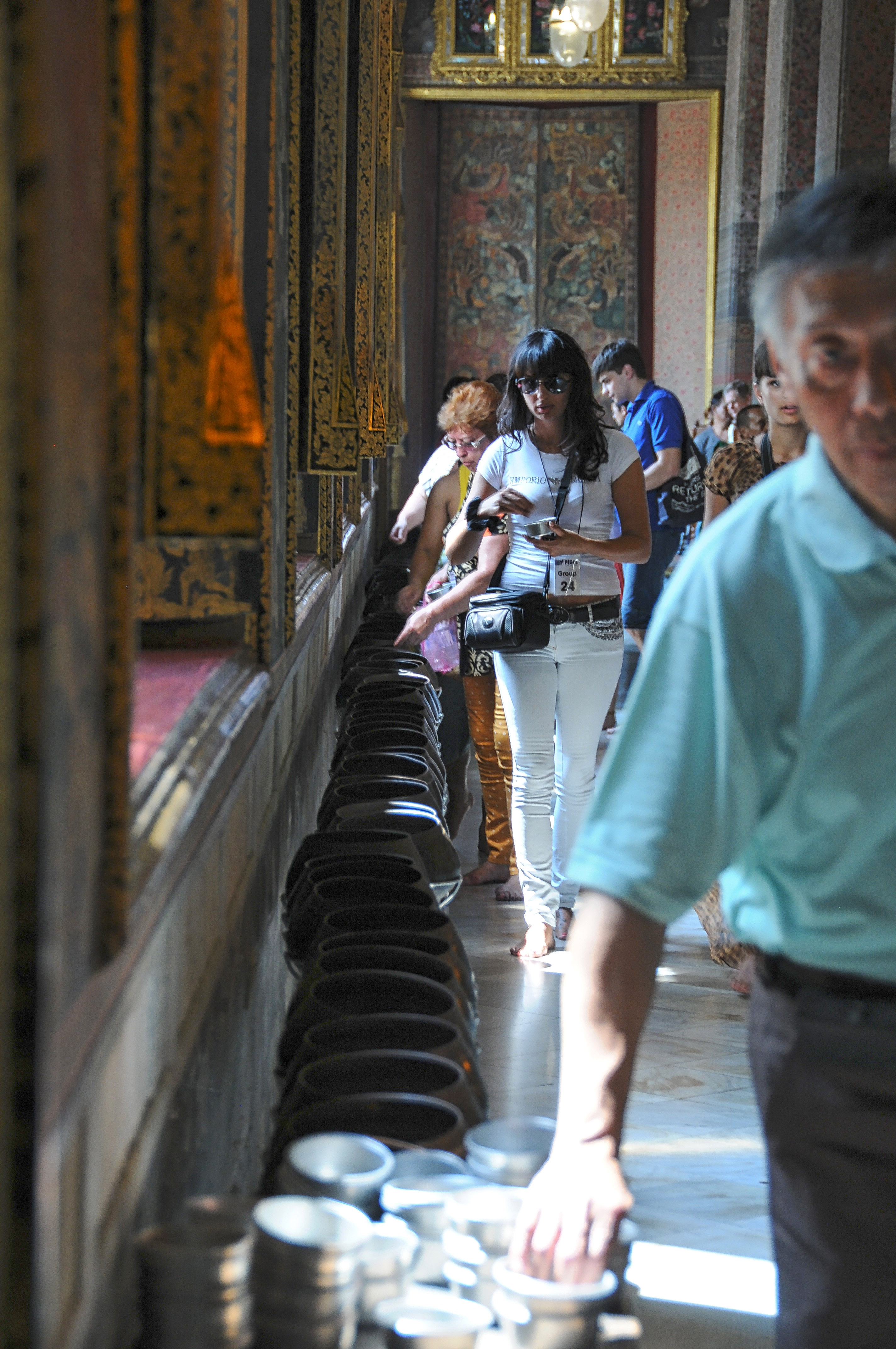
108 bronze bowls indicate 108 auspicious characters of Buddha. People drop coins in the bowl as it is believed to bring good fortune.
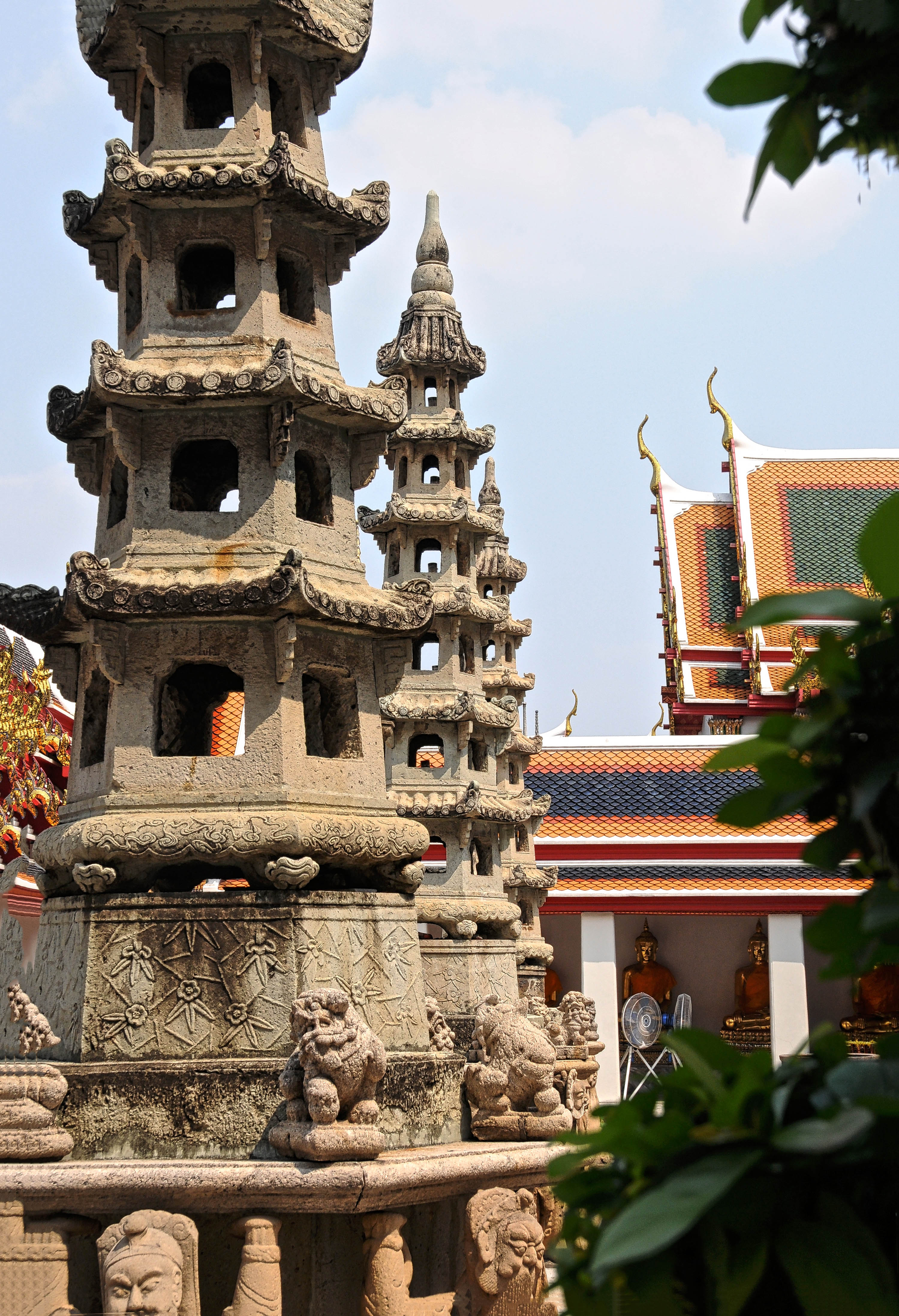
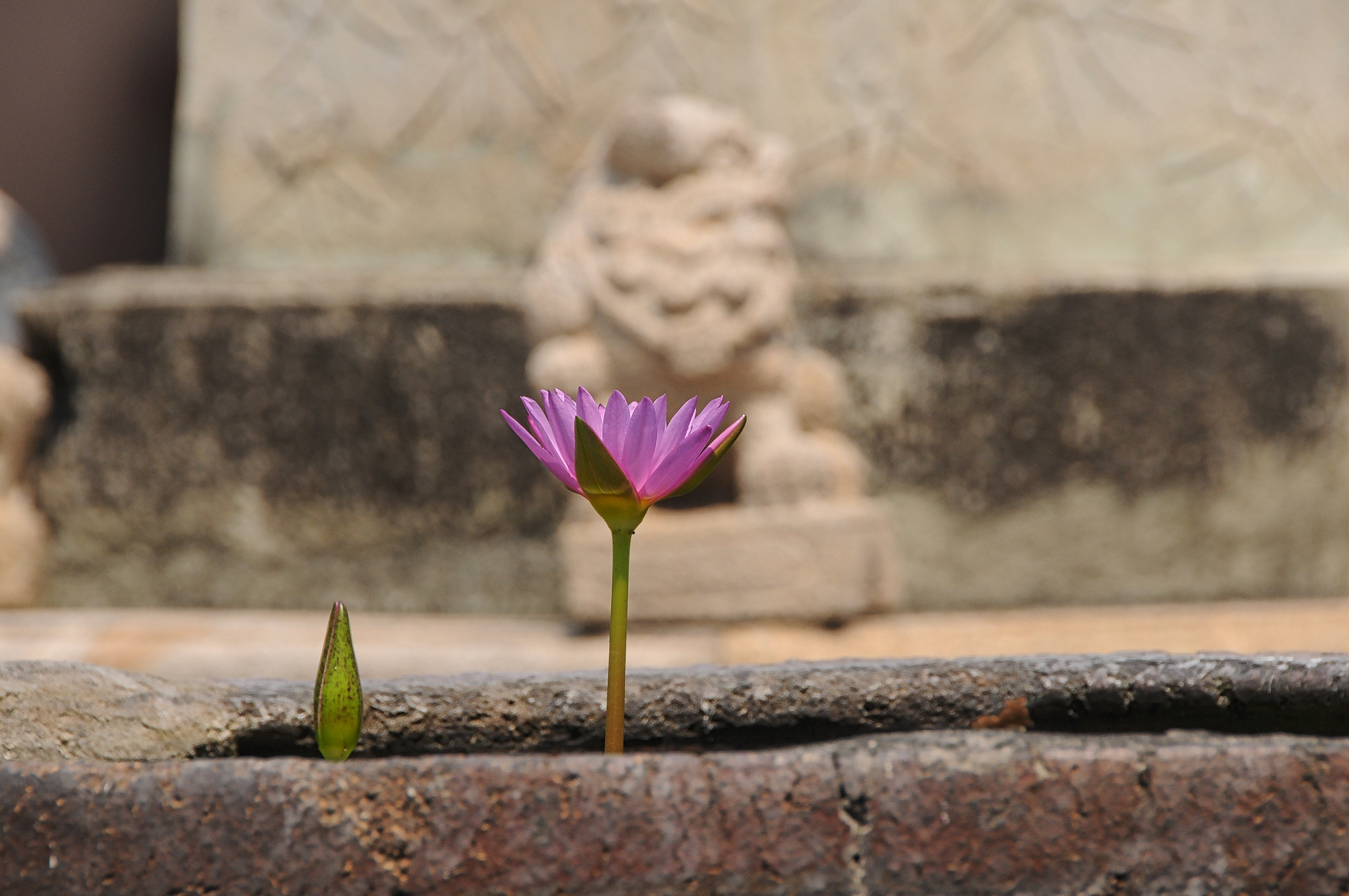
A single flower in the courtyard
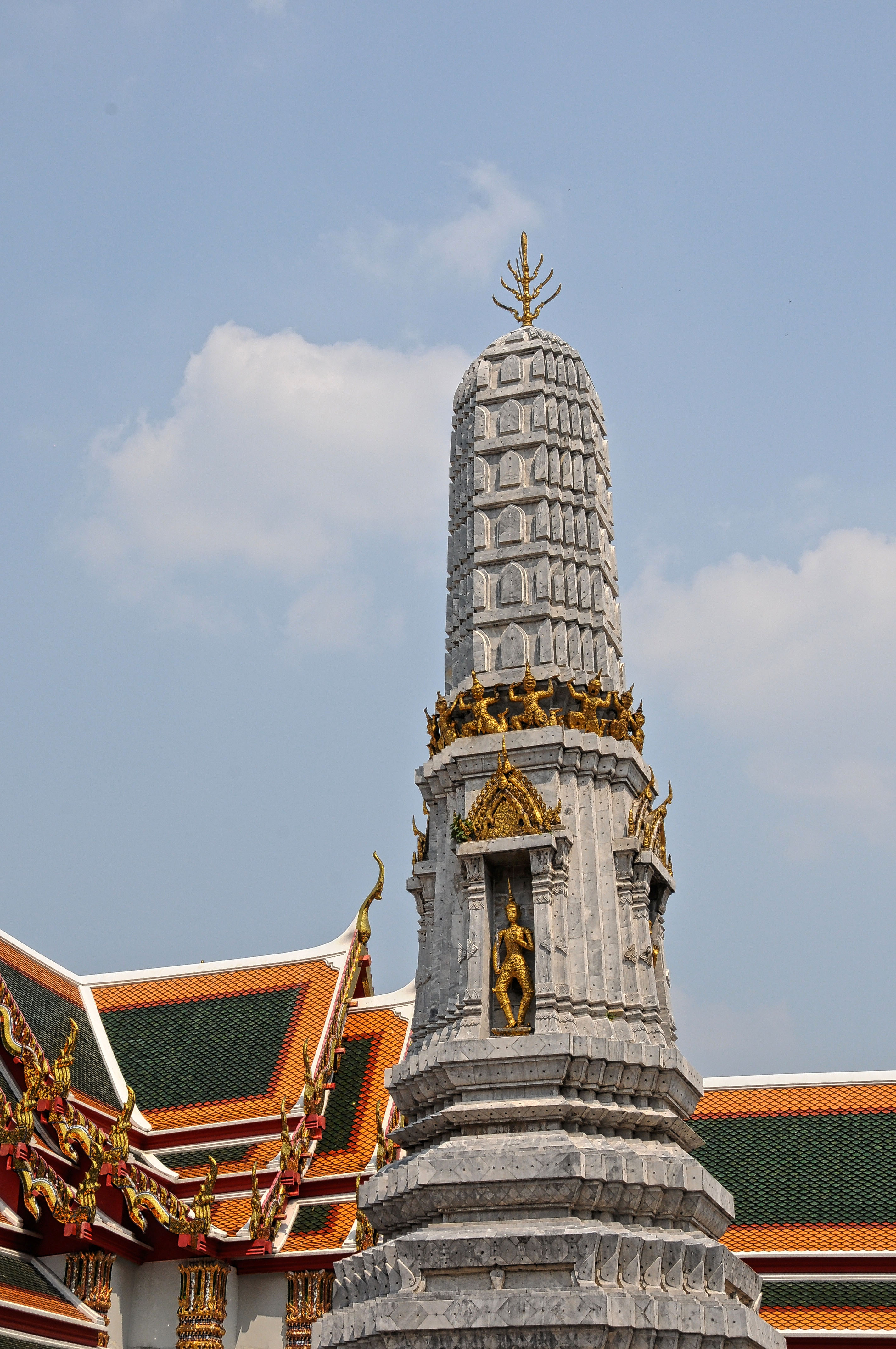
Prang ( shrine element of Buddihist architecture) in the inner courtyard
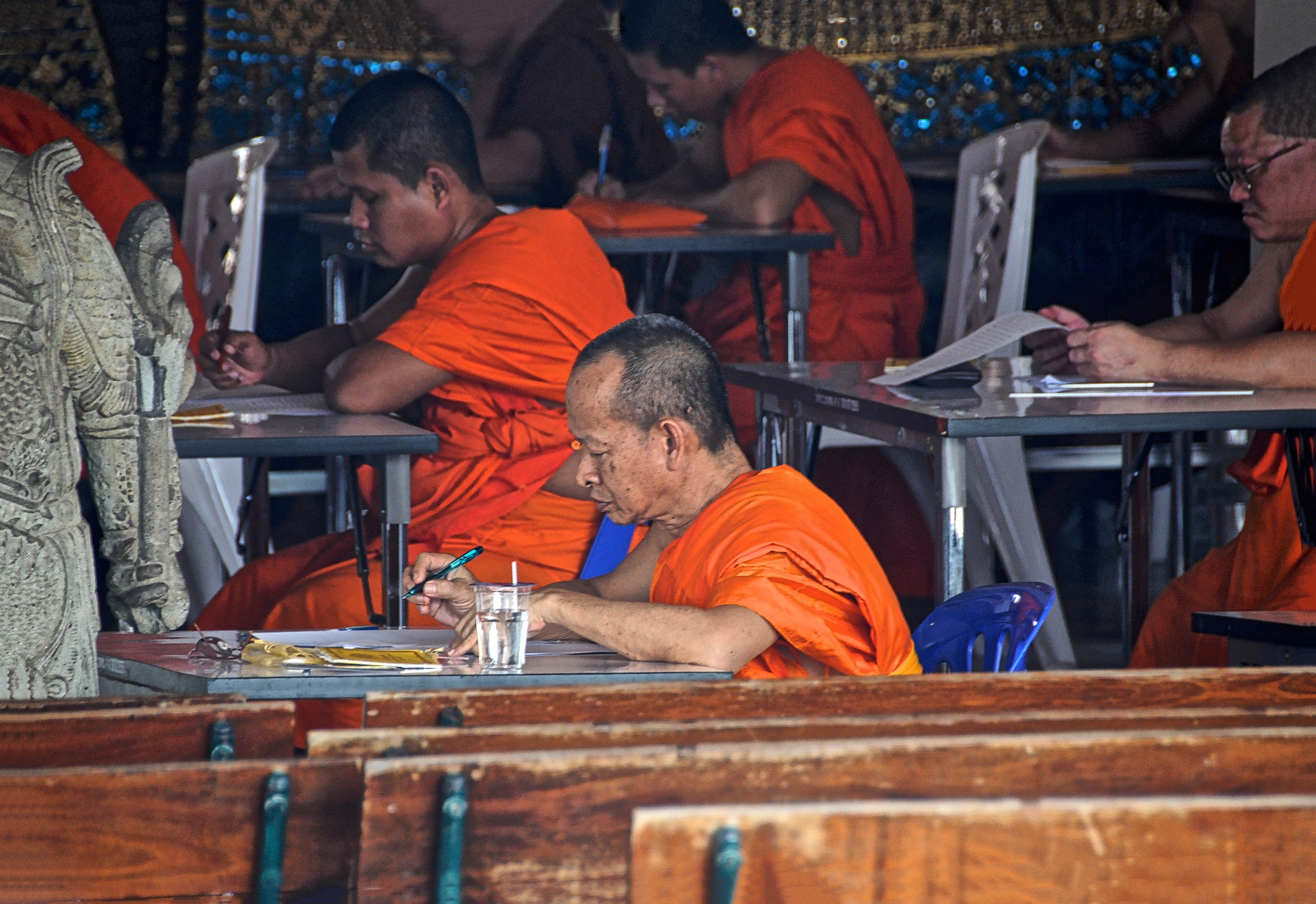
A monk concentrates on his studies
Bangkok (3) – Chao Phraya River and Thonburi Khlongs
Our private tour on a long tail boat started and ended at the Sathorn Pier. We headed north along the Chao Phraya River eventually turning west to the village of Thonburi. Here, you will see different housing from “modern” to “falling into the water”. This is just a small glimpse of how people in Thonburi live.
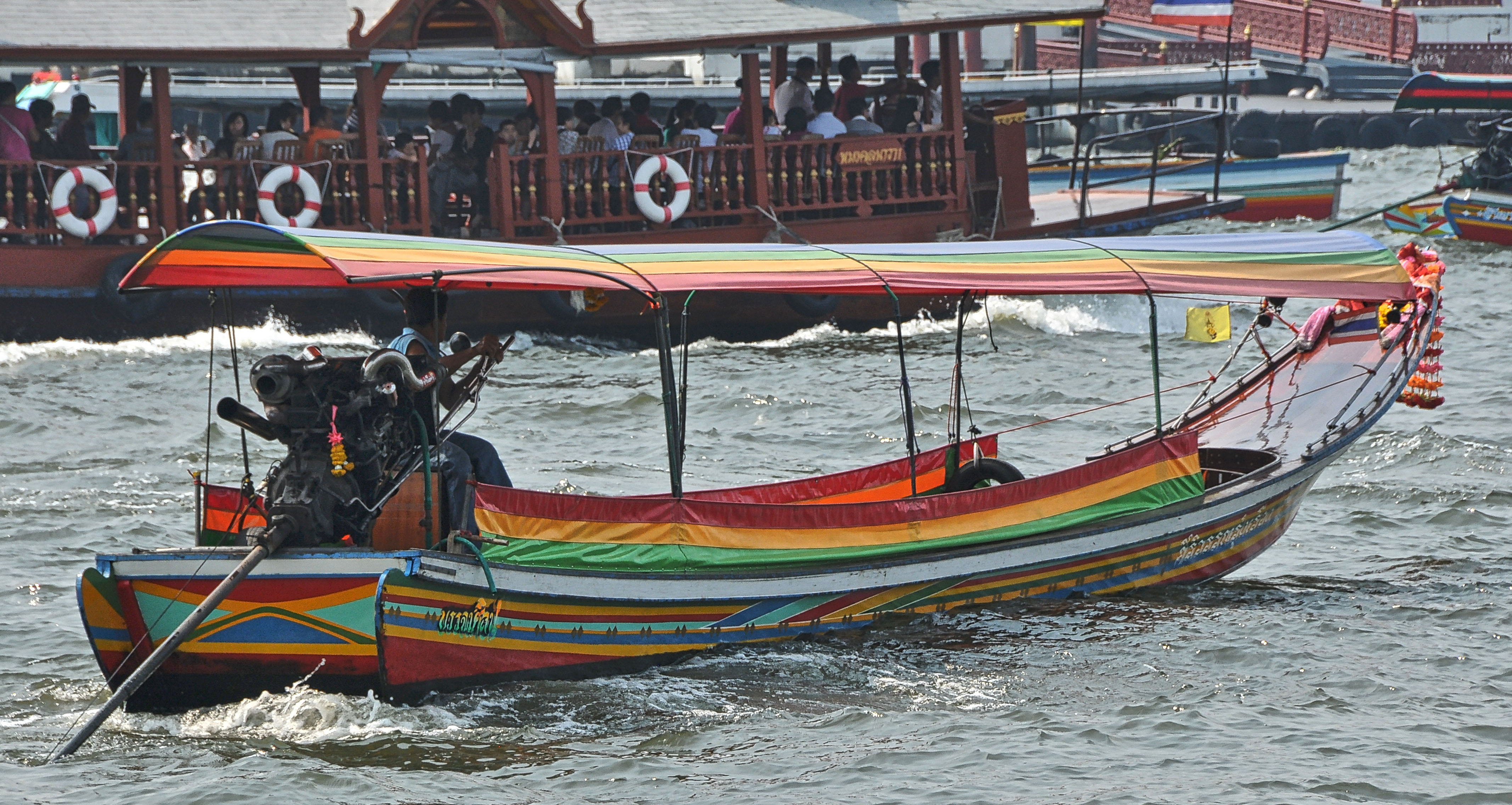
A long boat

Tour boat heading to the Grand Palace

Sathorn Pier

Wat Arun

Chee Chin Khor Moral Up-Lifting for Benefiction Foundation

Along the Chao Phraya River

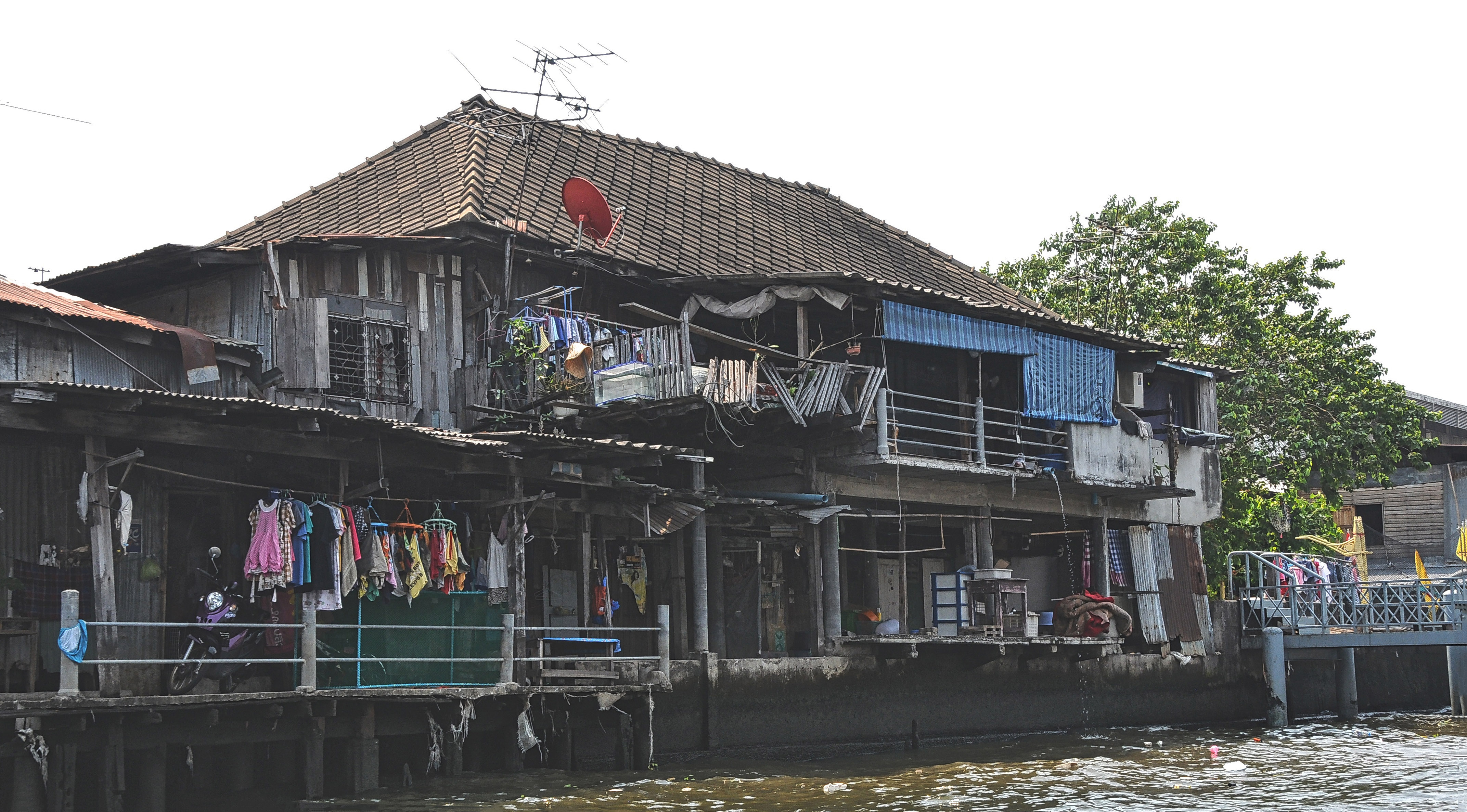
Along the Khlong in Thonburi

One of the modern residences
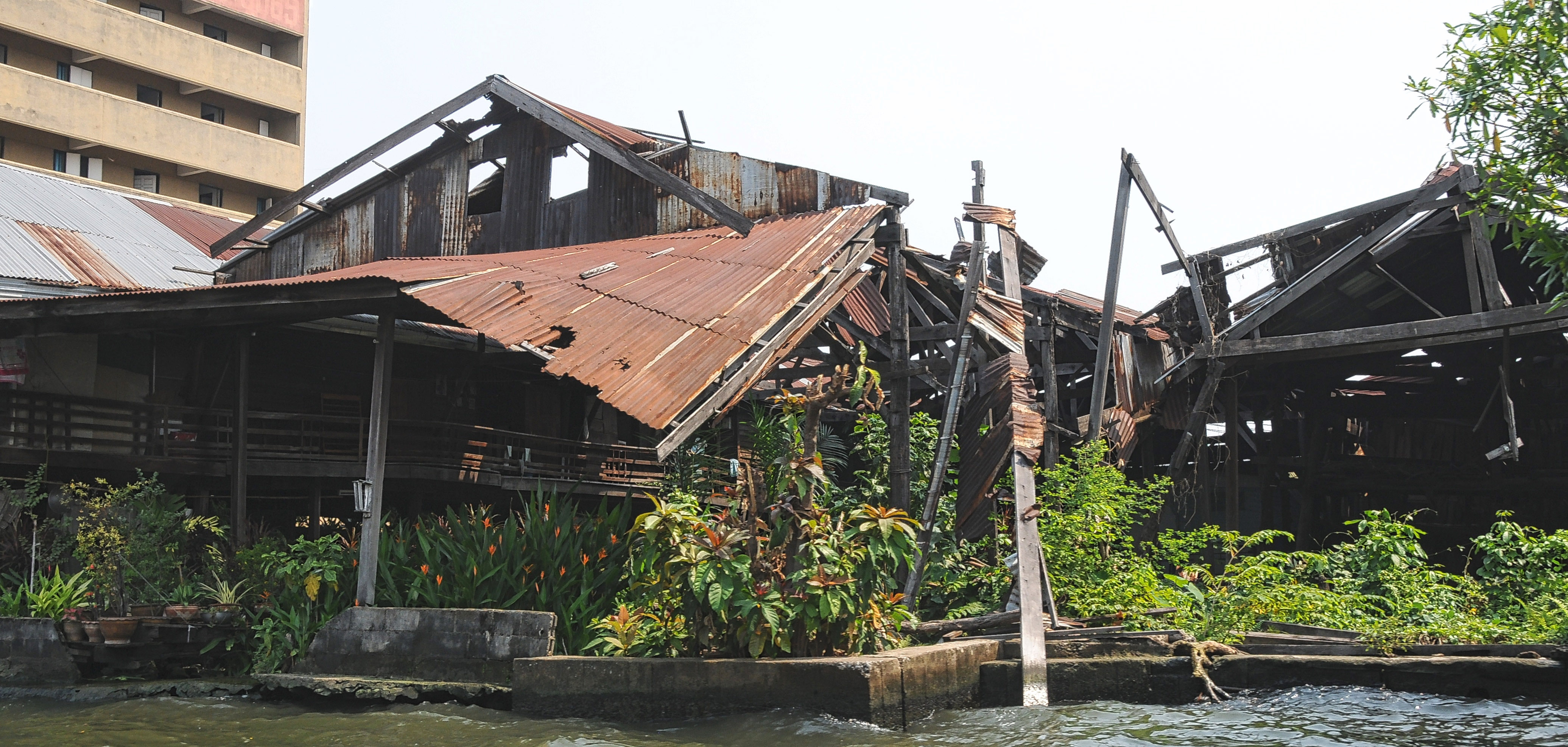
Next to the modern home, a residence destined to fall into the river

An apartment dwelling


Potted flowers cover a small deck

Pretty in pink

A small temple

Stop by for a cuppa coffee

Vendors will stop at your boat with refreshments and souvenirs

A older home got a facelift

Heading back to the pier
 Fai Quan