Fai Quan
formerly known as "Prosaic Traveller"
Barcelona, Spain (4) – Castell de Montjuic
When we stopped to take a look at our surroundings from the Ferry Terminal, we saw a hill in the distance and as per usual, we make it our mission to conquer it. Unfortunately there was a lack of street signage so we relied our phone map to find our way. Equivalent to about 50 floors, we weaved our way to the top and discover an interesting historical site. Not a castle, as the title states, this a military fortress that dates back to the 1600s.
We could have taken the gondola but we always find that part of the fun in reaching a destination, is how you get there.

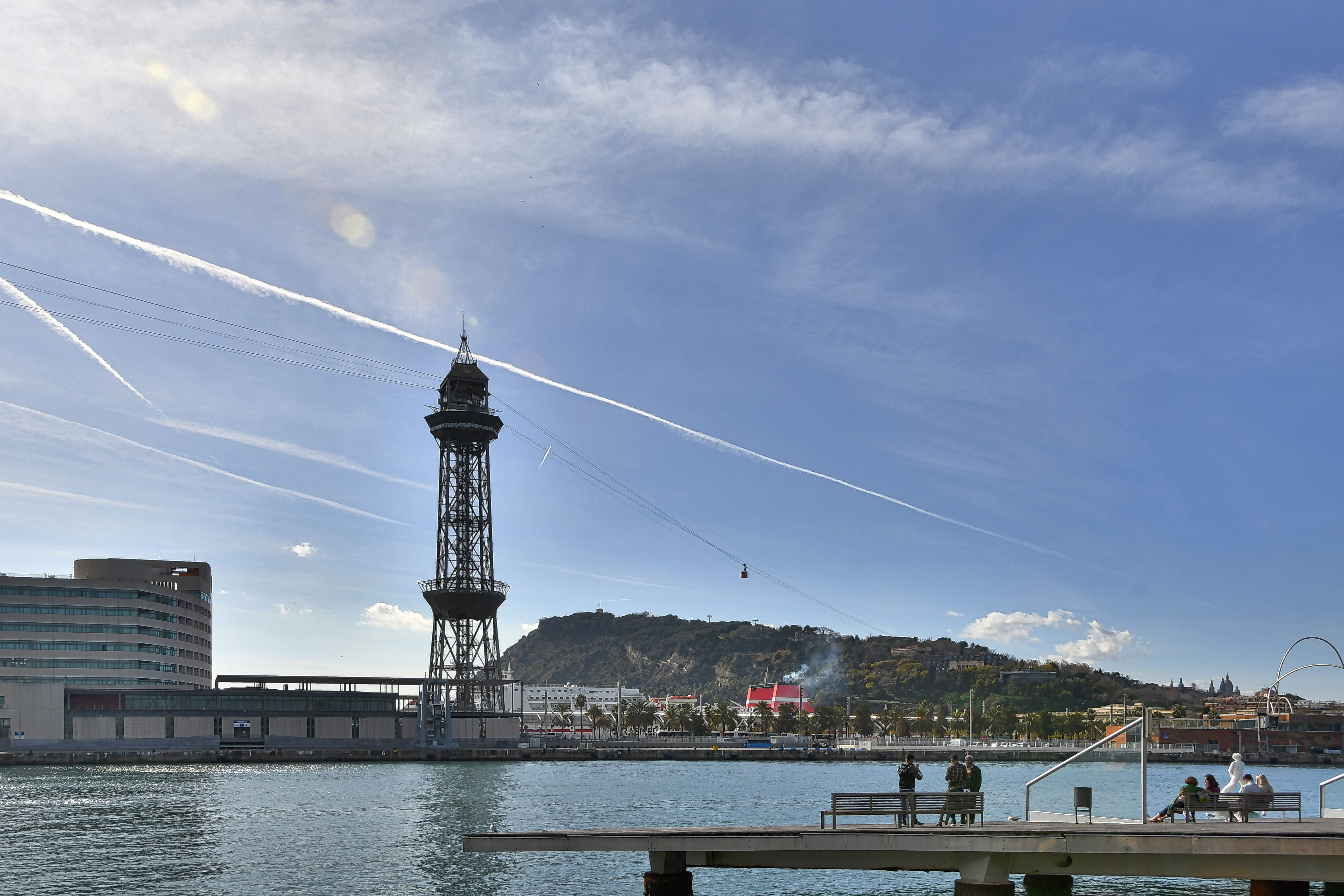
From the ferry terminal, we see the hill
External Surroundings and Gardens


Sea-Facing Wall


Interior of the Fortress


The Terrace and Watchtower


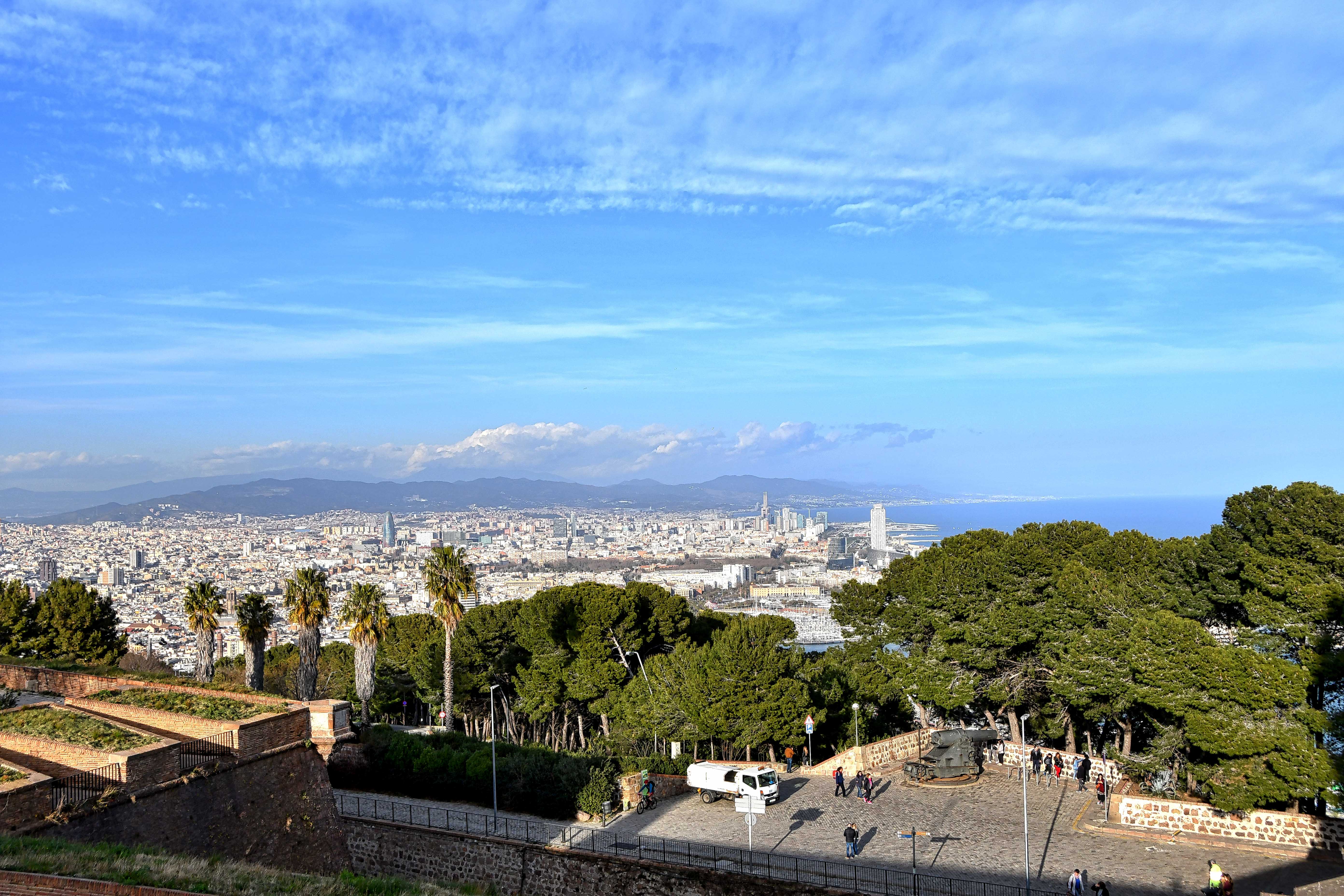
From the hill, we see the Ferry Terminal that started this whole thing
Barcelona, Spain (3) – Las Ramblas
We start our 1.2 km walk down Las Ramblas at the northern point of Placa de Catalunya and end at Mirador de Colom at the southern point. I’m assuming that being February, there wasn’t much happening along this supposedly famous boulevard. Crowds and crowds of people was the only thing we experienced. Maybe my expectations were too high. However, I did enjoy watching the children with the pigeons.
Placa de Catalunya


Some sights along the way


Vendors


Mirador de Colom and Museu Maritim de Barcelona


Barcelona, Spain (2) – Parc Guell
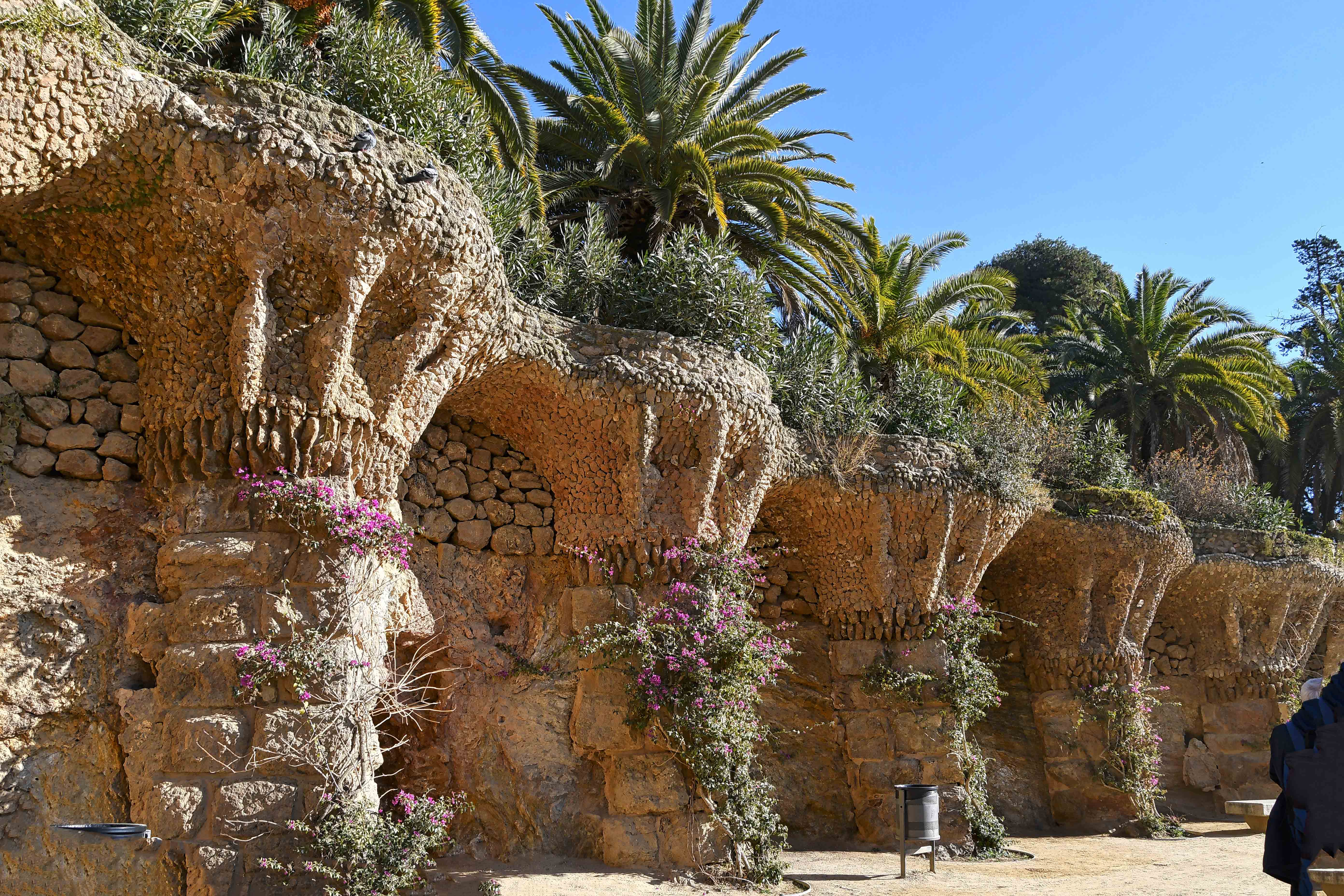
Carrying on the Gaudi architecture, we visit Parc Guell. After a slow climb up Carmel Hill, we find the public park in the residential neighborhood of La Salut. It wasn’t until after we departed the park, we discovered an outdoor escalator that would have saved us from climbing the equivalent of 40 stories.
We found the park interesting with unusual landscaping. However, we shouldn’t have been surprised with Gaudi. As per our usual style, we opted to stay outside the pay area to avoid the crowds.
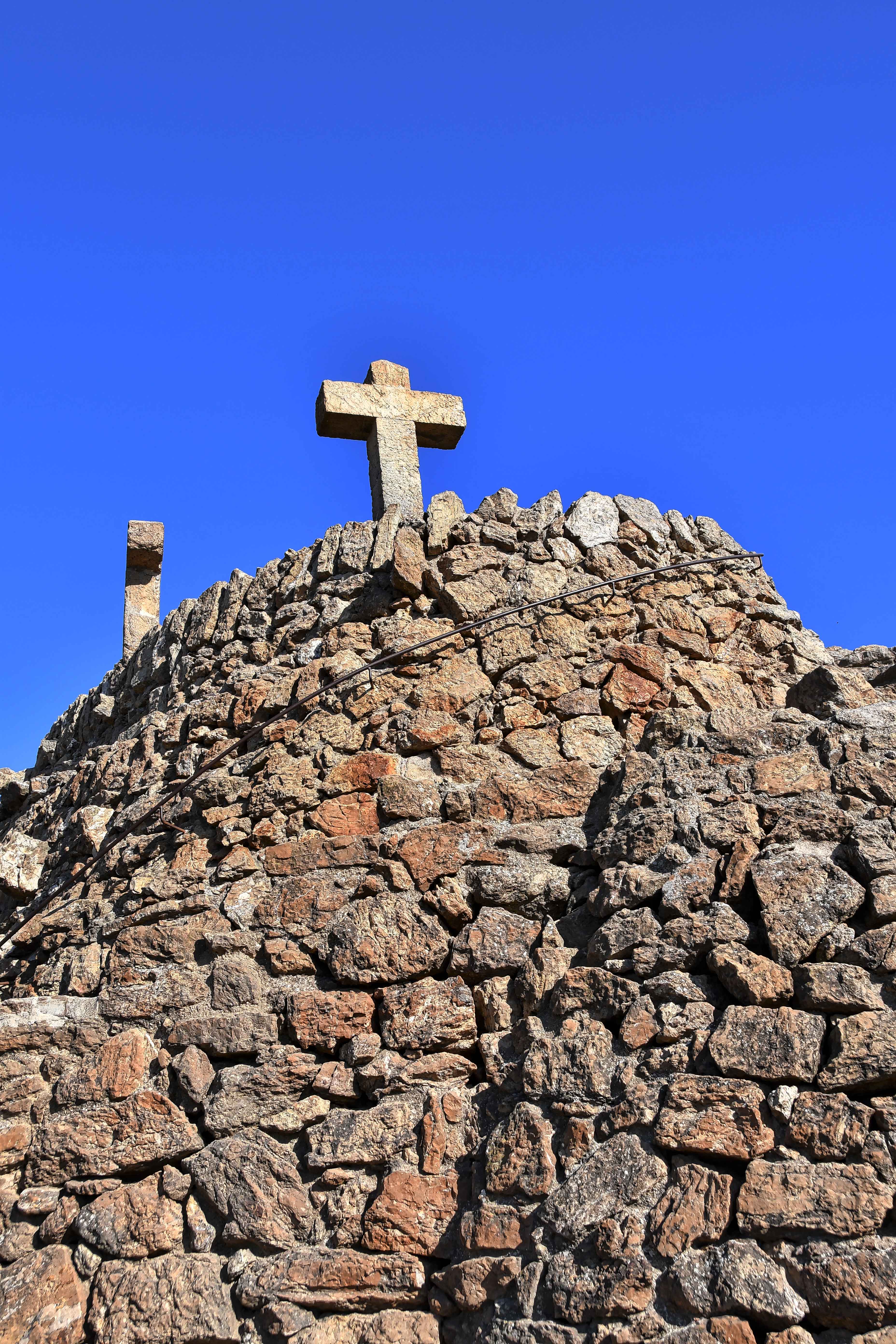
Turo de les Tres Creuse – located just south edge of the park. It is the highest point of the park. Due to the discovery of prehistoric remains, Gaudi built a monument instead of a planned chapel.


Some areas were under renovations which gave us limited access

The avoided pay area. Everyone jostling for a view.

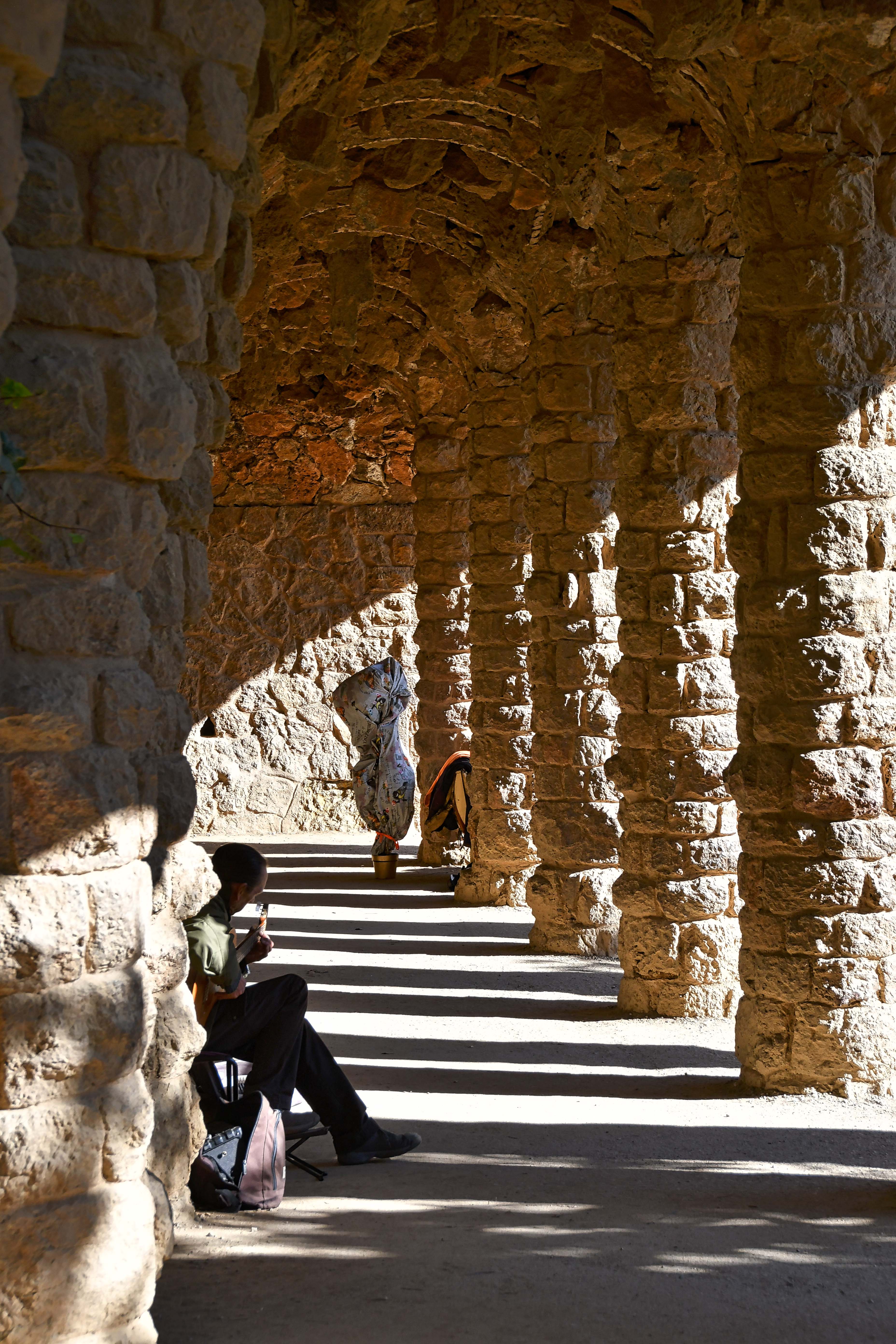
Background music during the visit

More background music


Gaudi House Museum

Casa Marti Trias
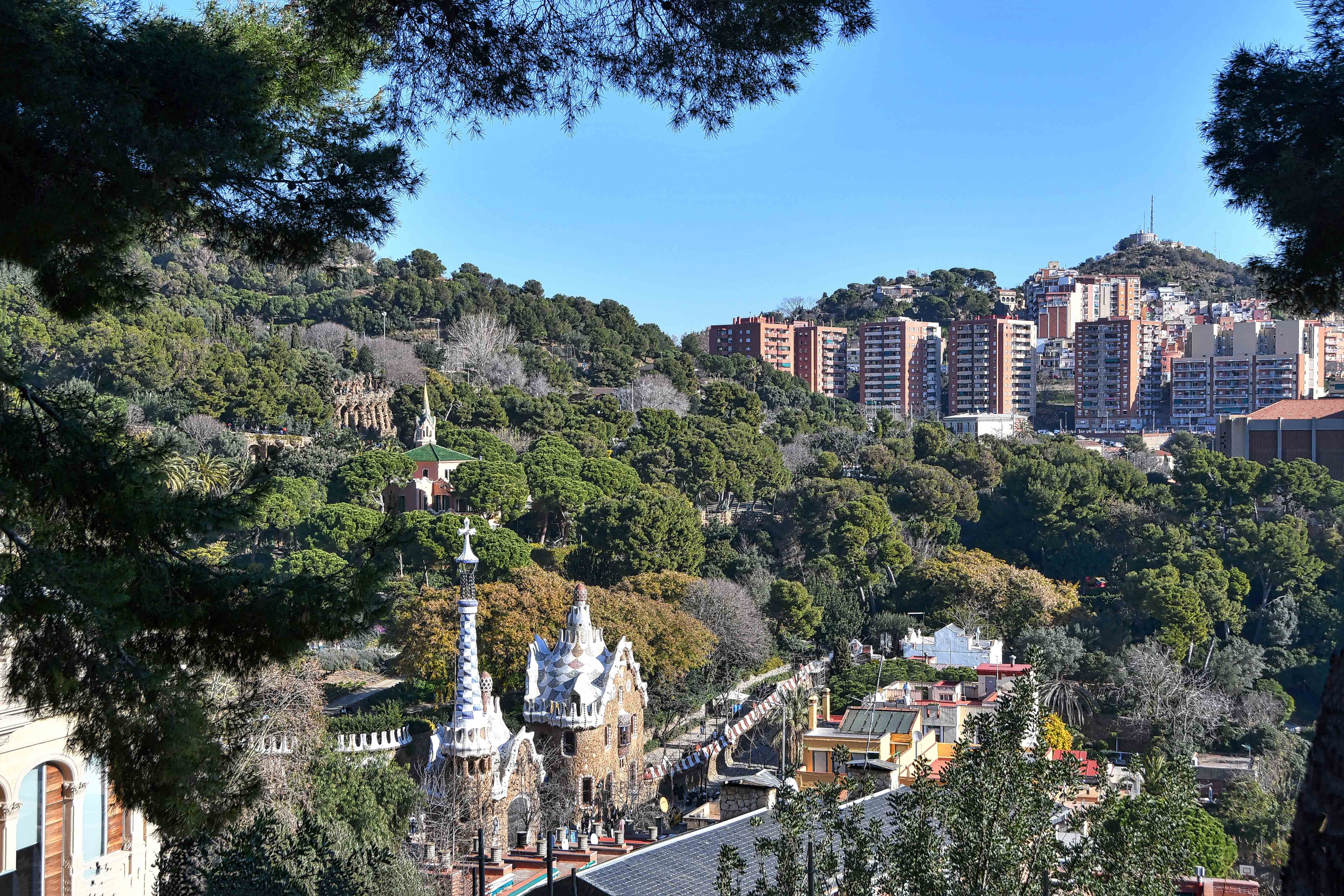
The view from a residential area
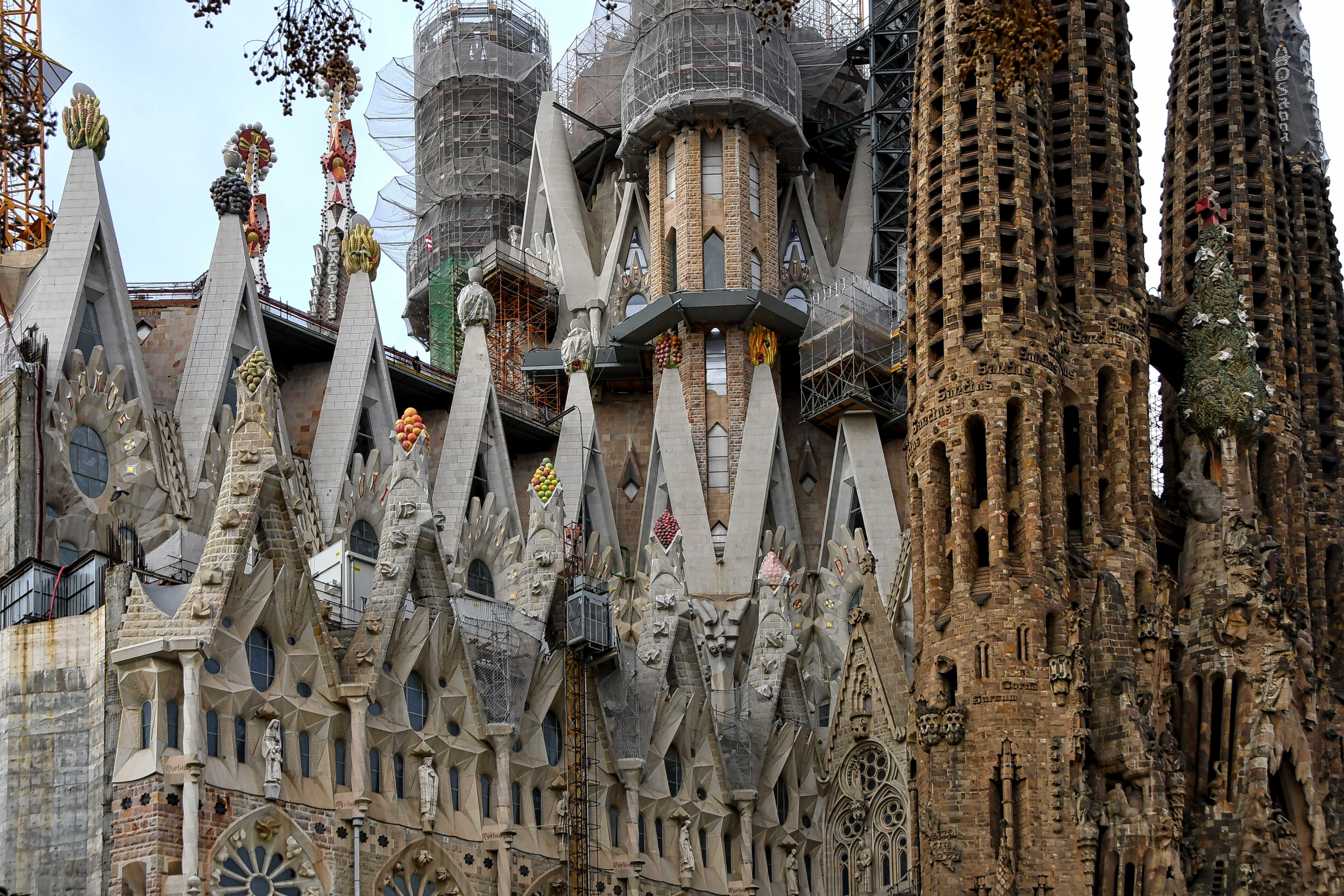
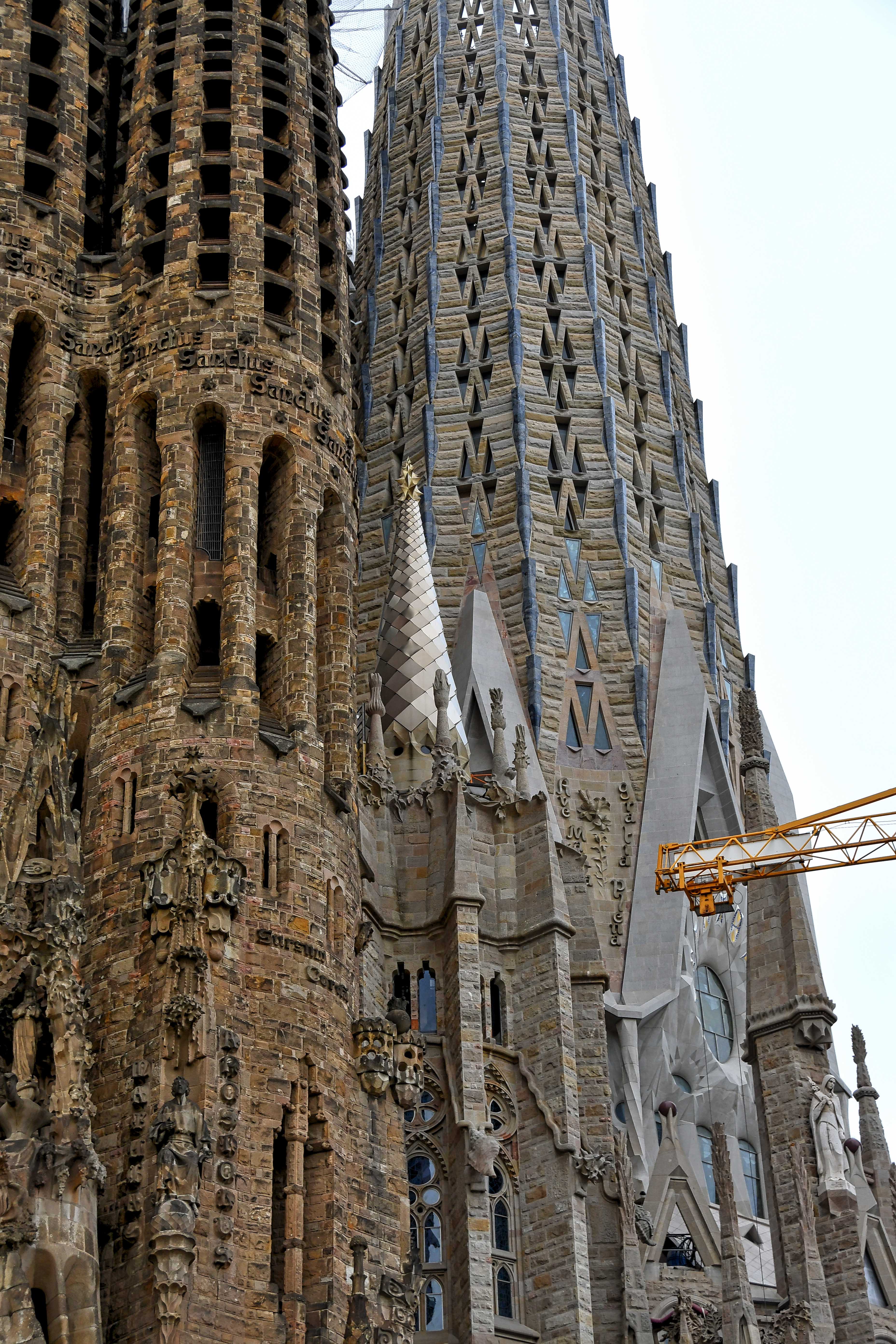
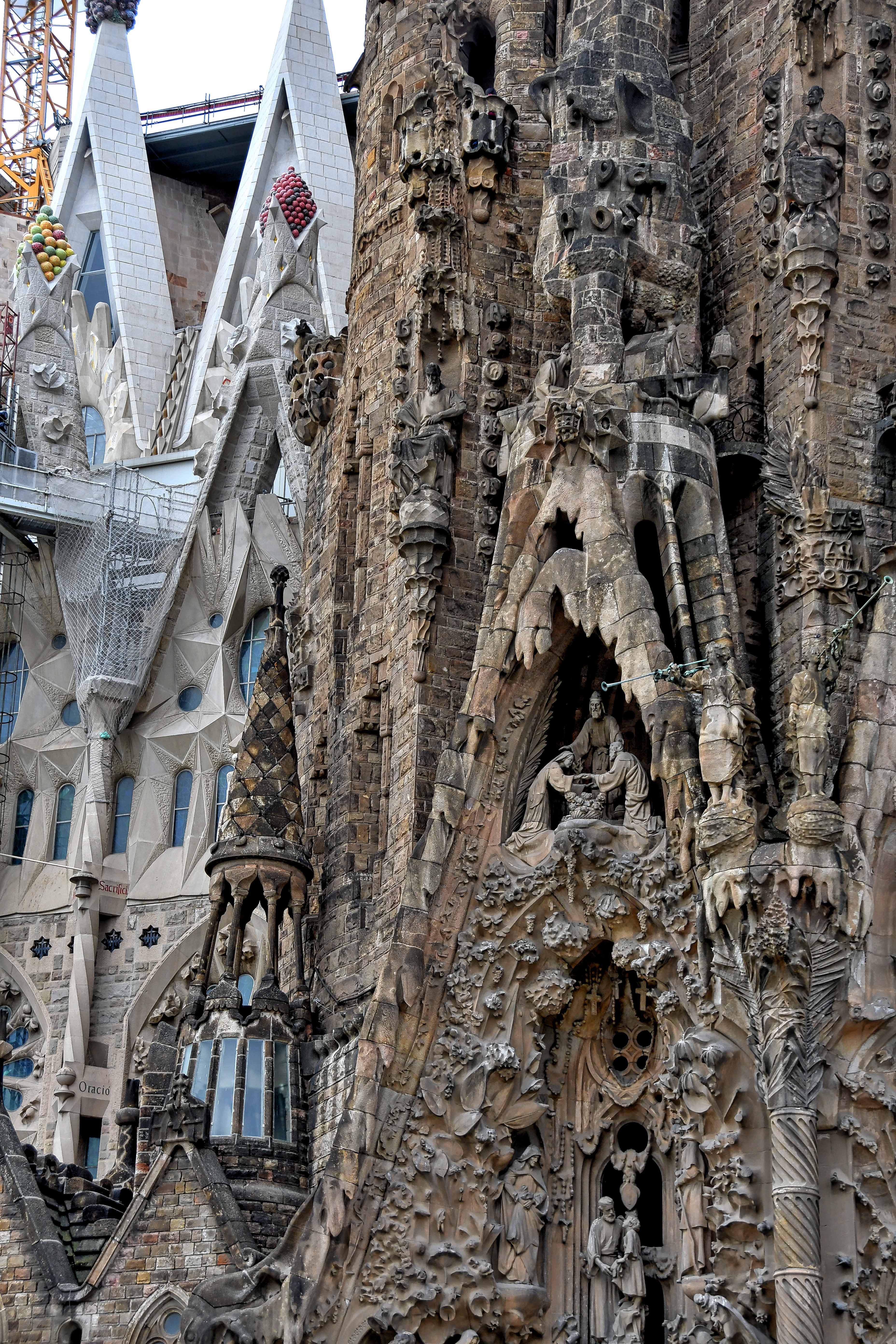
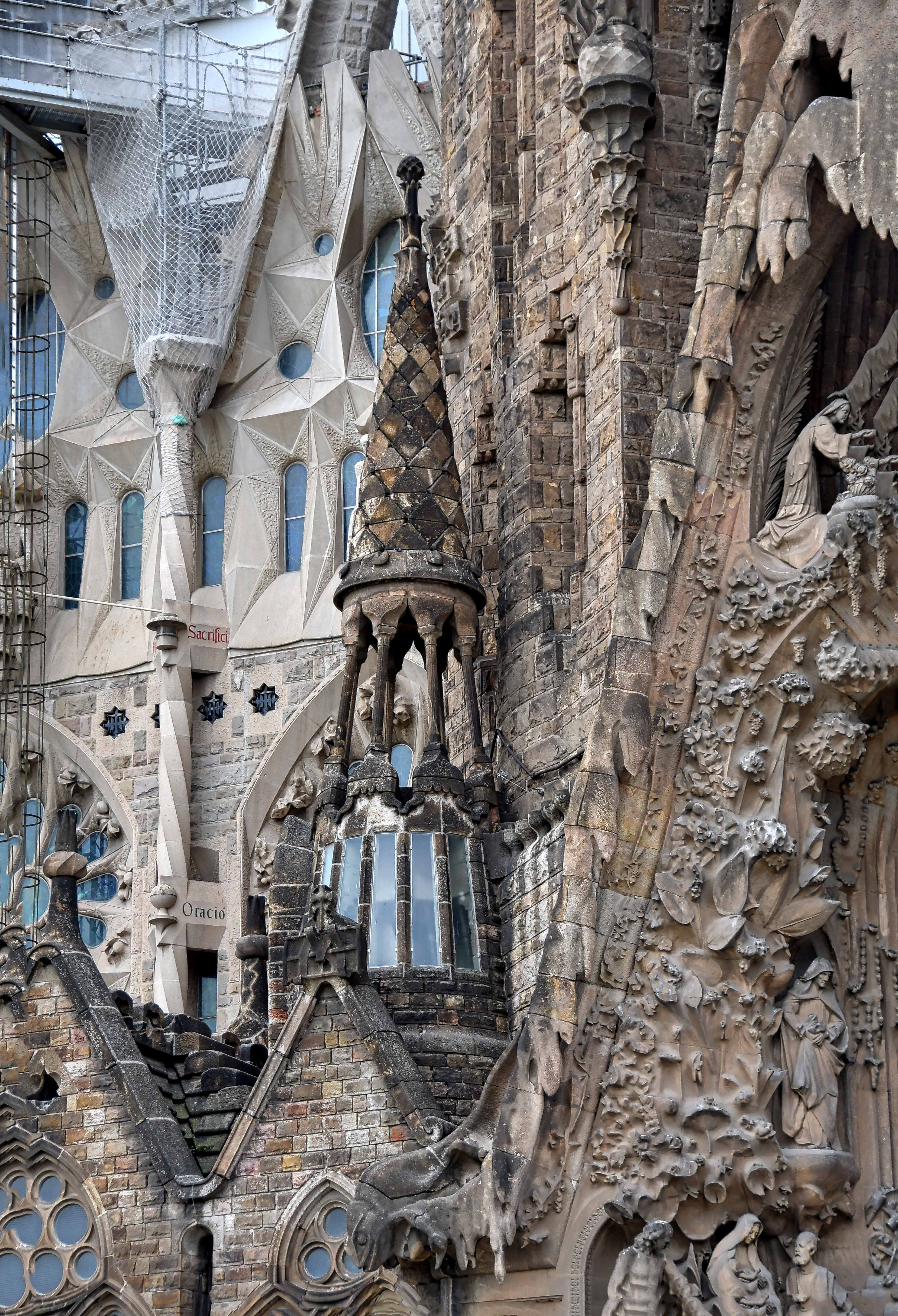
Barcelona, Spain (1) – La Sagrada Familia
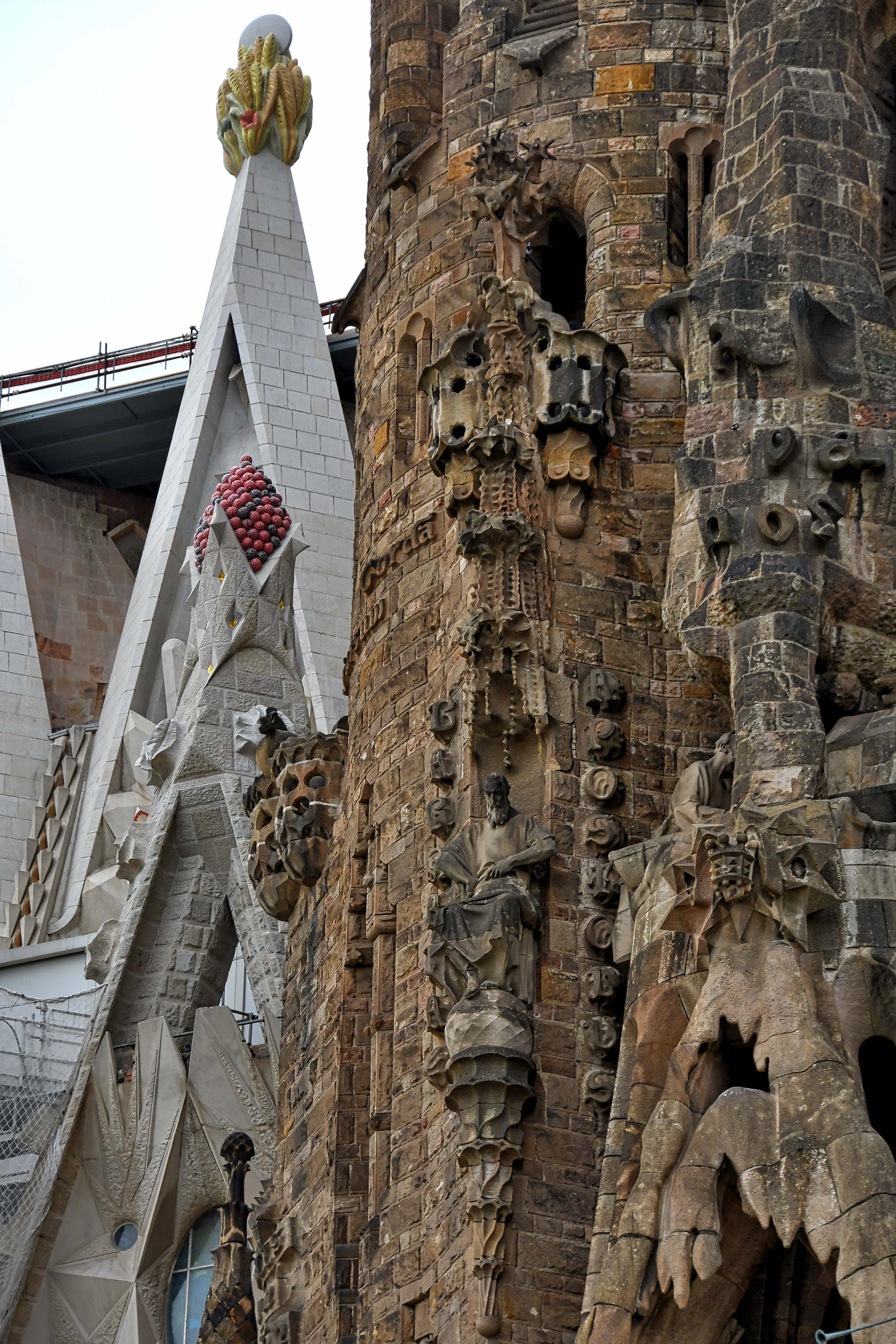
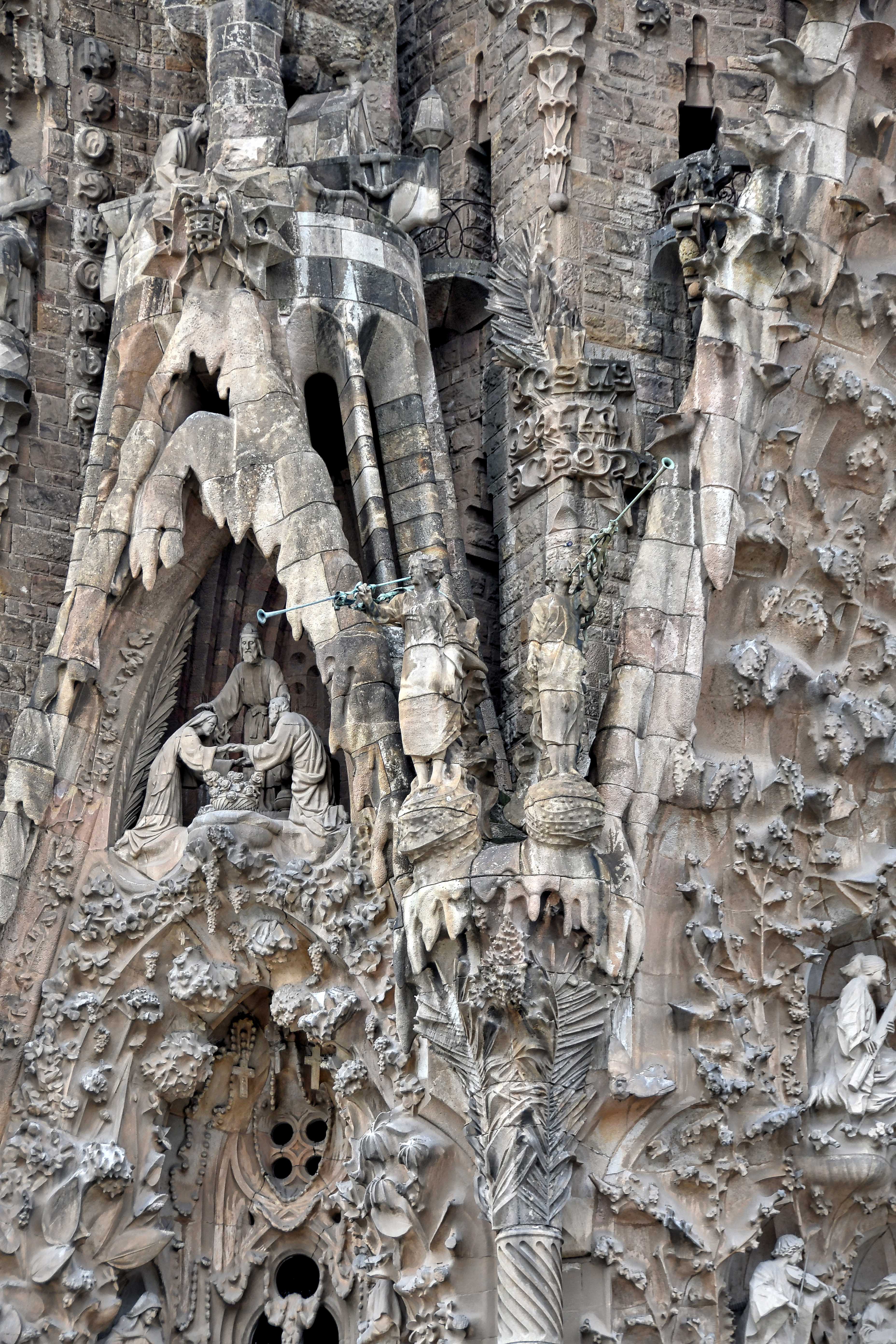
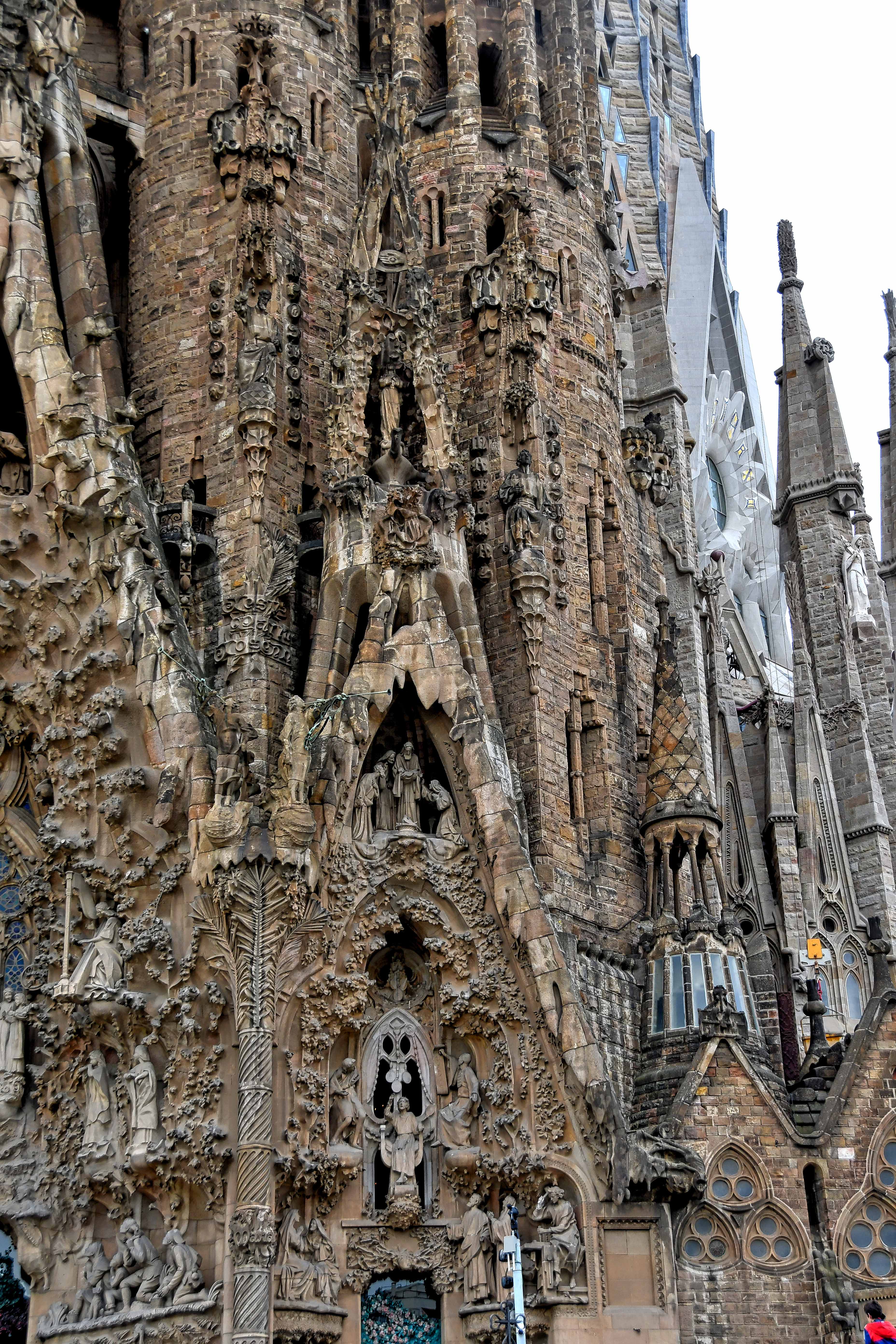
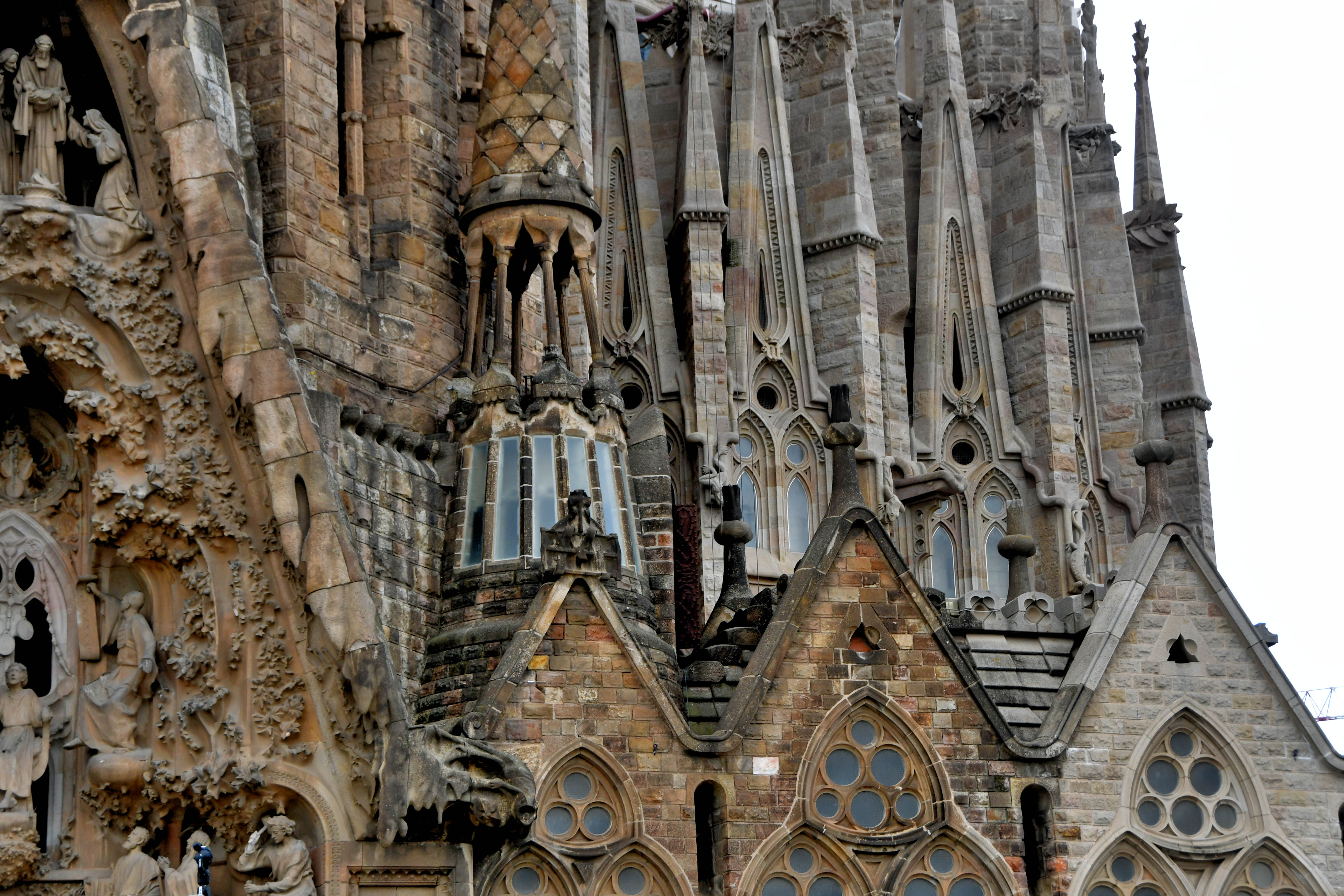
Either you hate it or you love it. I’m stuck in the middle…I can’t say I hate it but I can’t say I love it.
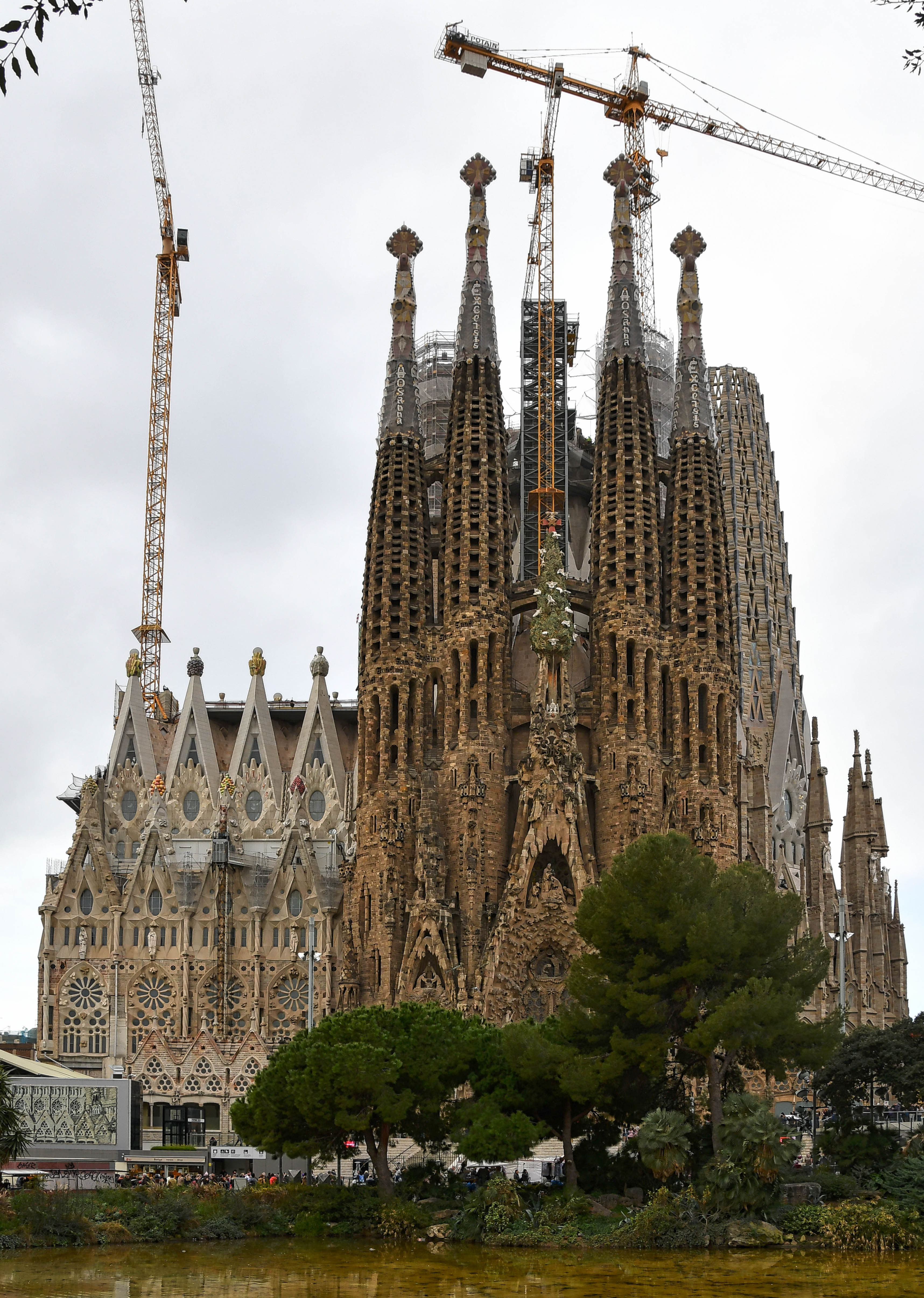
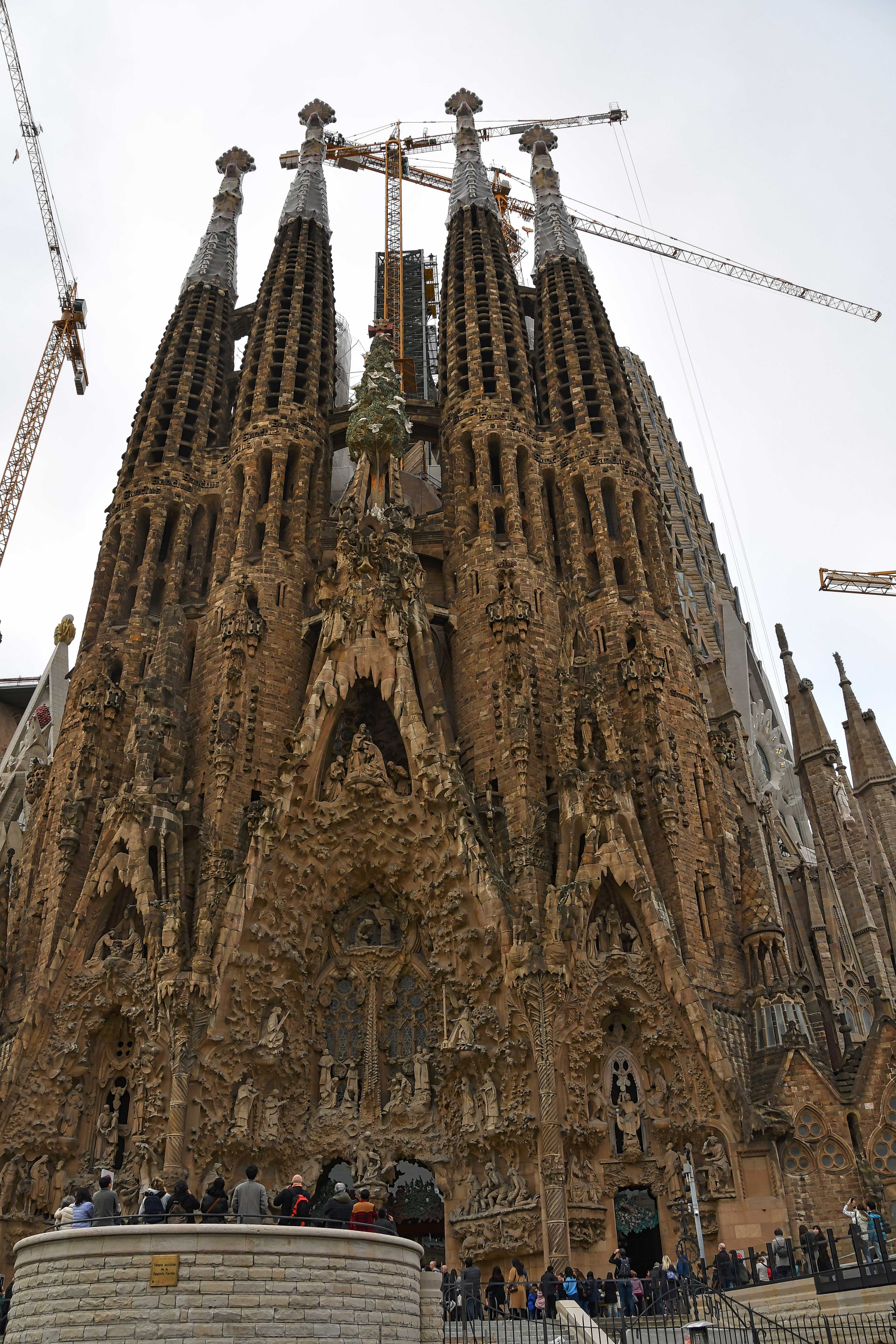
So many detailed creations, it would take all day to see it all. Hopefully, I captured enough photos to appreciate the workmanship. I recommend to take the time to look at each photo to see all the detail. It wasn’t until I started sorting through the pictures before I realized how intricate it was.
Construction started in 1882 and anticipate the completion by 2026, 100 years after the architect’s death. Gaudi’s architectural plans, which were partially destroyed in the Spanish Civil War, are being redrawn, using today’s technology.
With the long line-up to get in, we decided to stay external.






Alicante, Spain (4) – From the Beach to the Station
As we make our way back to the train station from the beach, I captured a few photos of how lovely this place is.

Eateries on the edge of the beach
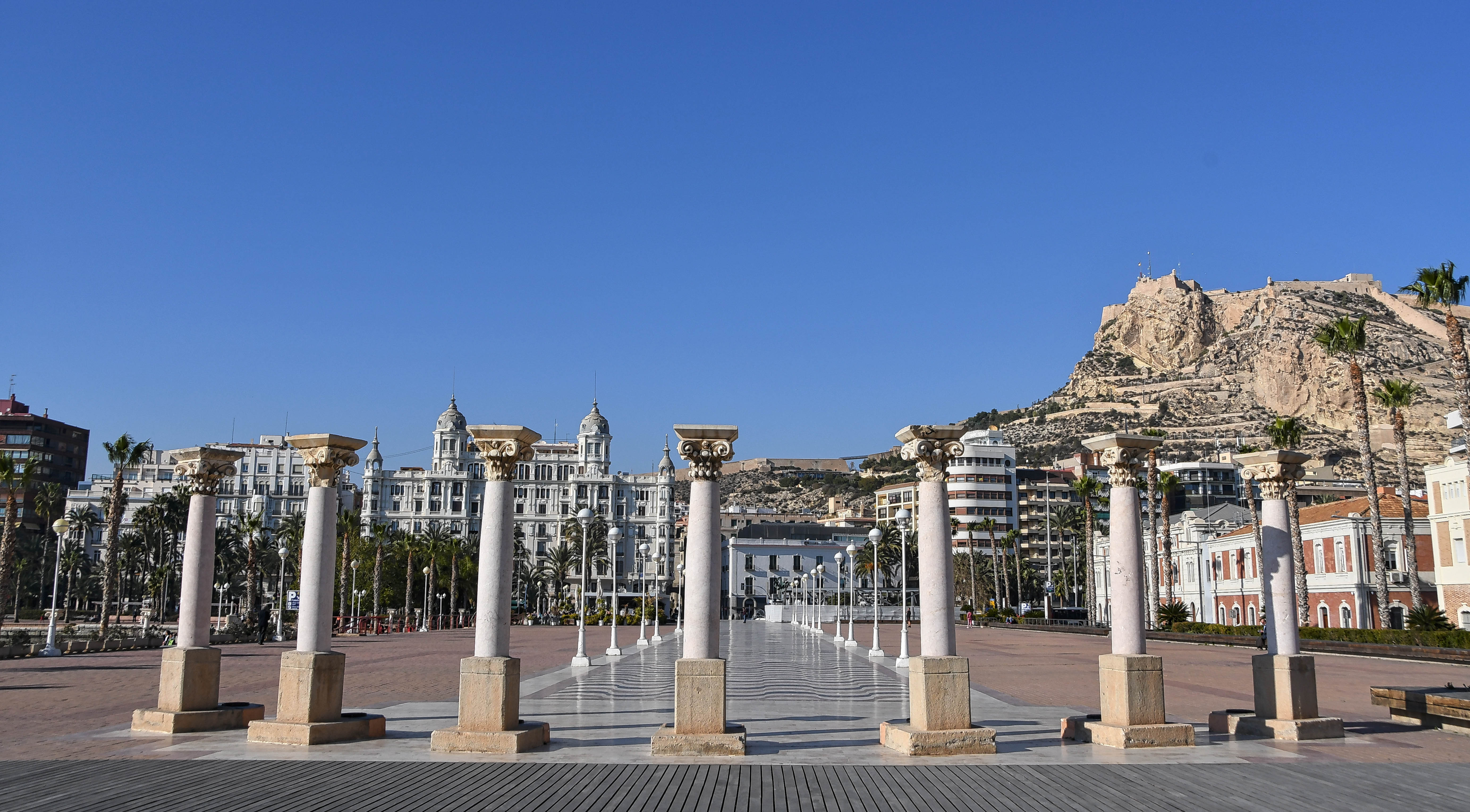
A large plaza outside of the Casino. Casa Carbonell in the background left (a historical residential landmark). We make our way to the end of the plaza where we find Explandada de Espana.

Explandada de Espana, a large walkway along the Mediterranean

The curved tiles on the Explanada gives an illusion that you are not walking on a flat surface

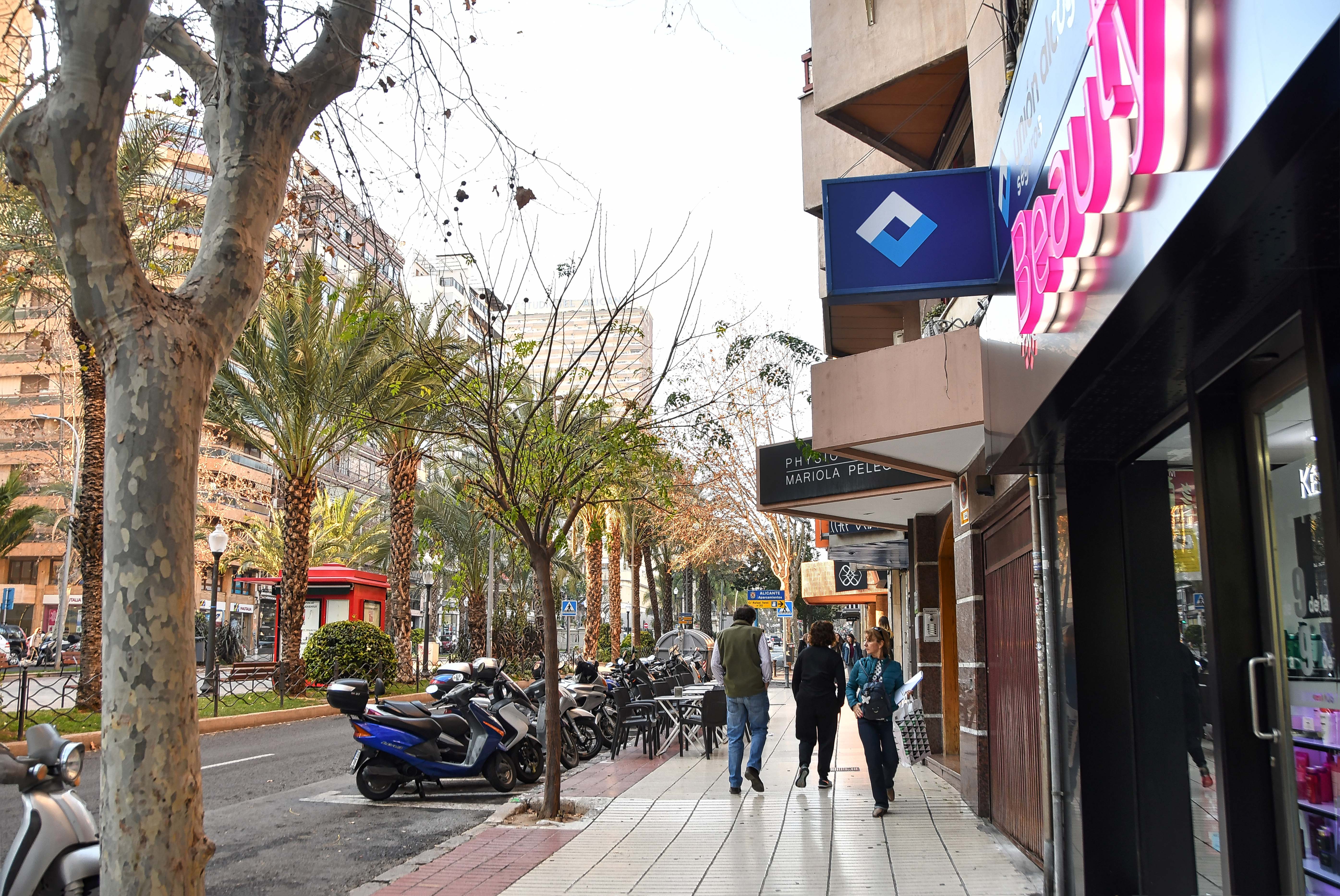
Moving away from the coastline we come across Av. Federico Soto, a pedestrian boulevard that runs North/South from the beach to the inner city
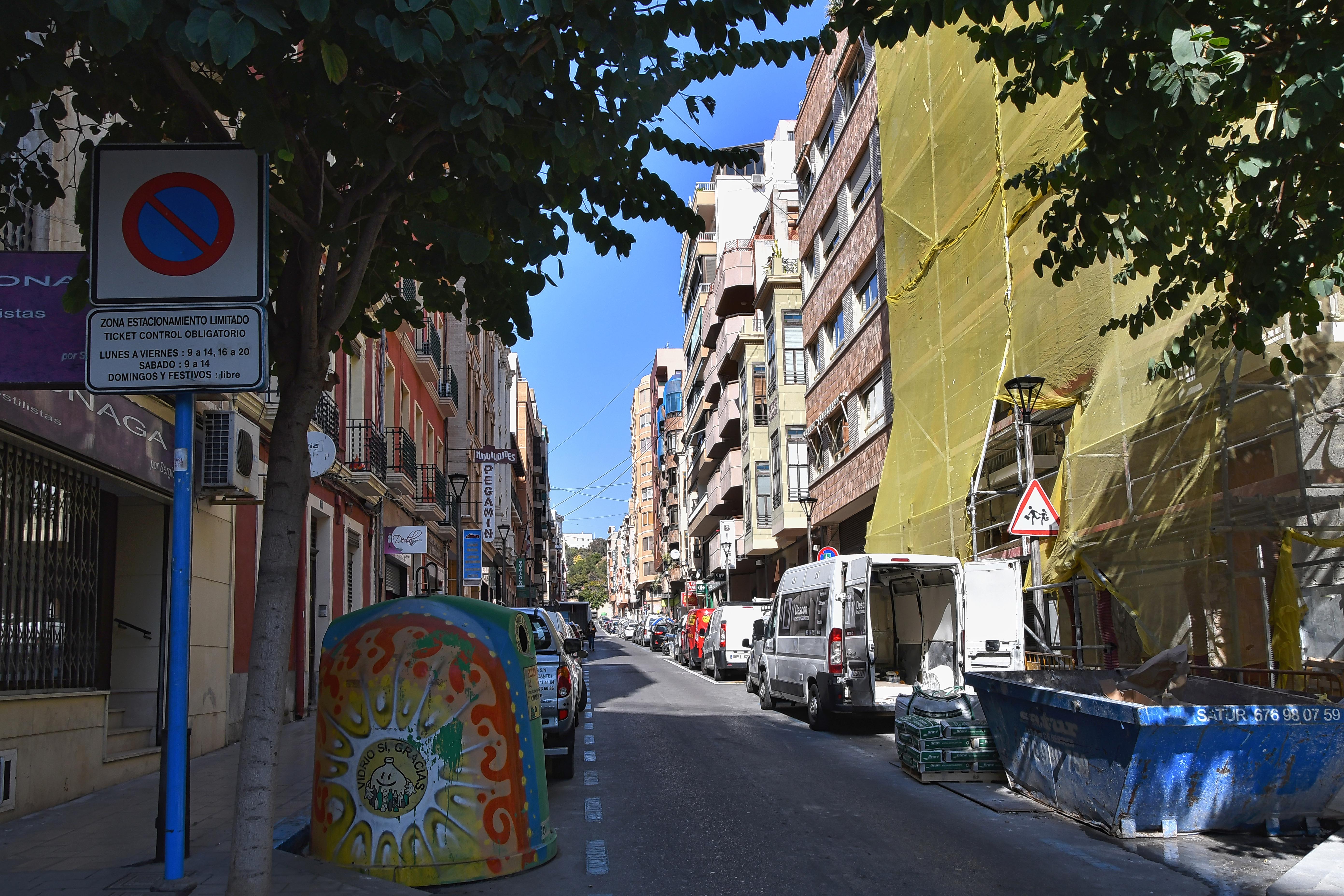
Even the garbage containers are pretty
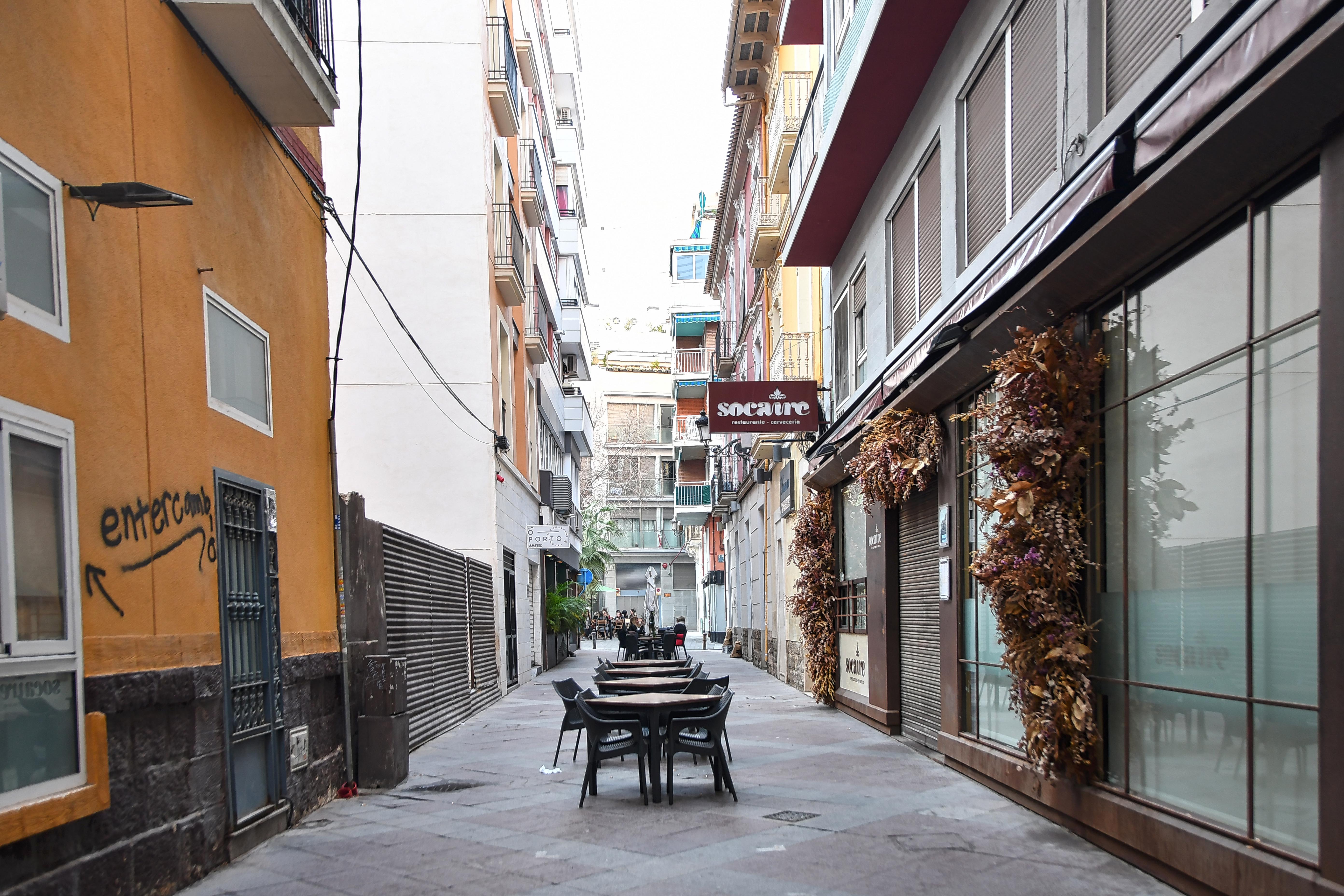

Alicante, Spain (2) – Castillo de Santa Barbara
The Castillo de Santa Barbara is located on Mount Benacantil beside the Mediterranean Sea. The walk through the remains of this huge castle area was quite surreal. Well maintained to keep that historic feel, we see things that existed back in the Bronze Age. It was very thought provoking.
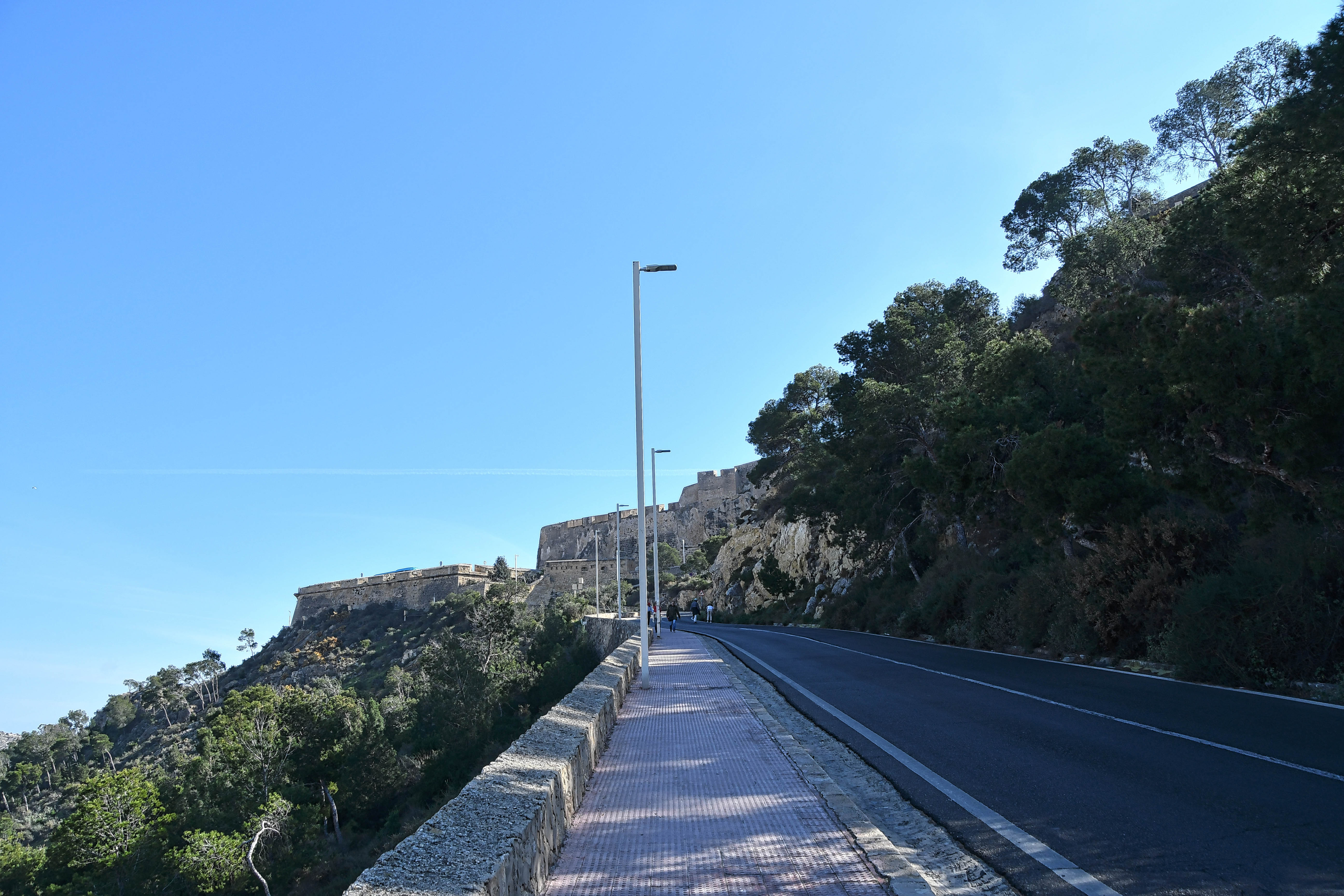
The slow climb up
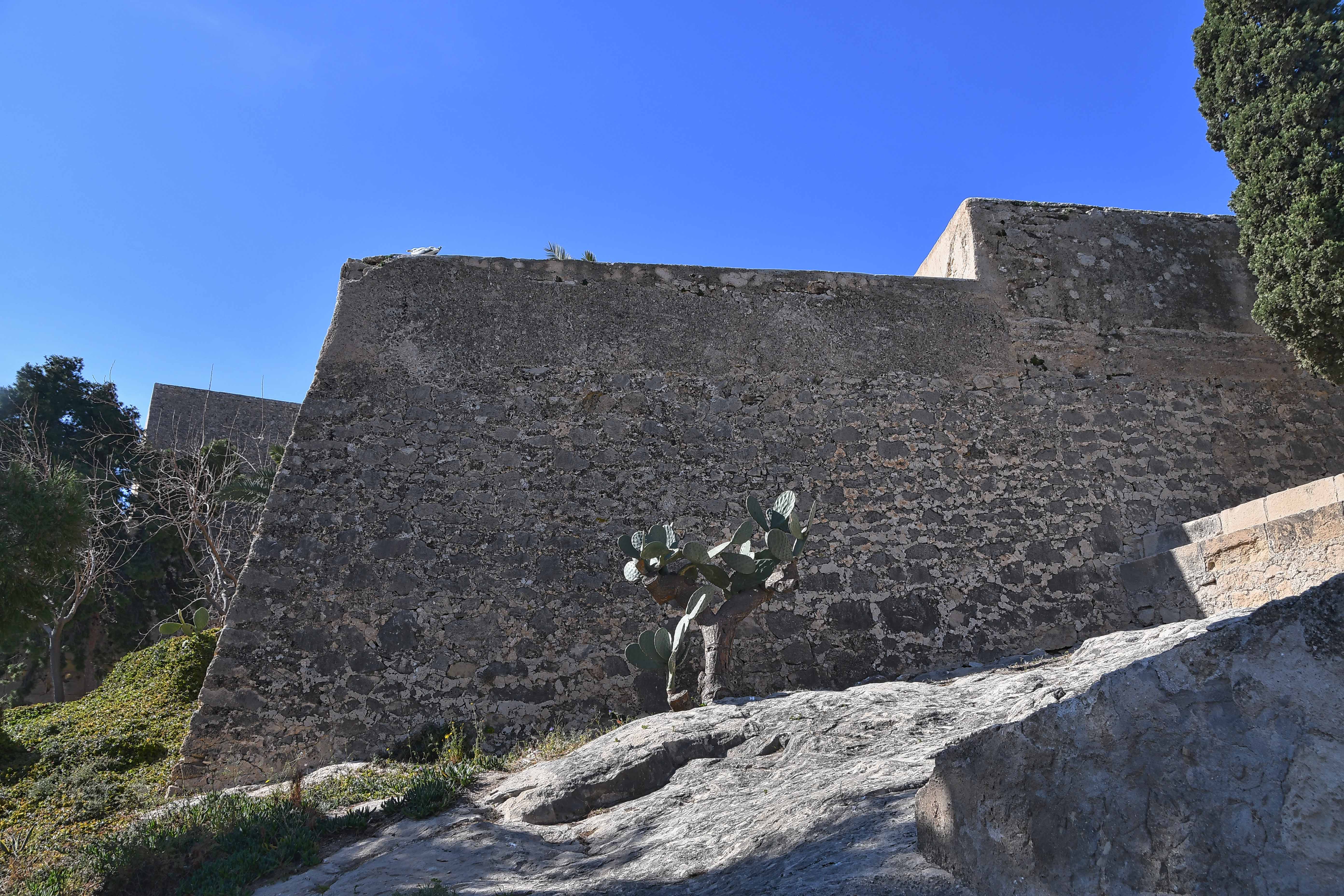
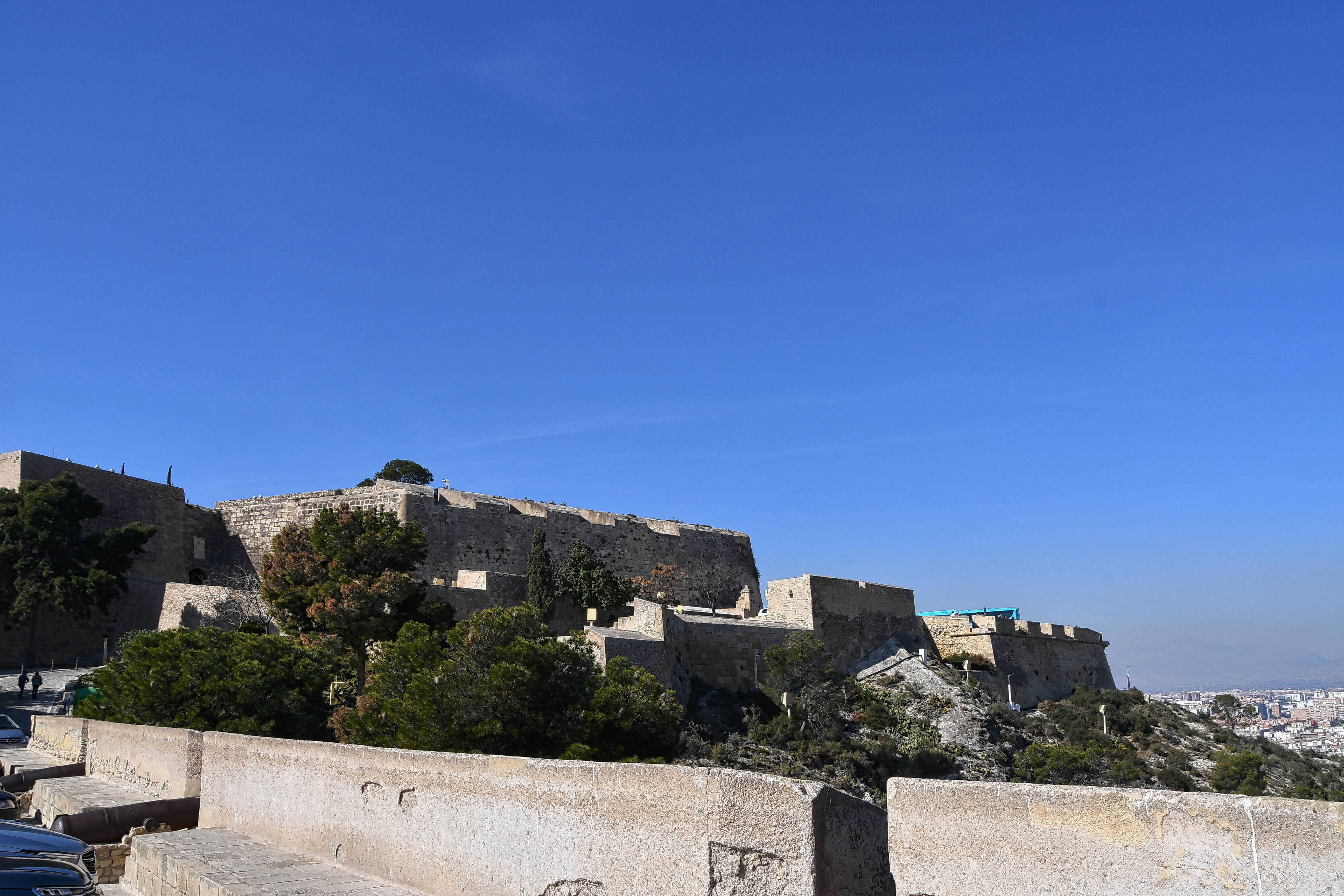

Ruinas de la Ermita de Santa Barbara
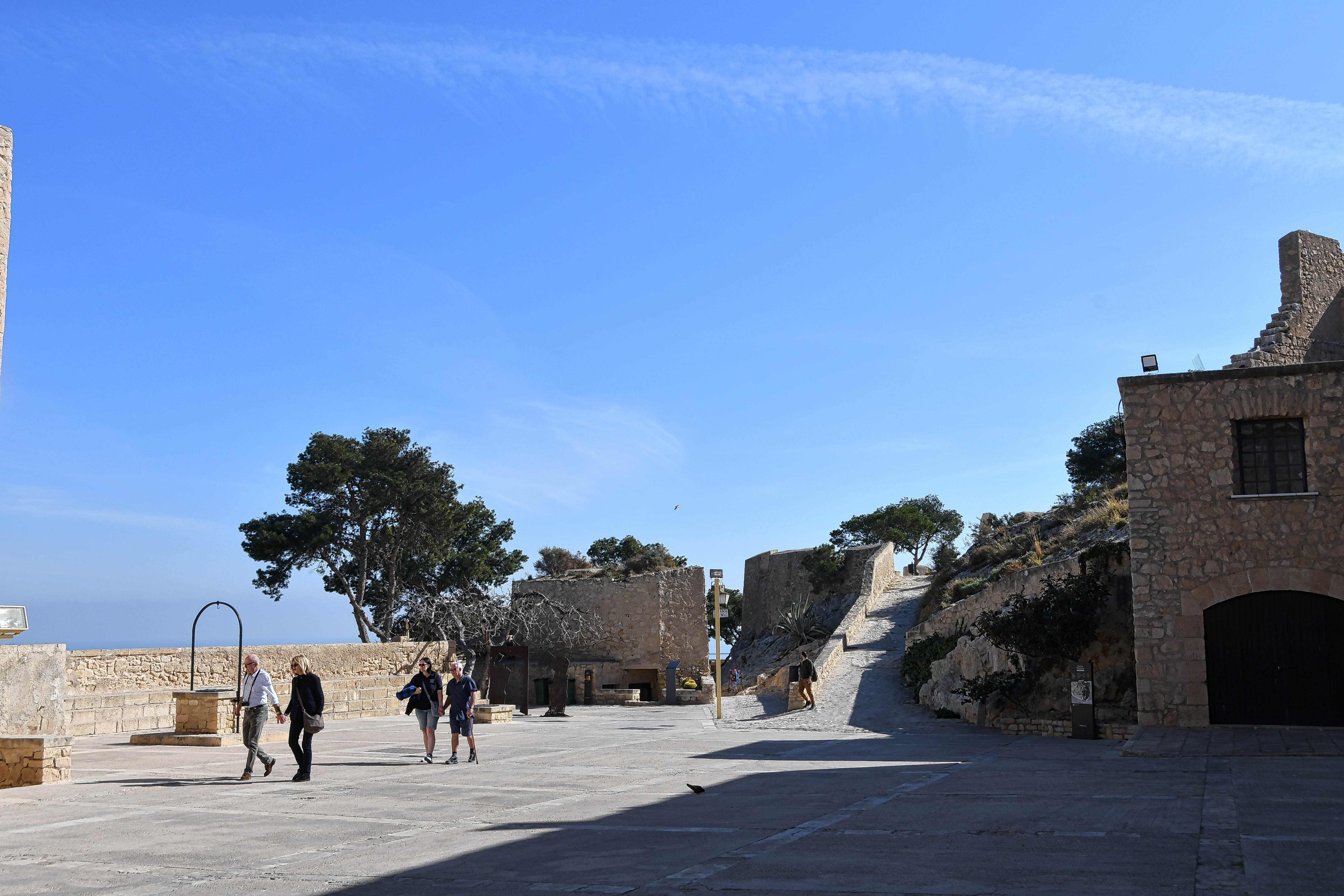
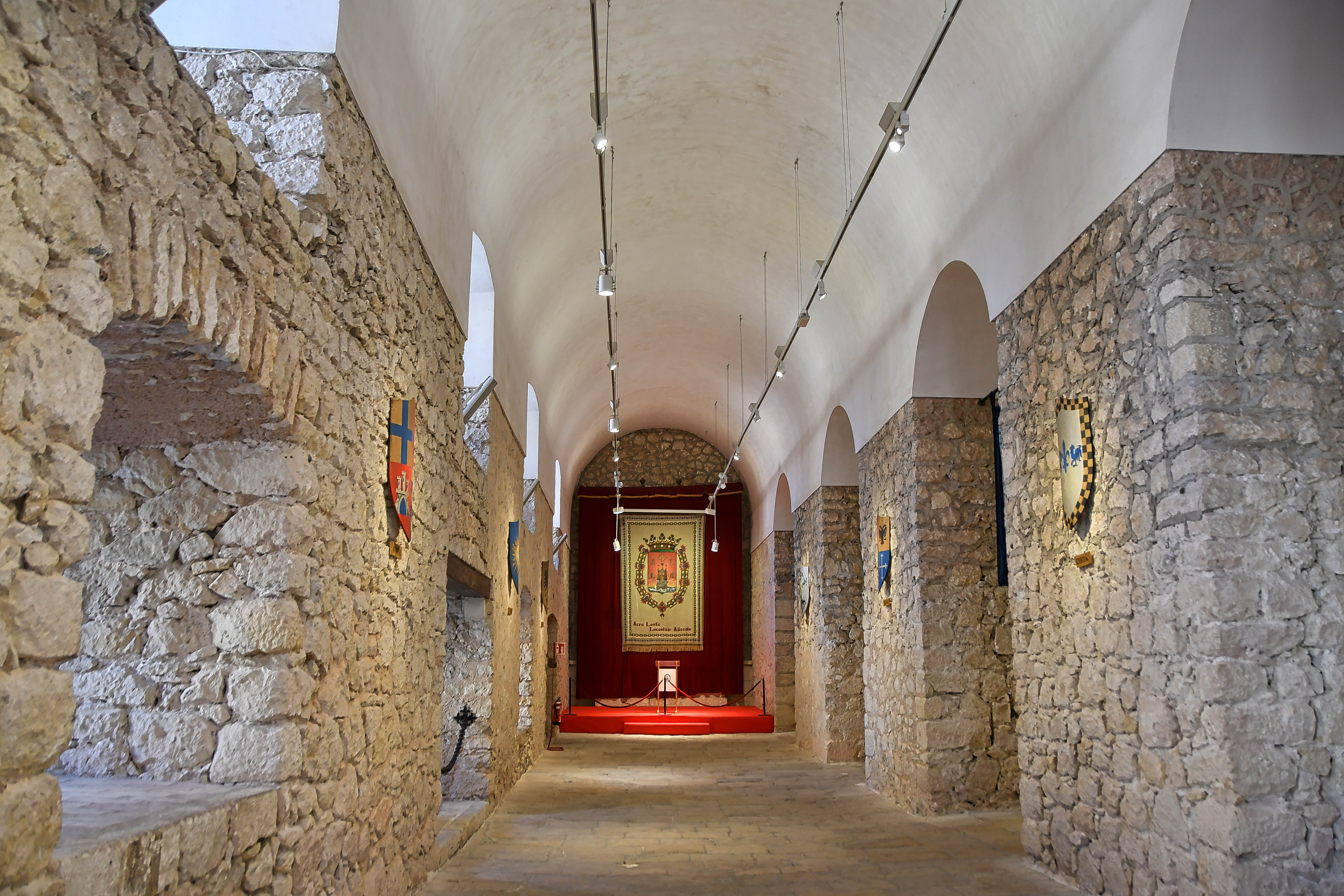
Inside the main entrance, wall displays different coat of arms that presided
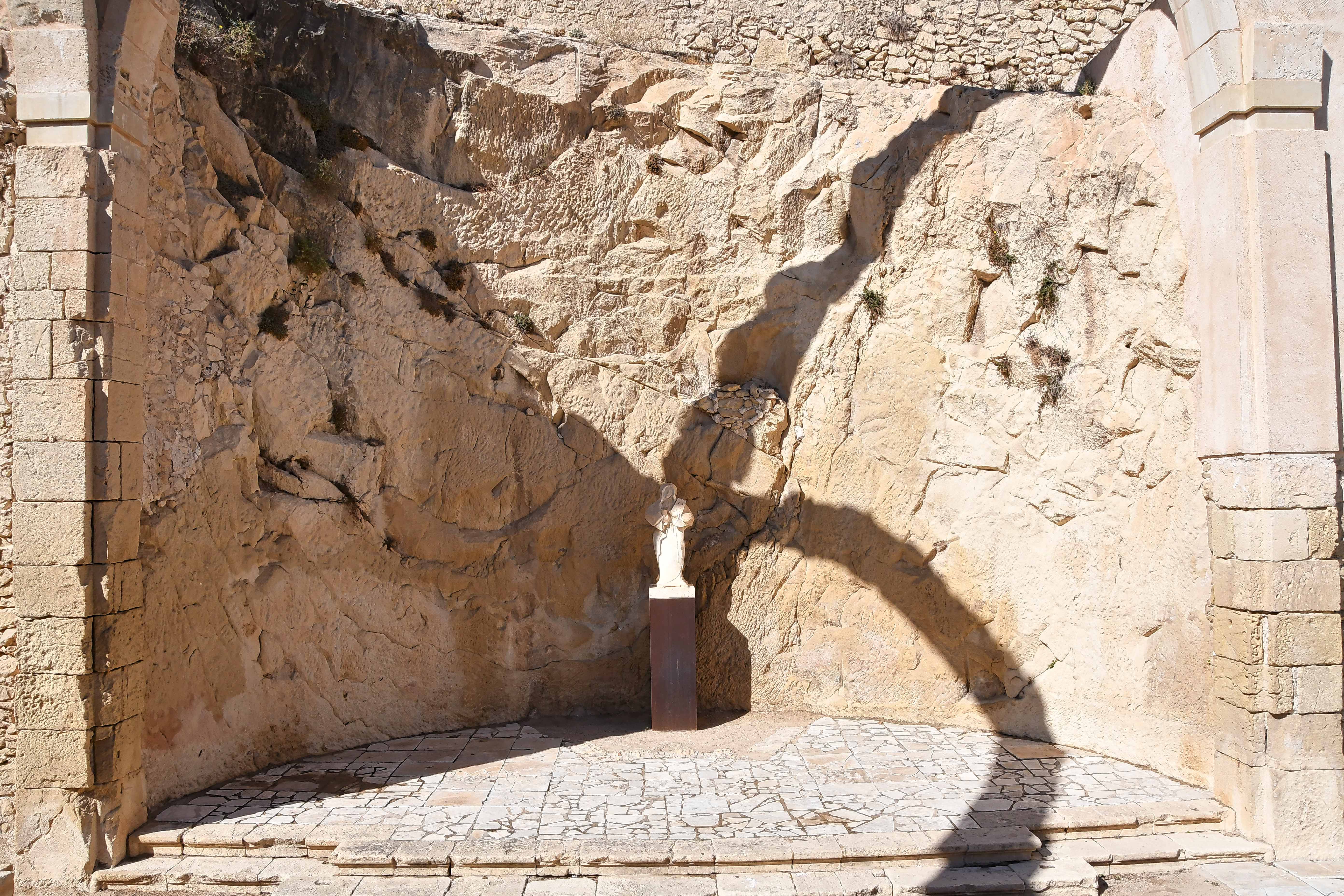
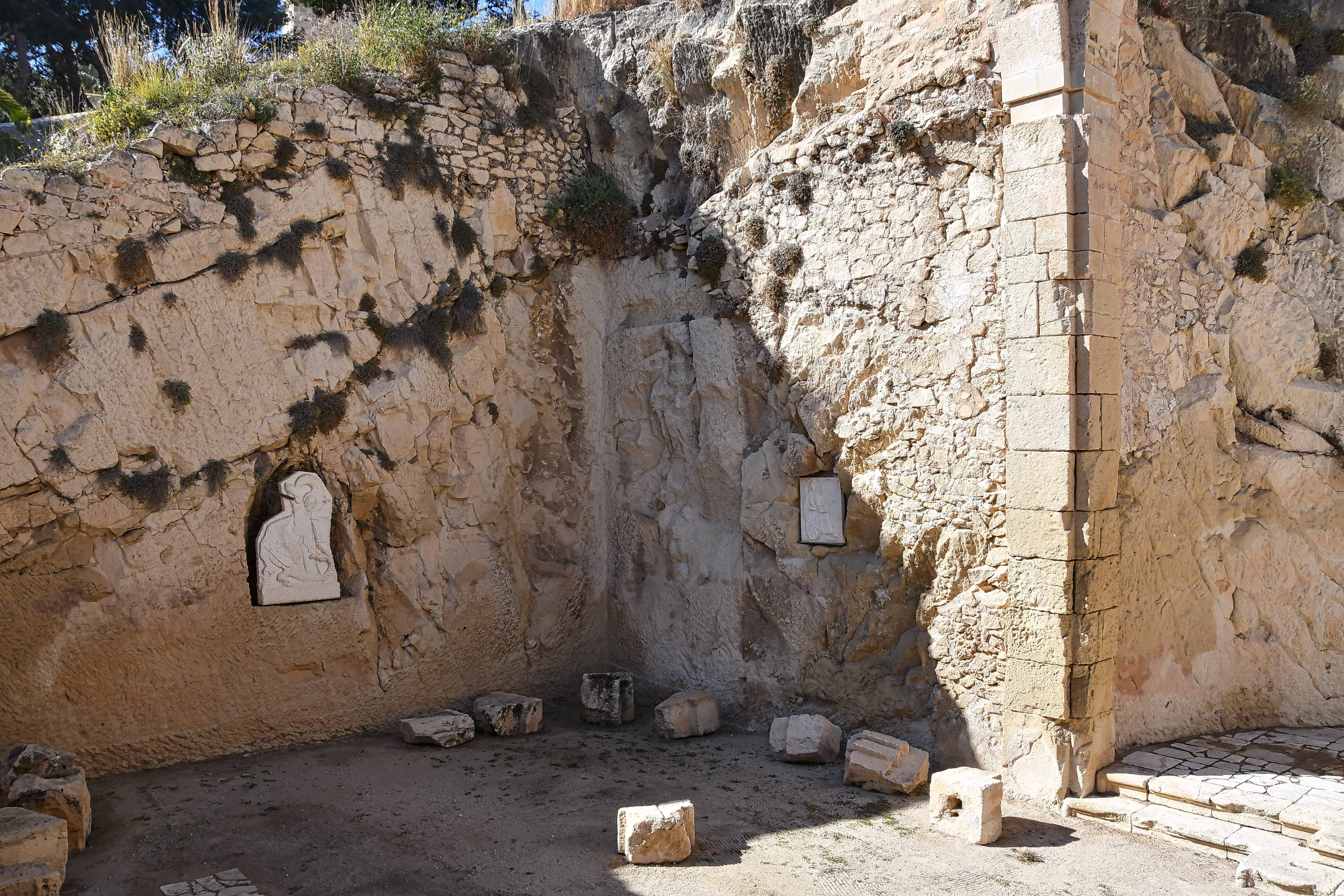
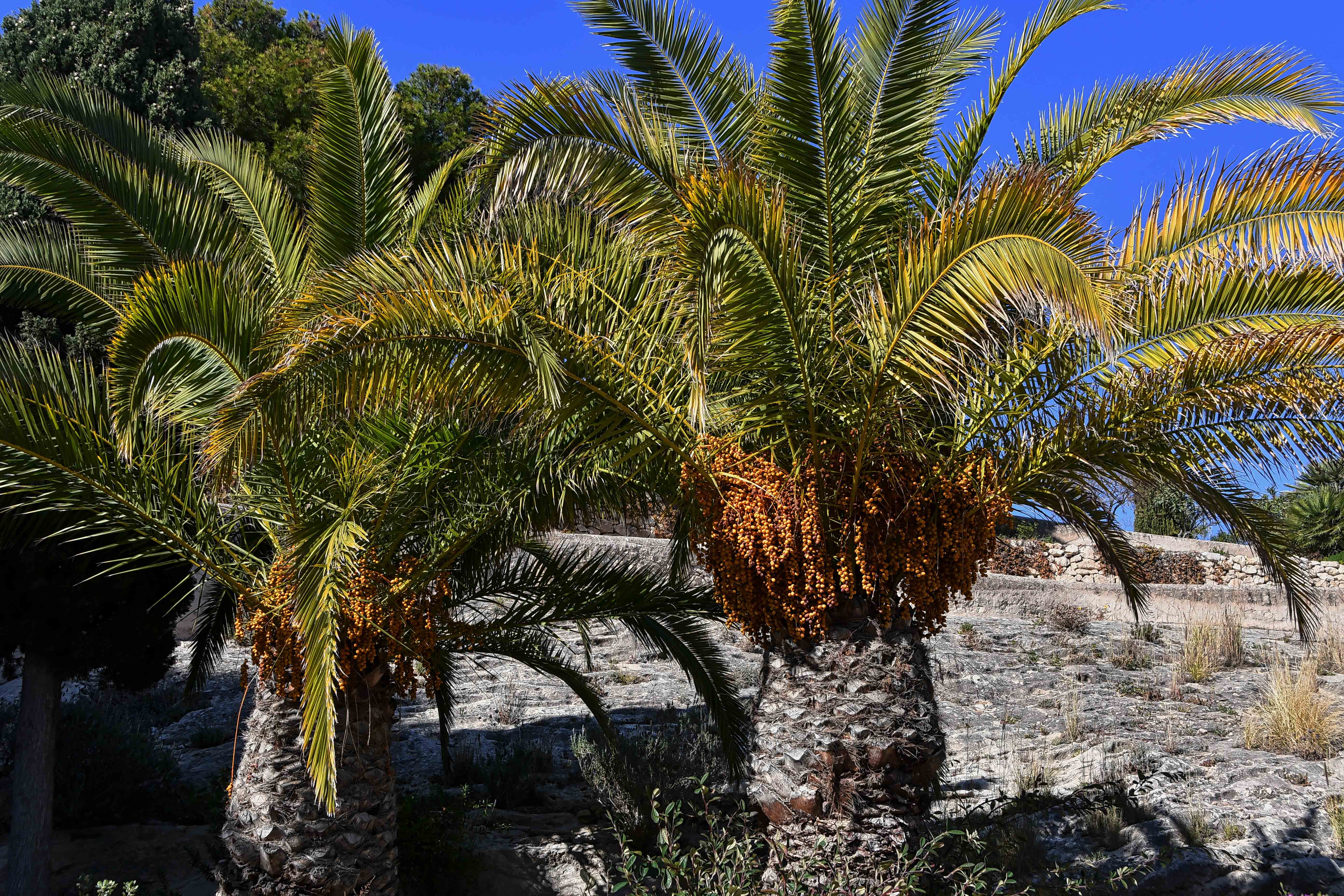
Palm Fig

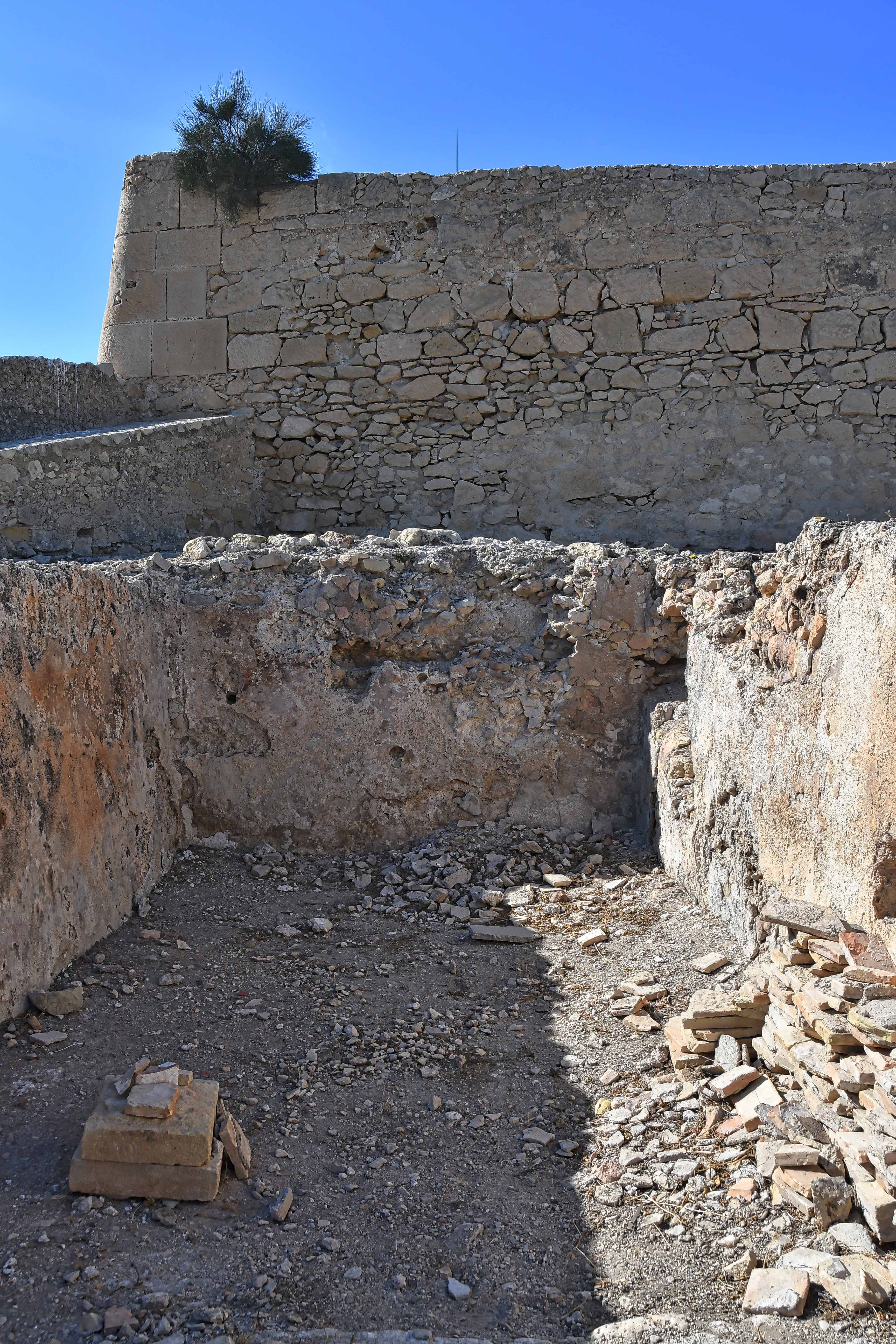
There was a sign that says this was the oven in the kitchen
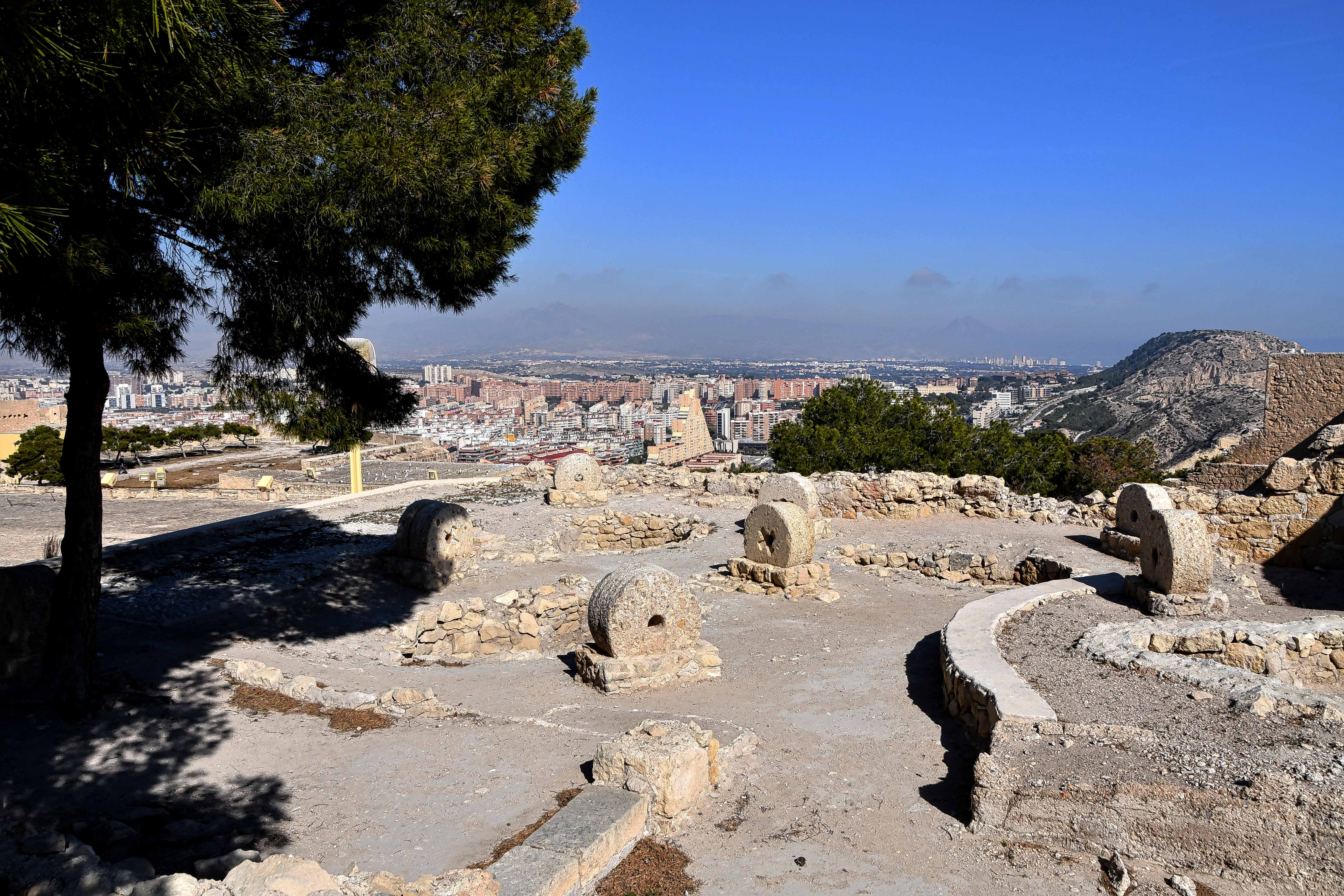
Ruinas de la Tahona – the grain mill
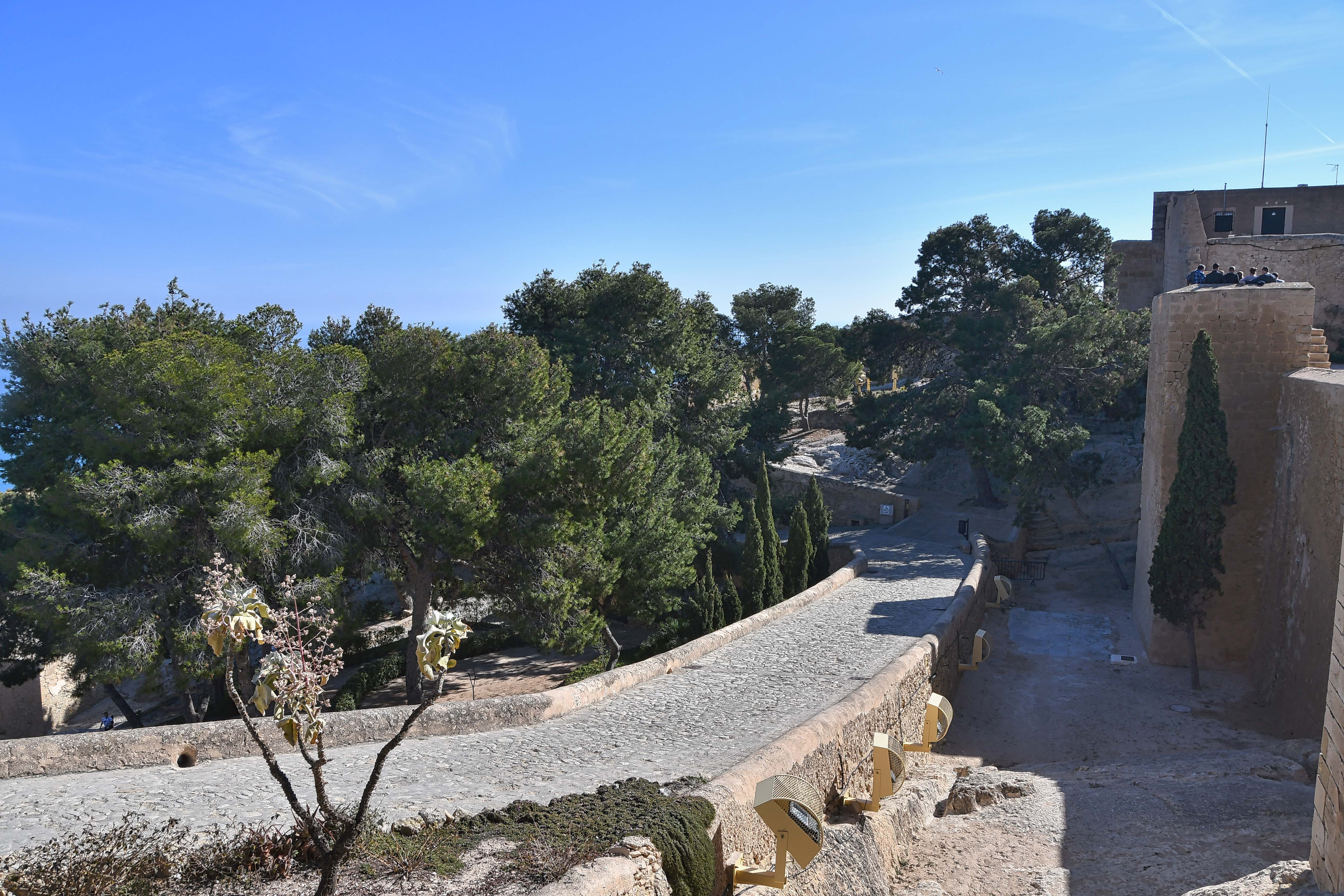
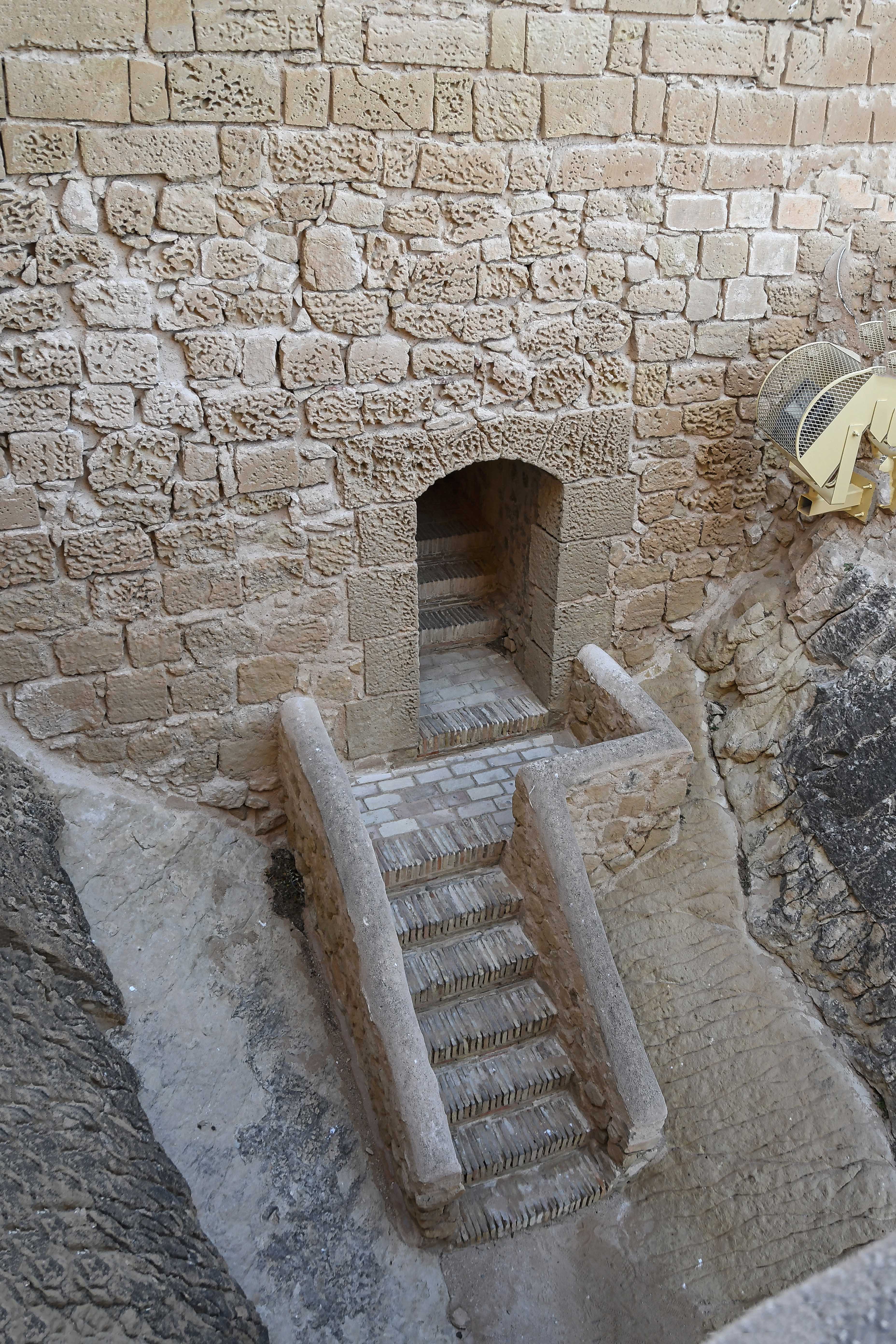
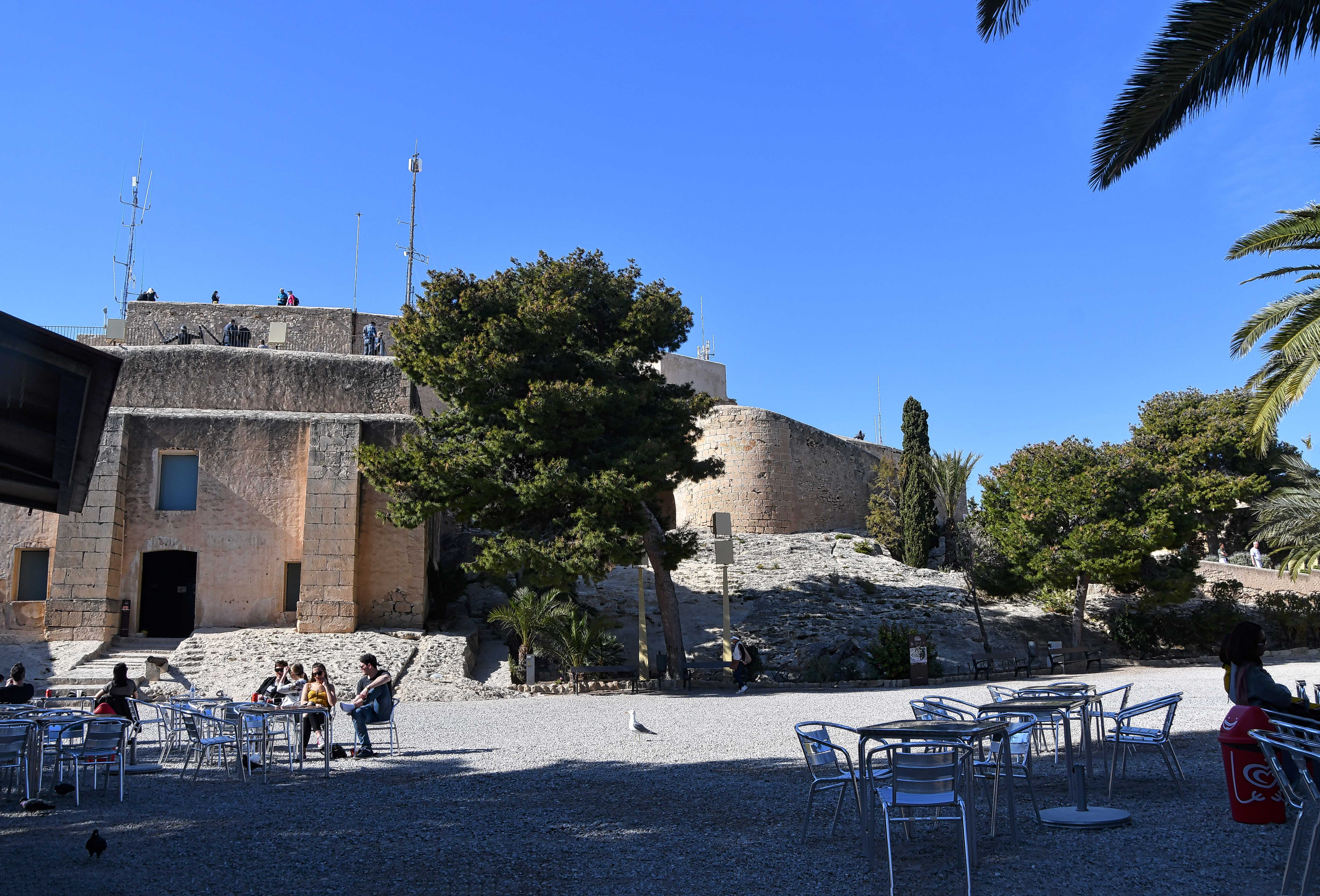
A wonderful outdoor resting place where we took a break with a cool drink
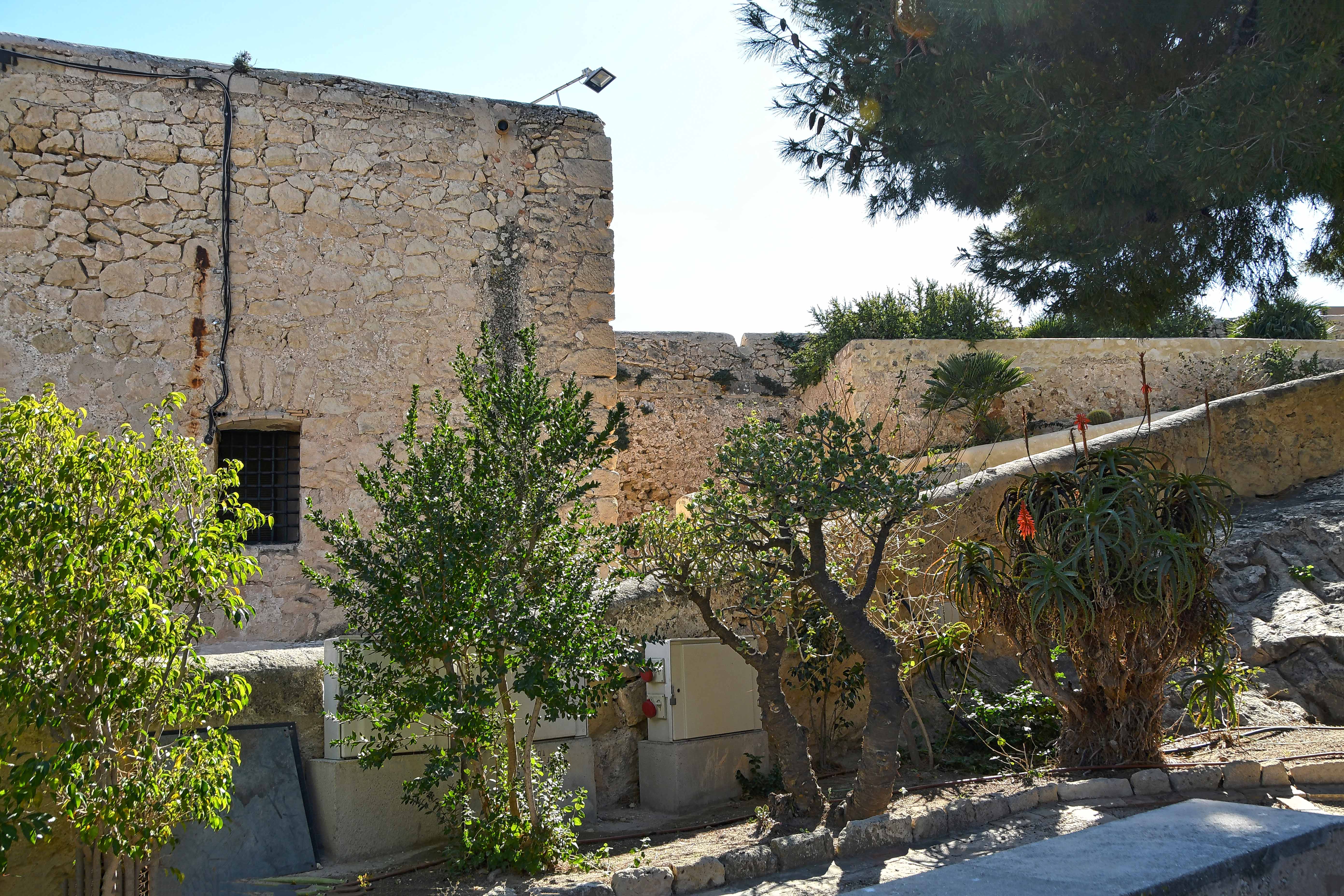
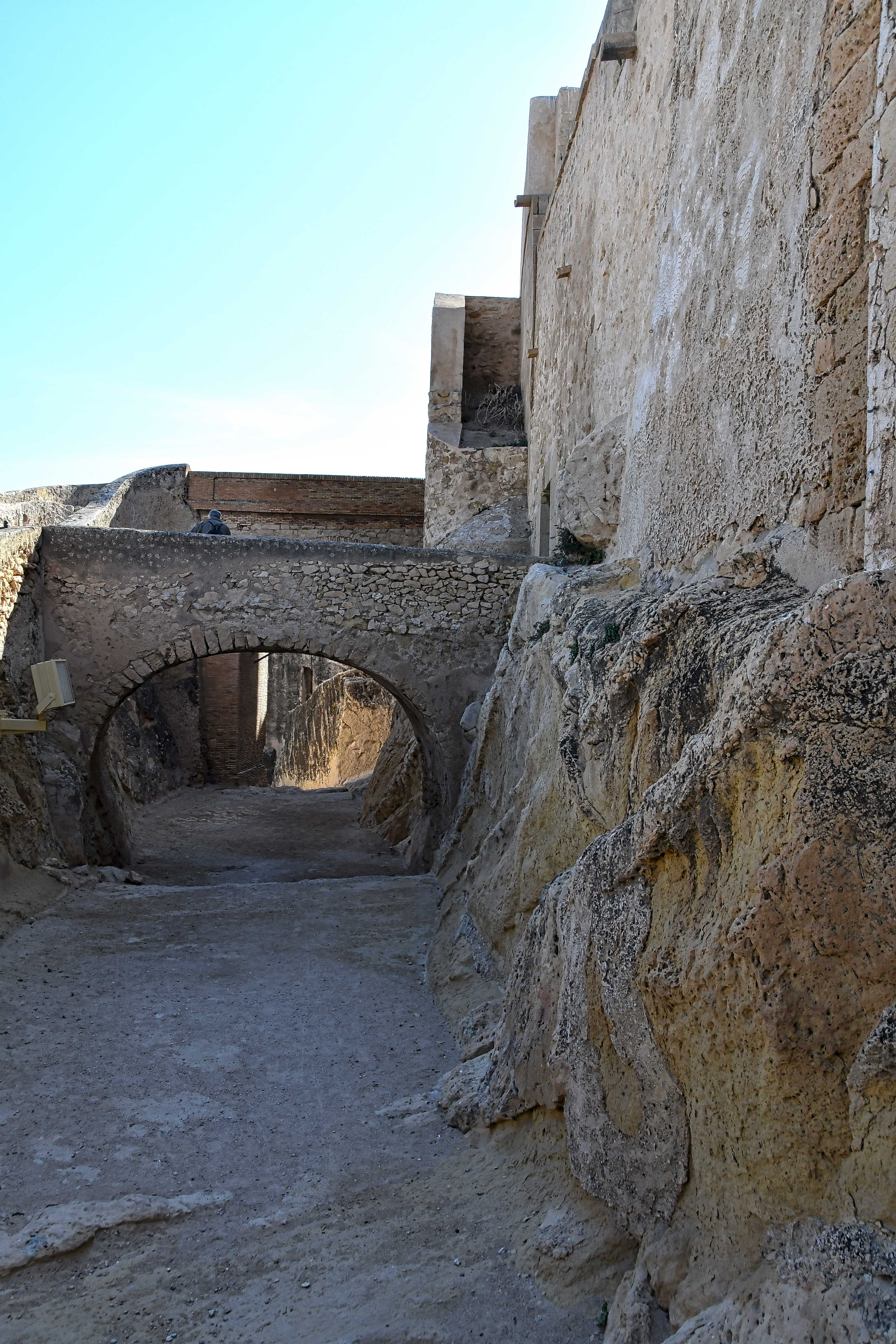
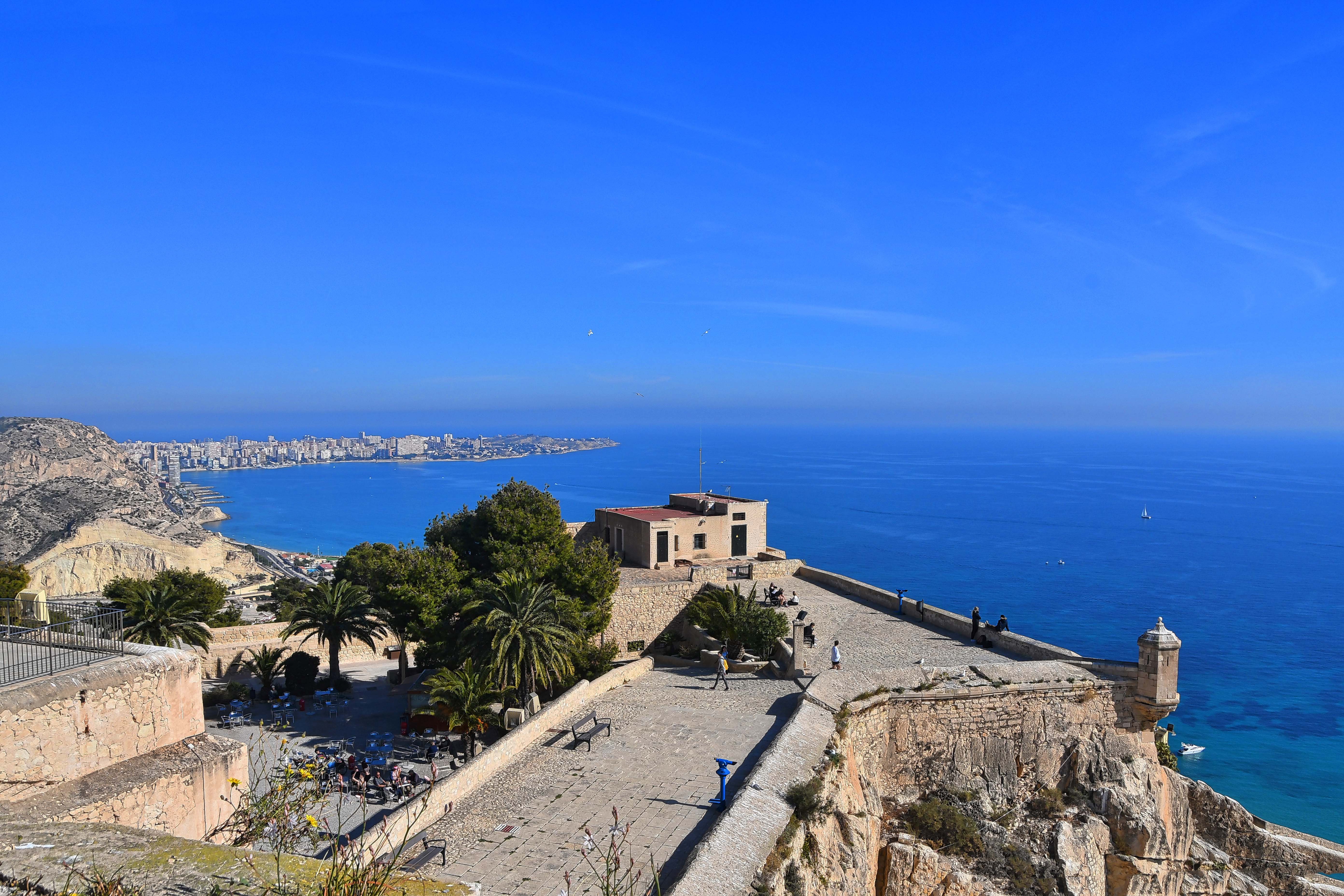
Macho del Castillo
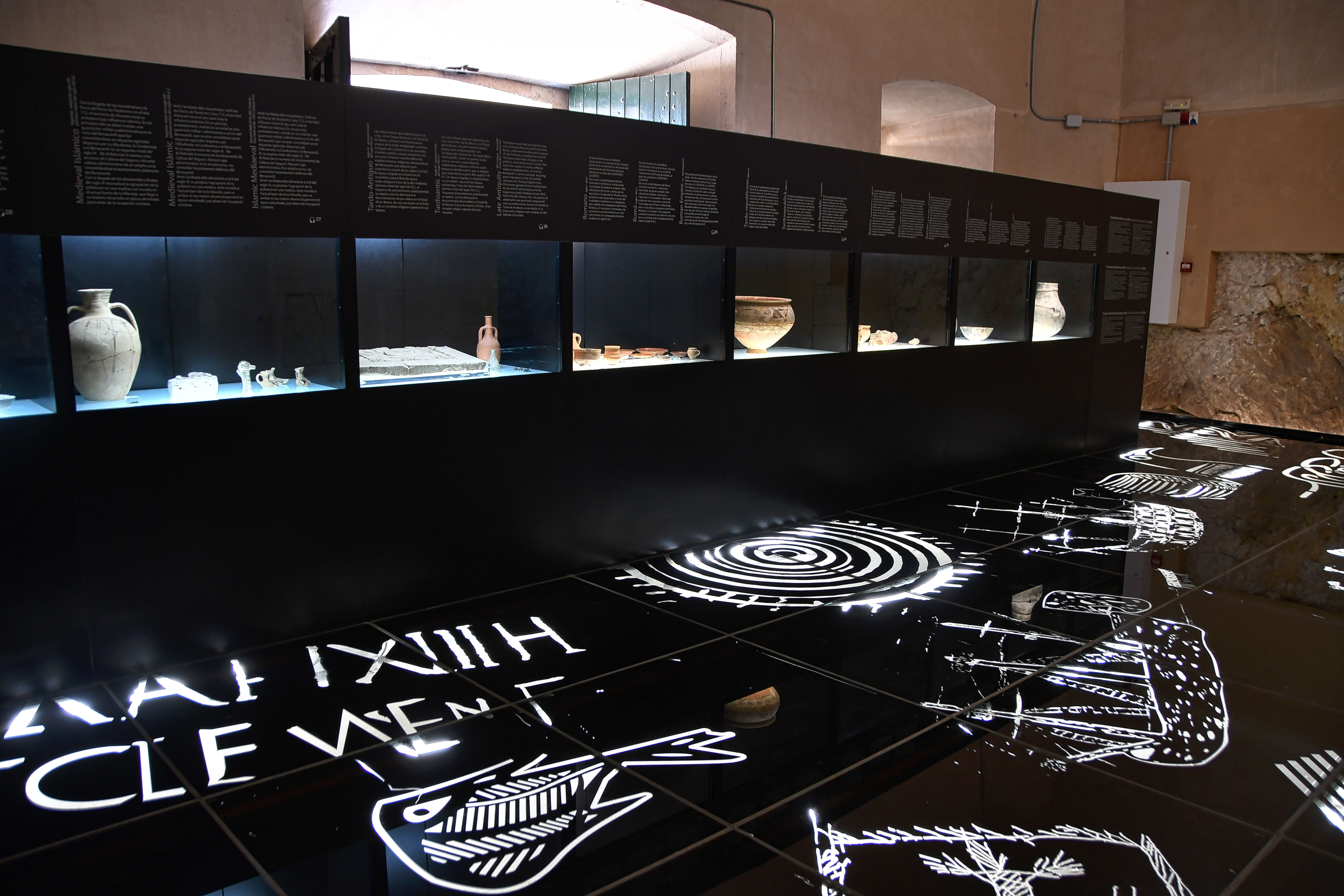

Tunnel to the elevator that would take us to the Beach
Alicante, Spain (1) – From Mount Benacantil
Unlike our past holidays where we would partake in about half dozen days trips, Alicante was the only day-trip we took this time around. A short two hour train ride south of Valencia, it was no brainer to visit this community. However, what I thought was going to be a small lazy village along the Mediterranean ended up being a large city full of active life.
The slow climb on Mount Benacantil to Castillo de Santa Barbara awarded us with stunning views of Alicante. We start by looking northwest and working around clock-wise 360 degrees.


The yard of Castell de la Santa Barbara in the immediate foreground and the neighborhood of Cap de l’Horta in the distance

A solitary boat against a gorgeous turquoise mediterranean

At first we thought these were surfboards, later to discover they are kites

Tall residential highrises along the beach

There are a number of casinos along the marina…fancy boats and gambling

Behind the tall tower (which is the Estudiotel Hotel) is the train terminal. That is where we started the visit and that is where we will end the visit. It was a 14km day for us that included a climb equivalent to 34 floors (at least that’s what my phone says).

Valencia, Spain (7) – Cruising
We walked about 45 kilometers through the streets of Valencia over a three day period. We love cruising and exploring the different areas. Even though the tourist sites has things to offer, we appreciate the residential neighborhoods. It allows us to be immersed in the local culture and rub shoulders with the citizens of this wonderful city.
(For a larger view, just click on the photo)


Valencia, Spain (6) – Ciutat Vella
Ciutat Vella is a neighborhood located in central Valencia. Most of what is considered Old Town resides in this area. You will not find as many historical buildings as other major European cities, but there was enough to keep my camera going.

Post Office
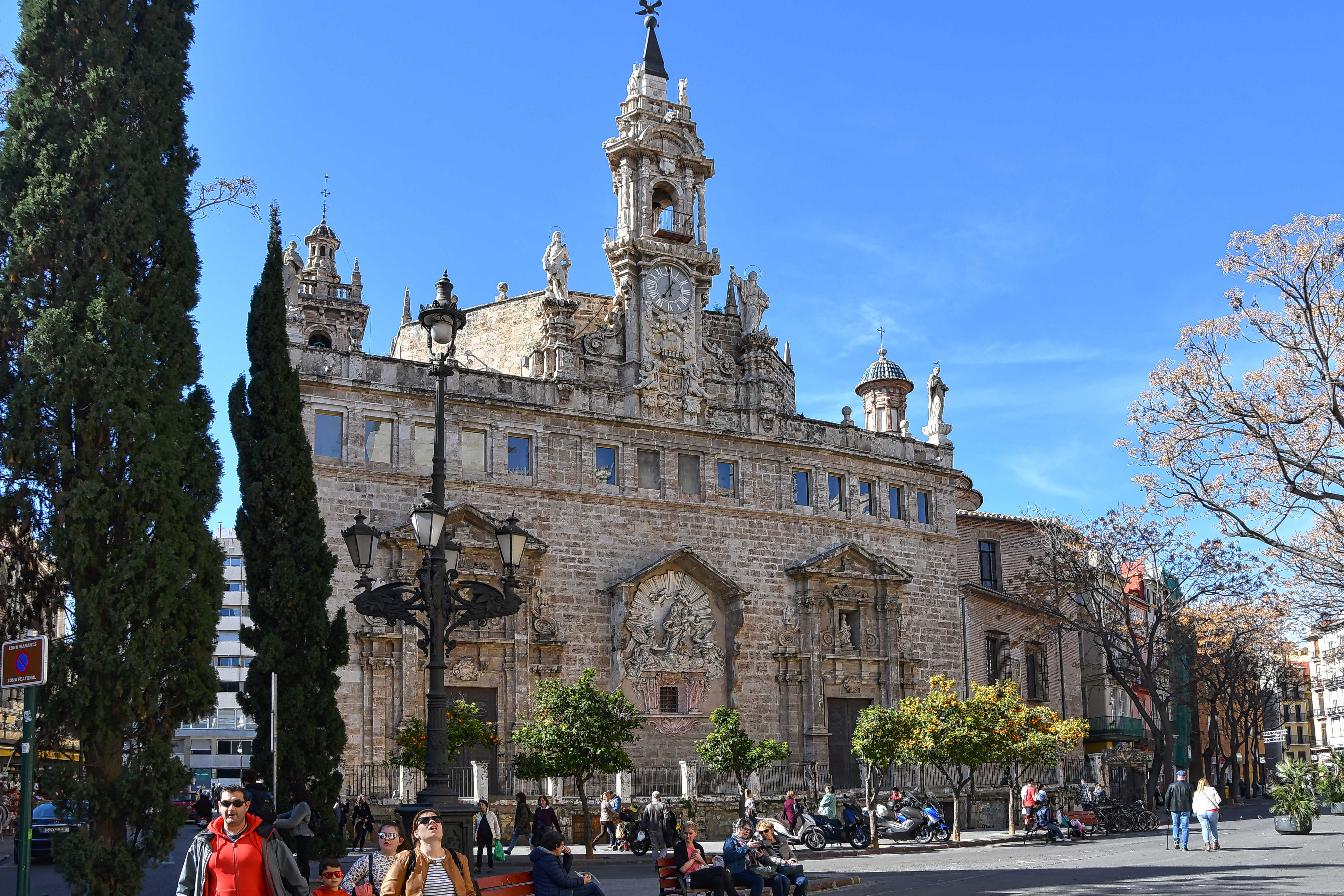
Esglesia de Sant Joan del Mercat
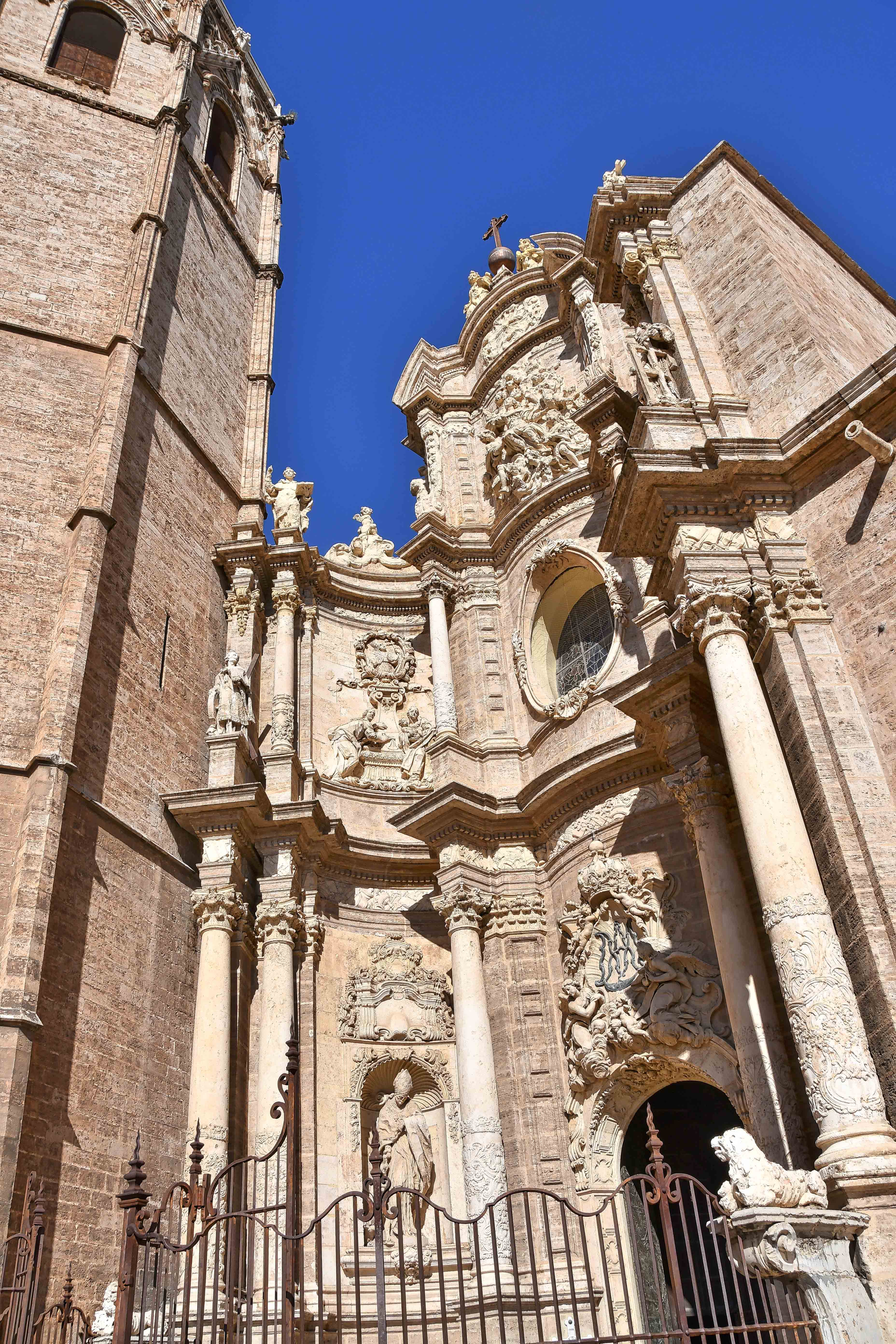
La Seu de Valencia

Esglesia de Santa Caterina

Torres de Quart – 15th-century gothic towers

Casa “Punt de Ganxo” 1906

Esglesia de Sant Joan del Mercat (l) and The Central Market (r)
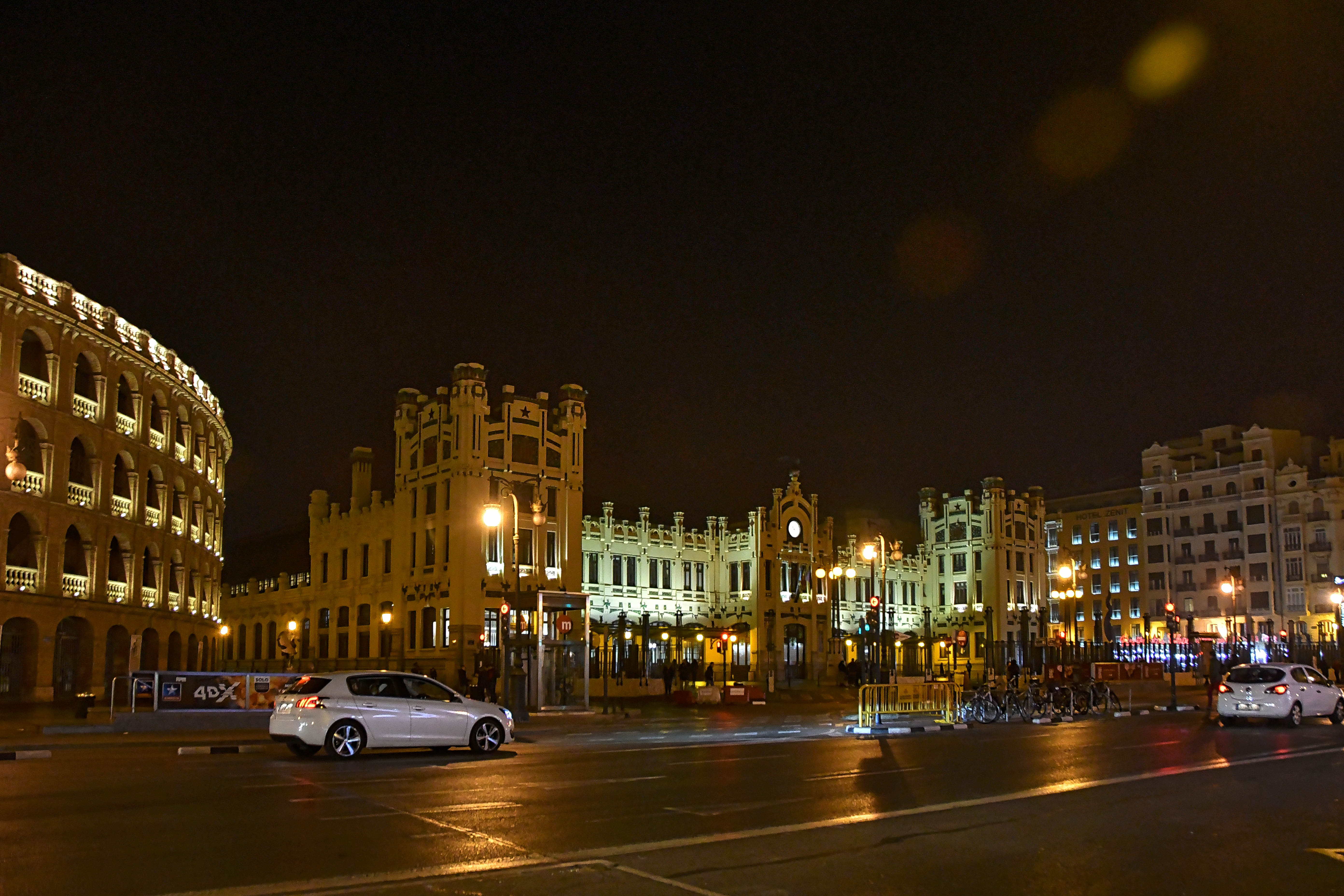
Valencia Nord – one of the two main train stations

Bullring of Valencia

Post Office

City Hall

Iglesia de San Agustin

Torres de Serranos
Valencia, Spain (5) – Jardines del Turia
Jardines del Turia is the largest urban park (110 hectares) in Spain. The dried up Turia stream that once passed through the city, was intended to be an urban highway until the protest of the inhabitants changed it to a beautiful park. Nine kilometres of greenery that stretches Northwest/Southeast with the Bioparc Zoo in the top end to the Aquarium at the bottom end and includes the Ciutat les Arts (see past post). There are 18 bridges from different periods of time and architecture styles. I appreciated the unique design of each of the bridges we walked under.
Close to our hotel, we were able to visit the park twice. Our first introduction to Valencia started at the park (day photos) and our last evening in Valencia (night photos).
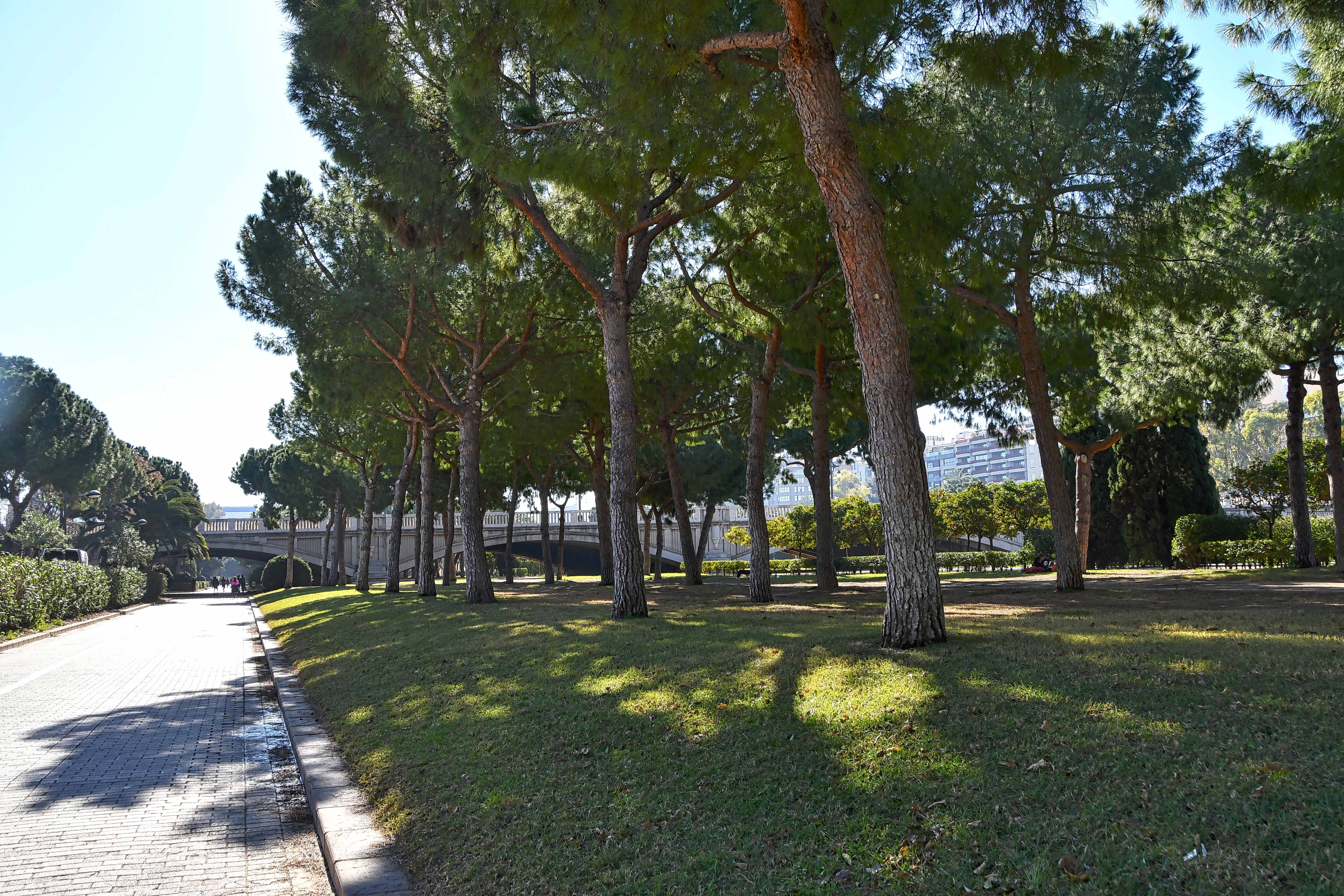
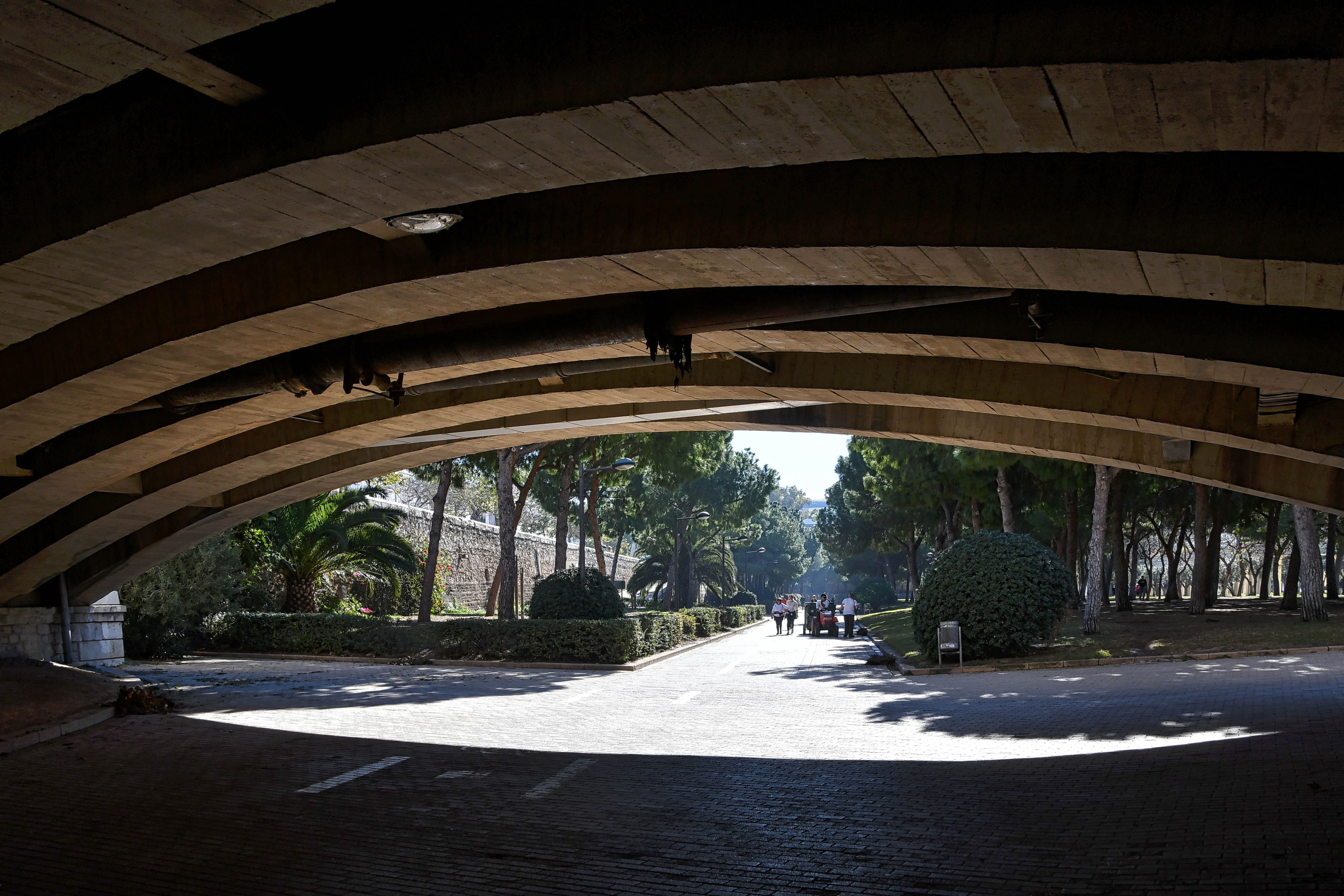
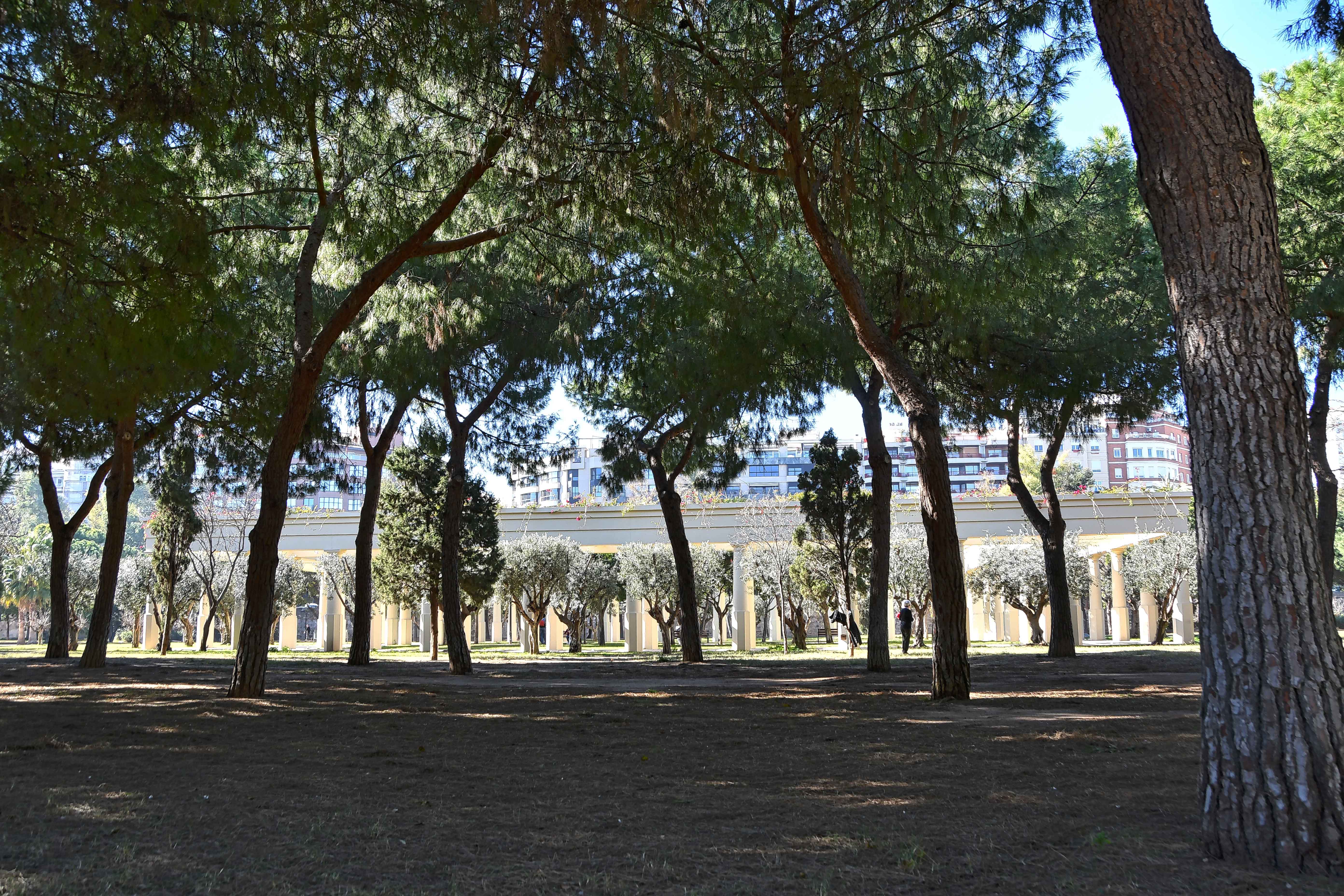

Even the dead foliage is pretty
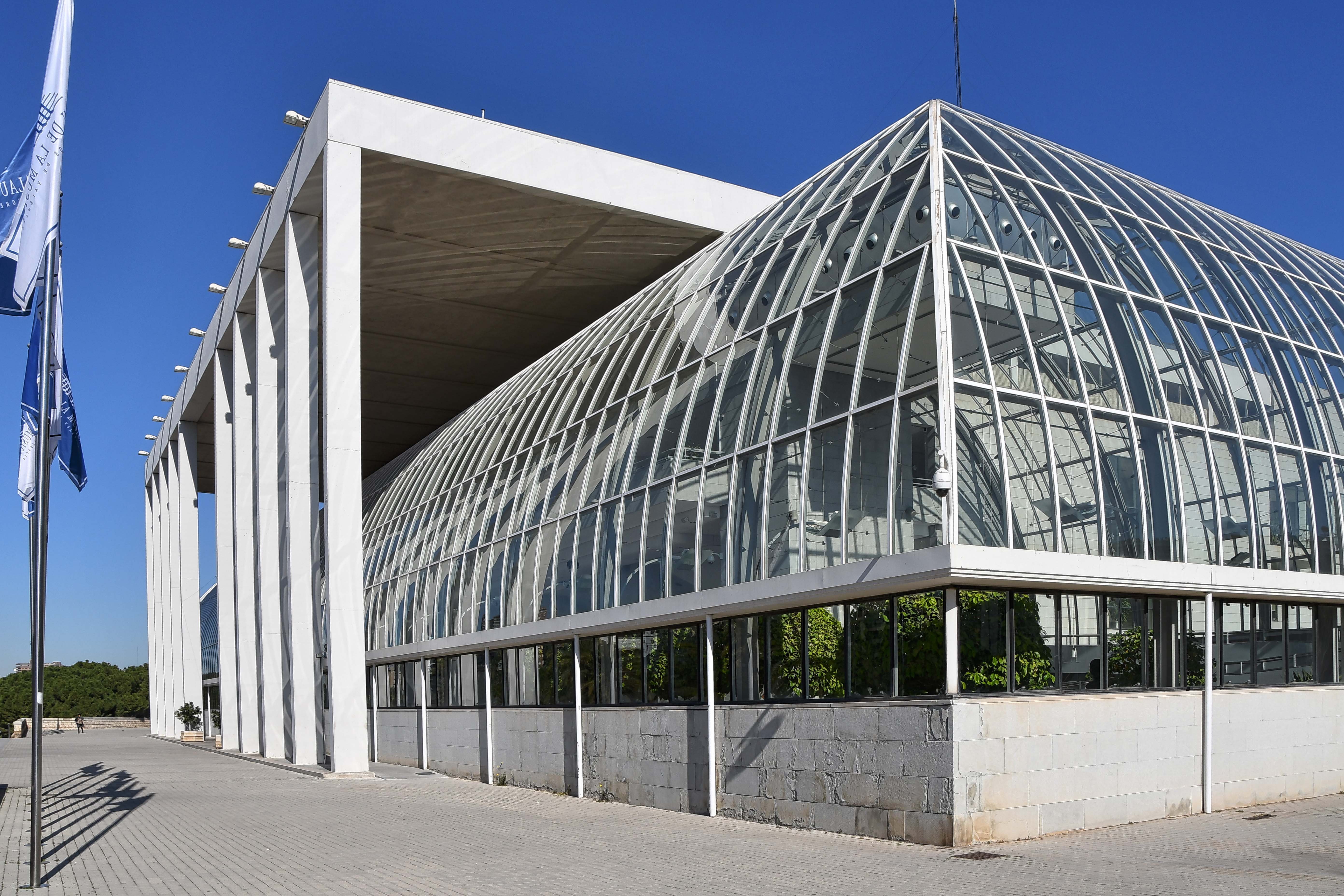
Palau de la Musica de Valencia
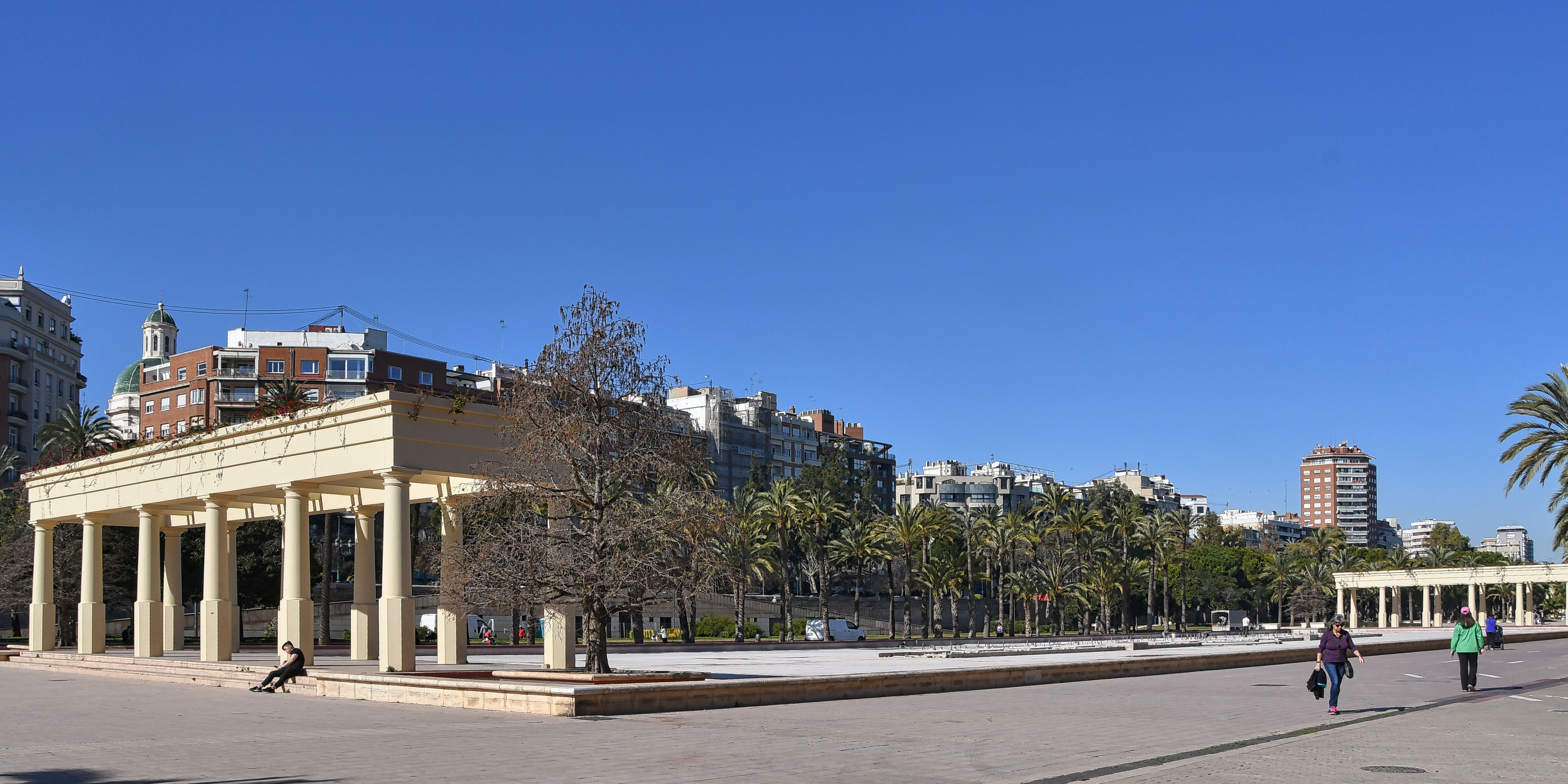
The empty fountain was under maintenance so we didn’t get to experience the waterworks in operation.
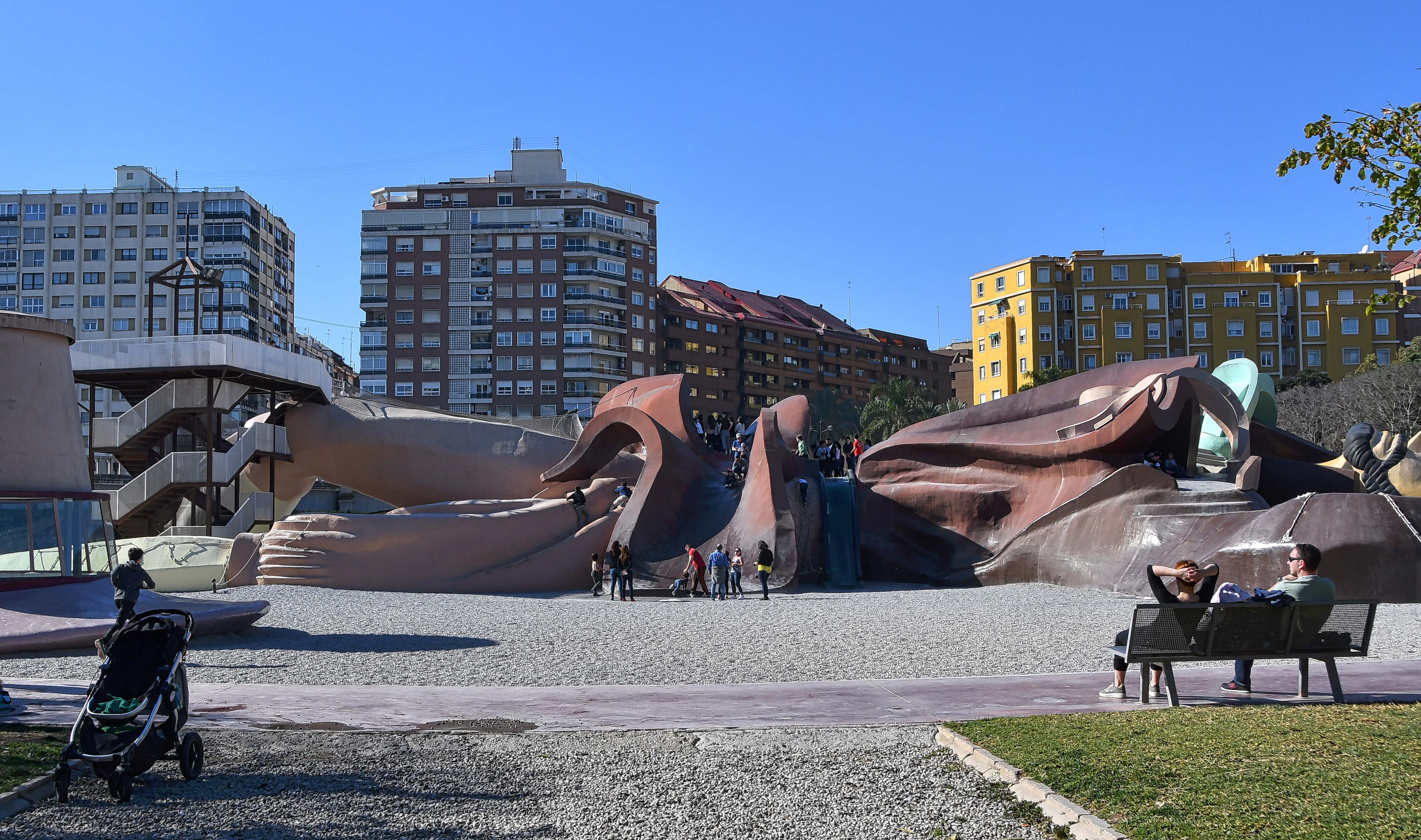
Parc Gulliver is a children’s playground. The large structure resembles Gulliver stretched out on his back.
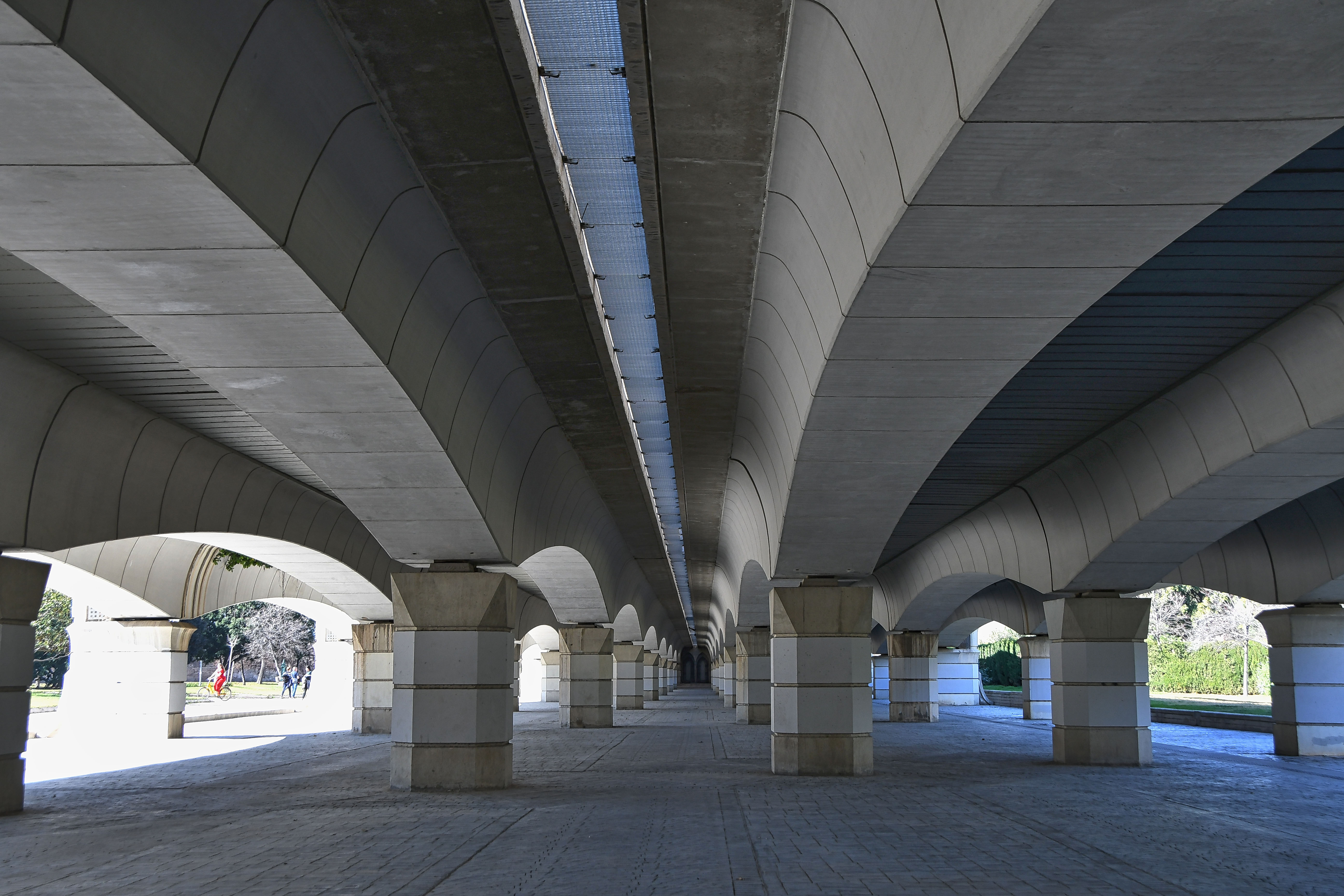
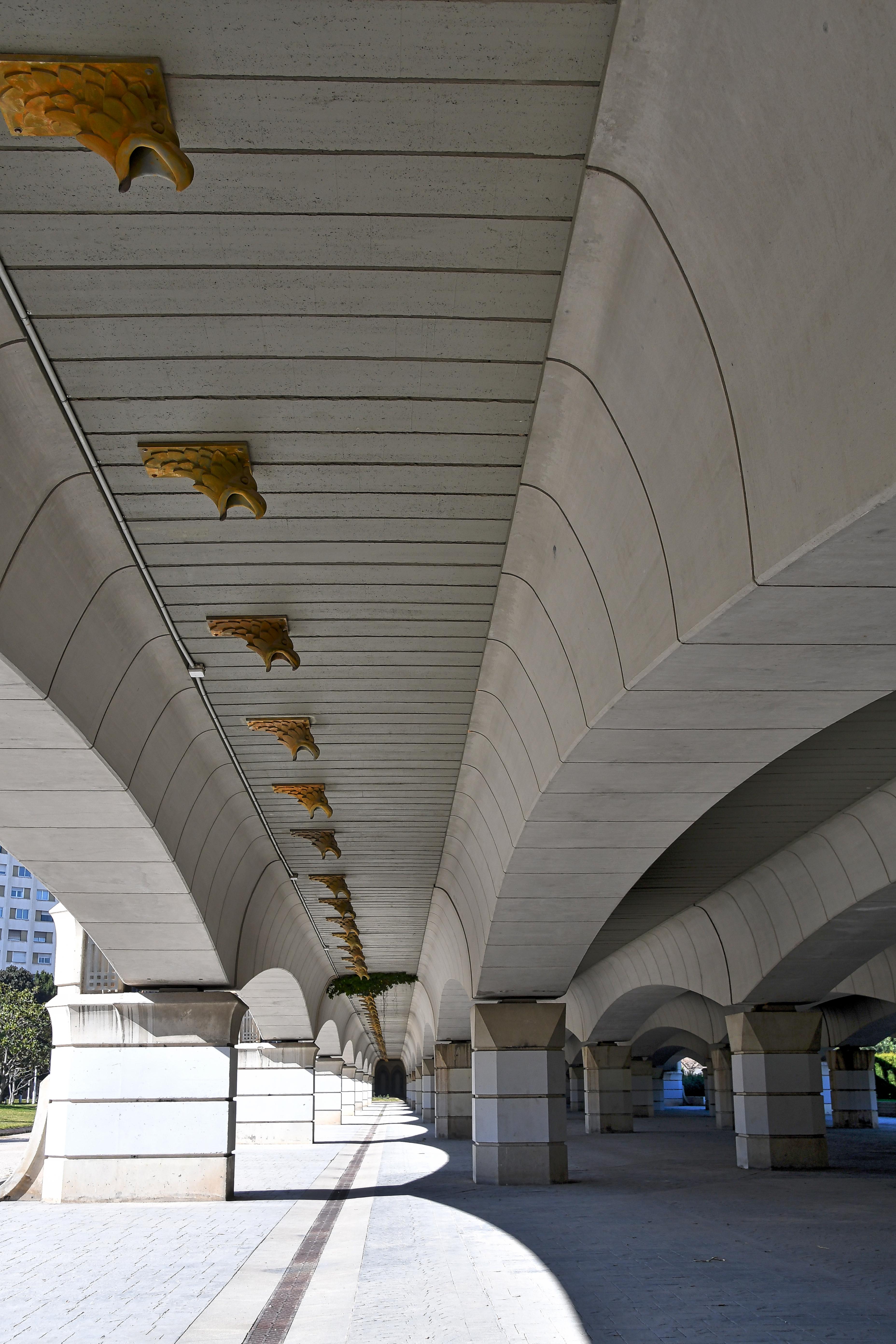
I love the small added details on the bridgework
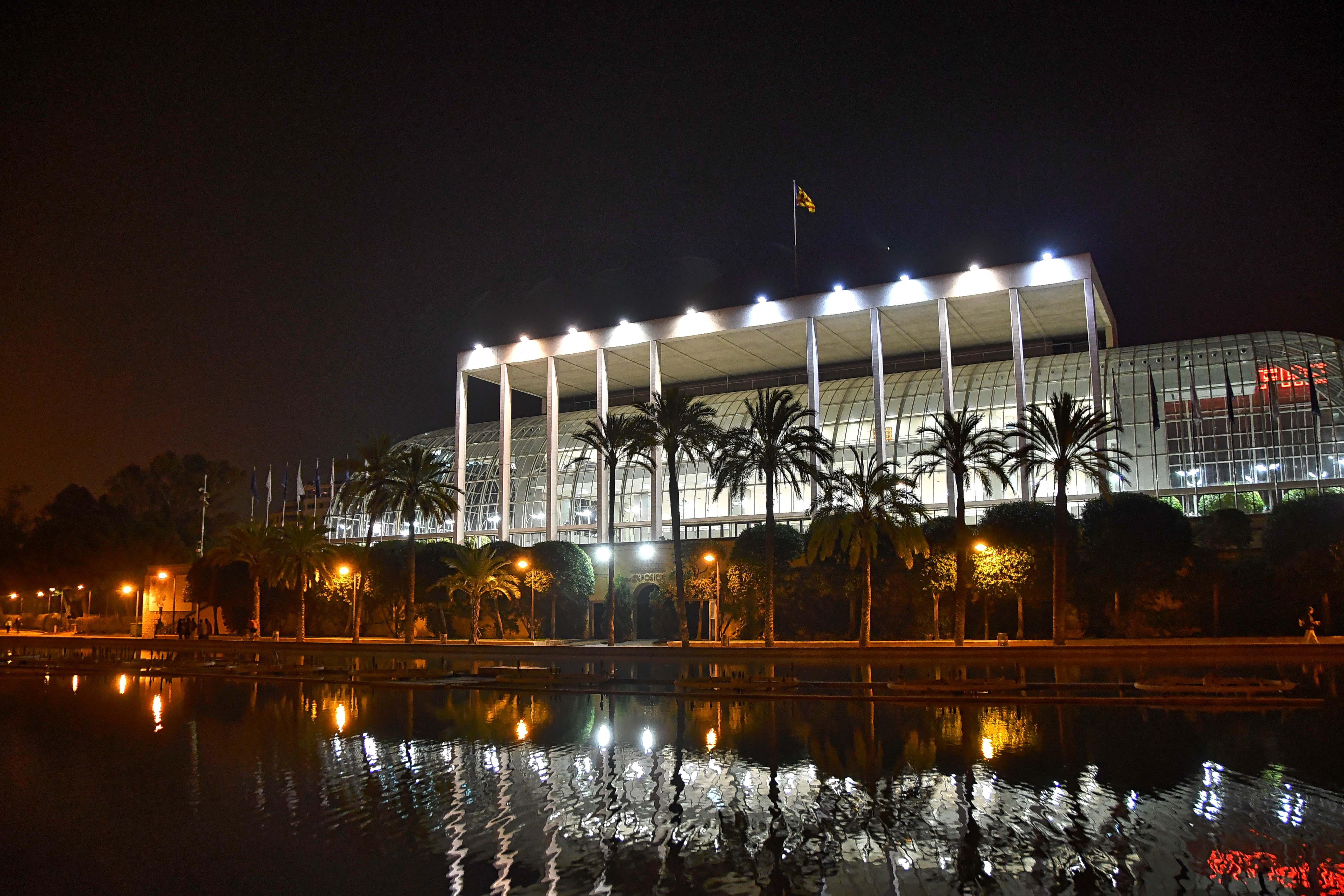
Palau de la Musica de Valencia
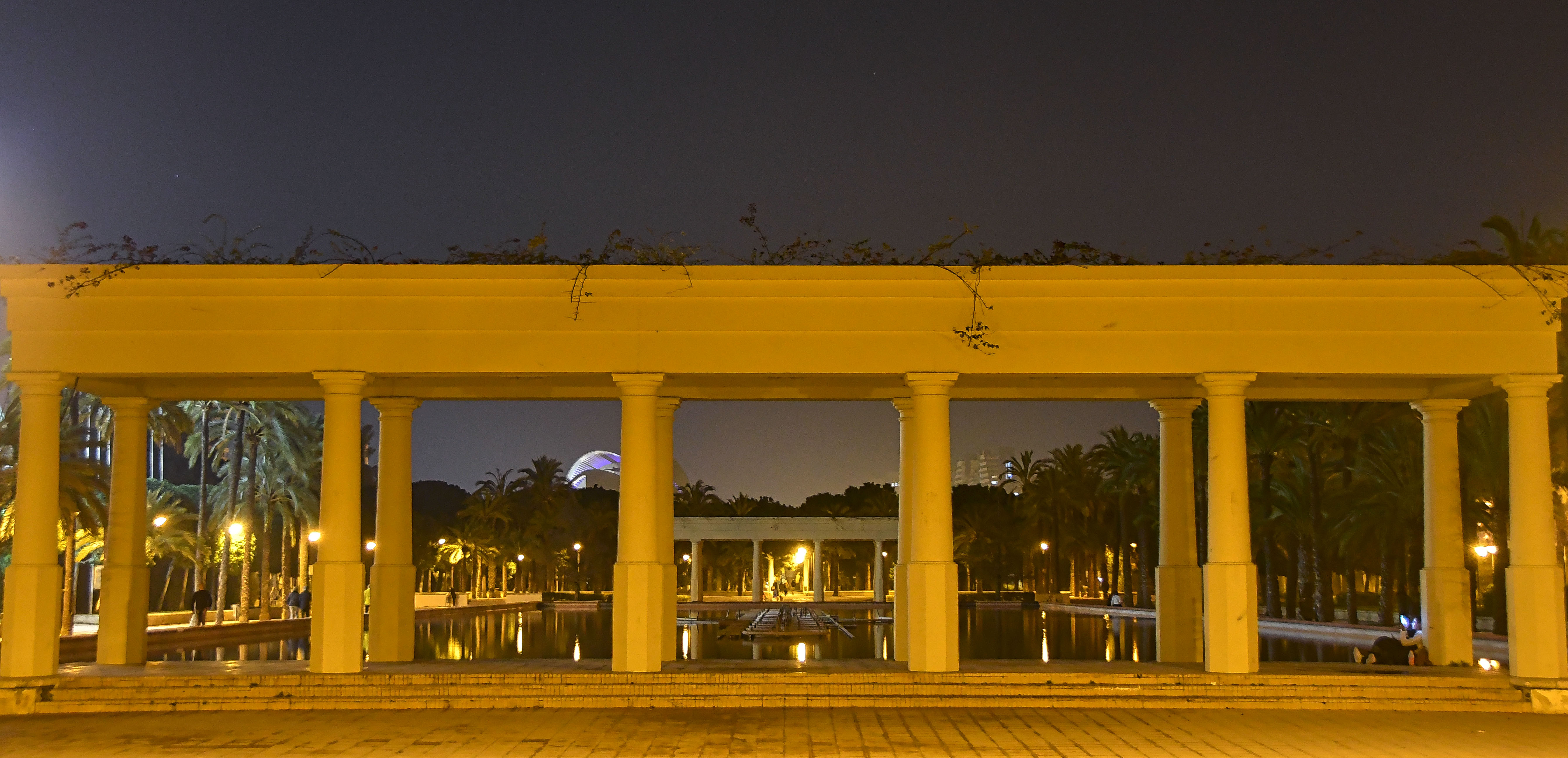
The fountain now has water but still not in operation
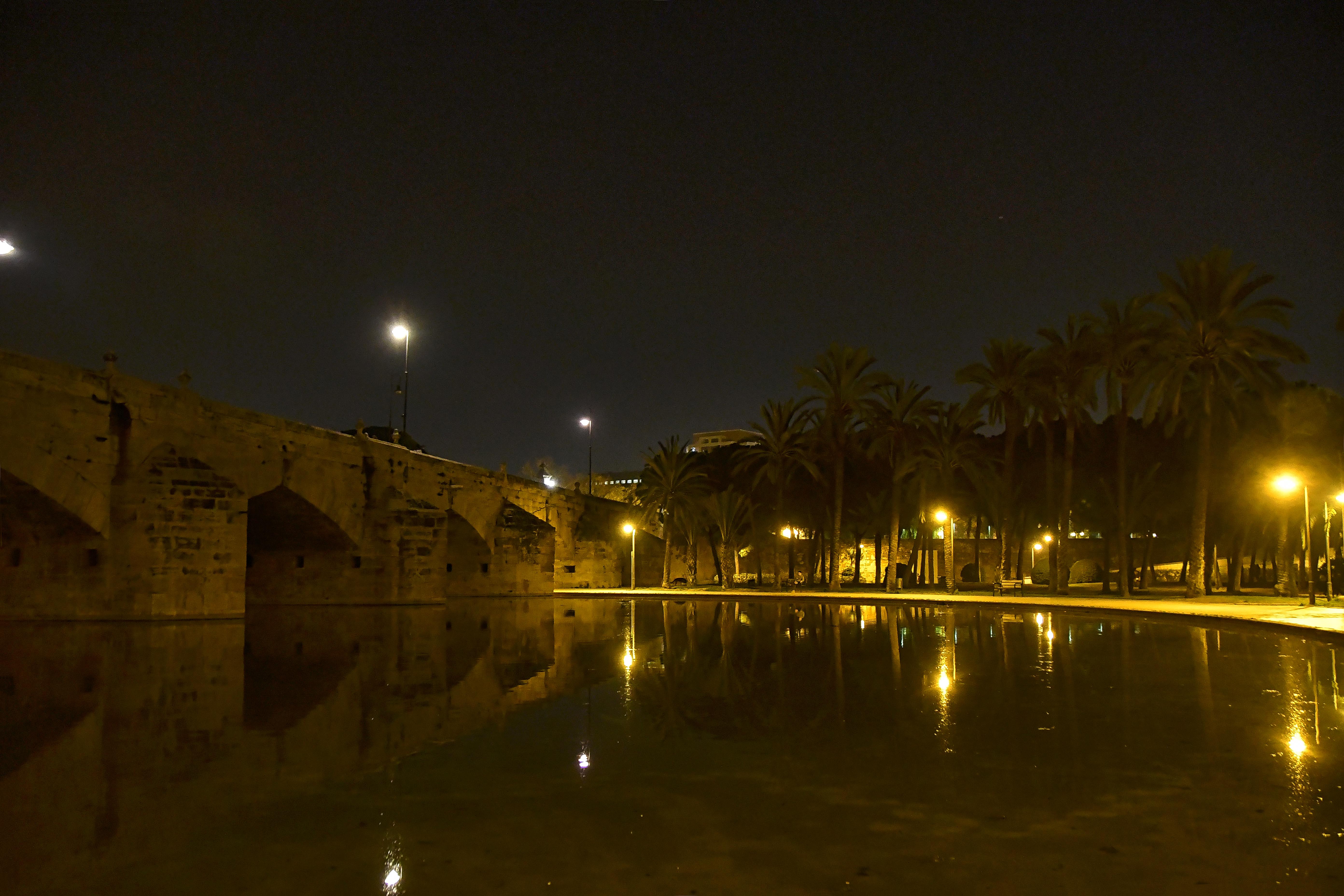
Pont de la Mar

Pont de les Flors

During the summer, there would be a carnival located in this large empty area
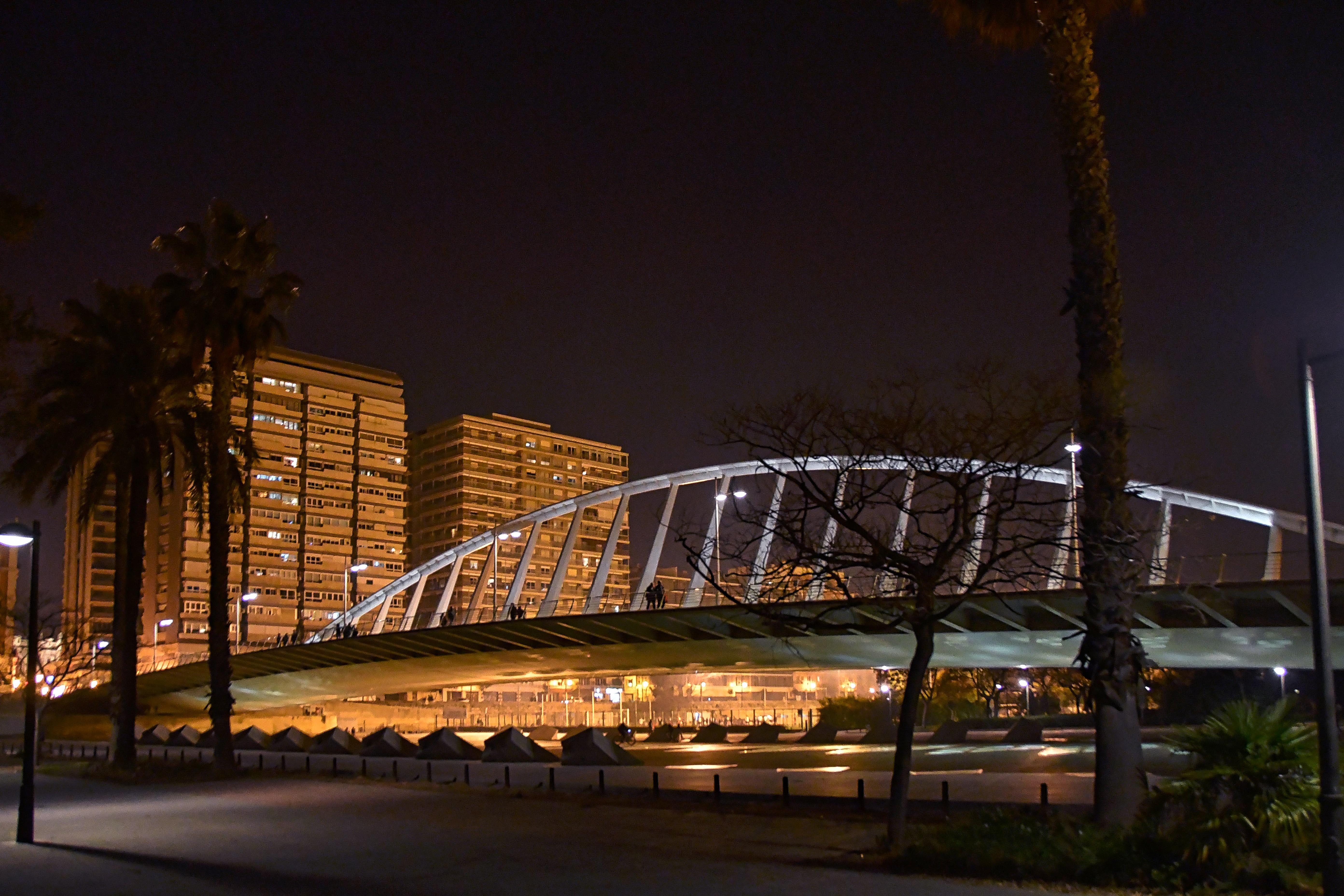
Pont de l’Exposicio

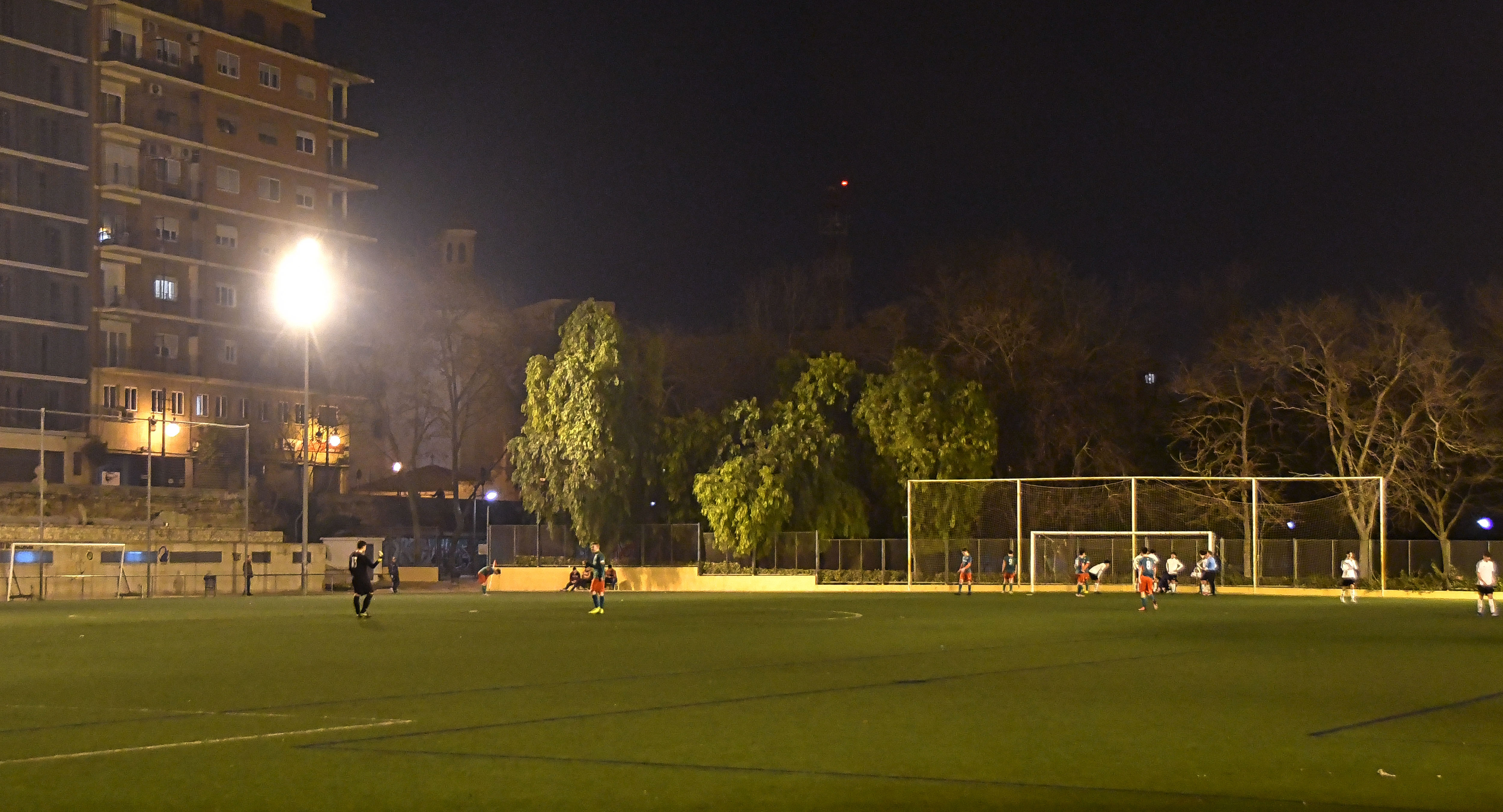
Where there is a park, there will be a soccer field
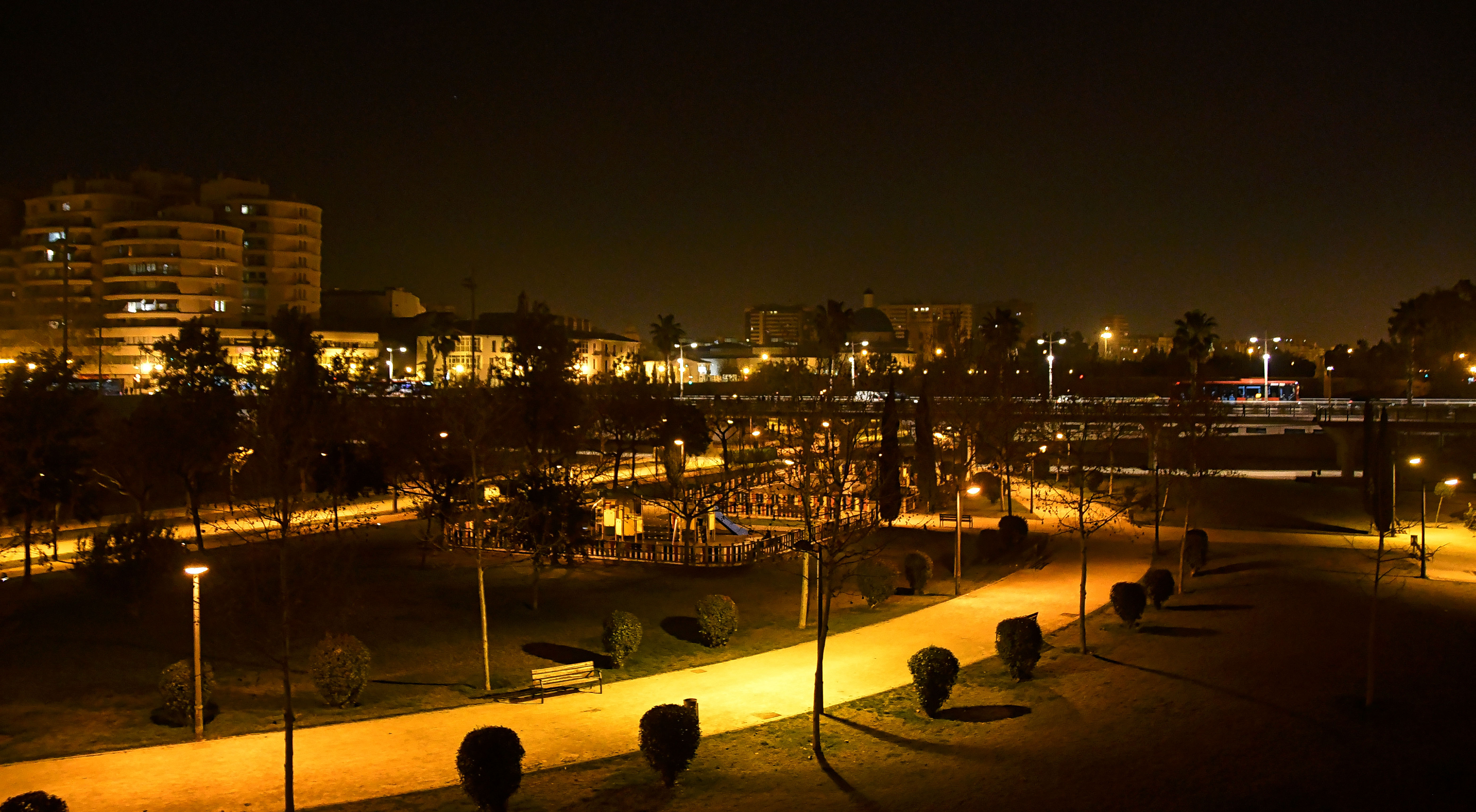
A large playground area
 Fai Quan