Fai Quan
formerly known as "Prosaic Traveller"
Munchen (Munich), Bavaria (9) – Schloss Nymphenburg – Marstallmuseum (Day Eight)
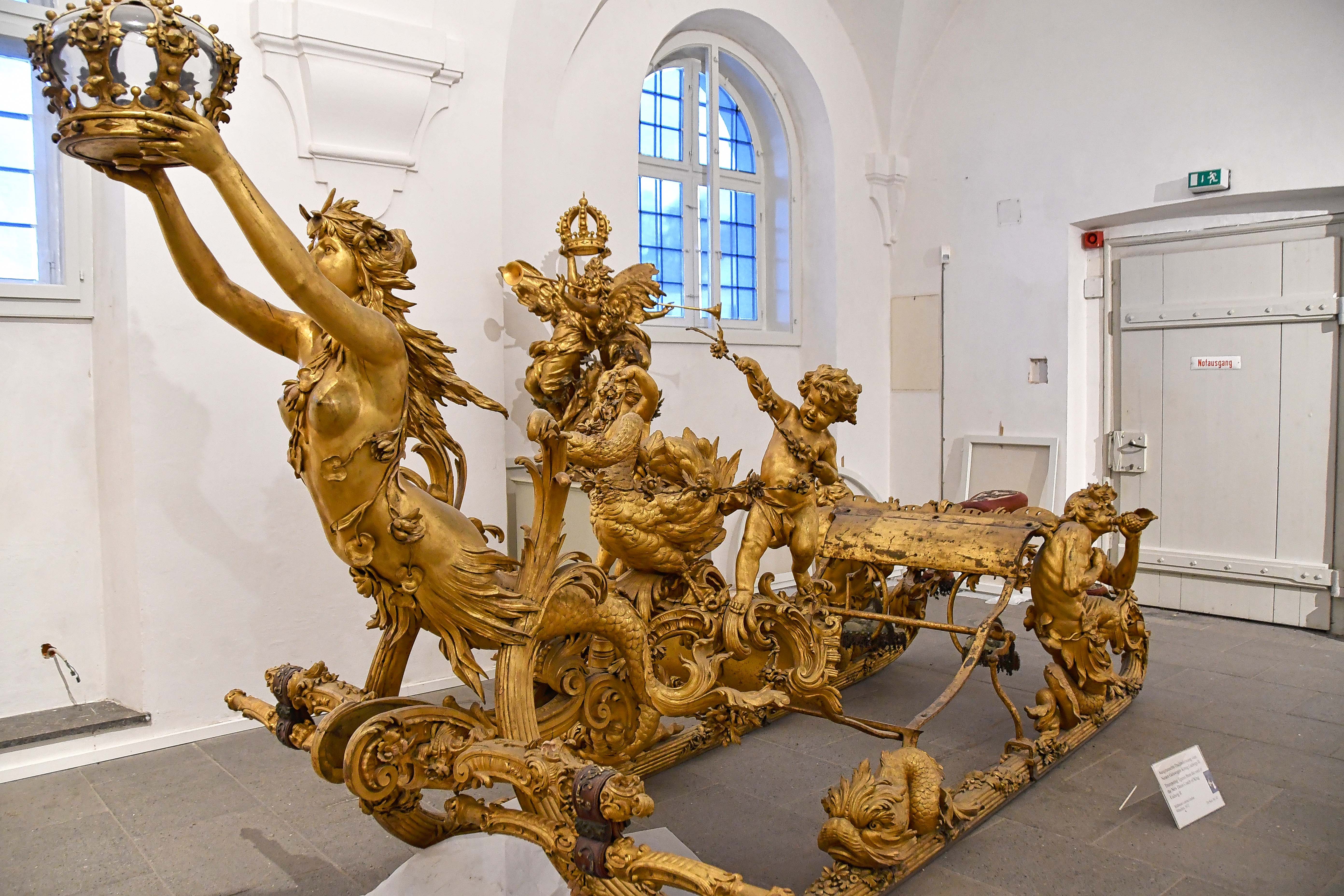
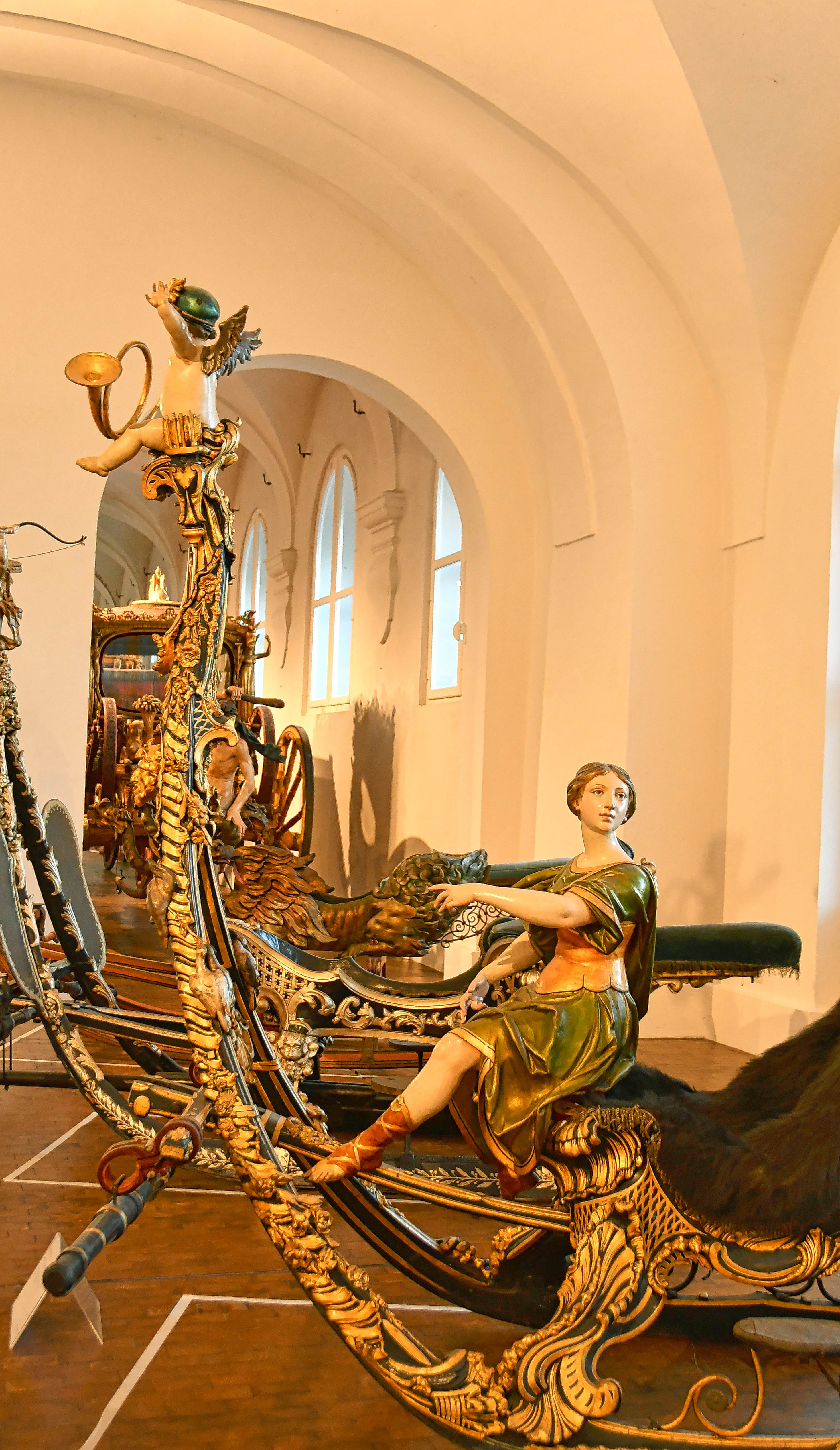
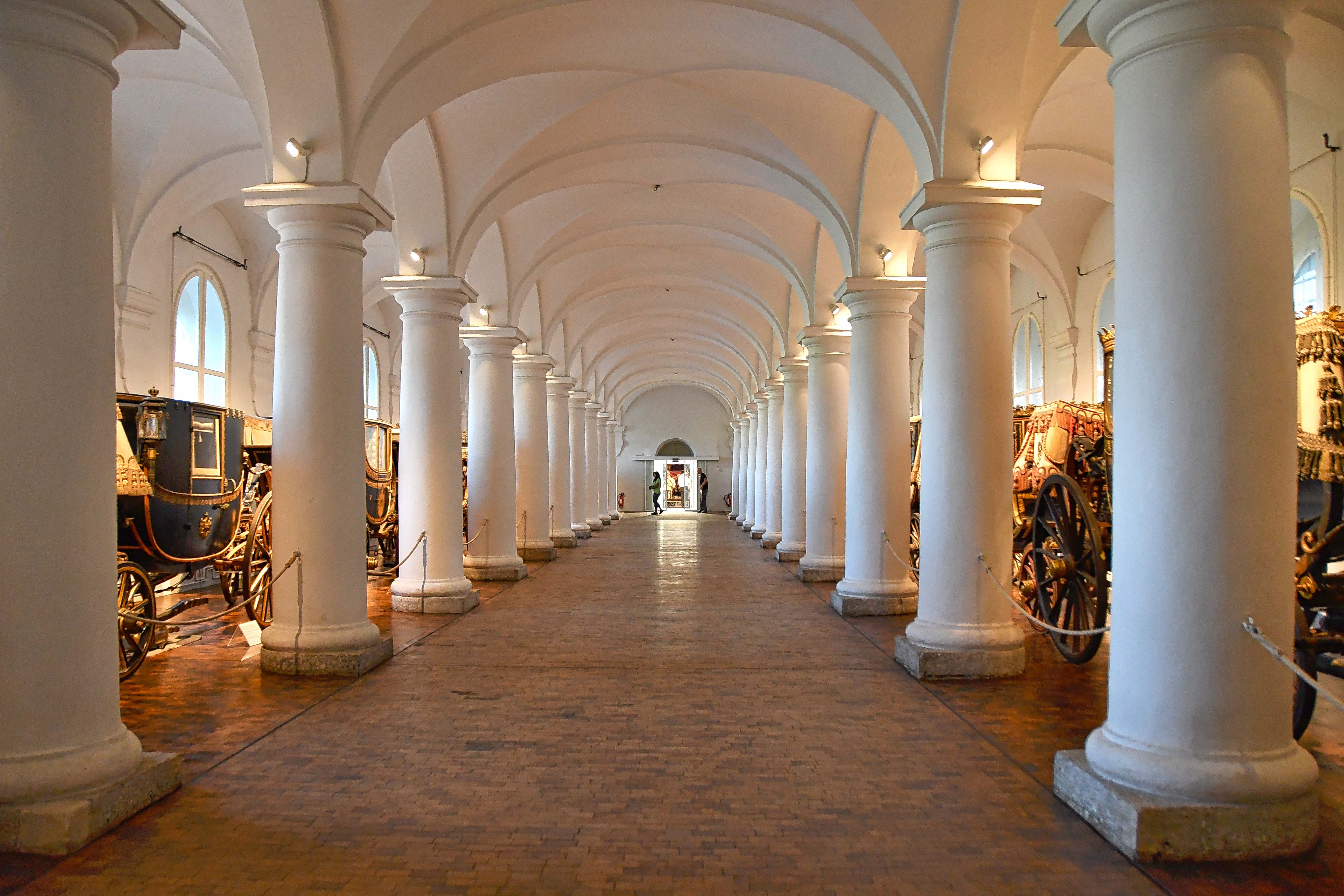
The former ‘Riding Stables’ of the Palace is one of the most important museums of court carriages, sleighs and equestrian culture in the world. The coronation coach of Emperor Karl VII is the showpiece displaying its’ beautiful French Rococo style.
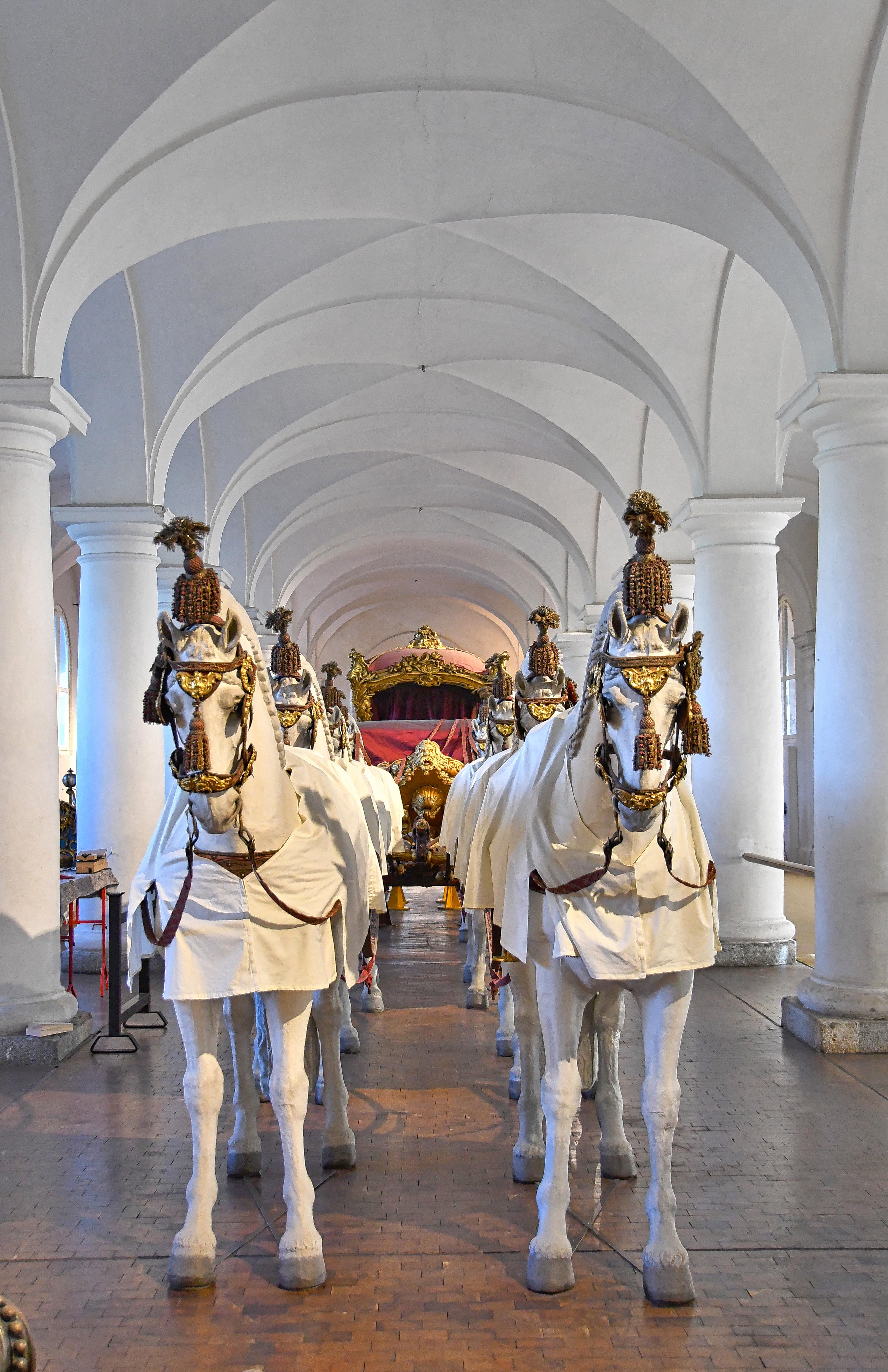
Front of the Coronation Coach


Back of the Coronation Coach
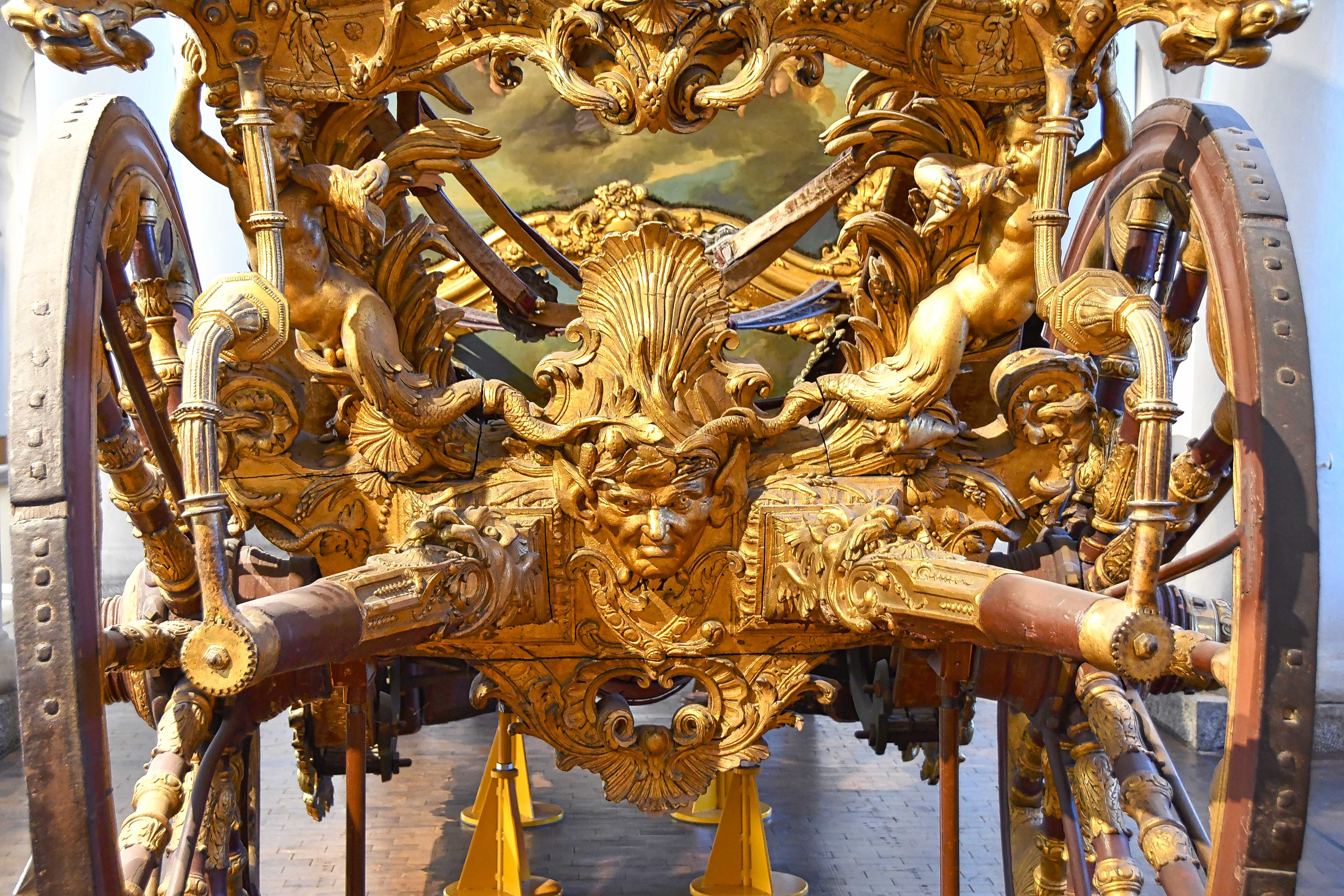
Closer look of the back of the coach
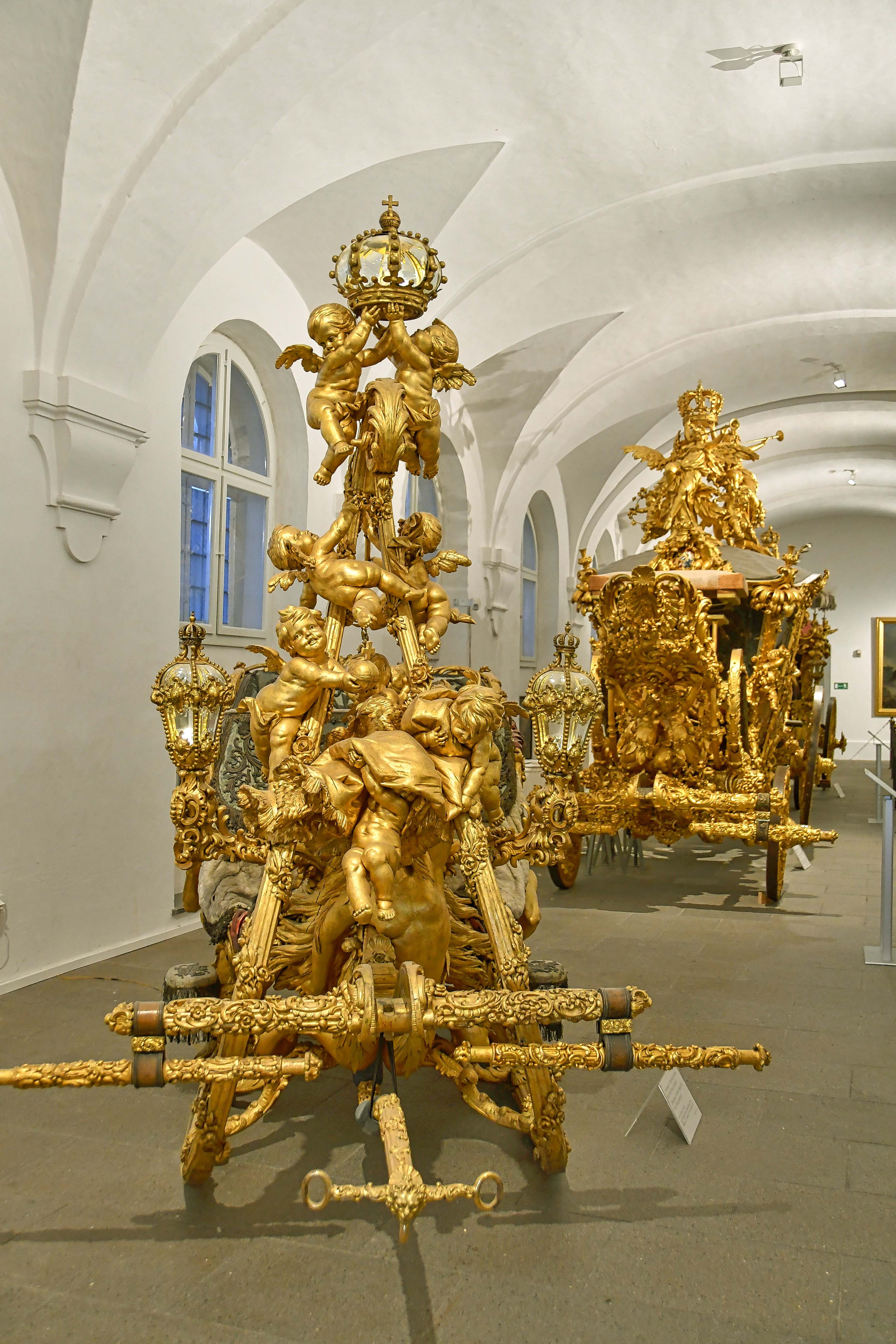
Front of a fancy sleigh

Coach of King Maximilian I Joseph

New Dress Coach of King Ludwig II



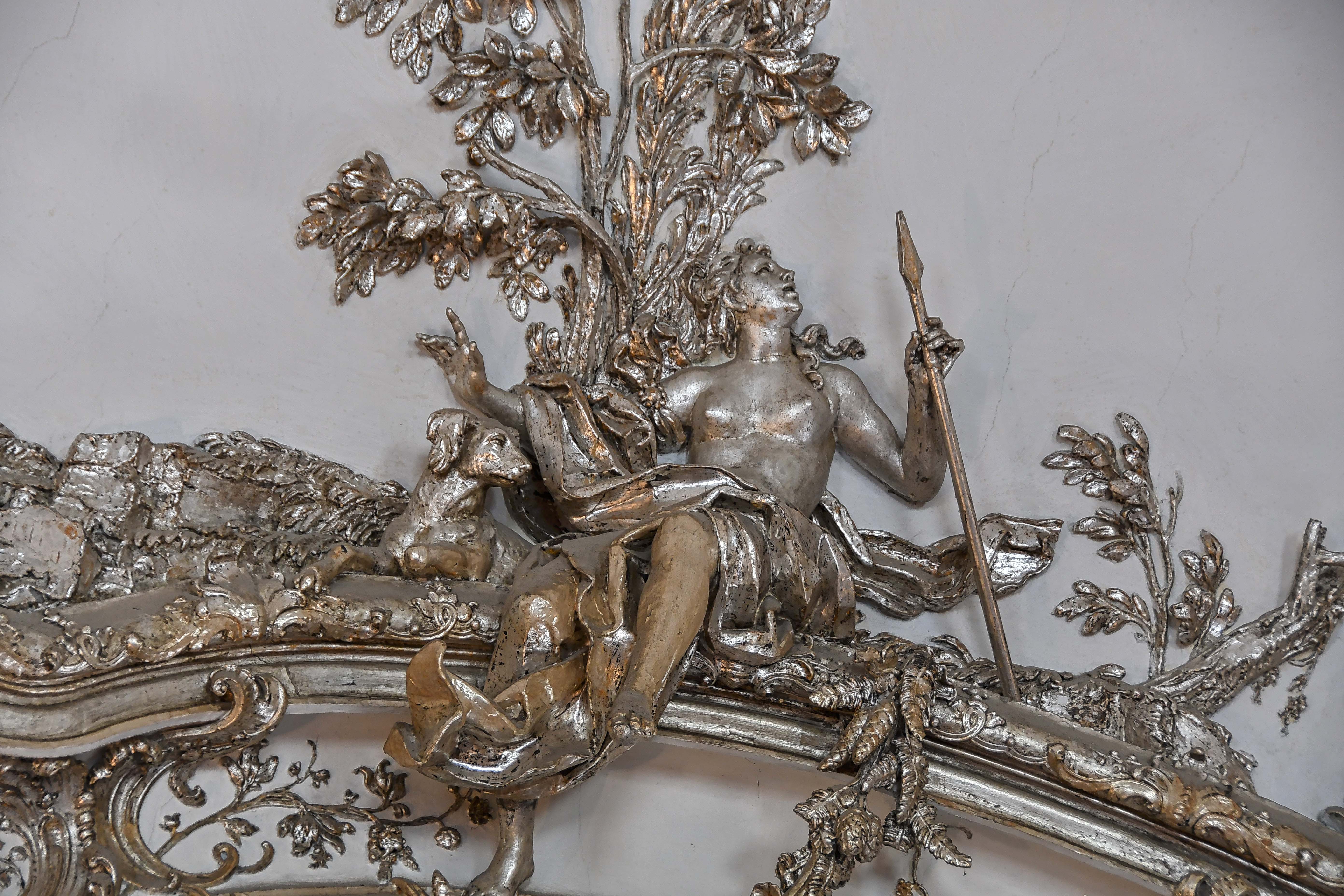
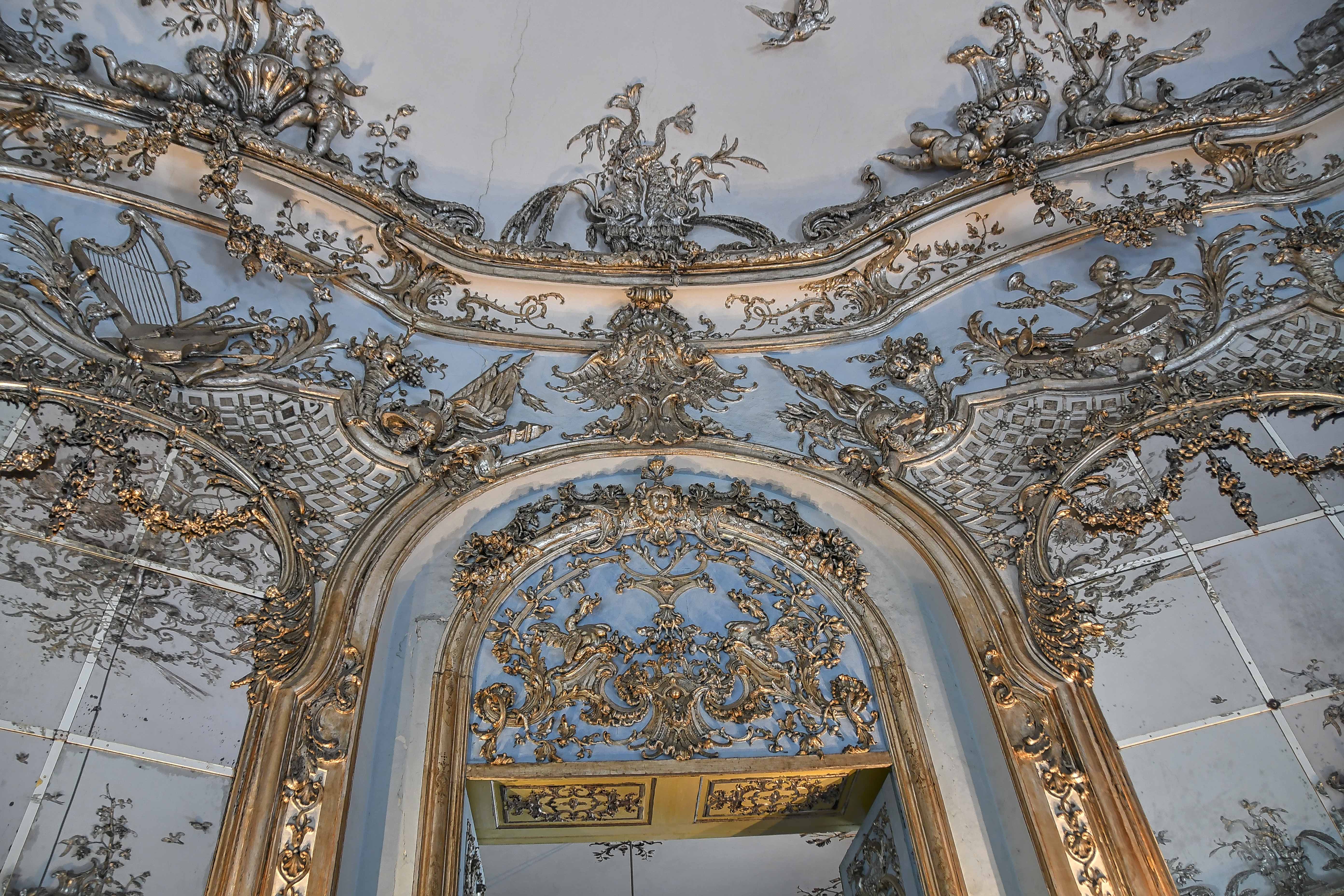
Munchen (Munich), Bavaria (8) – Schloss Nymphenburg – Amalienburg (Day Eight)
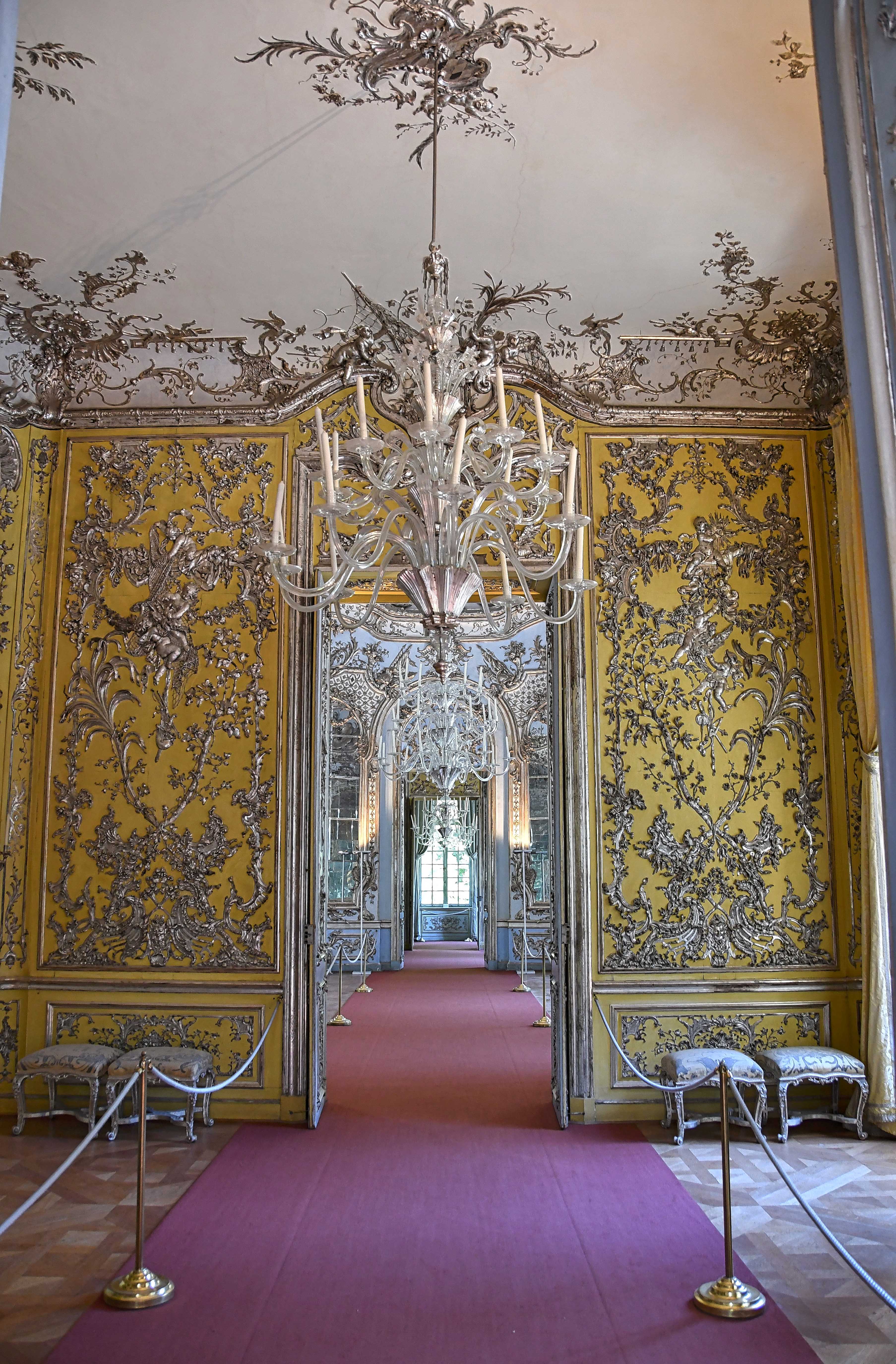
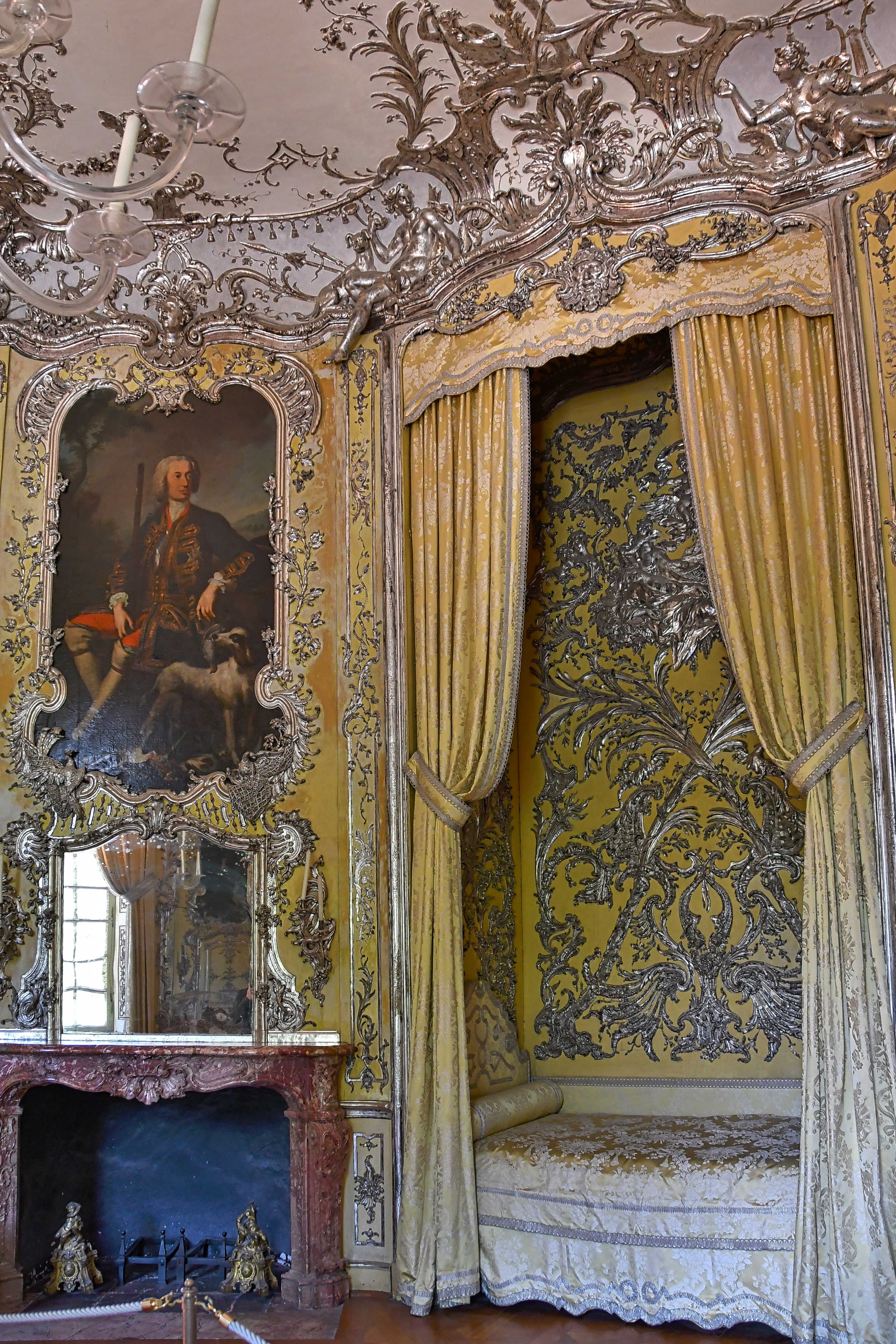
Elector Karl Albrecht dedicated this hunting lodge to his wife. It is one of the most exquisite examples of court architecture and decoration from the Rococo age.

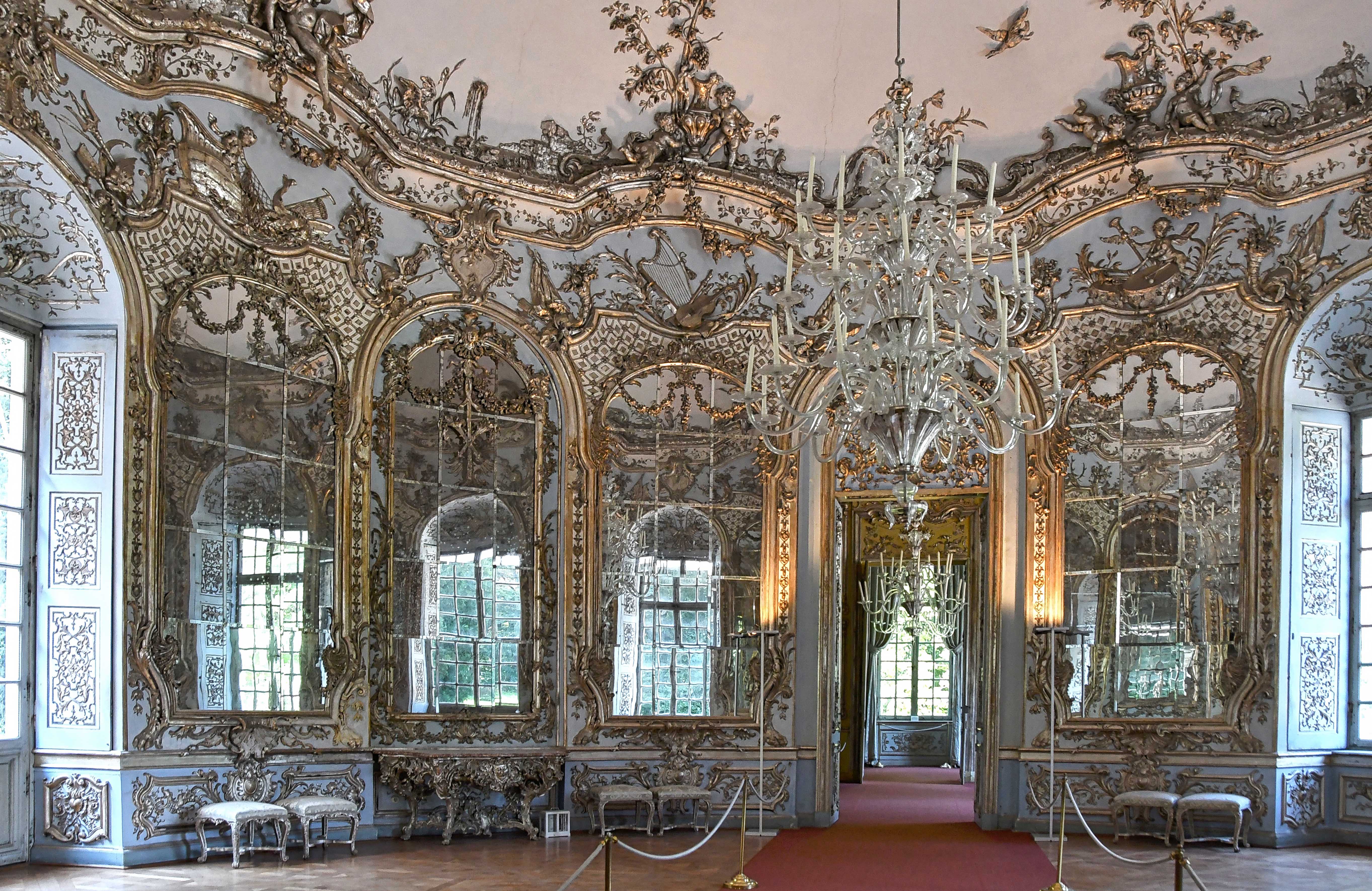




Munchen (Munich), Bavaria (7) – Schloss Nymphenburg – Badenburg (Day Eight)
The Badenburg was built from 1718 to 1721 during the reign of Elector Max Emanuel. Built in the Chinese fashion, this building contains the swimming pool, a great hall and a small apartment. The Chinoserie is very evident in every room we visited.

The great hall

The foyer
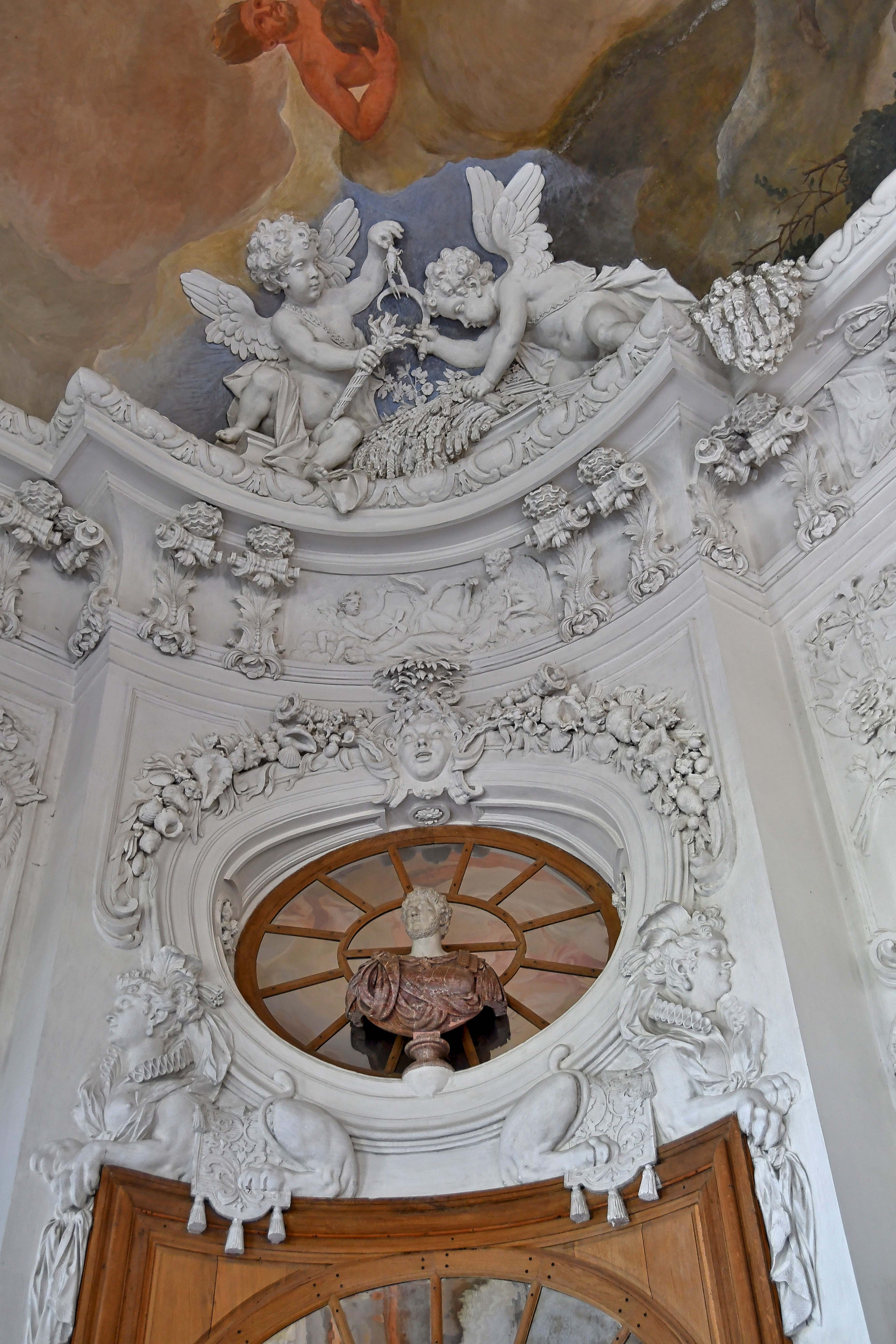
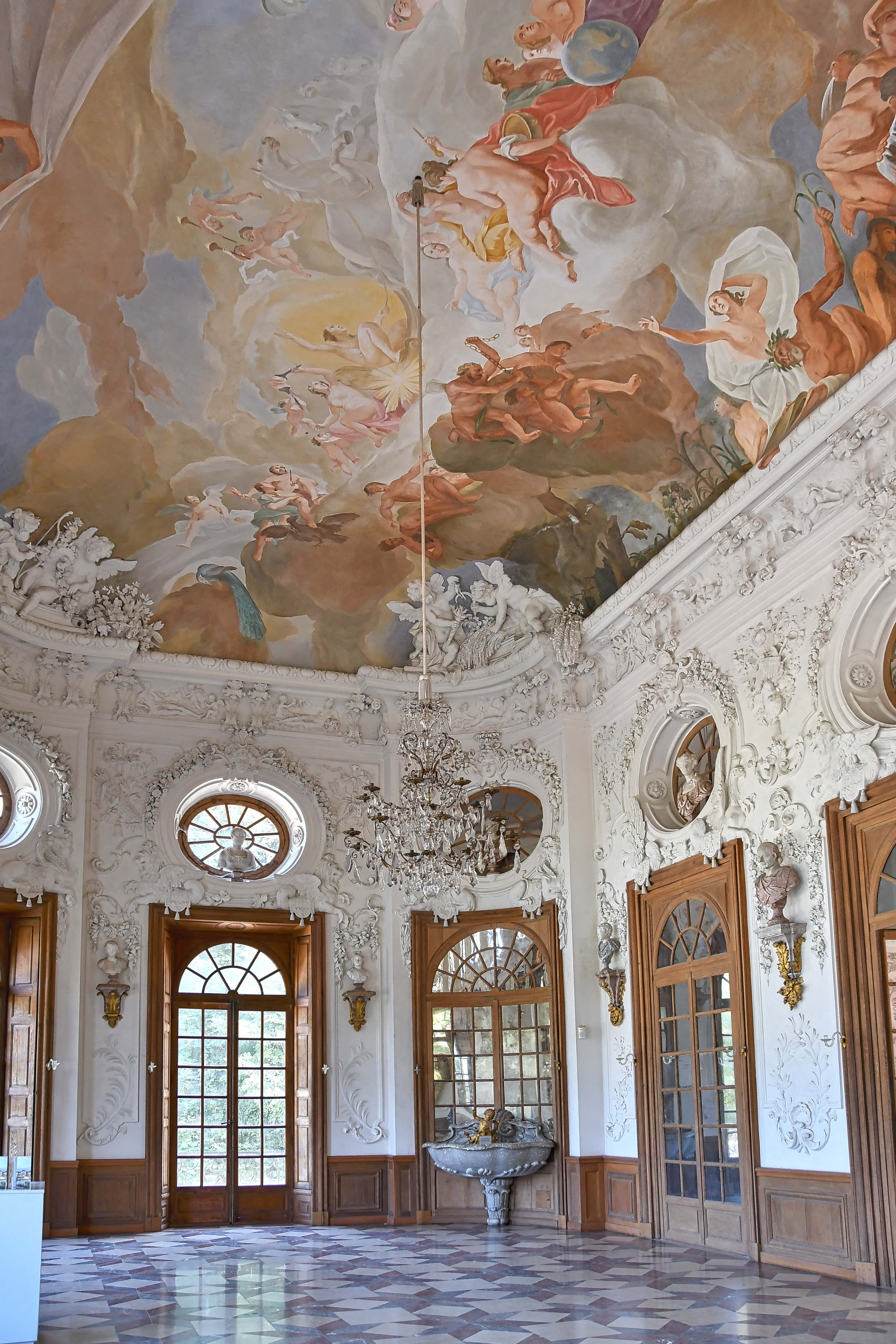


The dressing room

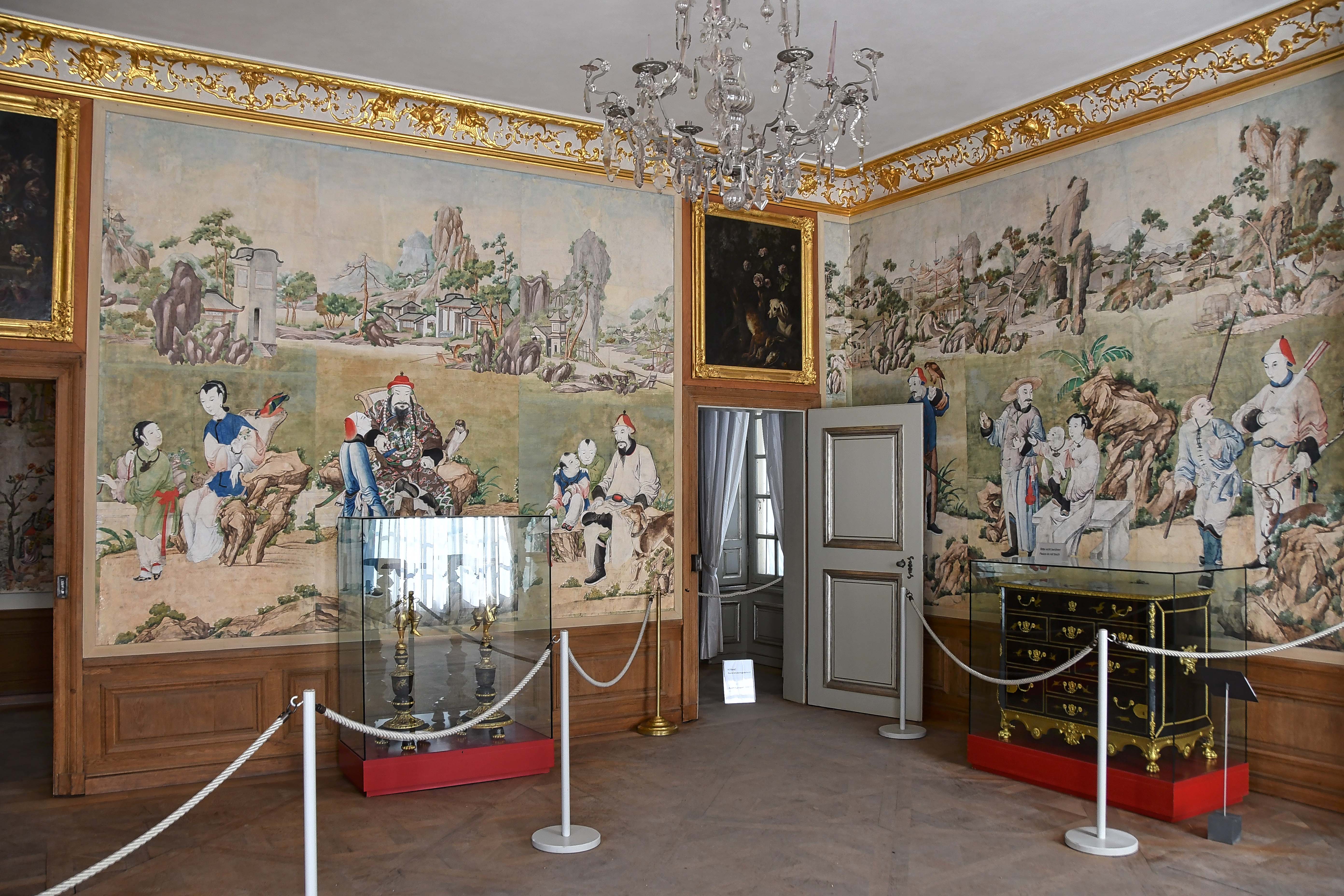
The bedroom
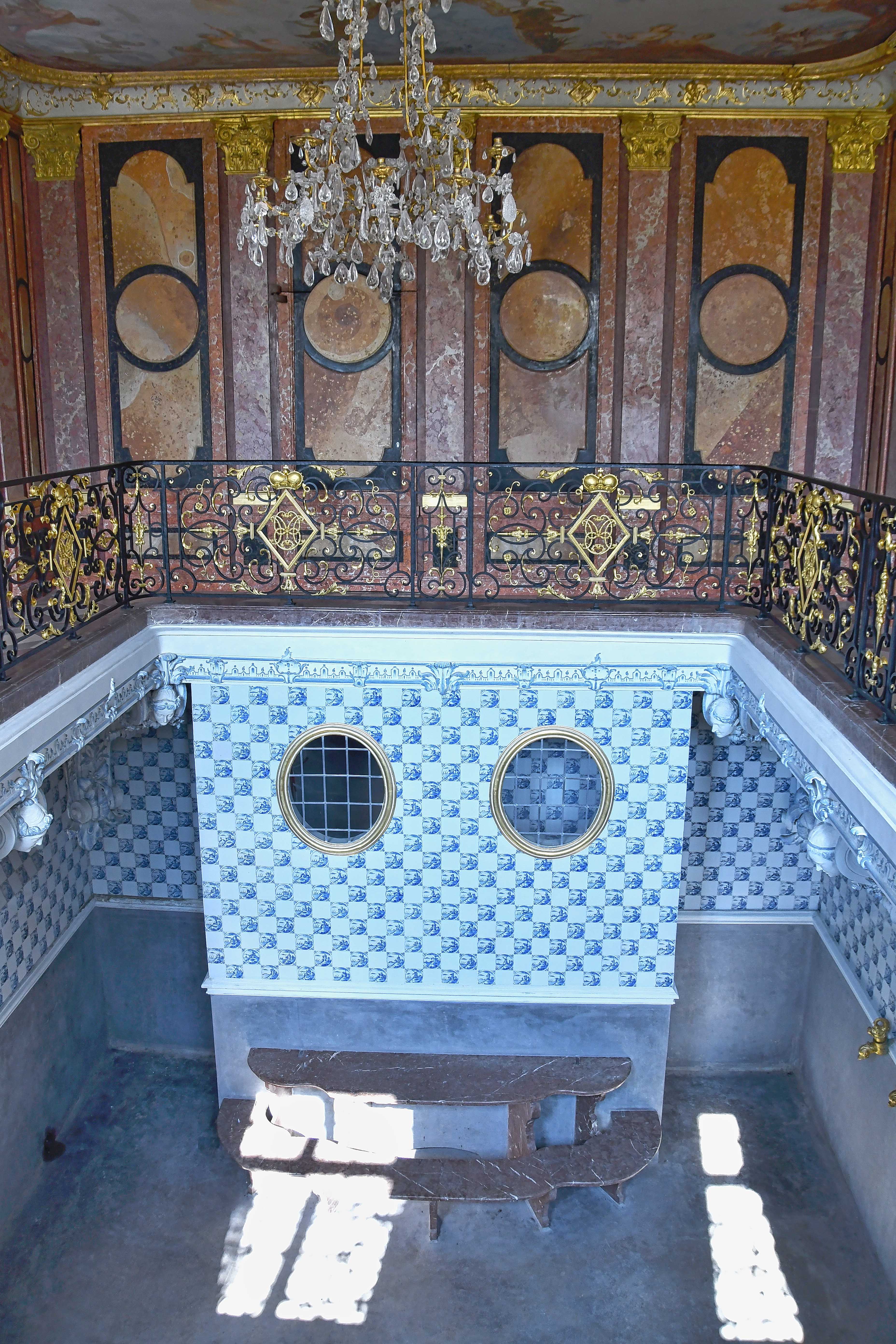
The swimming pool

A closeup of the five different marbles used
Munchen (Munich), Bavaria (6) – Schloss Nymphenburg – Pagodenburg (Day Eight)
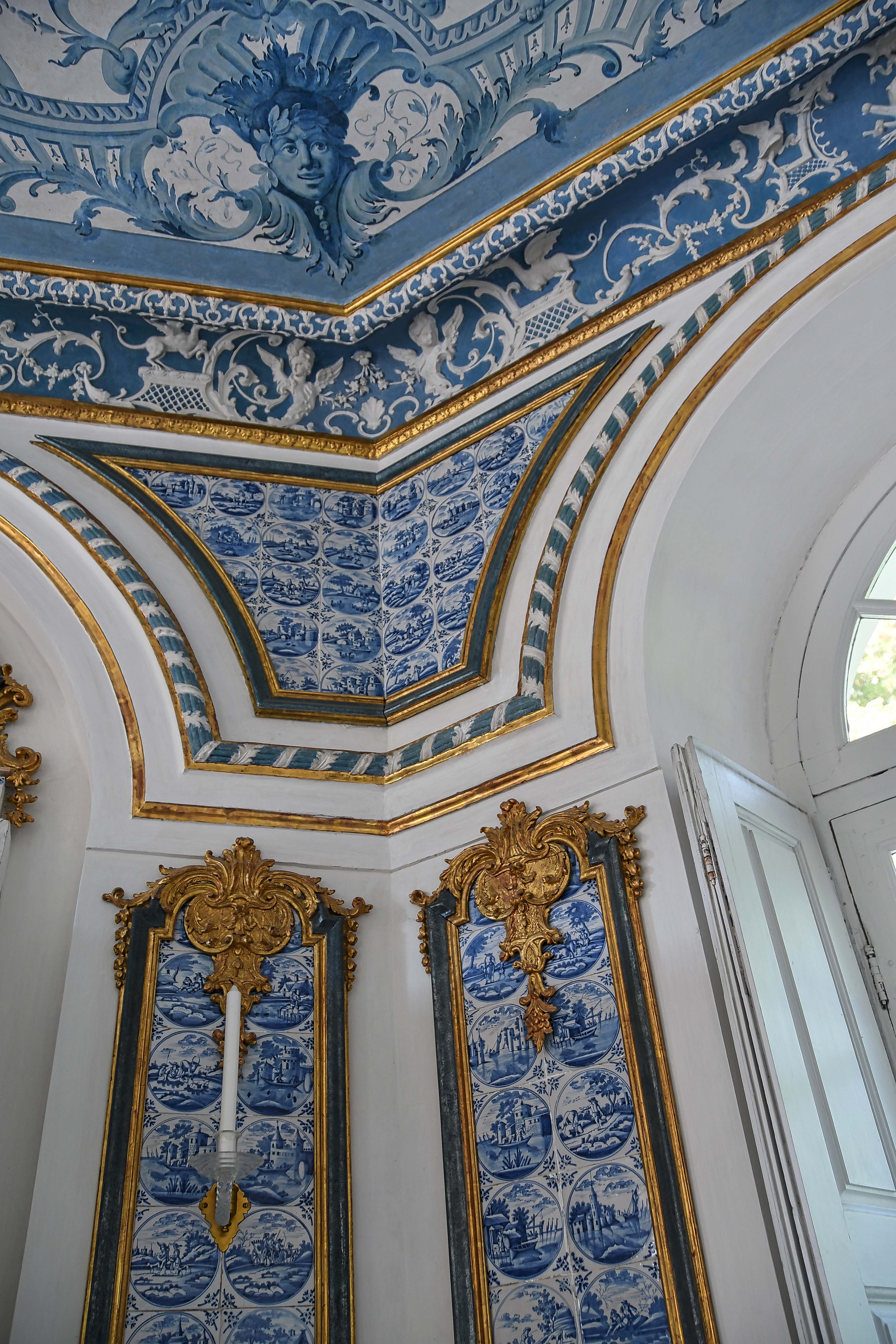
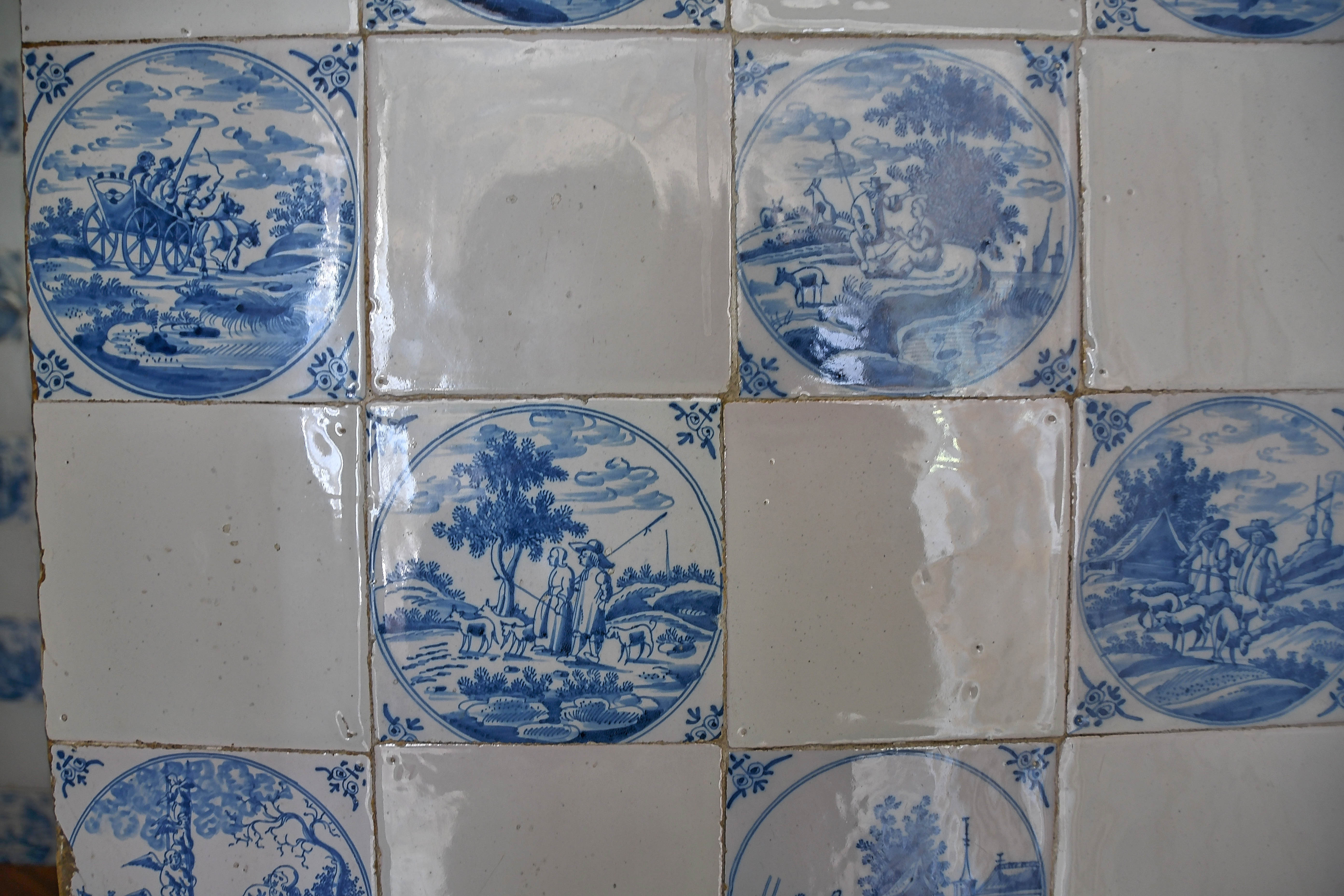
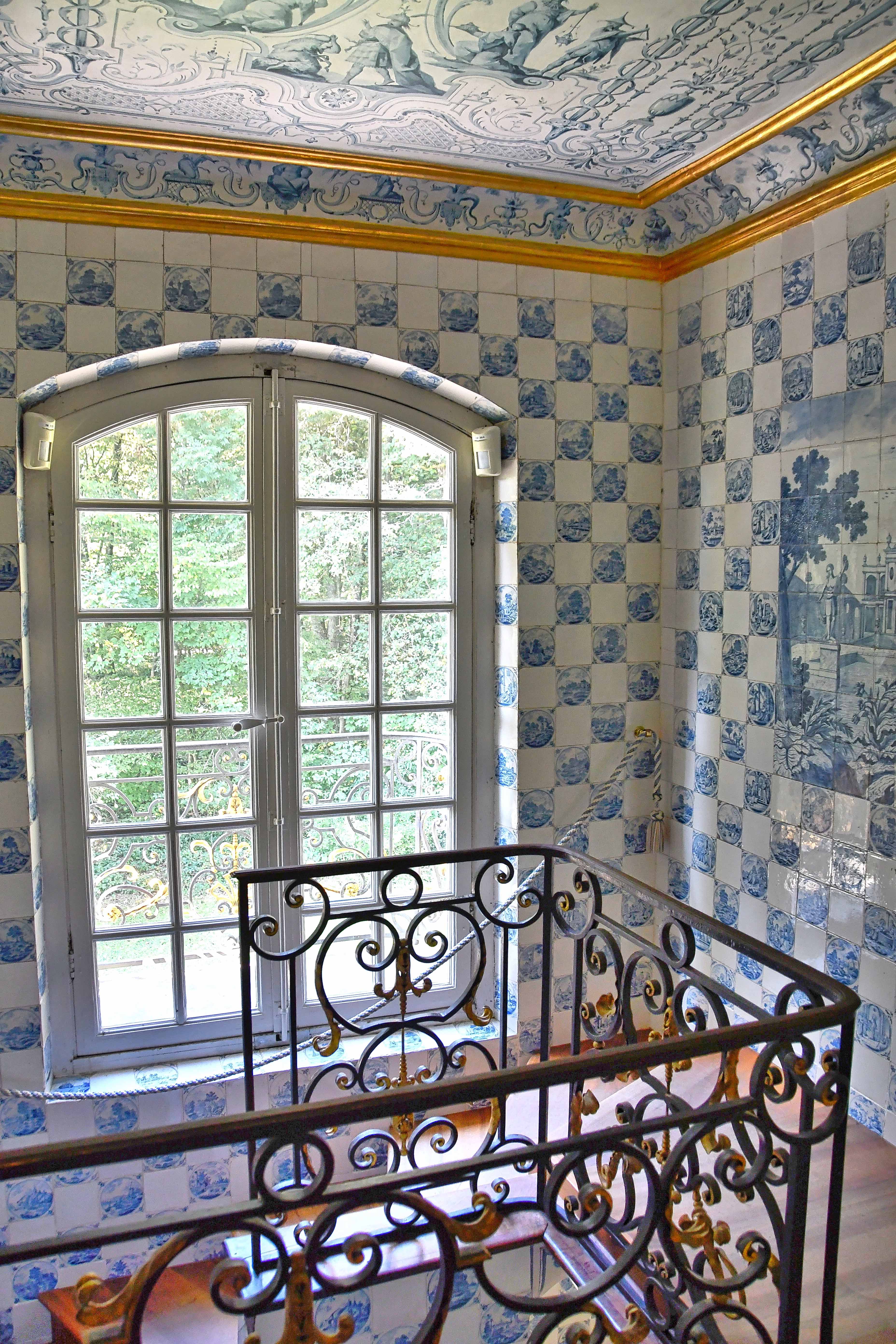
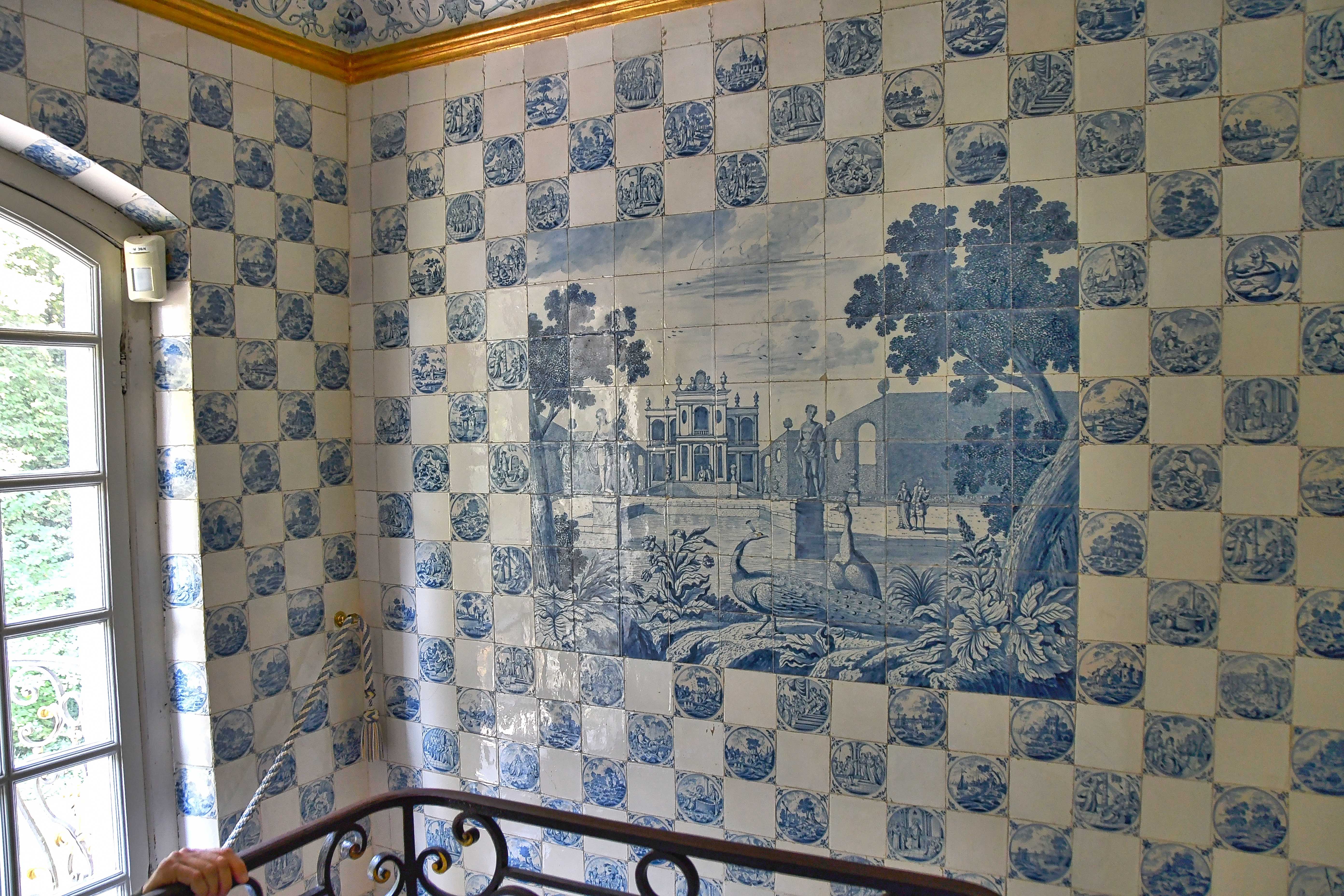
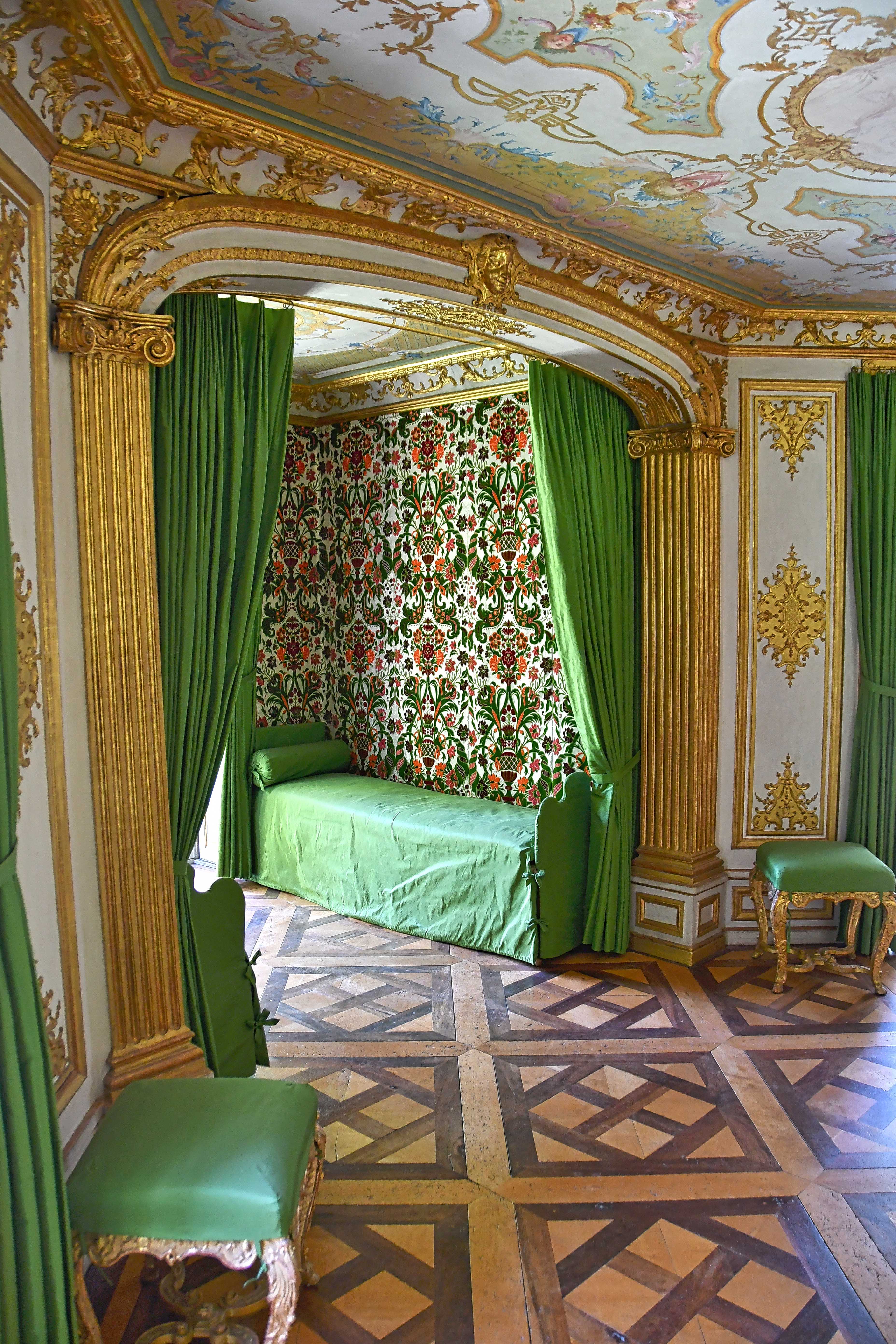
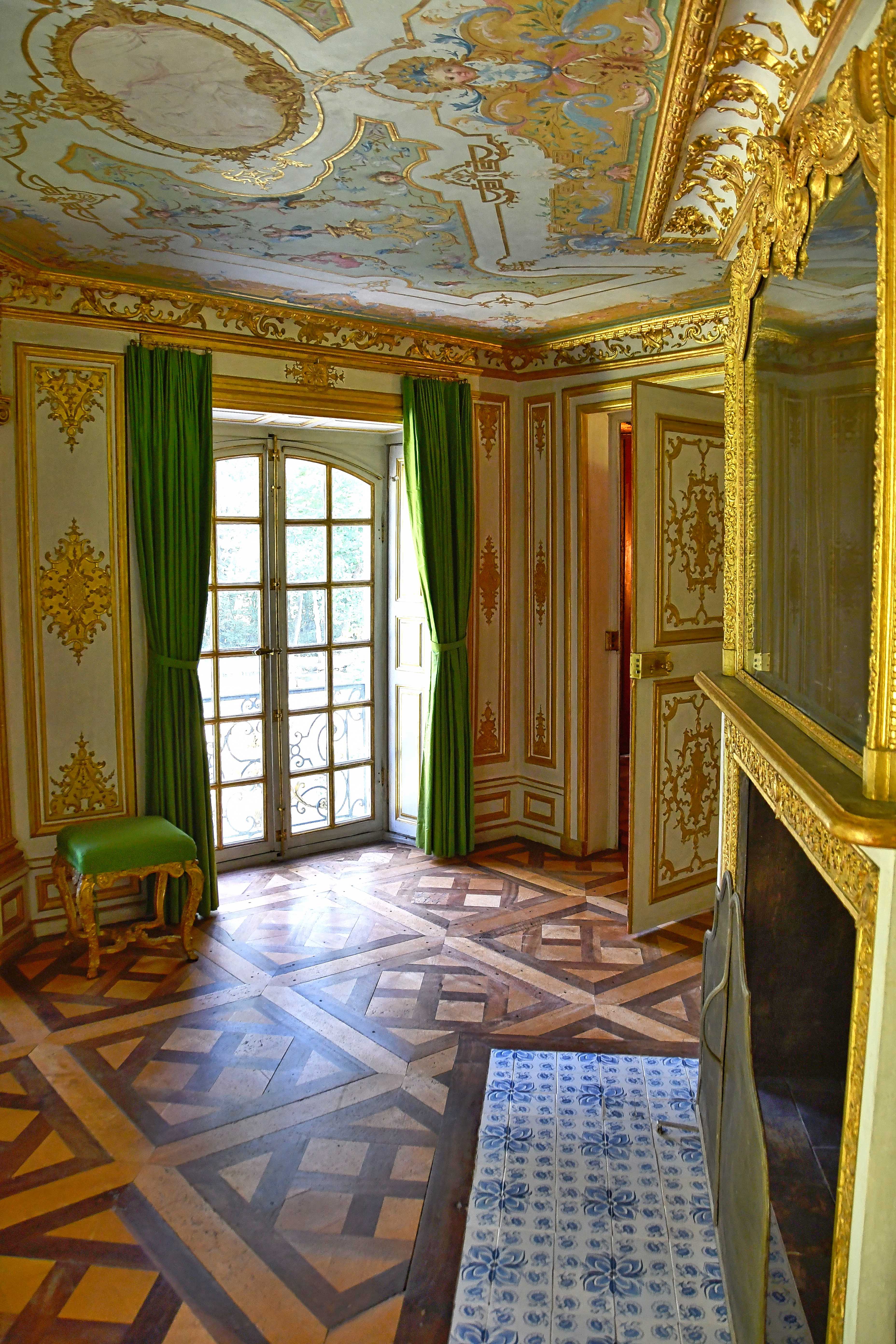
The Pagodenburg, built in 1716 to 1721 by the architect Joseph Effner is the first of the park pavilions. The Chinese atmosphere is an excellent style that was popular in early 18th-century Europe. Each of the blue and white tiles were individually painted. As hard as I tried, I couldn’t find any that were identical.

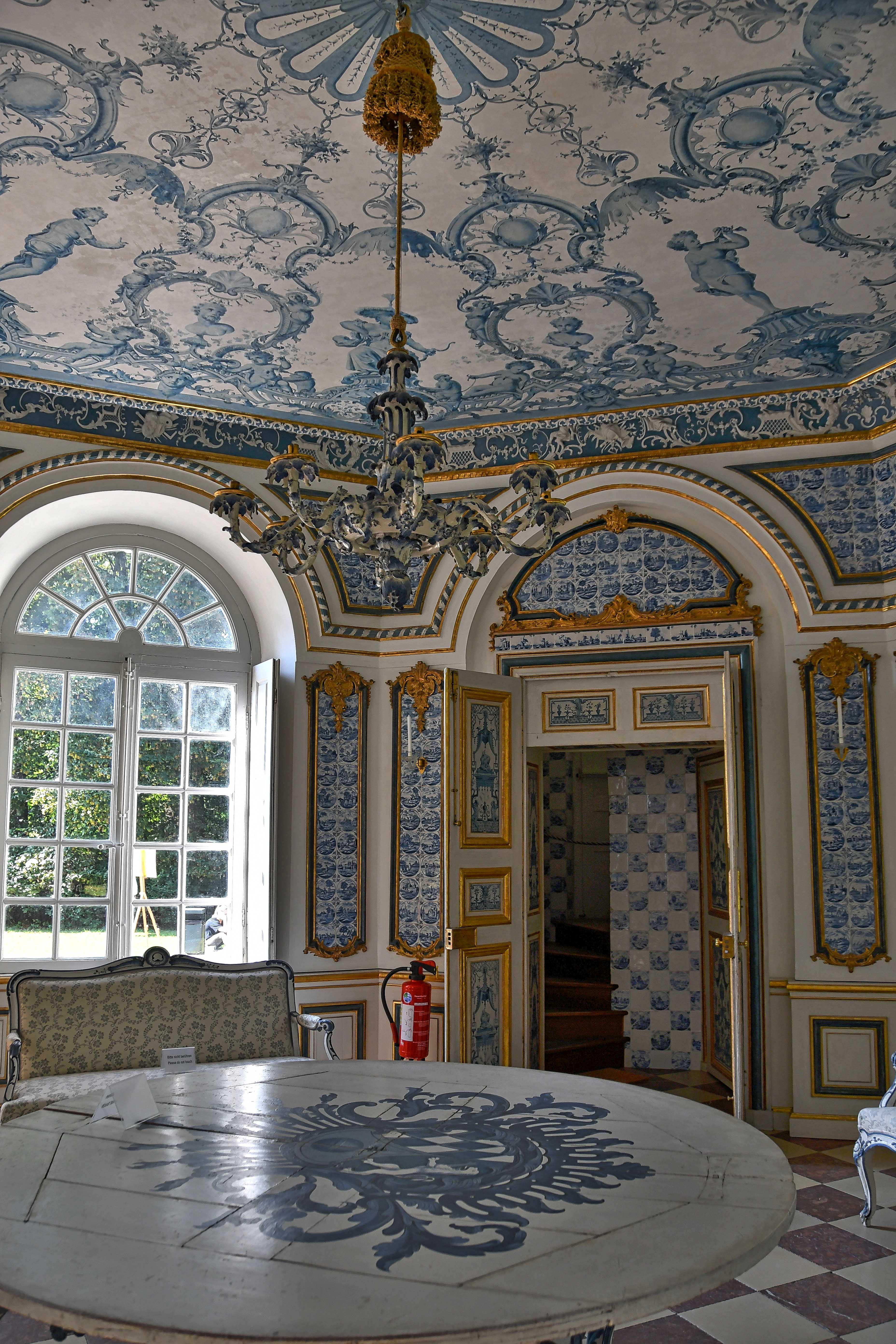



Munchen (Munich), Bavaria (5) – Schloss Nymphenburg – The Palace Park (Day Eight)
The Palace Park has 180 hectares of manicured lawns, trimmed bushes and natural forestry. Styled by garden architect Friedrich Ludwig von Sckell, it is one of the most outstanding parks in Germany. During the three hour walk we will come across incredible architecture which will be posted in the upcoming posts (Pagodenburg, Badenburg, Amalienburg and the Carriage House).

Looking straight down from the centre of the palace to the Grand Canal. We travelled along the right-hand side to the Grand Cascade and back up again on the left-hand side.
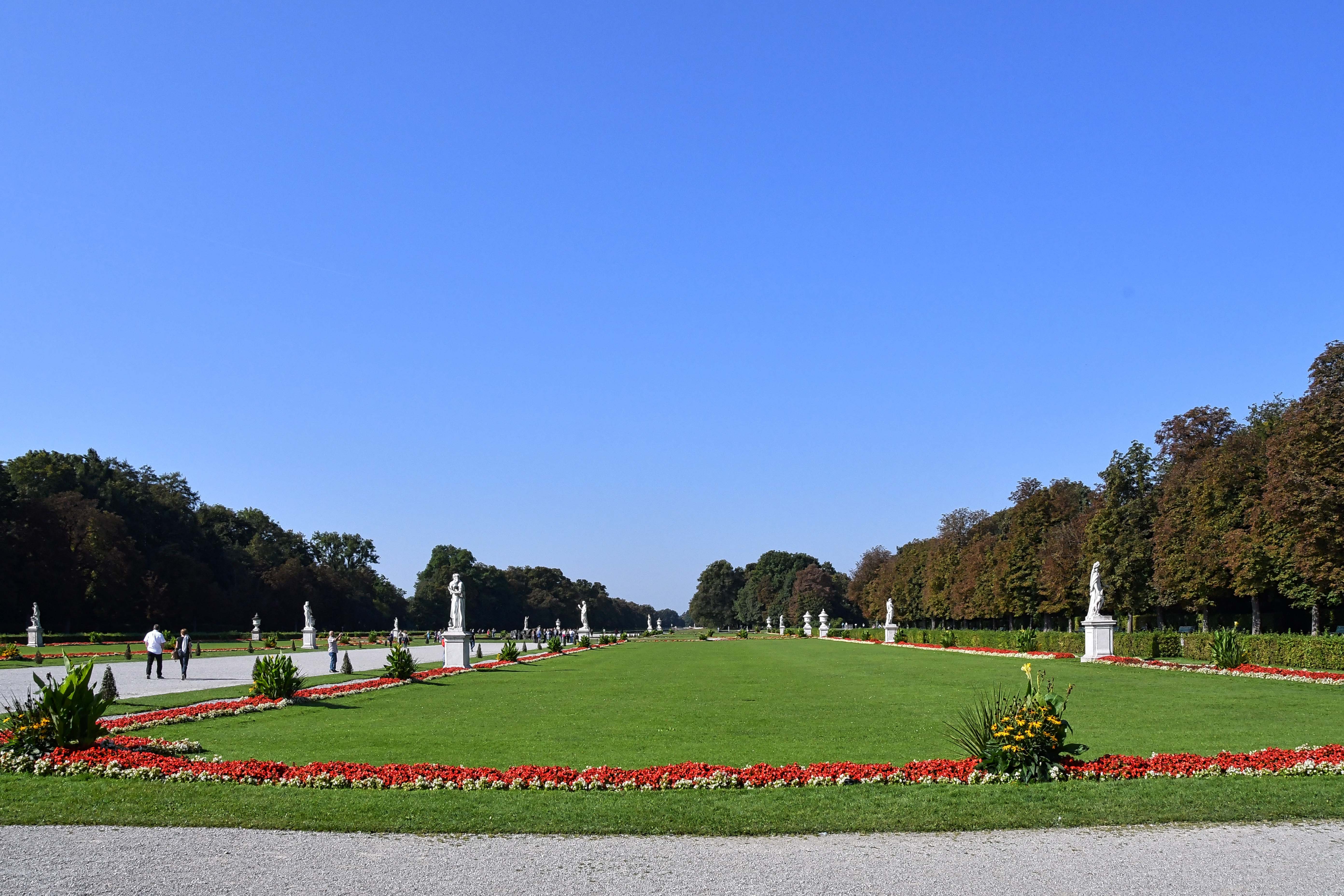
Under the trees on the right-hand side is a path that runs parallel with the main path. We took this route as refuge from the heat.

The Grand Canal

Taking a few side trips away from the main path, we come across thick forest and small brooks

Pagodenburg Lake

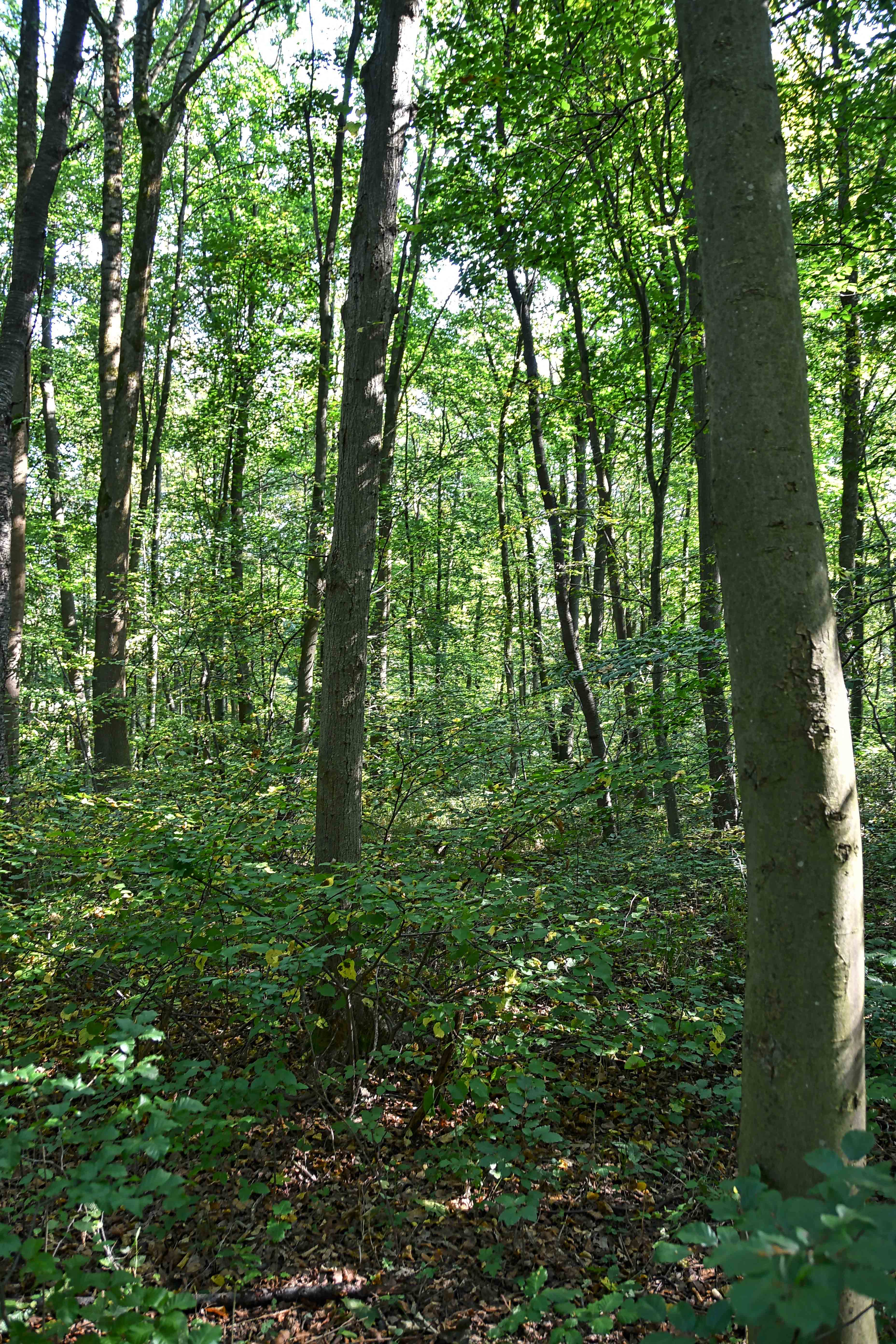
All of the external buildings were located within thick wooded areas. Being a very warm day, it made our visit more enjoyable.

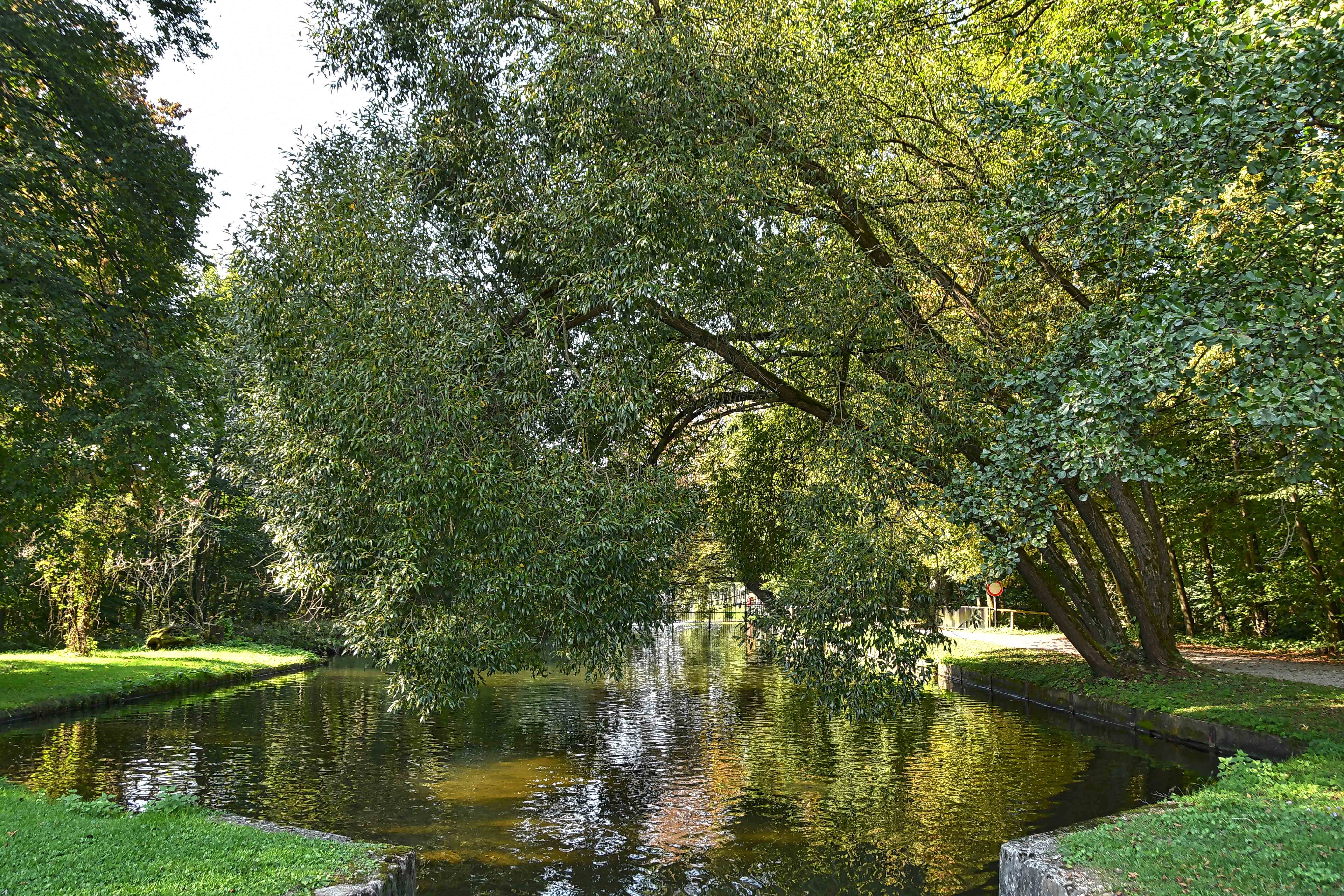

Looking back to the palace from the Grand Cascade.
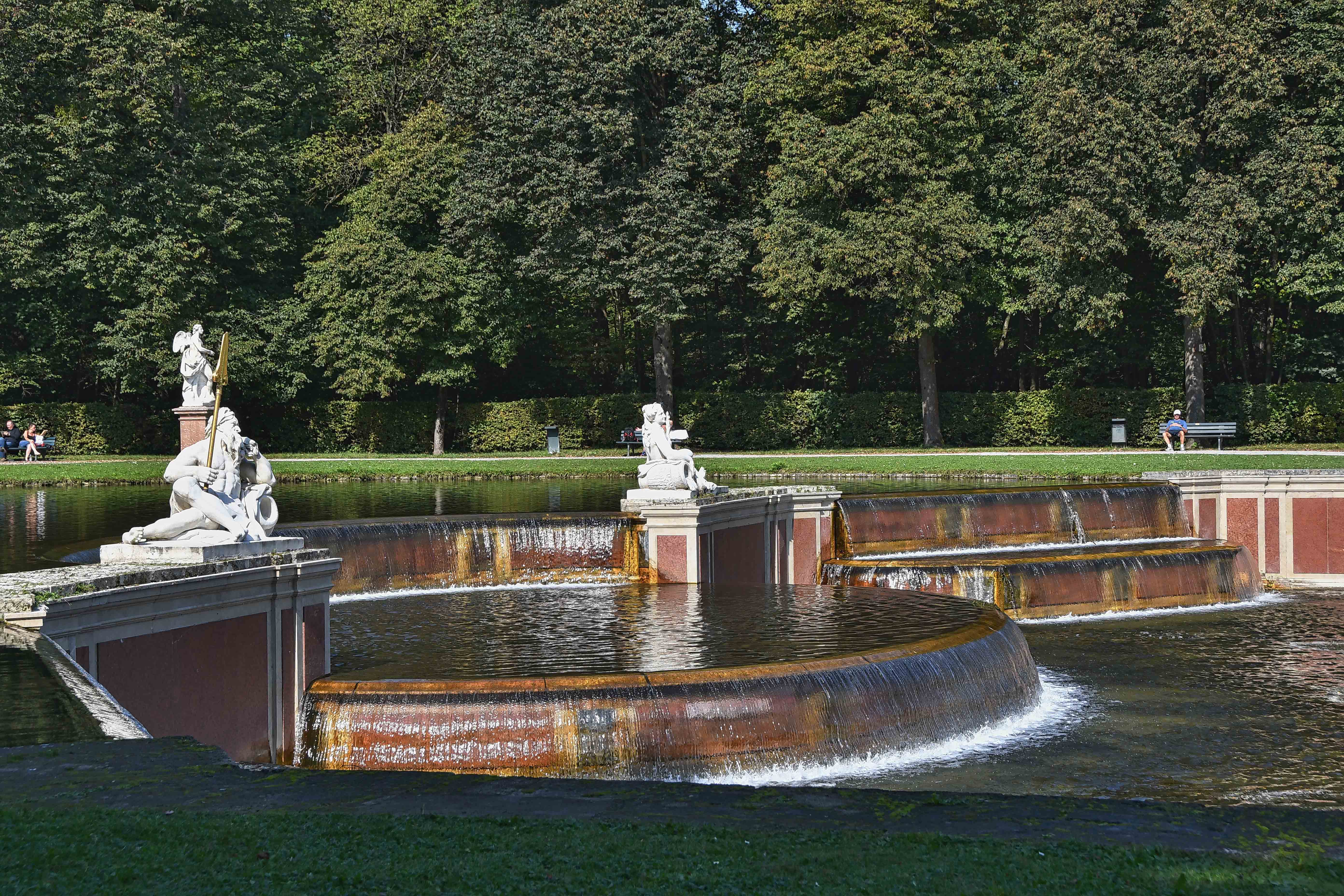
The Grand Cascade
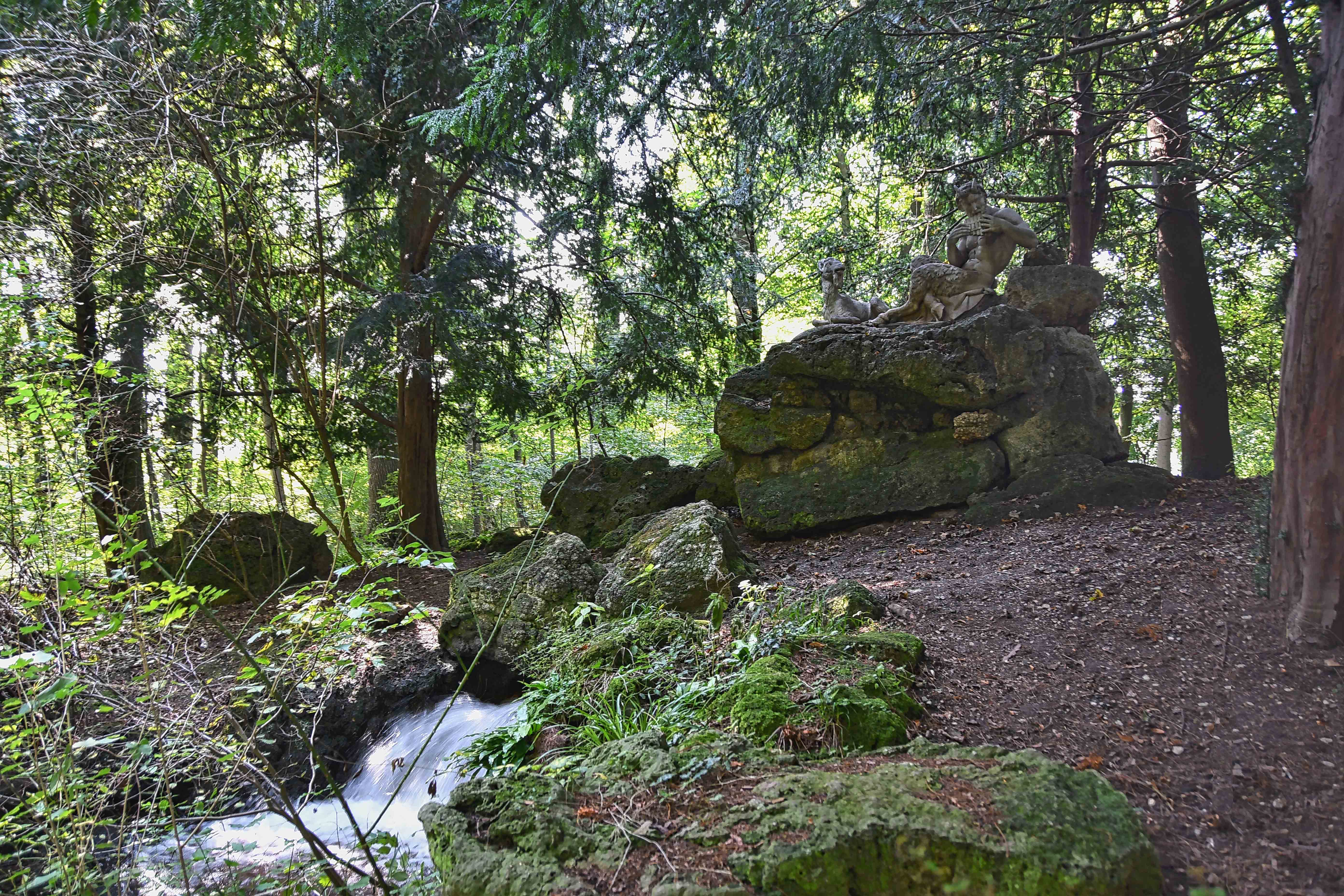
Heading back to the palace on the left-hand side of the garden, we come across the sculpture “Pan with Spring”

Munchen (Munich), Bavaria (4) – Schloss Nymphenburg Interior (Day Eight)
Inside Nymphenburg Palace was a bit mind-blowing. It was hard to relate the elaborate lifestyle that existed in those early years.
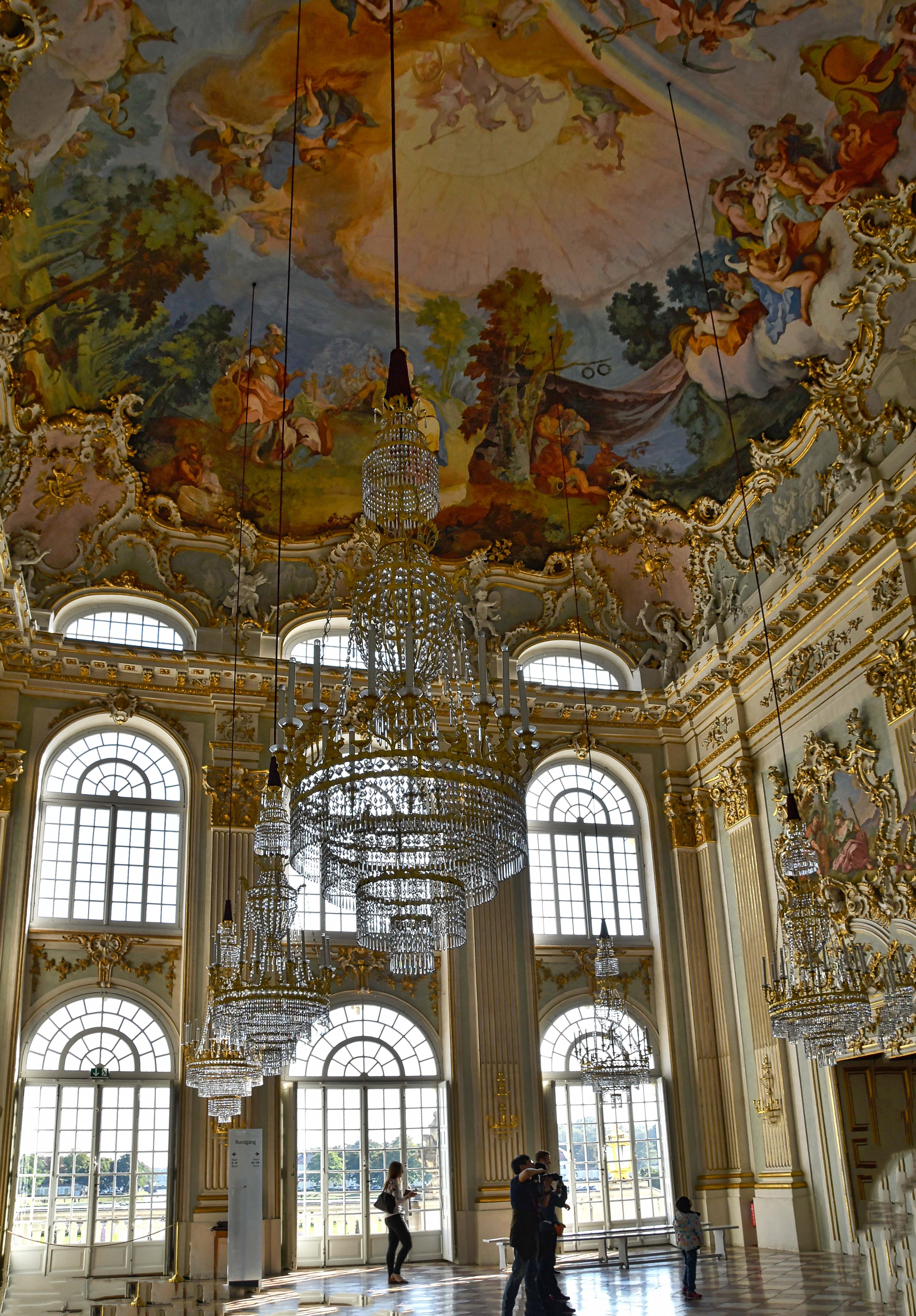
Great Hall
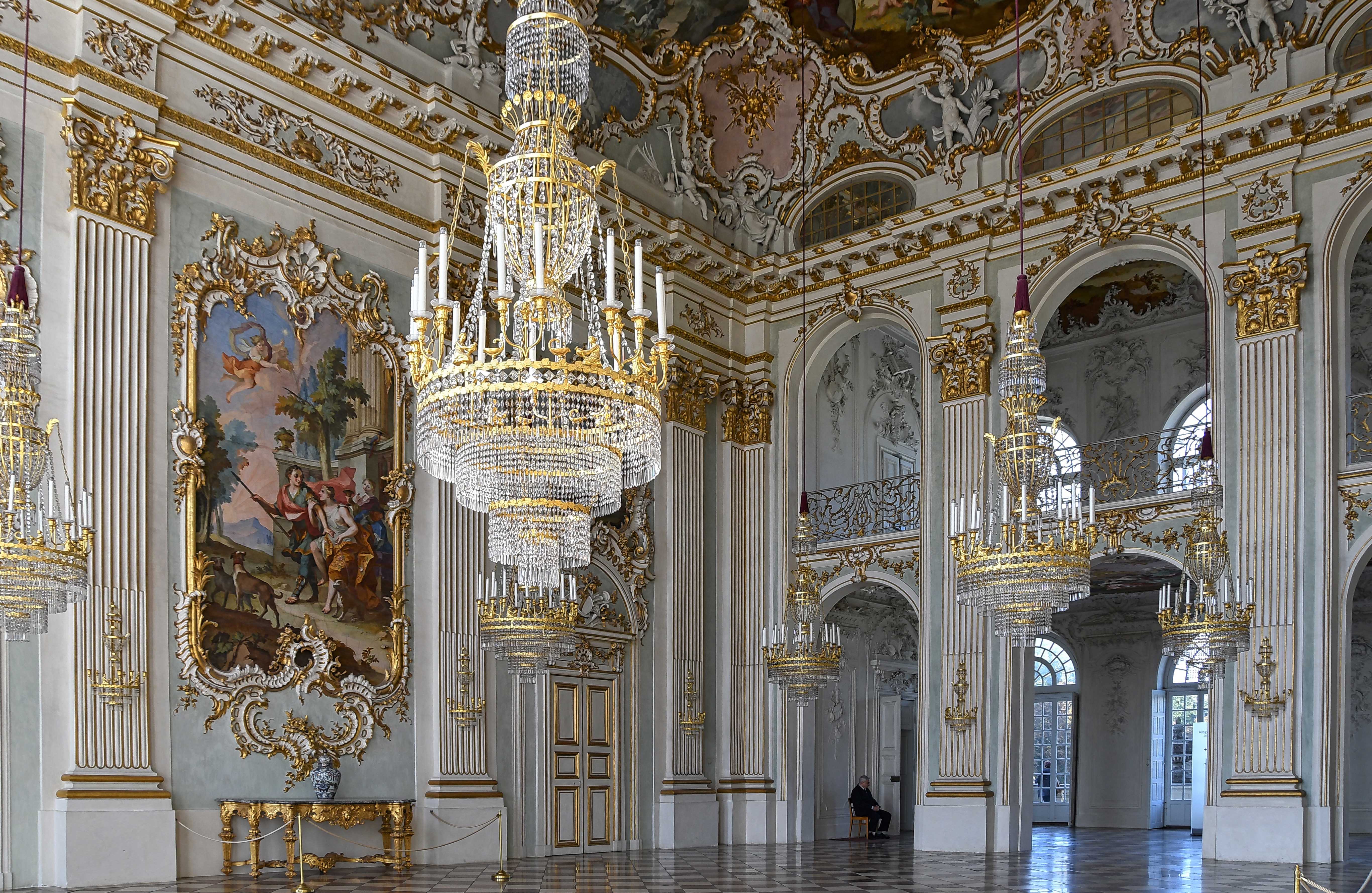
Great Hall
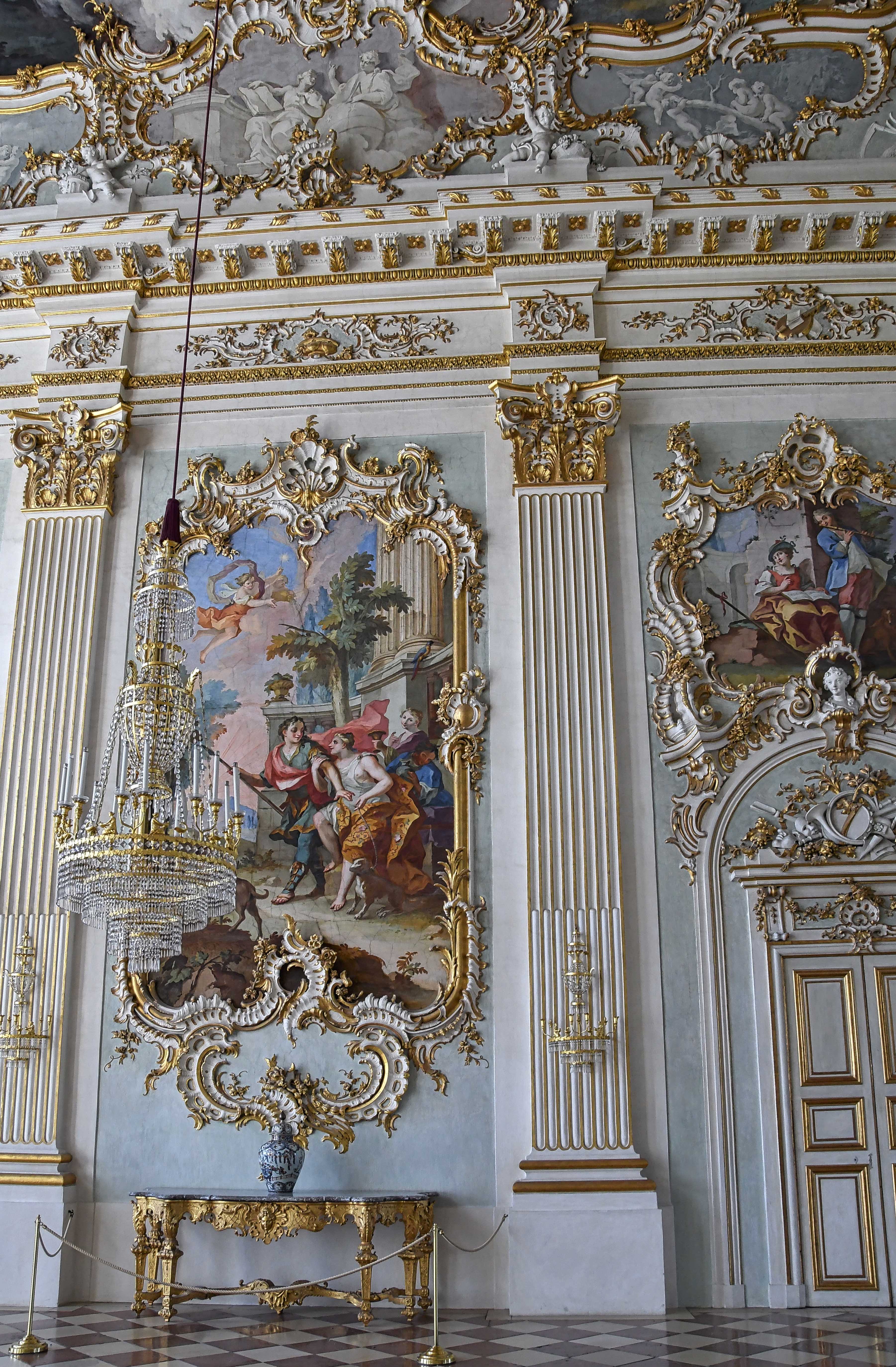
Great Hall

The South Apartment, Antechamber
Portrait of Henriette Adelaide and Ferdinand Maria on the right and the earth goddess Cybele on the ceiling
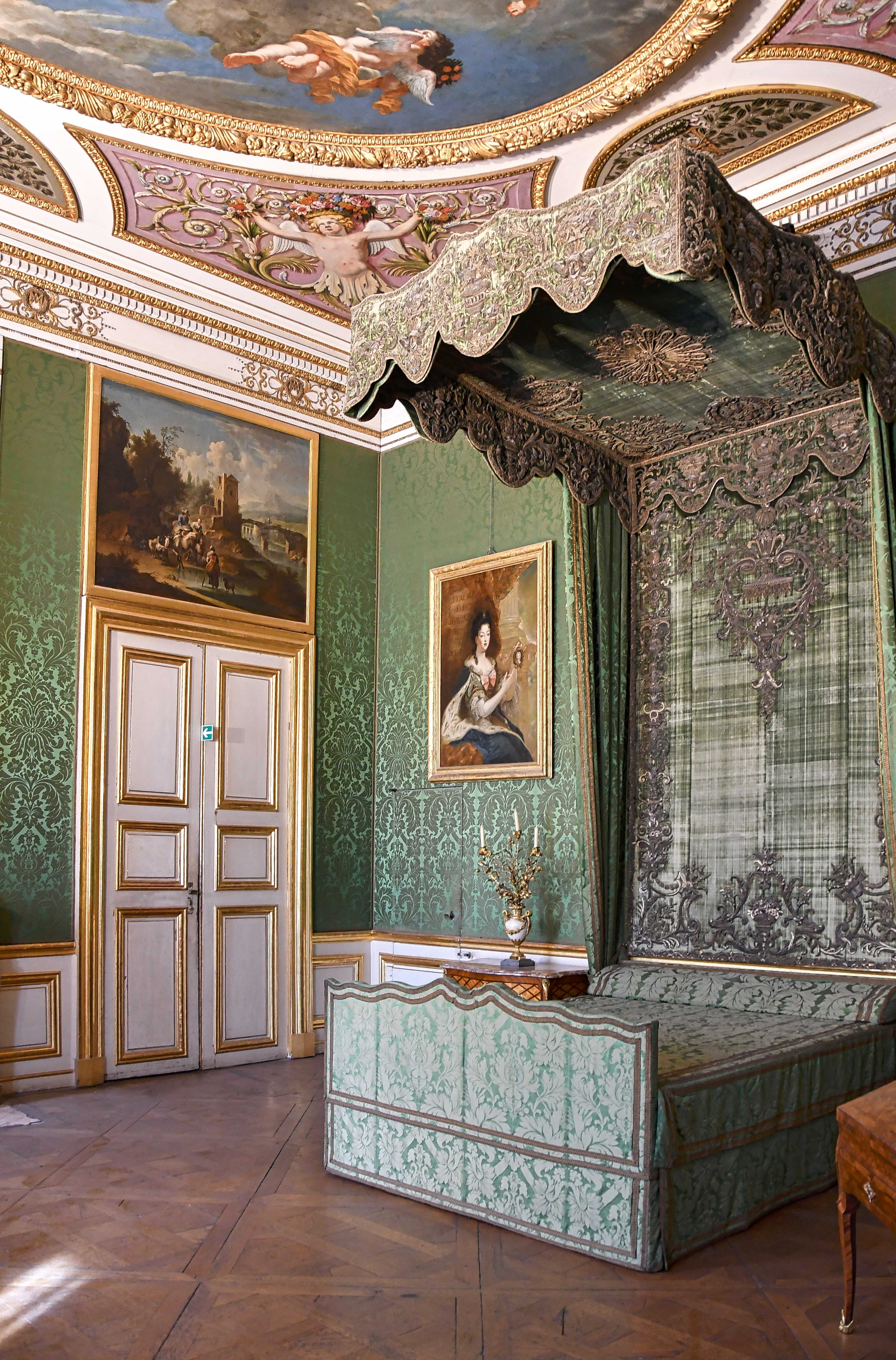
The South Apartment, Bedroom of electress, Therese Kunigunde
The portrait on the wall shows the electress is holding a medallion of her first-born, Electoral Prince Karl Albrecht.


King Ludwig I’s Gallery of Beauties
From 1826 to 1850, by order of King Ludwig I of Bavaria, Joseph Steeler painted the portraits of 36 beautiful women from a variety of social classes, ranging from the daughter of a shoemaker to the daughter of a king.

The Queen’s Study
The round table inlaid with exotic precious woods and pharaoh busts made of gilt bronze served as an inspiration for the further decoration of the room in the Egyptian fashion of the Napoleonic era..


The Queen’s Bedroom
Birthplace of King Ludwig II of Bavaria

The North Antechamber
Portrait of the Elector Max Emanuel
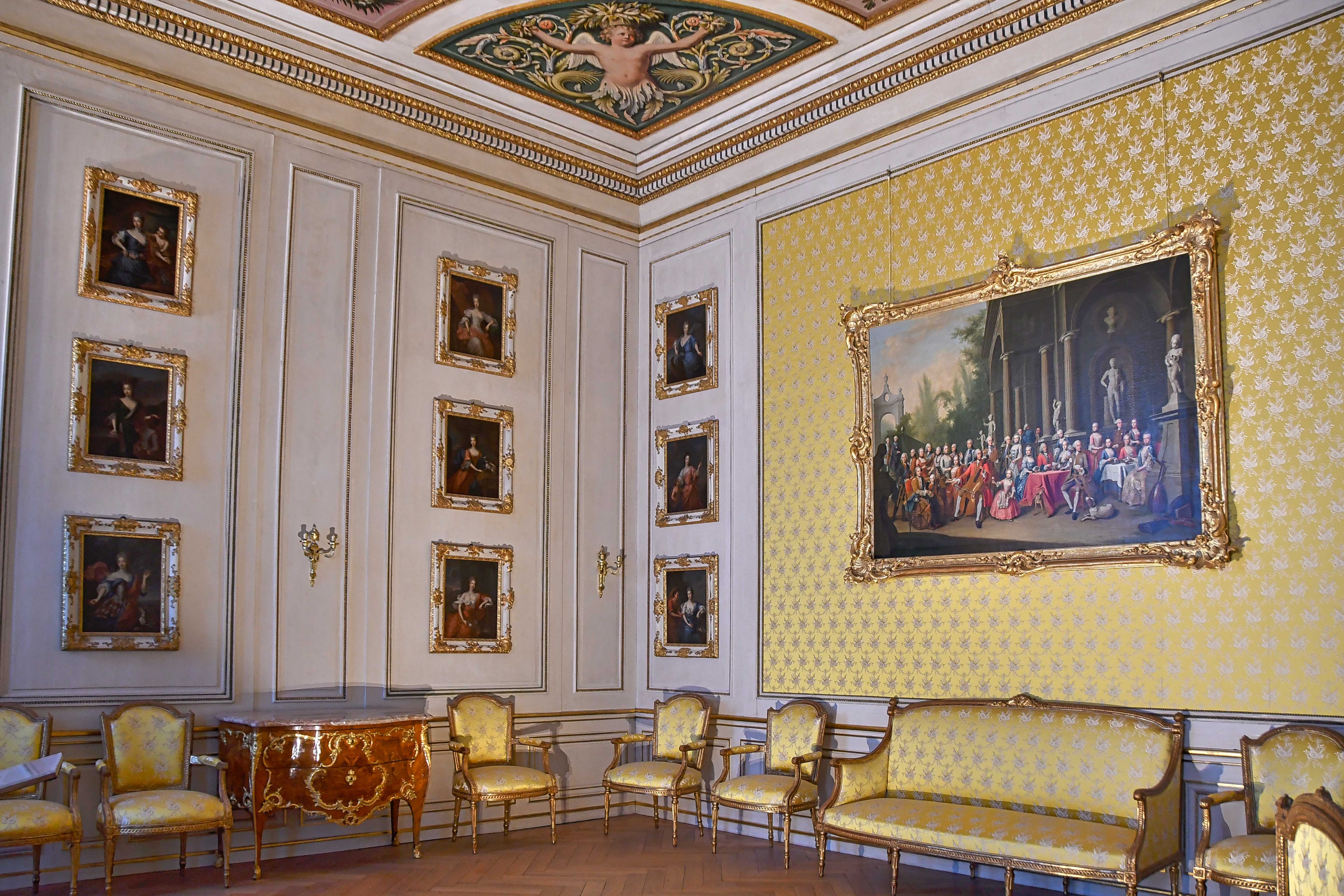
The North Apartment, Guest Bedroom
Large painting show the electoral Bavarian and Saxon family in 1761 making music and playing cards
Munchen (Munich), Bavaria (3) – Schloss Nymphenburg Exterior (Day Eight)
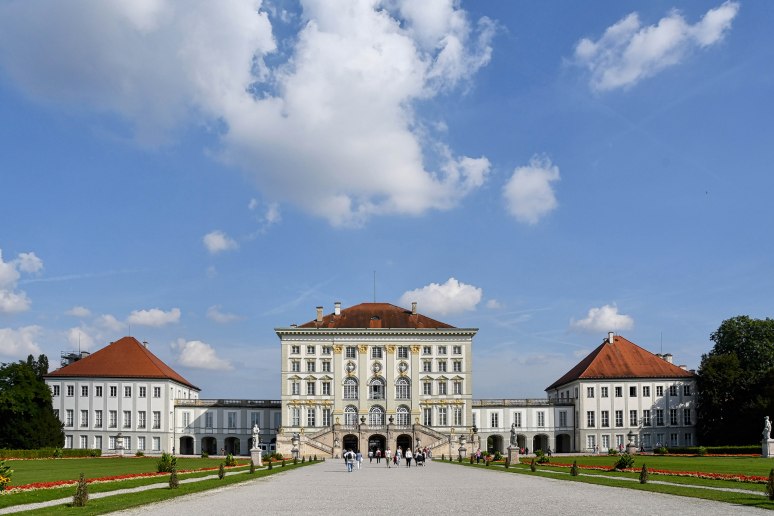
In 1664, following the birth of the heir to the throne, Max Emanuel and wife Henriette Adelaide commissioned the architect Agostino Barelli to build Nymphenburg Palace. This incredible palace had so much to offer that I have to break it up into six separate posts.

In 1701, the side galleries and residential pavilions were added.
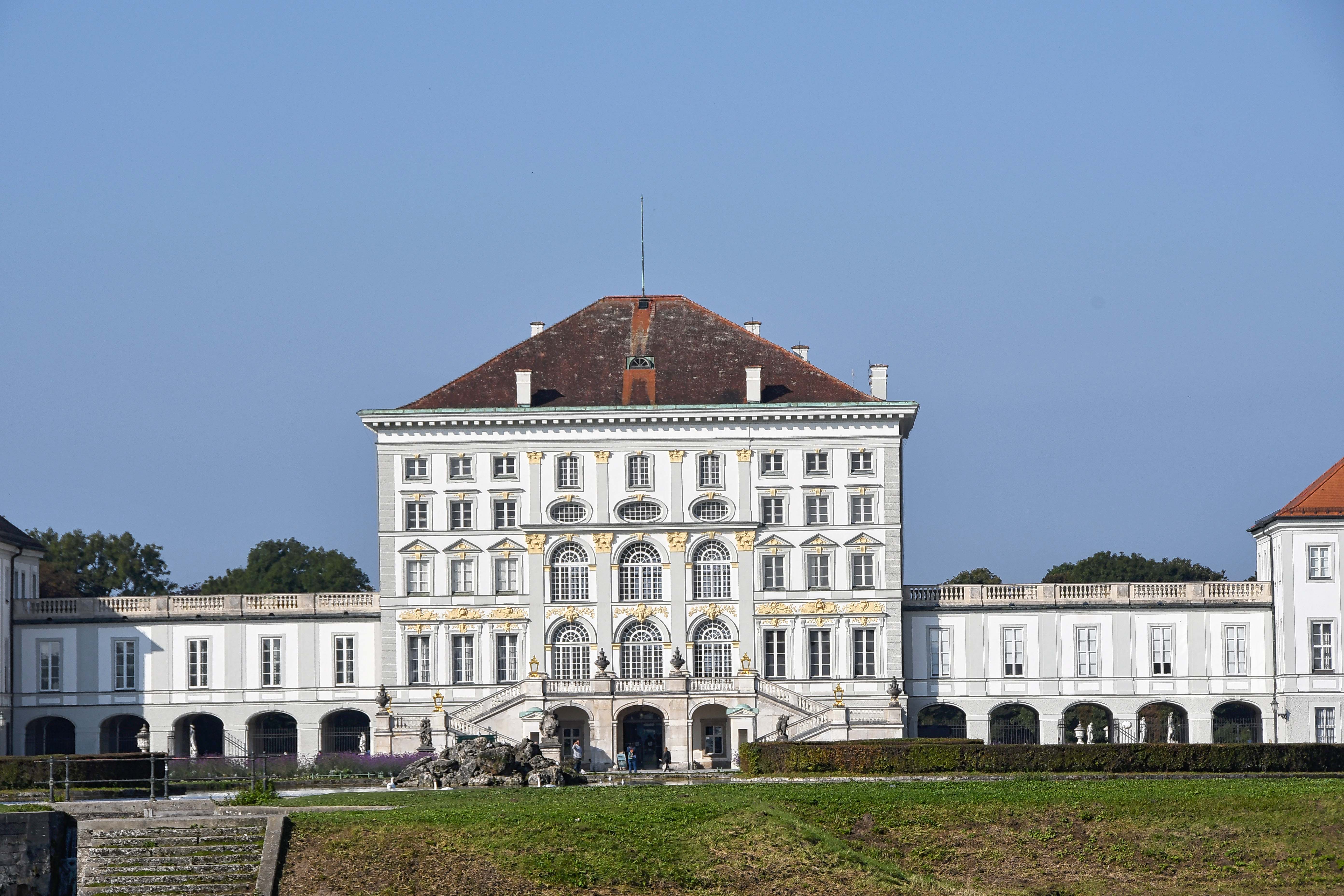

Four winged complexes were added on each side in 1715
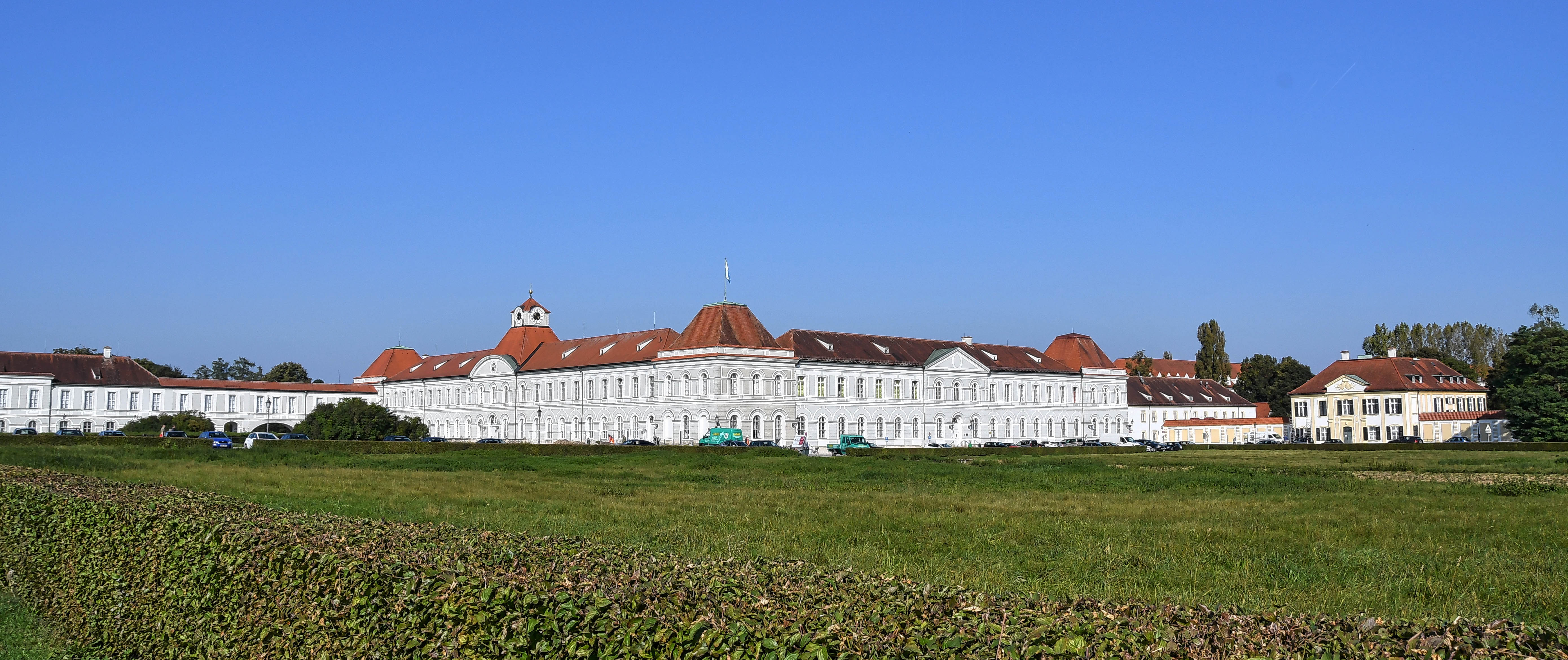

Elector Karl Albrecht extends Nymphenburg with the crescent on the city side.
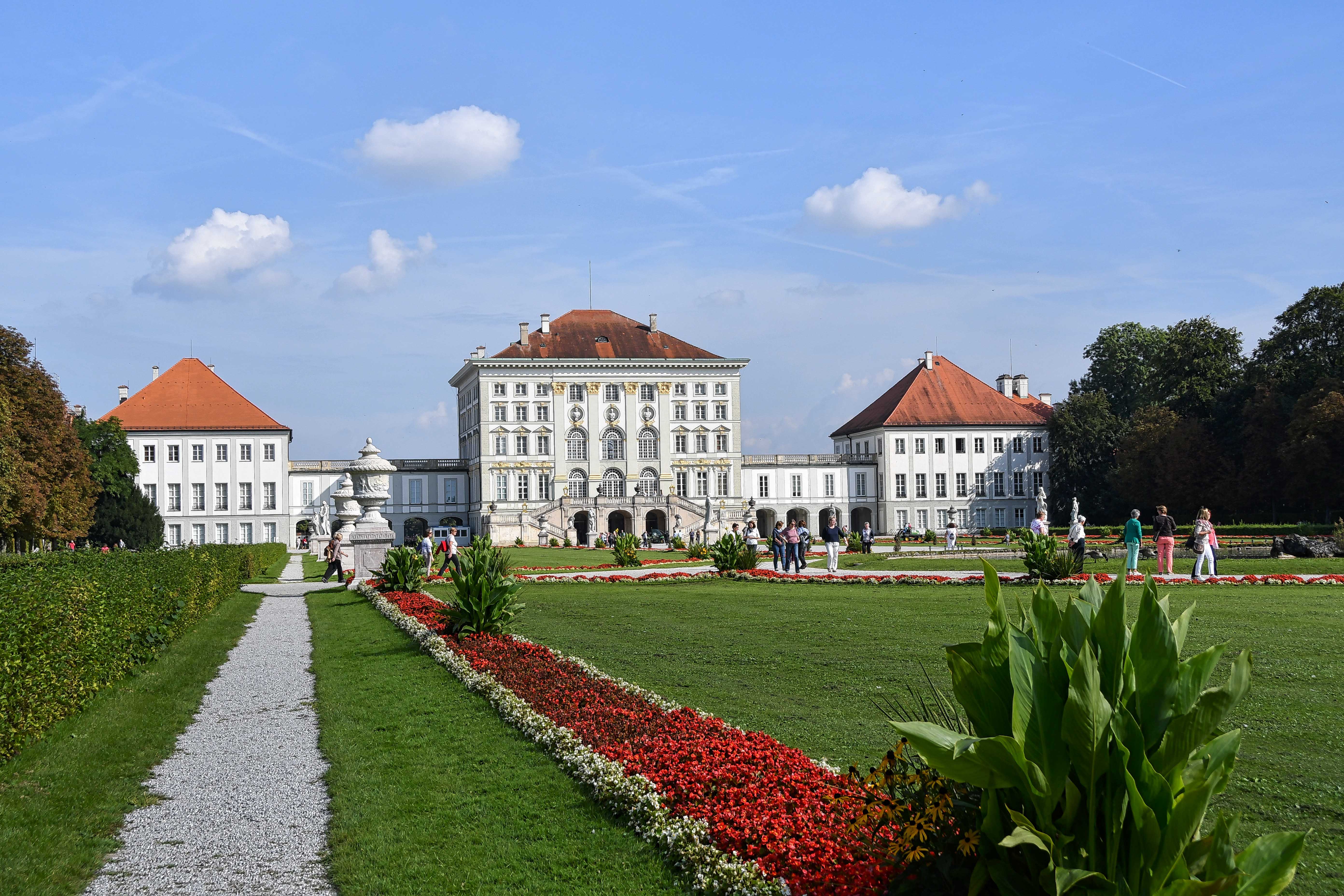
View from the garden side


Munchen (Munich), Bavaria (2) – A Three Hour Walk (Day Seven)
The slow 5.5 km loop stroll starts at Altes Rathaus and ends at our hotel, March Munchen. By the natural light, you can tell we started late in the day at 5 pm and ended around 8 pm. It’s overwhelming to think all the following photos exist within a few kilometres of each other. This city is so rich in history, I wish I had more time to explore.

Altes Rathaus, the old town hall

About a block east of Altes Rathaus
Looking down Tal street

A few blocks north of Altes Rathaus
Bayerisches Staatsoper aka Nationaltheater is home to the Munich’s opera and ballet performances. Mozart’s first “opera seria” was premiered on January 29th, 1781 in the Residence Theatre.
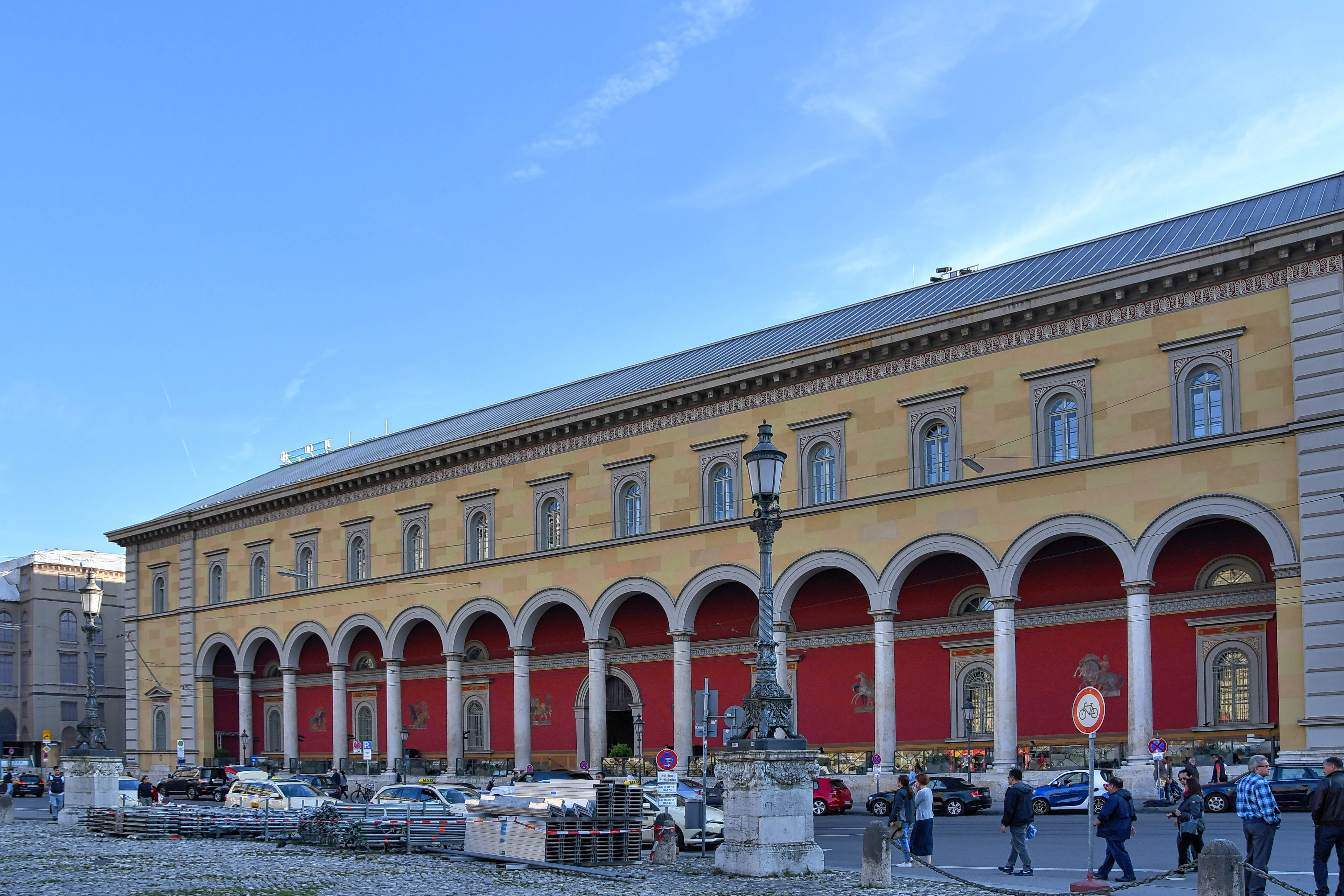
To the right of Bayerisches Staatsoper
Louis Vuitton Store

A few blocks north of Bayerisches Staatsoper
Feldherrnhallle, 19th-century, Italianate monument to the Bavarian army and the site of Hitler’s 1923 Beer Hall Putsch
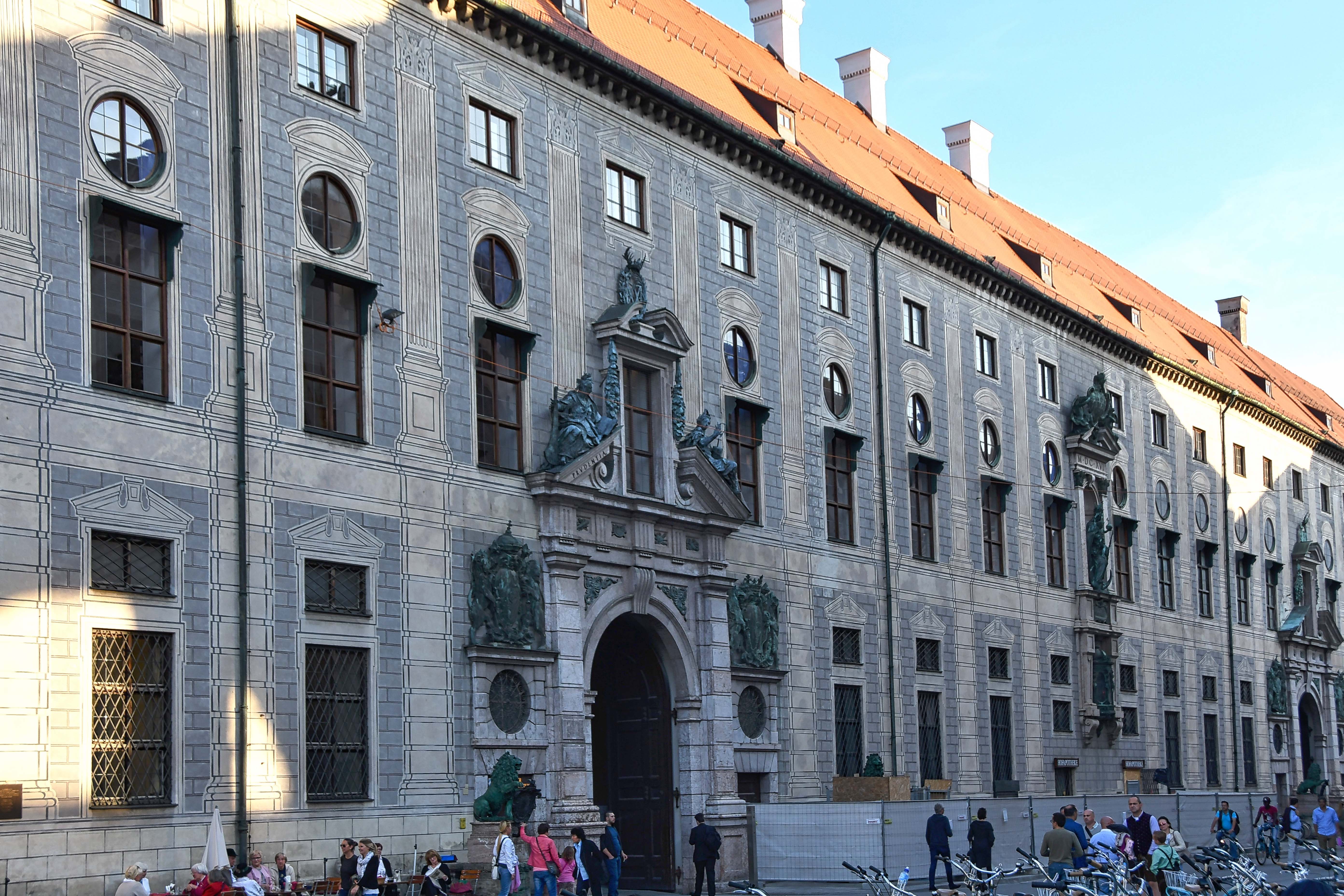
Located to the right of Feldherrnhalle is the Staatliche Munzsammlung, the Munich State Mint

Next door, north of the State Mint
Residenz Munchen orginated as a small moated castle built in 1385. Currently, it contains the Royal Treasury and Cuvillies Theater.

Across the street from the Residenz is a Starbucks that sits beside the Munich Court Garden

Pavilion in Munich Court Garden

50’s swing dancing in the Pavilion
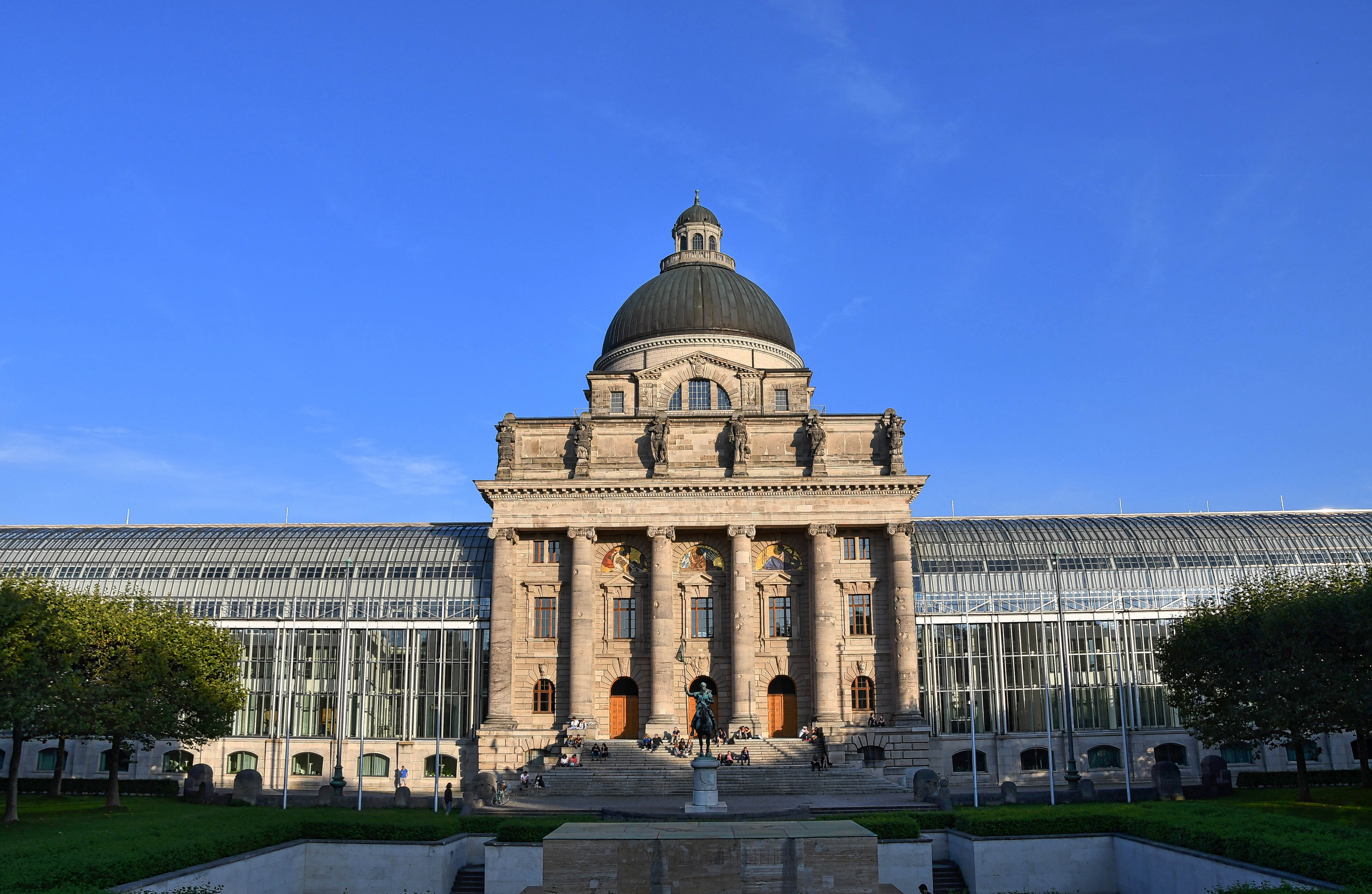
East of Munich Court Garden
Bayerische Staatskanzlei is the office of The Bavarian State Chancellery

A park separates the Pavilion and Bayerrisch Staatskanzlei

As we head east to the river, we walk past the Bavarian National Museum
Bavarian National Museum was the brain child of King Maximillian II, who wanted a museum of “German antiquities” Christened in 1855, this building contains varied collections from the medieval period to Art Noveau.
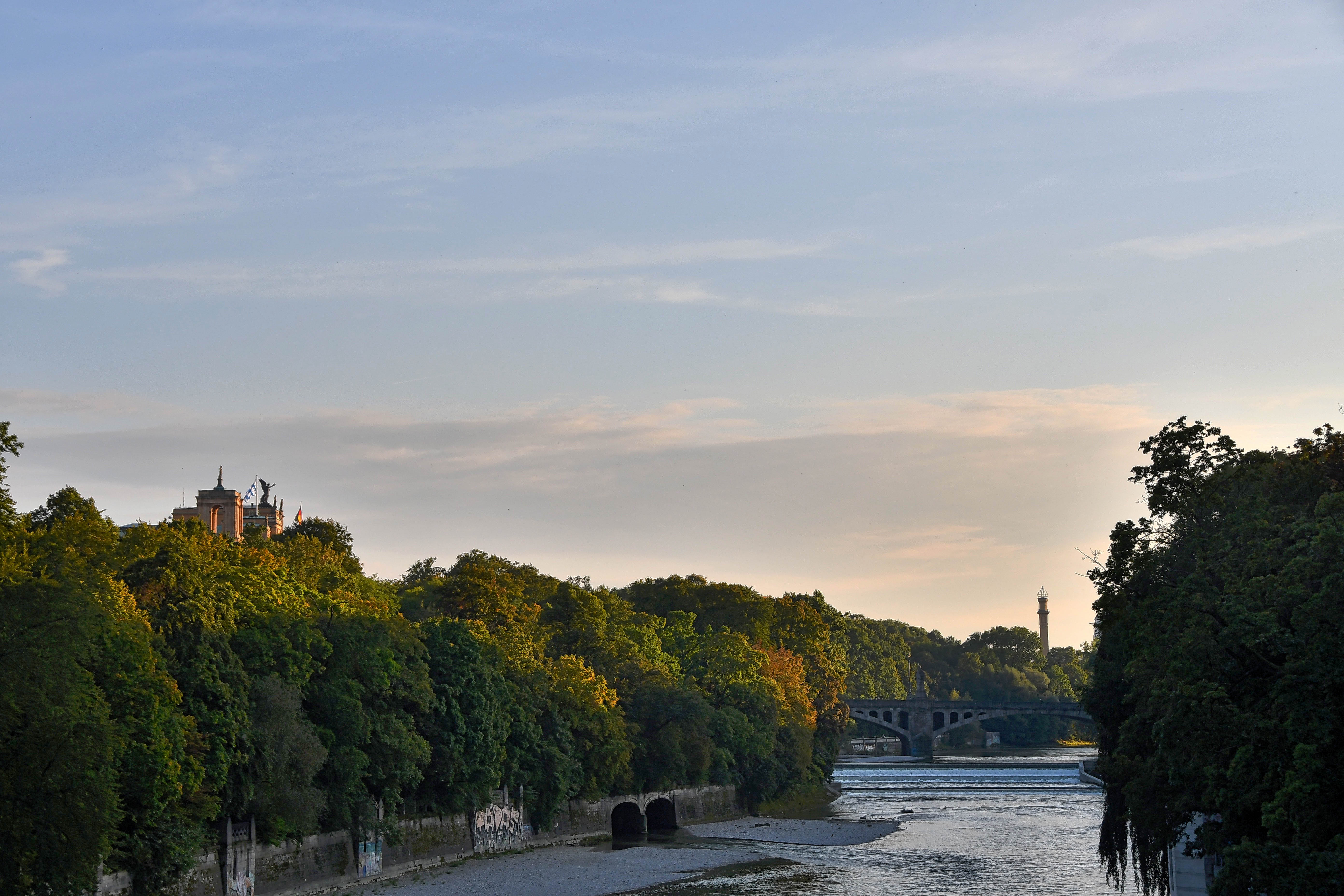
Crossing the Isar River, we see Maximilianeum in the distance
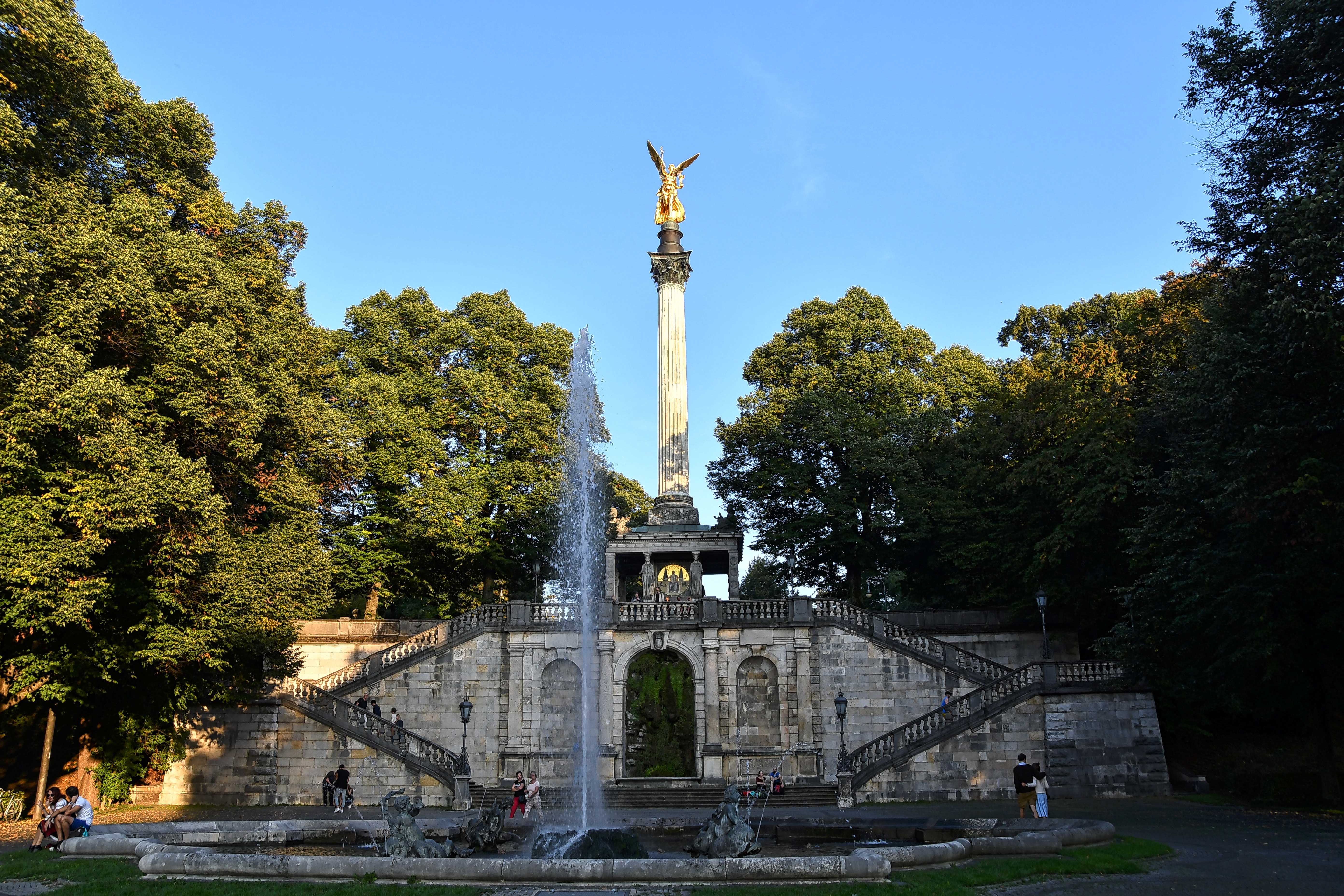
As soon as we cross the river, we find Angel of Peace
Angel of Peace Friedensengel is regarded as a symbol of Munich. Created to mark the 25 years of peace after 1871, it is modelled on the ancient Greek goddess of victory, Nike
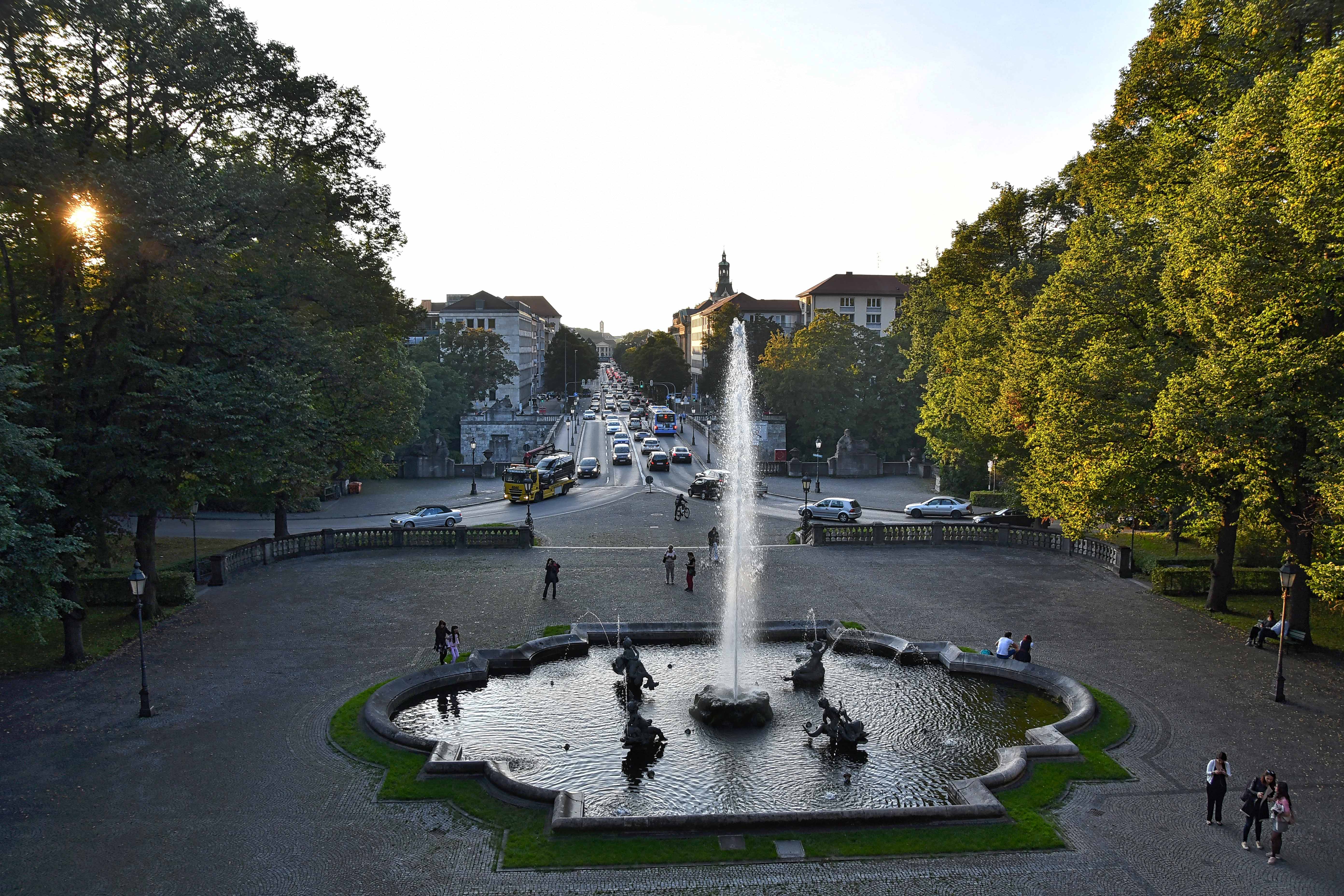
Looking down Prinzregentenstrabe from the Angel of Peace Friedensengel, we see the street we just walked up

We head south through Maximiliansanlagen Park. It was a warm September day with gorgeous greenery.

In 1852, Maximilianeum Foundation was created for the purpose of providing free board and lodging to gifted Bavarian students to study at a university in Munich. No longer used as the original intention, the Foundation now rents to the Bavarian Parliament.

We travel west on Maximilianstrabe which is one of four royal avenues. Starts from Maximilianeum and ends at the Bayerisches National theater, this boulevard is a major shopping street for the rich.
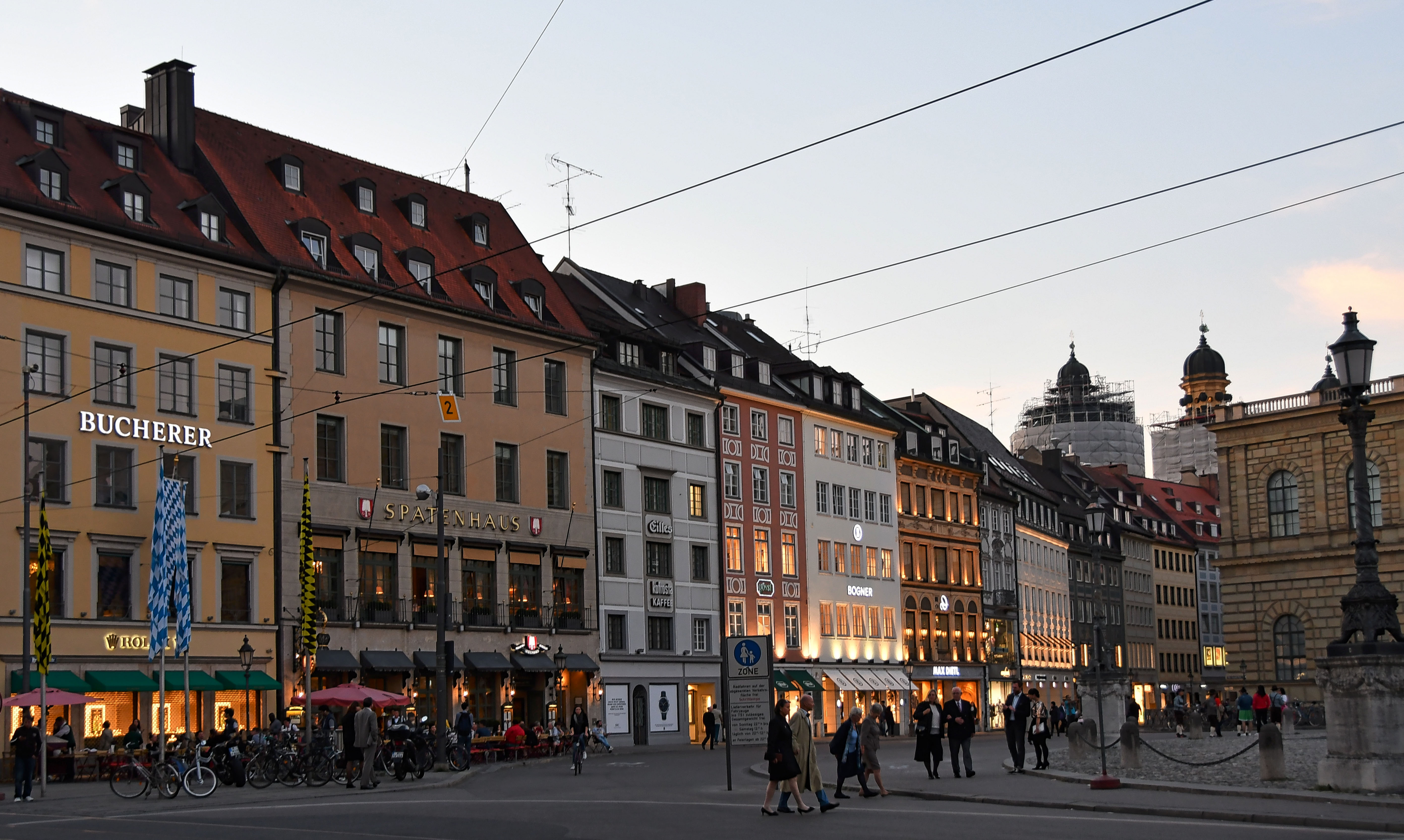
Storefronts across from the Bayerisches Nationaltheater, which is located to the left in this photo. The Louis Vuitton store is behind me.

Heading west from the Nationaltheatre
Wittelsbach Fountain was built in 1895 to mark the inauguration of the infrastructure that provides drinking water to the city.

Munchen Karlsplatz
Munchen (Munich), Bavaria (1) – Rathaus (Day Seven)
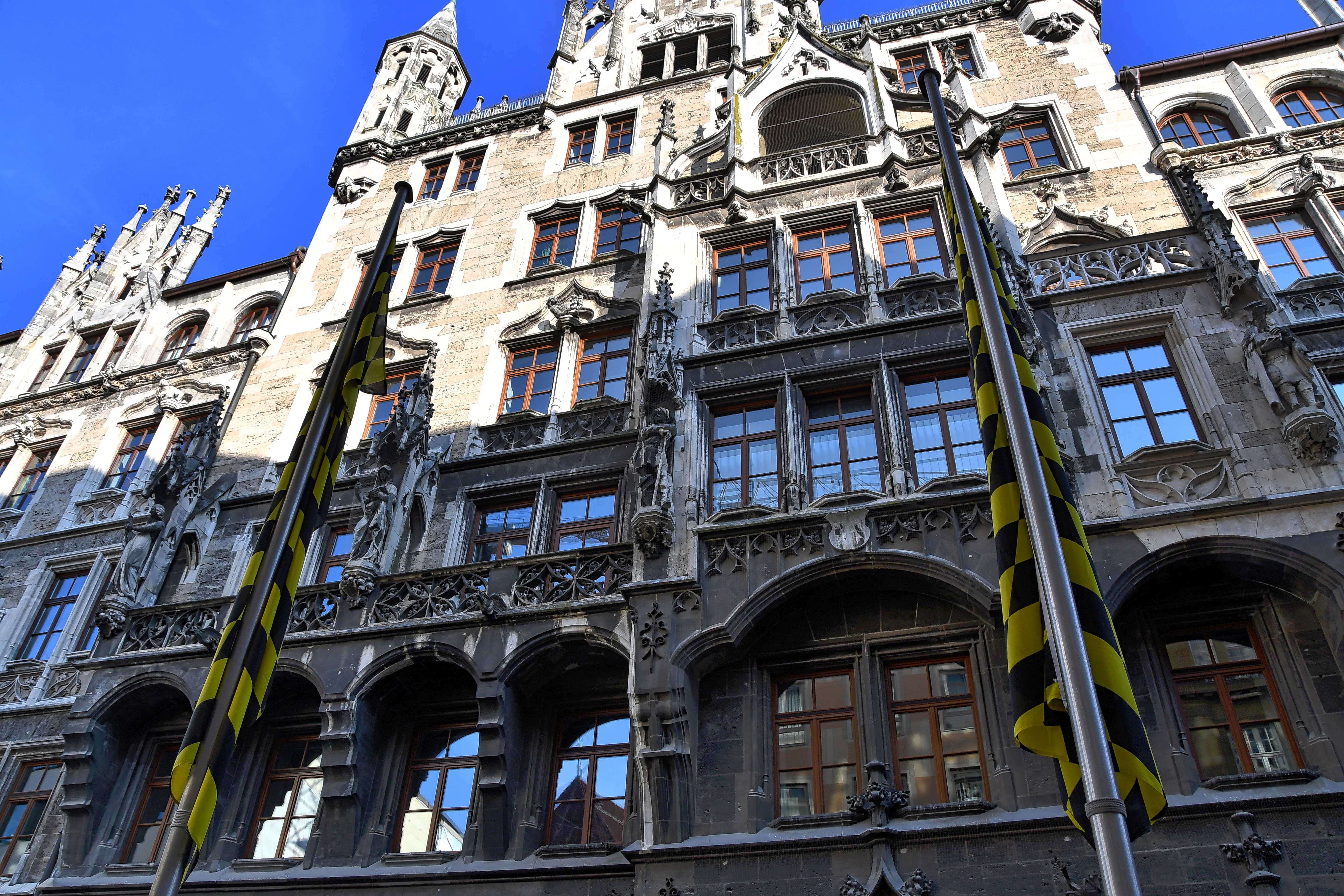
From a distance, I couldn’t tell what this mammoth structure was all about. I soon discover that it’s the New Town Hall and a shopping center. Located in Marienplatz, in the heart of Munchen, this late 19th century building displays “Grunderzeit style” architecture. With my modern way of thinking, it’s hard to relate to this structure being home to clothing boutiques, restaurants and a drug store.


Mariensaule, the column of St. Mary

On the hours of 11 am, 12 noon, and 5 pm, the Rauthaus Glockenspiel goes into action. Made of 43 bells and 32 figures, it brings flocks of visitors. Luck was on our side, as we came to this place at the 5 pm performance.
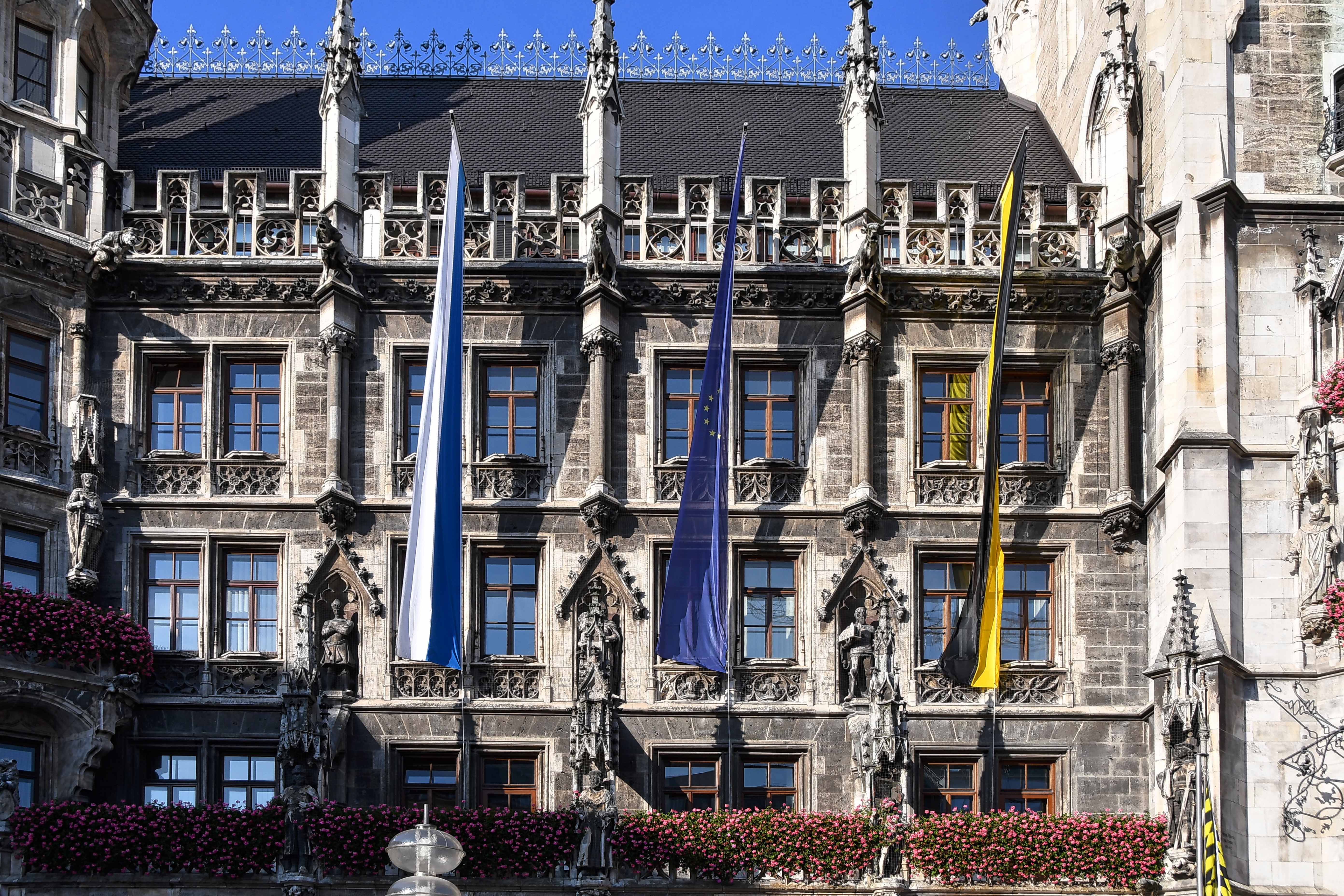


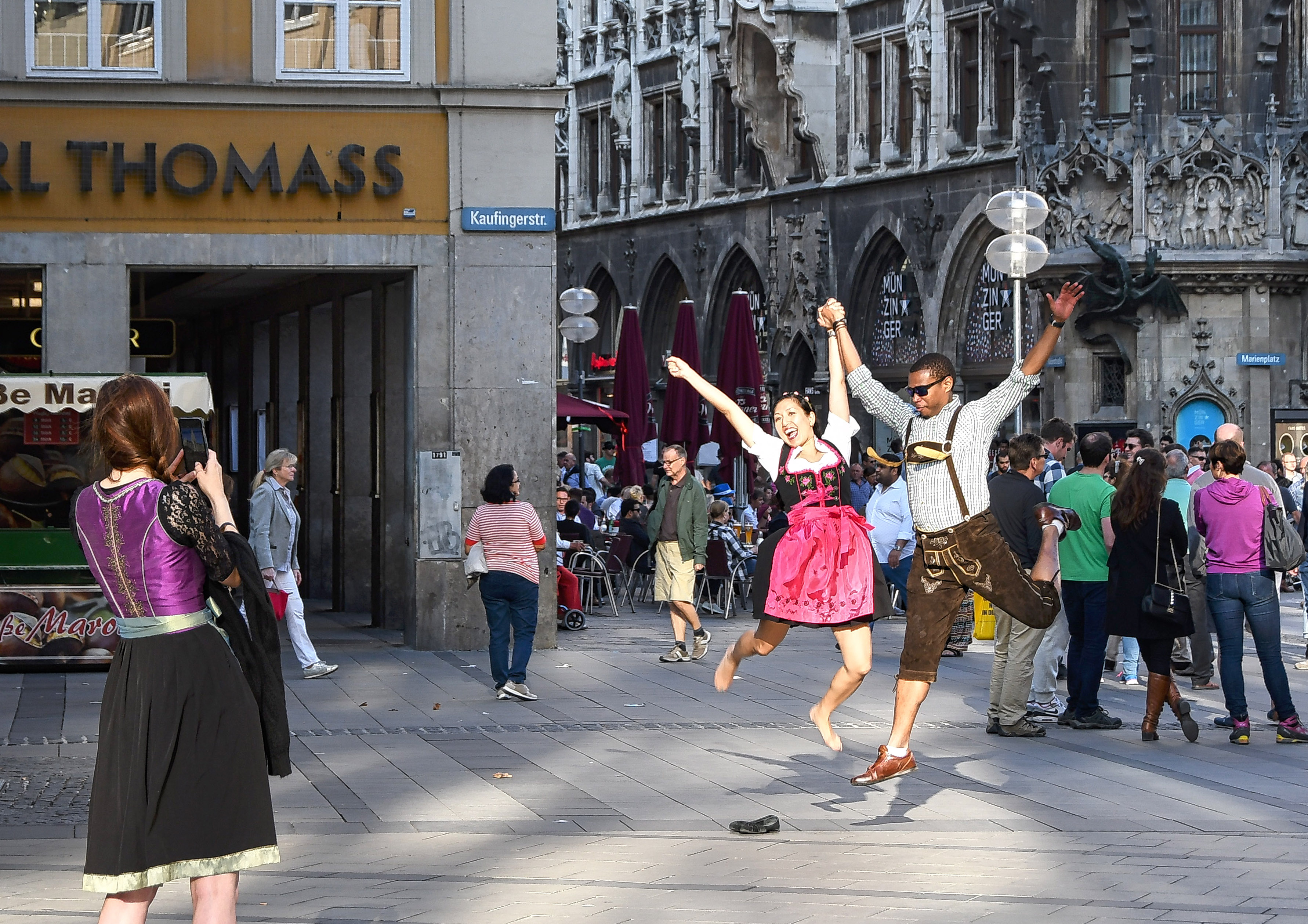
We were in Munich during the height of Octoberfest. It was common sight to fans dressed in festive garb. This happy couple enjoys a photo-op with Rathaus as their backdrop.

Inside the courtyard, you’ll find an opportunity to dine and enjoy surroundings. The above and remaining photos, captures a small part of the interior.



Frankfurt am Main, Hesse (4) – Street Scenes (Day One and Six)
My last post of Frankfurt features photos taken over the one and half days we committed to stay in the city and not venture outside. A city that doesn’t have a lot to offer tourists but it was a great home for our long day excursions.
You can hover your cursor over each picture for a caption or click on the photo for a full view.


 Fai Quan