Fai Quan
formerly known as "Prosaic Traveller"
Germany (1) – Train Stations
On our trip to Germany, we planned on exploring the villages, towns and cities surrounding Frankfurt instead of focusing only on the city. We discovered it was a good decision, as we found very little (as a tourist) to do in Frankfurt.
Out of the 11 days we were there, we spent one and half days in Frankfurt. Armed with a German Rail Pass, we explored 10 different communities in 5 different districts, covering approximately 3000 kms of train travel in 10 days. This pass allowed us to hop on and off at any place and at any time as long as we remain in Germany. We usually caught the trains after morning rush hour and then return after supper when we would have no problem finding a place to sit. If you’re lucky, which we were many times, you can grab saloon seating with a table.
For $4.50 pp, we can reserve a seat. We did this for our trip to Munchen (Munich). It was a good thing, as the train was jam-packed due to Octoberfest revelers and Munchen being the Octoberfest capital of the world, it was to be expected.
The only time and probably the most fun was our last trip which was from Erfurt, Thuringia. The train was an hour late coming from Berlin. We ended up sitting on the floor beside one of the car doors. Good thing it was non-stop, otherwise we would have had to keep removing ourselves to let passengers in and out. It was kind of cool, with our backpacks and treats spread around, we were able to stretch our legs out and lean against the partitions. This two hour train ride was a neat way to end our vacation.
The following photos are just a small depiction of the stations we either passed or was our destination.
I loved the variety of station sizes, architecture and character.

Frankfurt Hauptbahnhof. This was our departure and arrival station every day except one.

One of the many platforms inside Frankfurt (Main) Hauptbahnhof. Not as many travellers after morning rush hour.
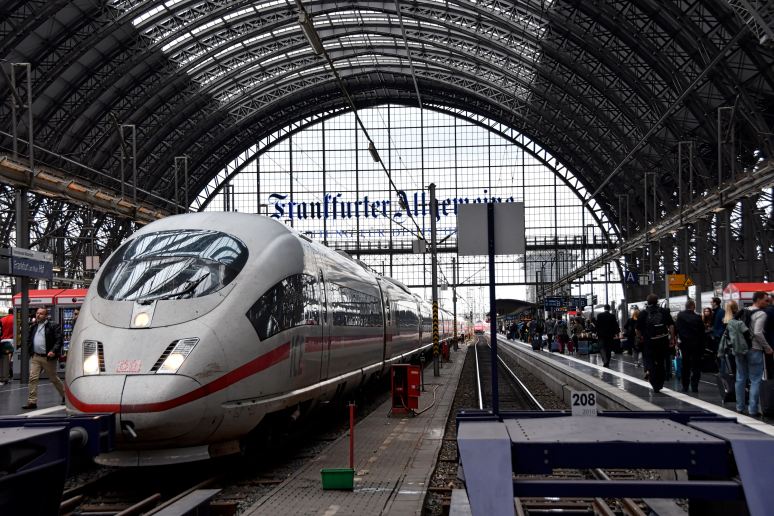
An ICE train sits at a platform getting ready for a departure. The ICE trains were our favourites. Fast and efficient with fewer stops.
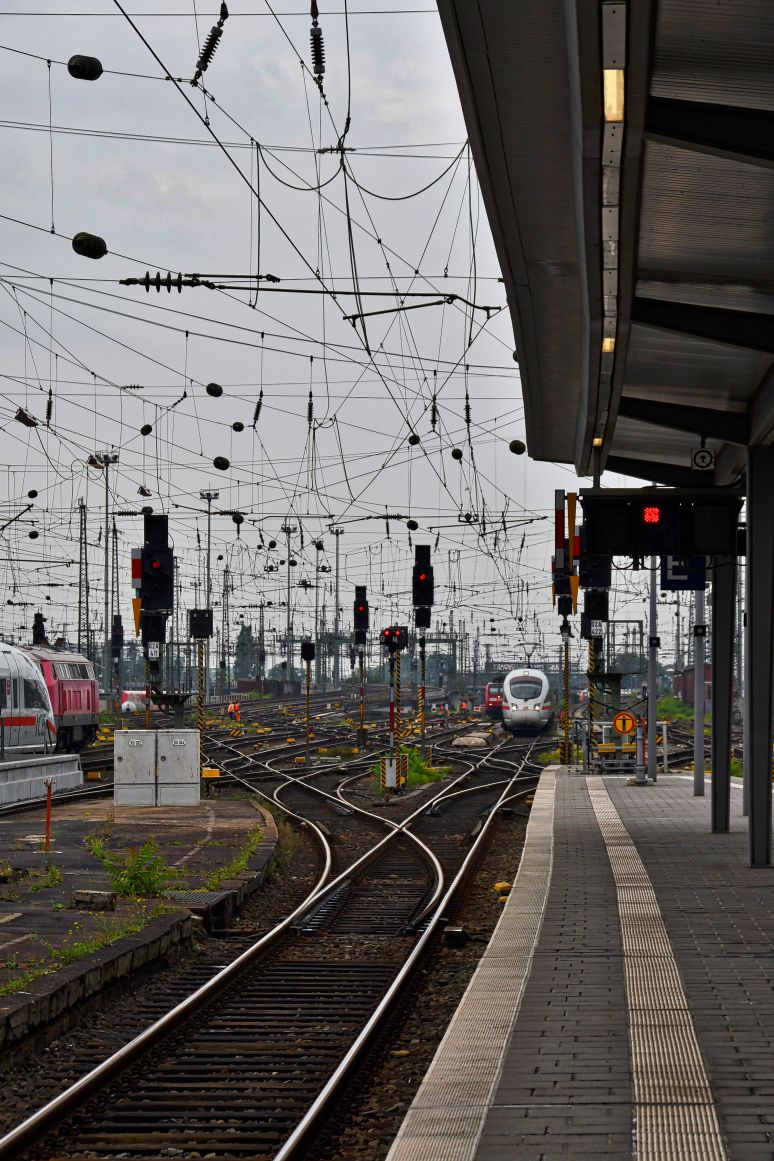
Leaving Frankfort (Main) Hauptbahnhof, you can imagine the number of tracks by all the cable lines.

Mainz Hauptbahnhof

Moselkern Station is where we arrived and departed to see Burg Eltz

I loved these model trains stations. This one is located at the Heidelberg Hauptbahnhof.

Bike parking lot at the Heidelberg Hauptbahnhof

Hatzenport Station. We got off prematurely at this station and had to wait for the next train, which was about an hour later. It allowed us time to explore the small village.
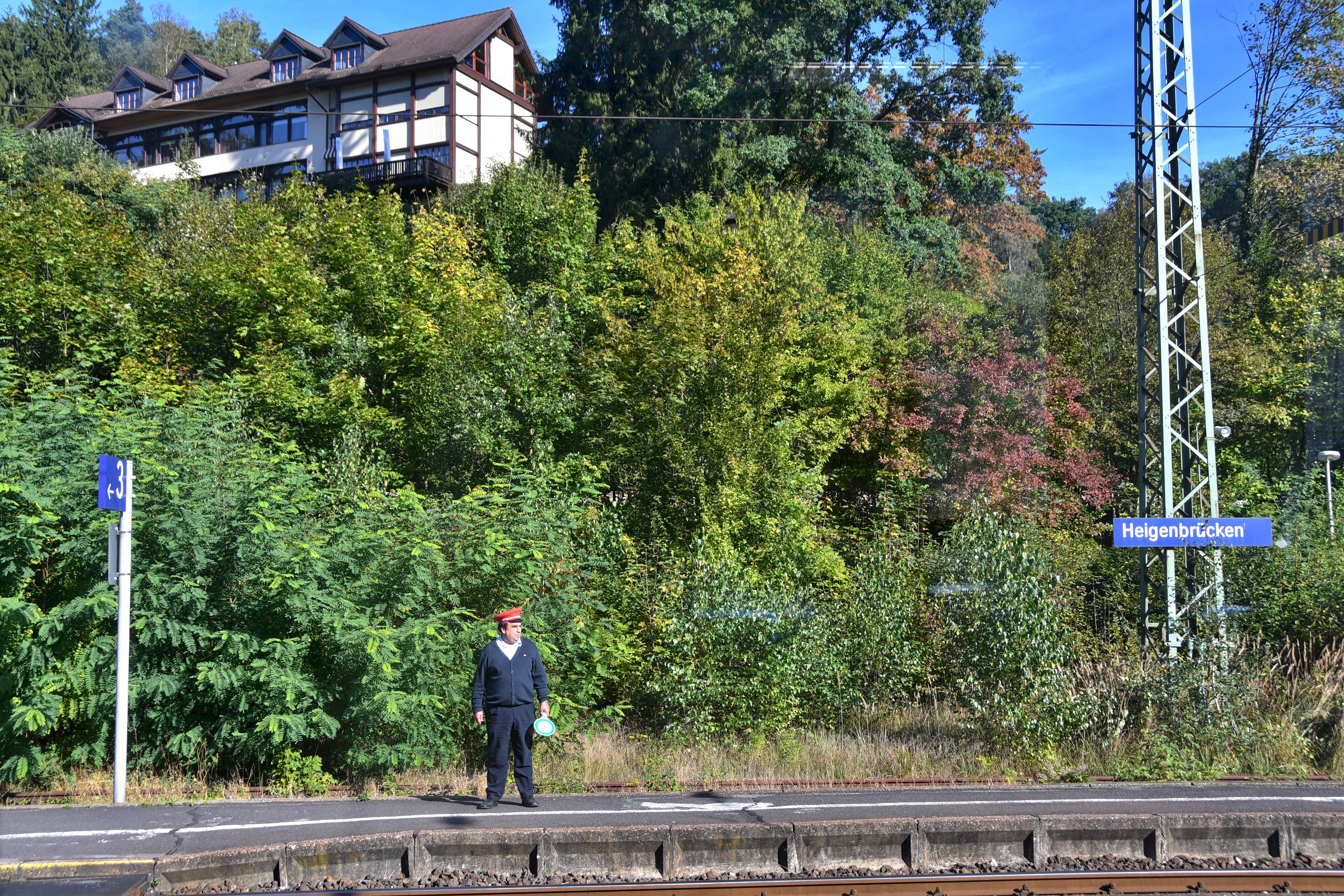
Helgenbrucken employee guides pedestrians when to cross the tracks.

Zwingenberg Station. This photo gives you an idea of “open saloon” (seats facing each other without a table).

Marburg Hauptbahnhof. Evening departure had few passengers waiting for the train.
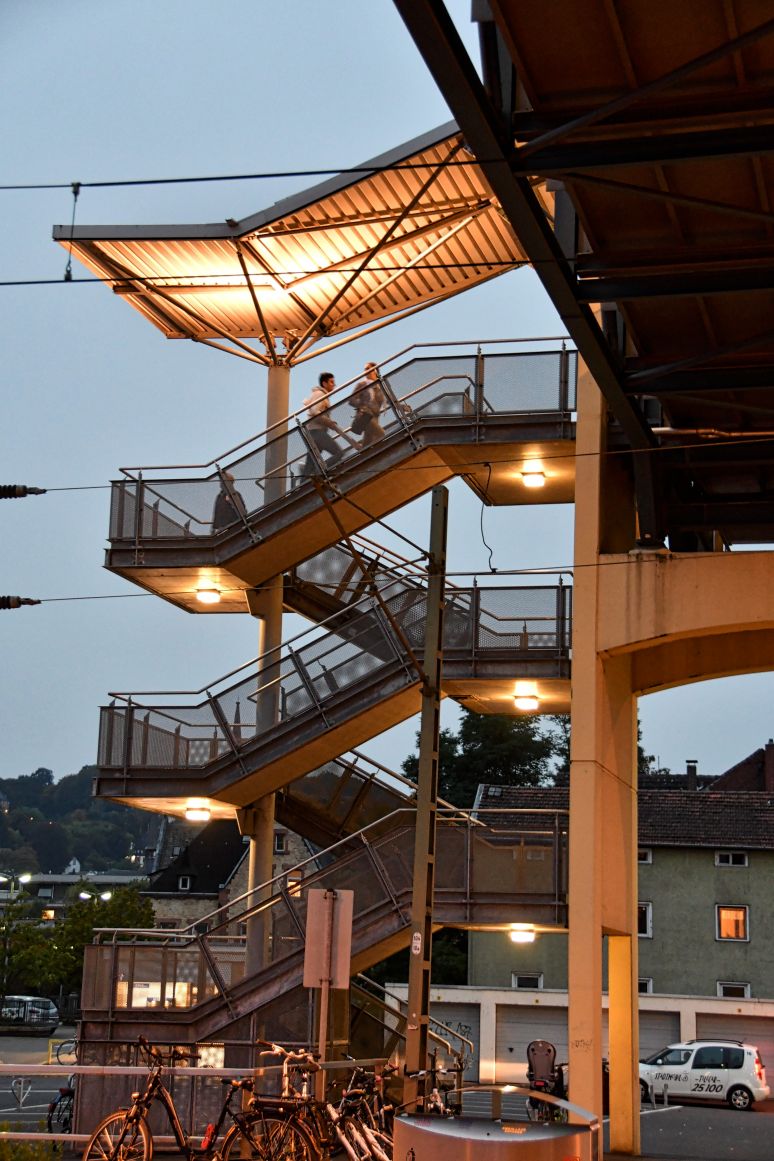
Marburg Station stairwell allows passengers to access various platforms from over the top as oppose to underground.
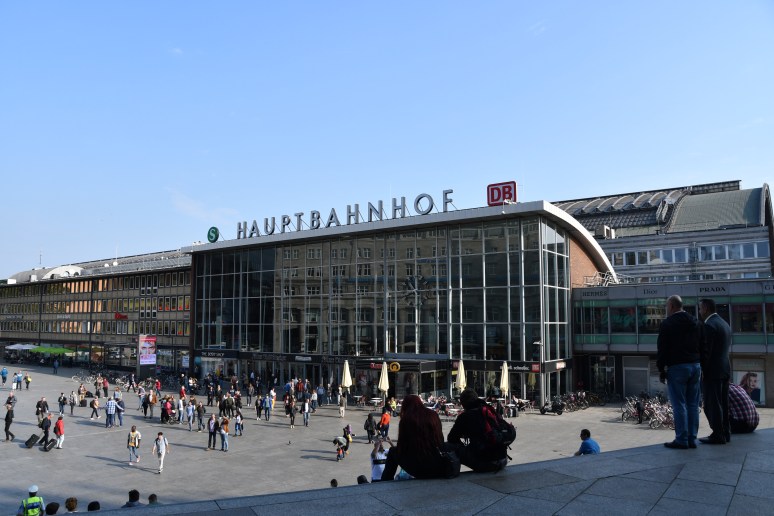
A very modern Hauptbahnhof in Koln (Cologne)

The vastness of the platform in Koln (Cologne) reveals the length of the trains.
Saskatchewan Canada (8) – Highway 11
A weekend trip to Regina gave me the opportunity to test drive my new Nikon D500. Travelling over 110kms per hour on Highway 11, I tried to capture the beauty of the Saskatchewan landscape.
I grew up on this terrain and when I look at these photos, it brought back fond memories of various road trips. I hope others who grew up on the prairies will have that same feeling.

A closed bridge
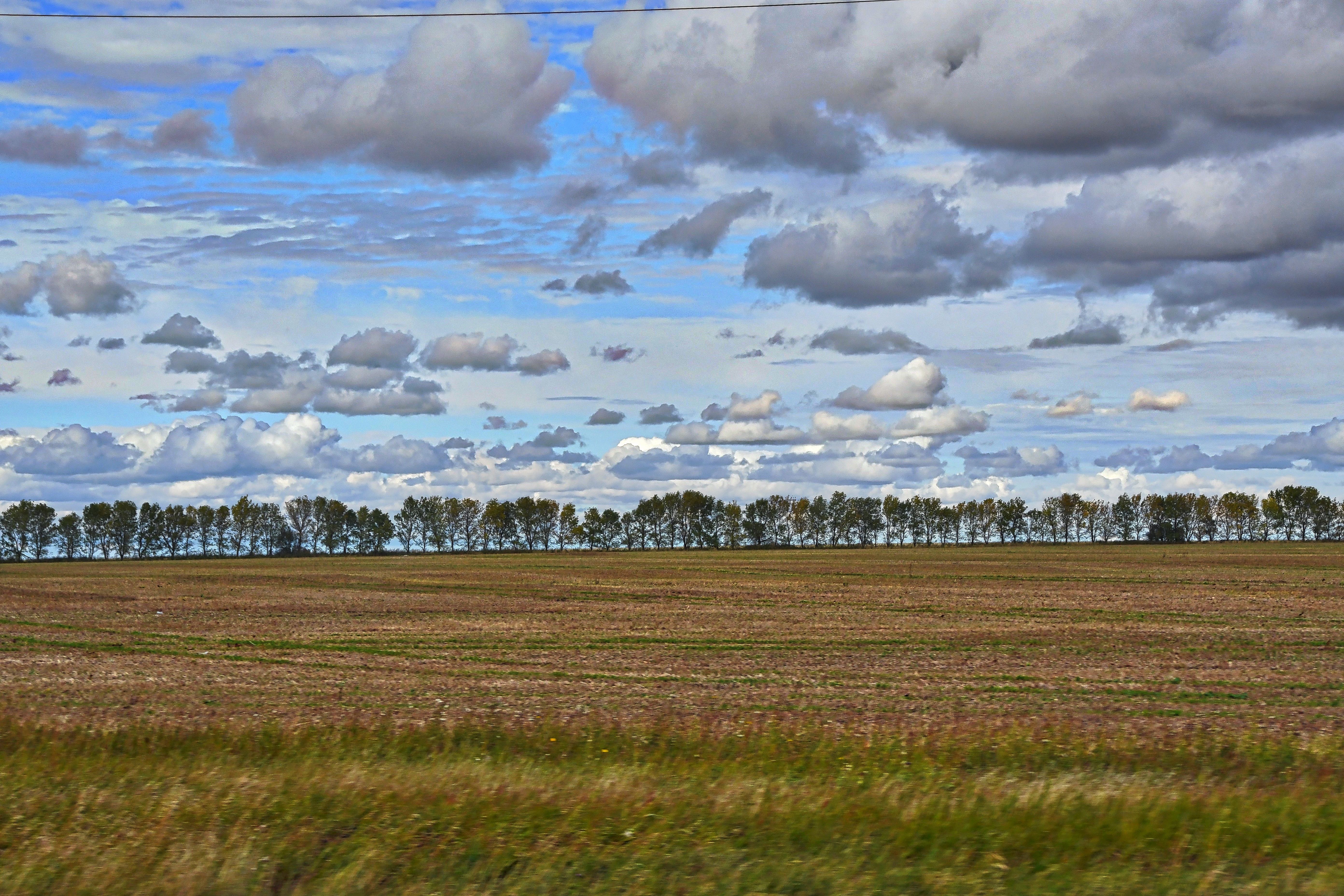
Perfectly lined planted trees

St. Michael’s Retreat & Conference Centre in Lumsden

Heavy duty power lines
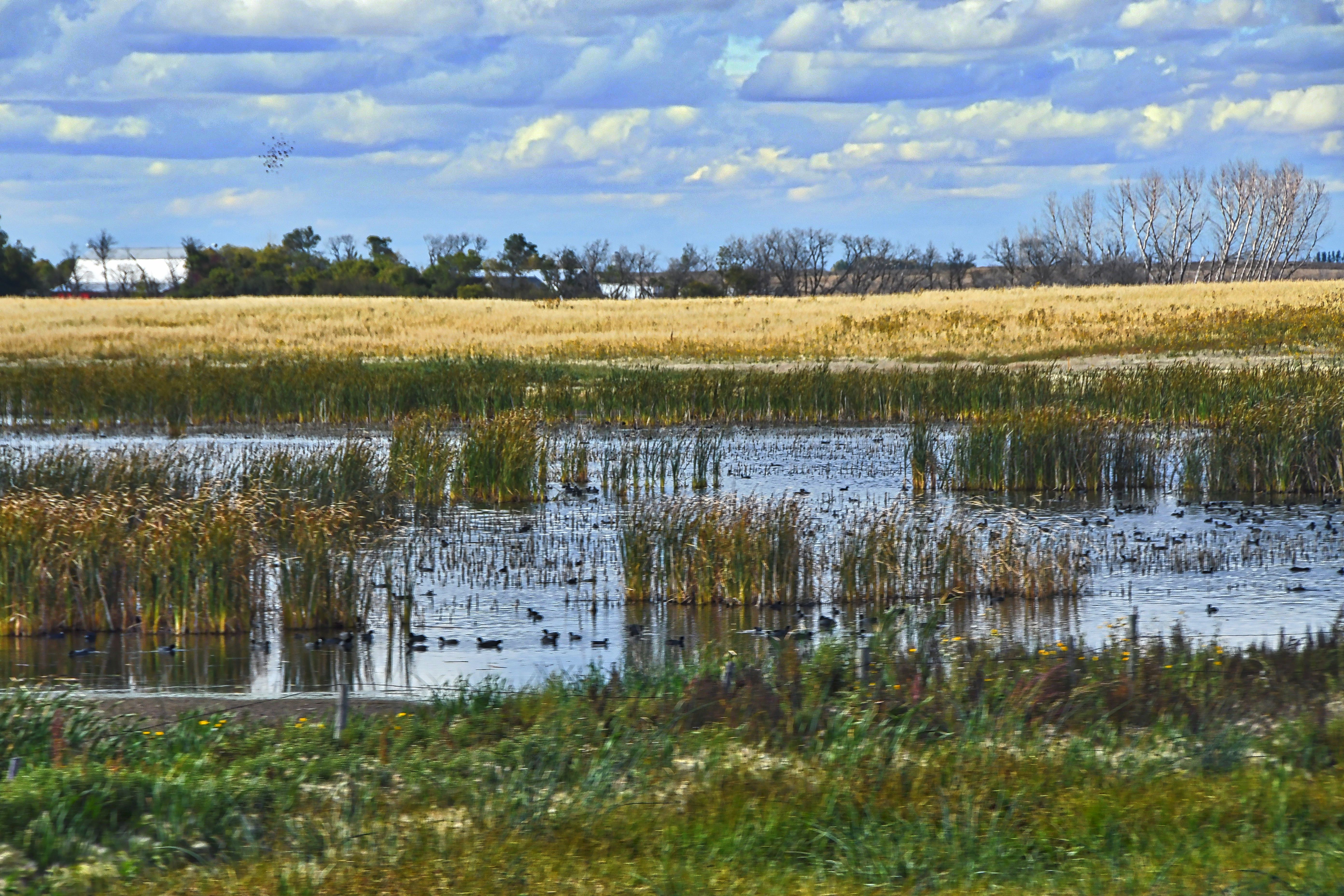
Ducks last swim before heading south

Wrapped bails of hay resting on the still-green grass

Cows heading home

Road 733 in Chamberlain

A single tree on the hill

Counting the power poles may make the time go by faster

A once majestic barn is seeing its’ final days
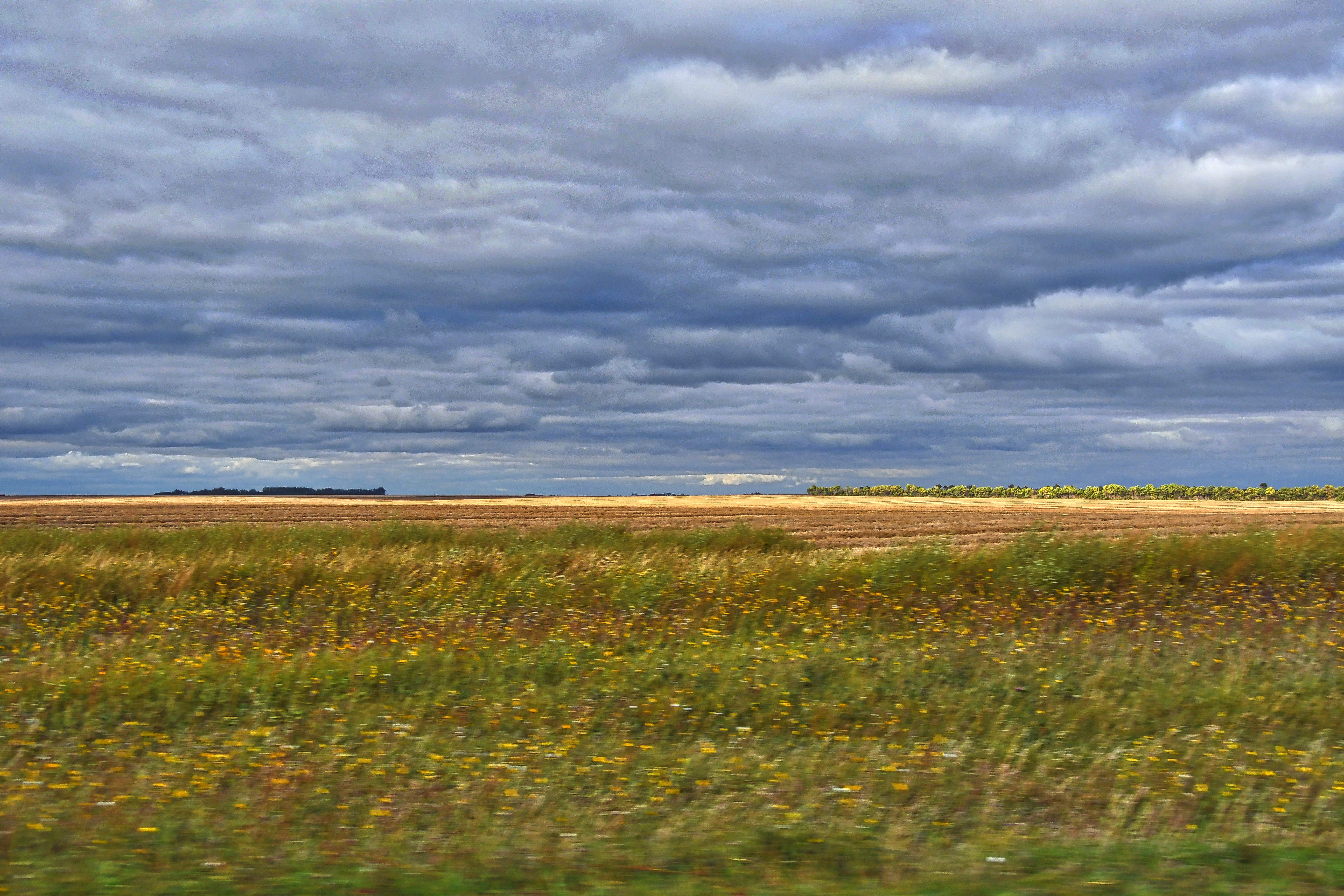
I can see for miles and miles
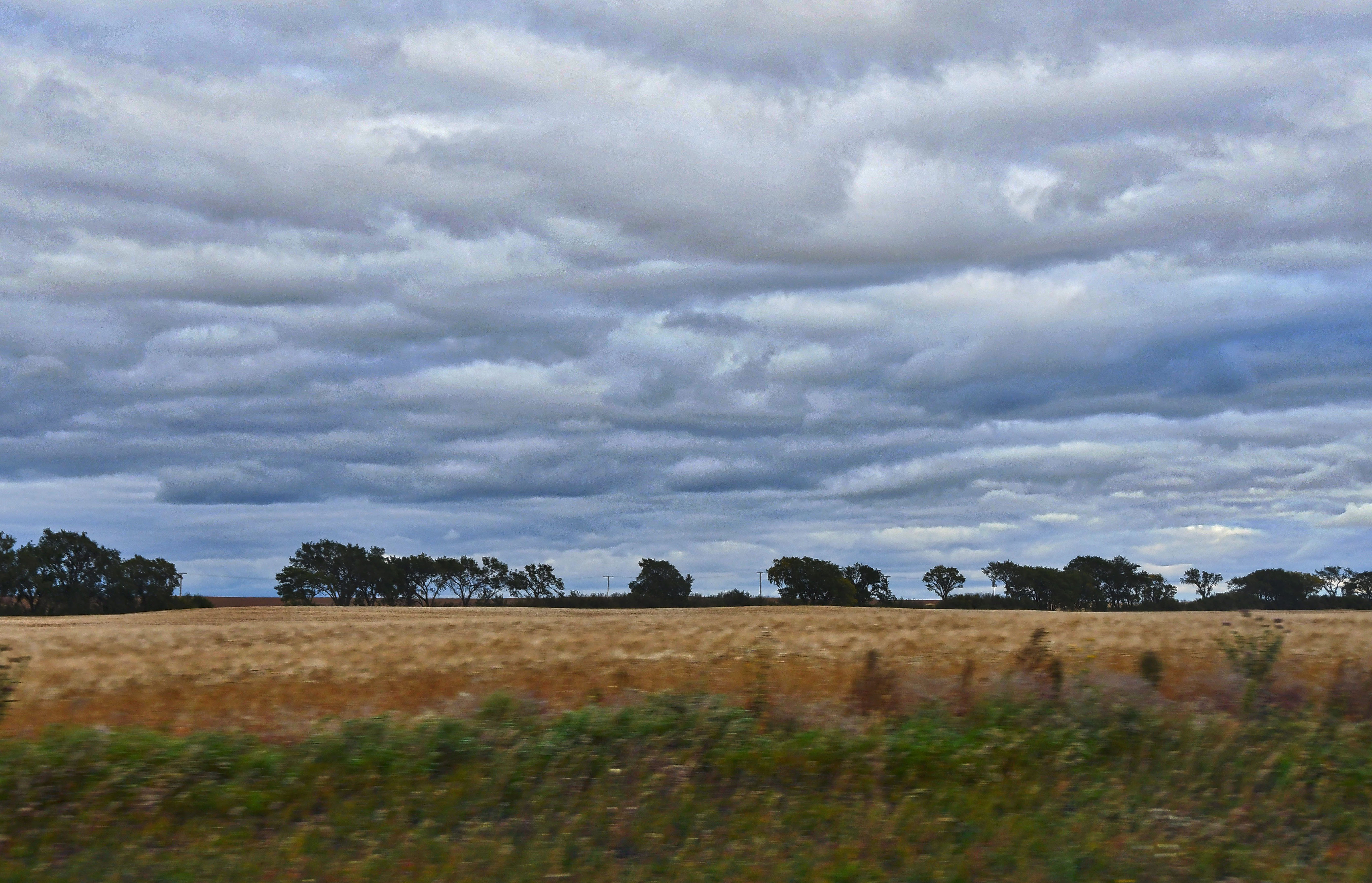
Trees still handing on to its’ leaves

Sun rays breaking through

Bales of hay gets enhanced by the setting sun

Looking ahead to the rain shower

Lake Blackstrap
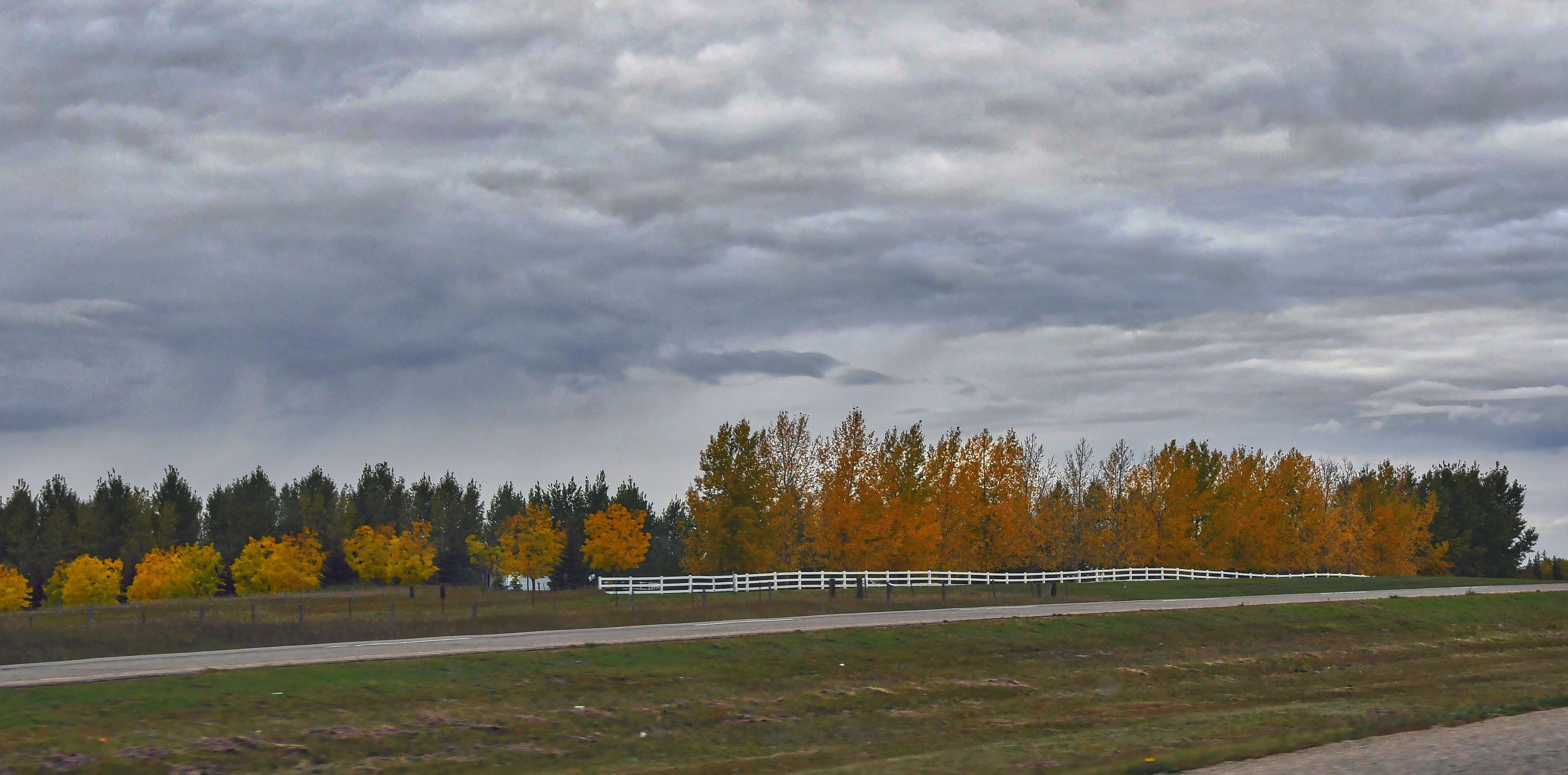
A beautiful indication that autumn has arrived
Los Angeles CA (2) – A 45-Minute Tour
I wouldn’t have a clue about Los Angeles if I hadn’t taken this 45 minute impromptu private helicopter tour. Starting at Whiteman Airport in San Fernando, we visited these places in the following order Malibu, Santa Monica, Beverly Hills, West Hollywood, Downtown and back to the Airport. In a somewhat disturbing revelation, the different classes of living is so evident in a blatant manner. Unless I missed it, the homes were either a mansion with a swimming pool and tennis court or an apartment building.

Malibu
Malibu

Malibu
Malibu
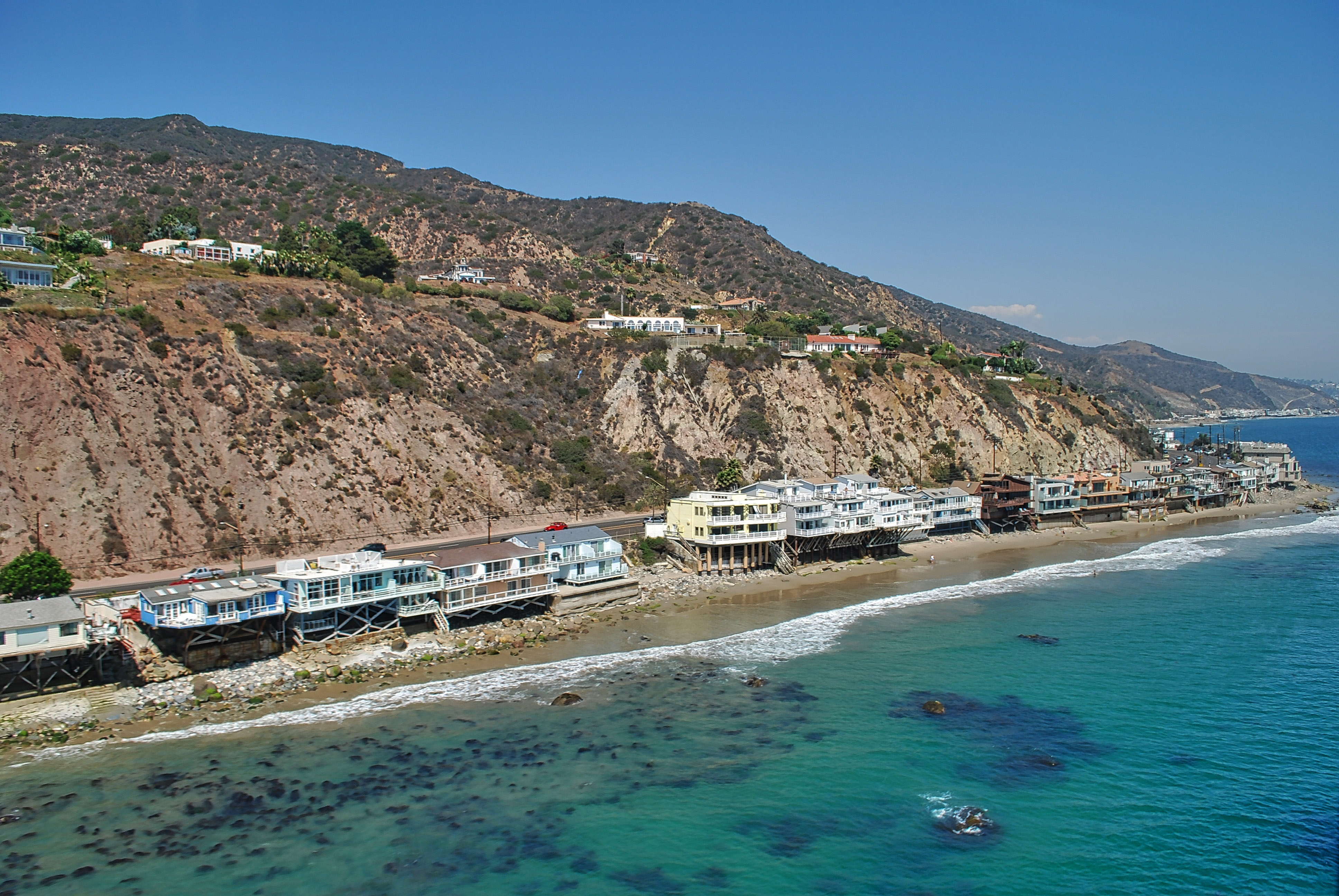
Malibu
Pacific Coast Highway between Malibu and Santa Monica

Malibu
Getting closer to Santa Monica
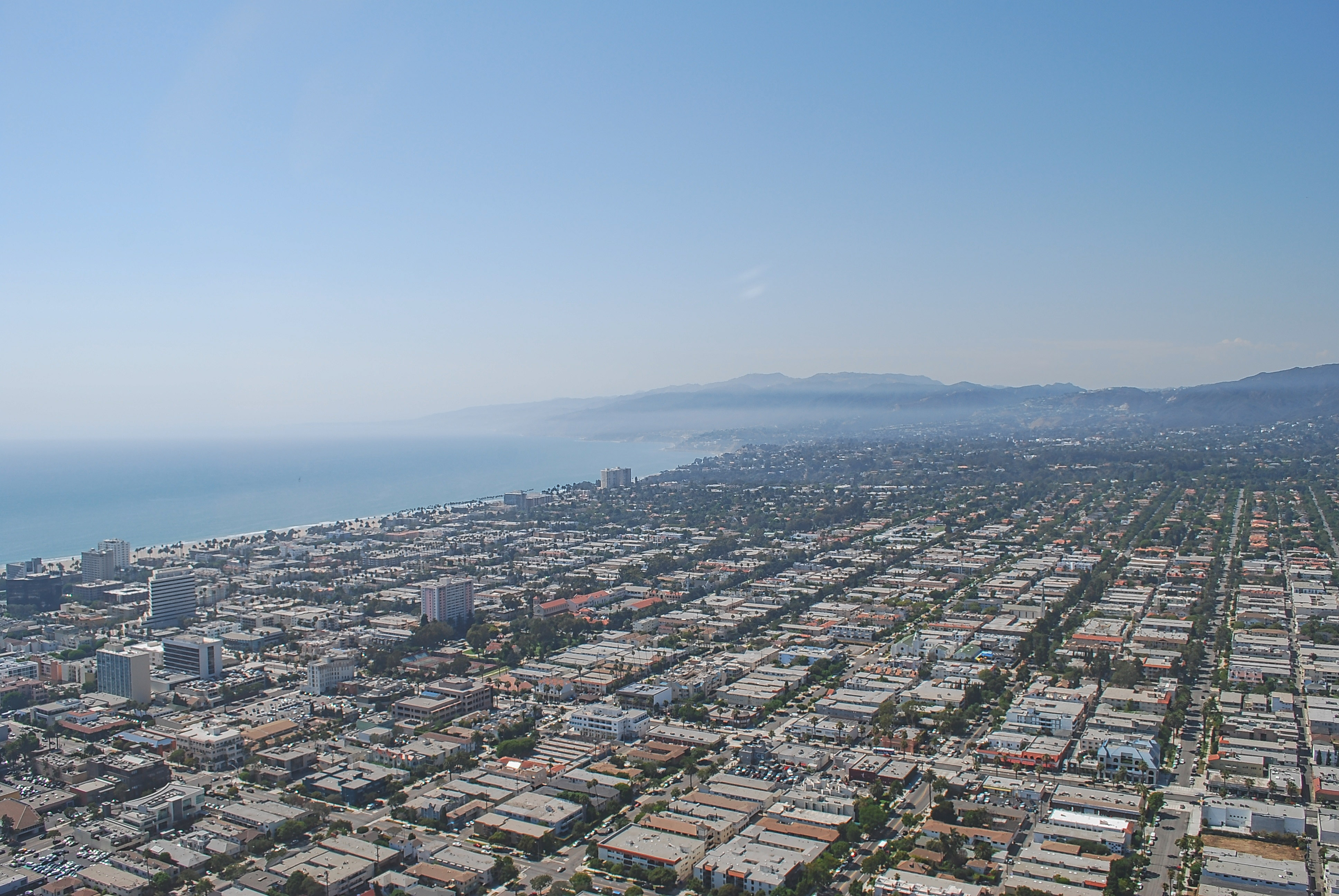
Santa Monica

San Diego Freeway (I405) and the Los Angeles National Cemetery
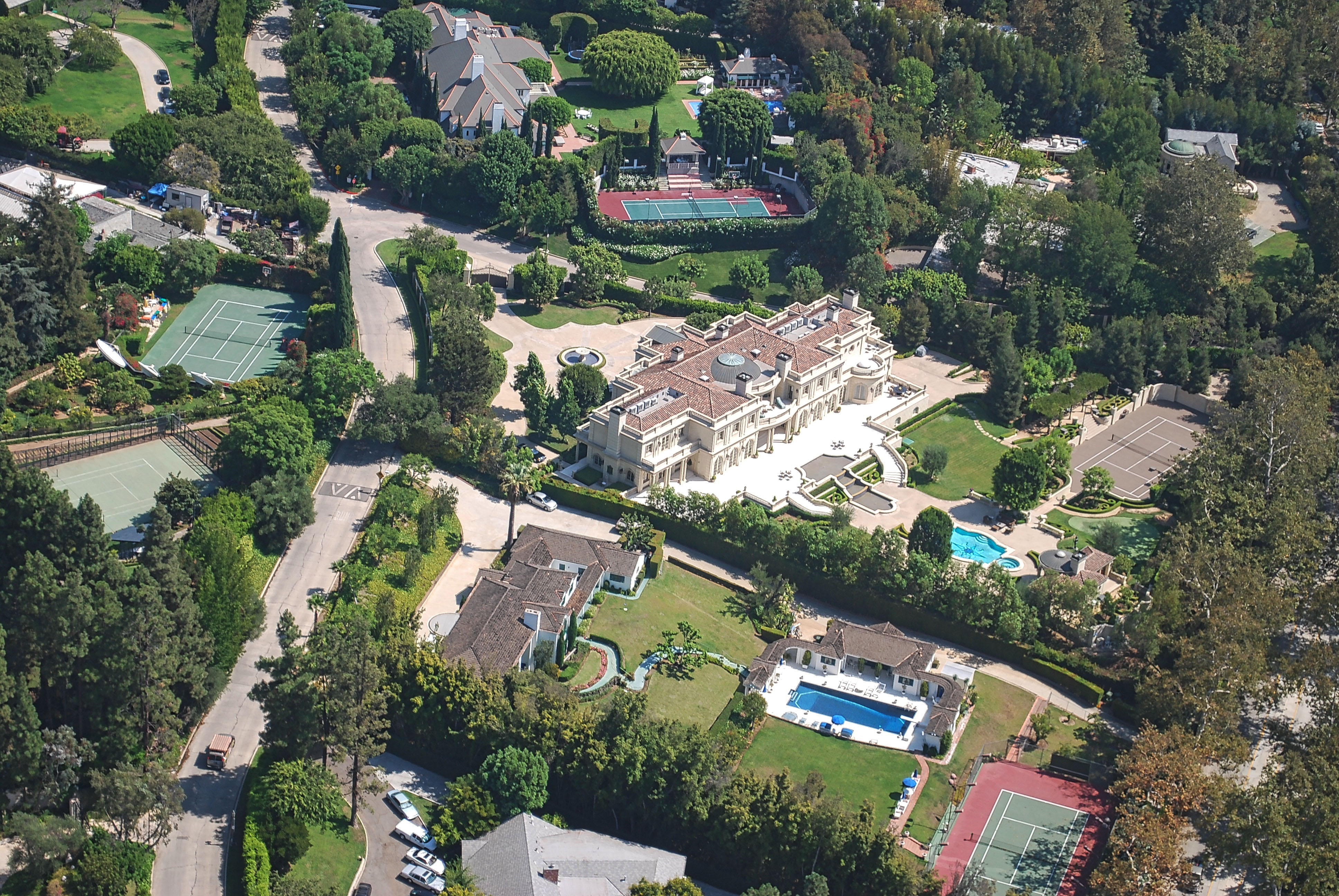
Spelling Manor
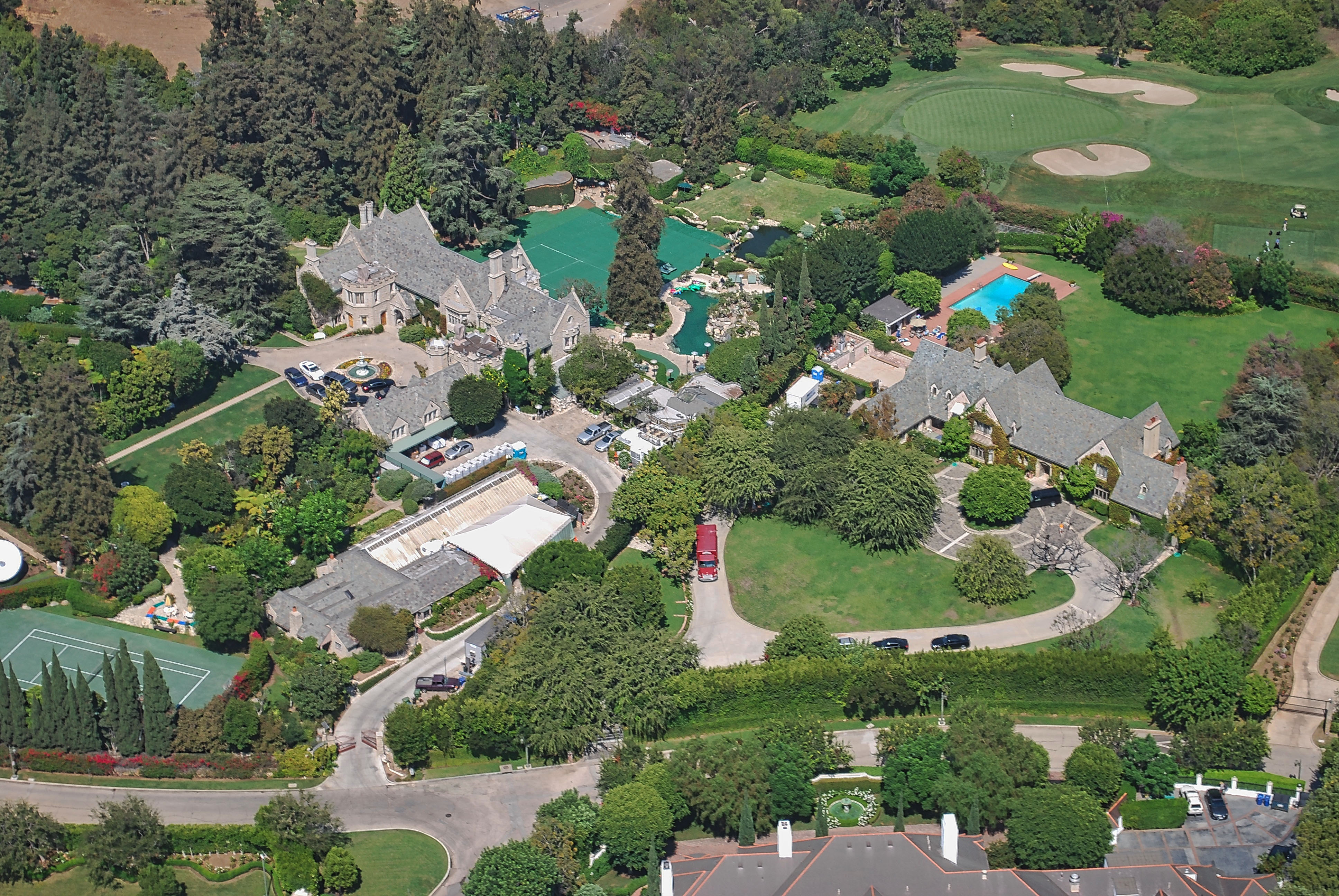
Playboy Mansion
Playboy Mansion
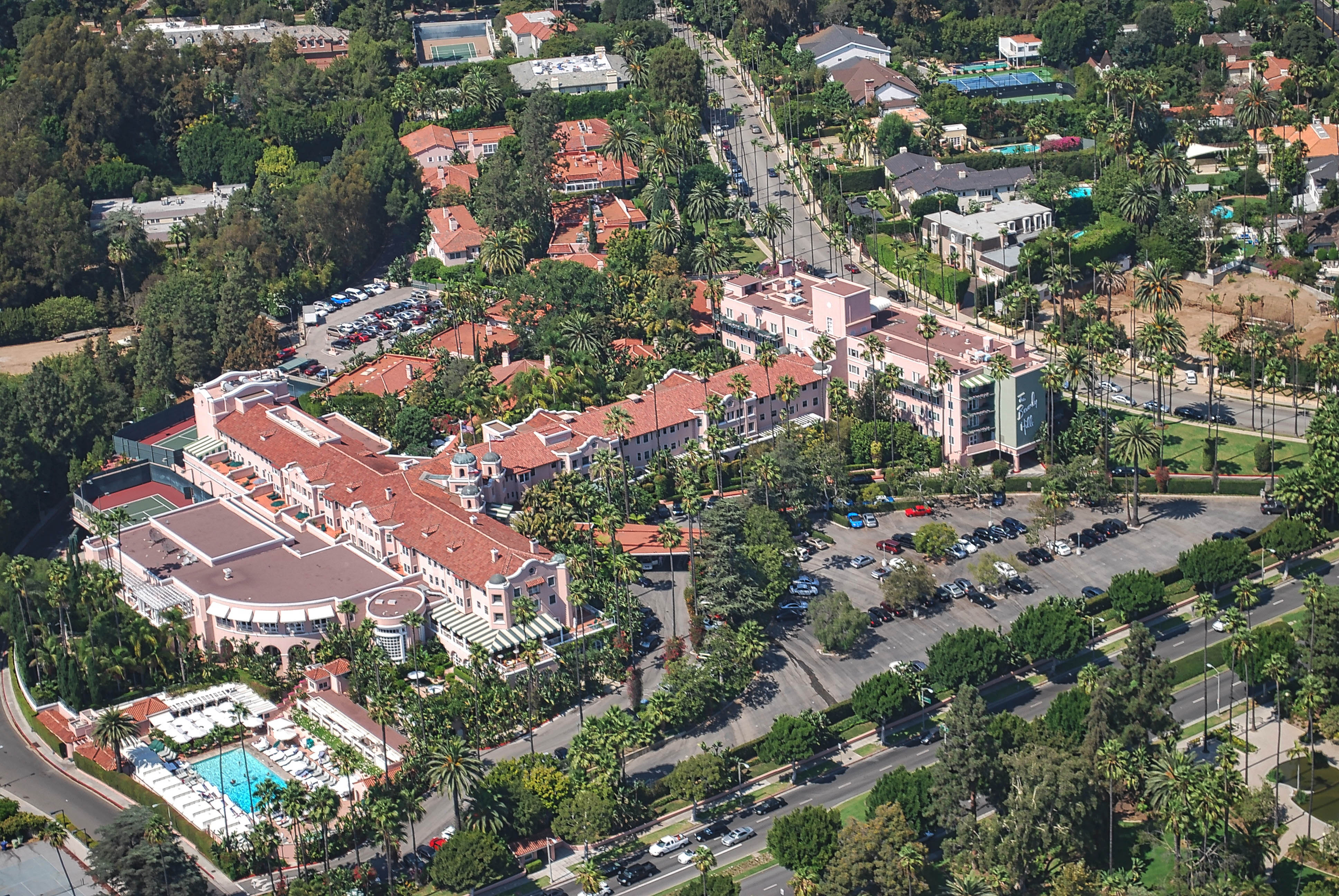
Beverly Hills Hotel

Sunset Boulevard where the stars party
Sunset Boulevard
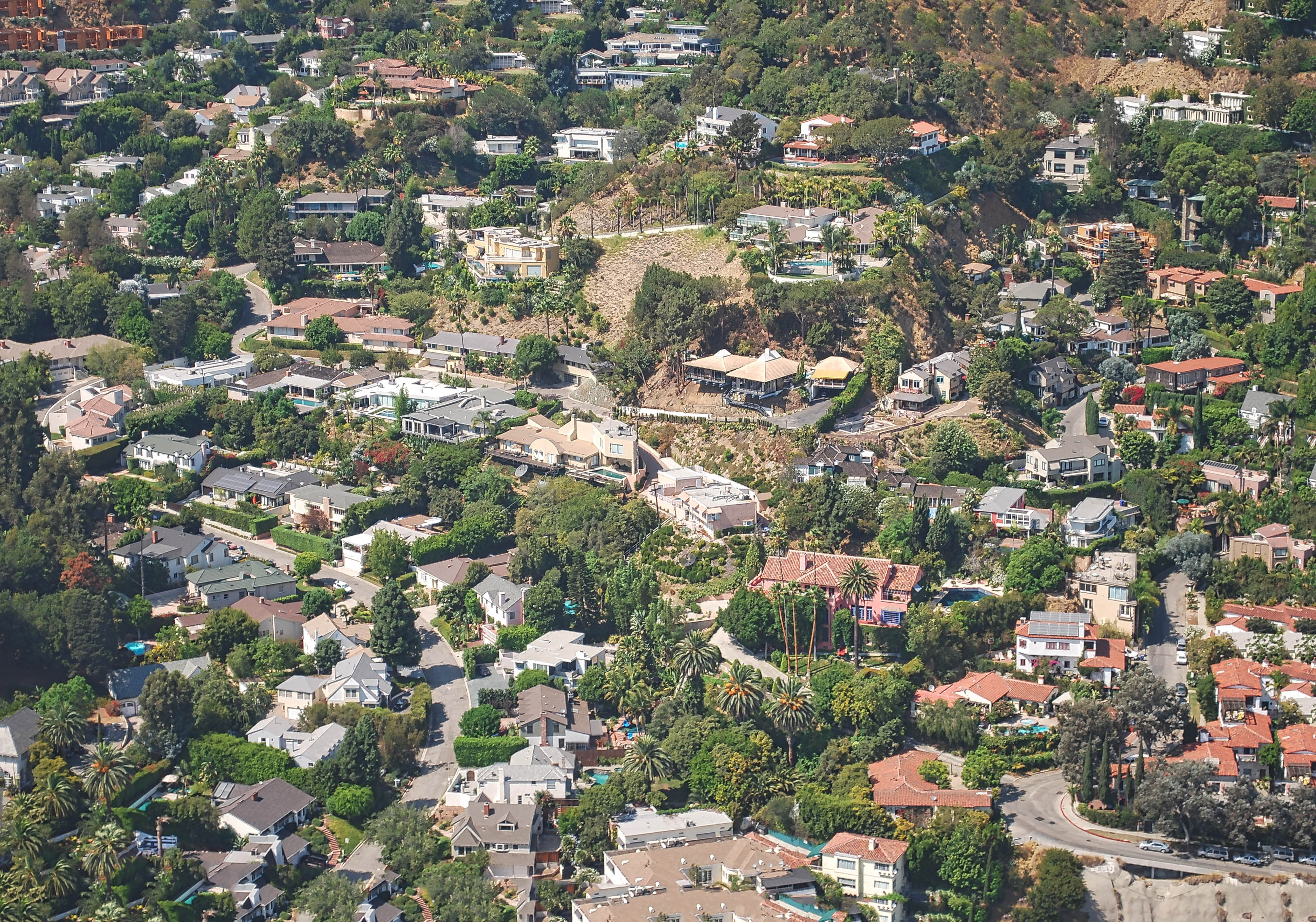
Paris Hilton Party Home (pink house with blue trim)
I was told by the helicopter pilot that the pink house with blue trim is Paris Hilton’s party house.
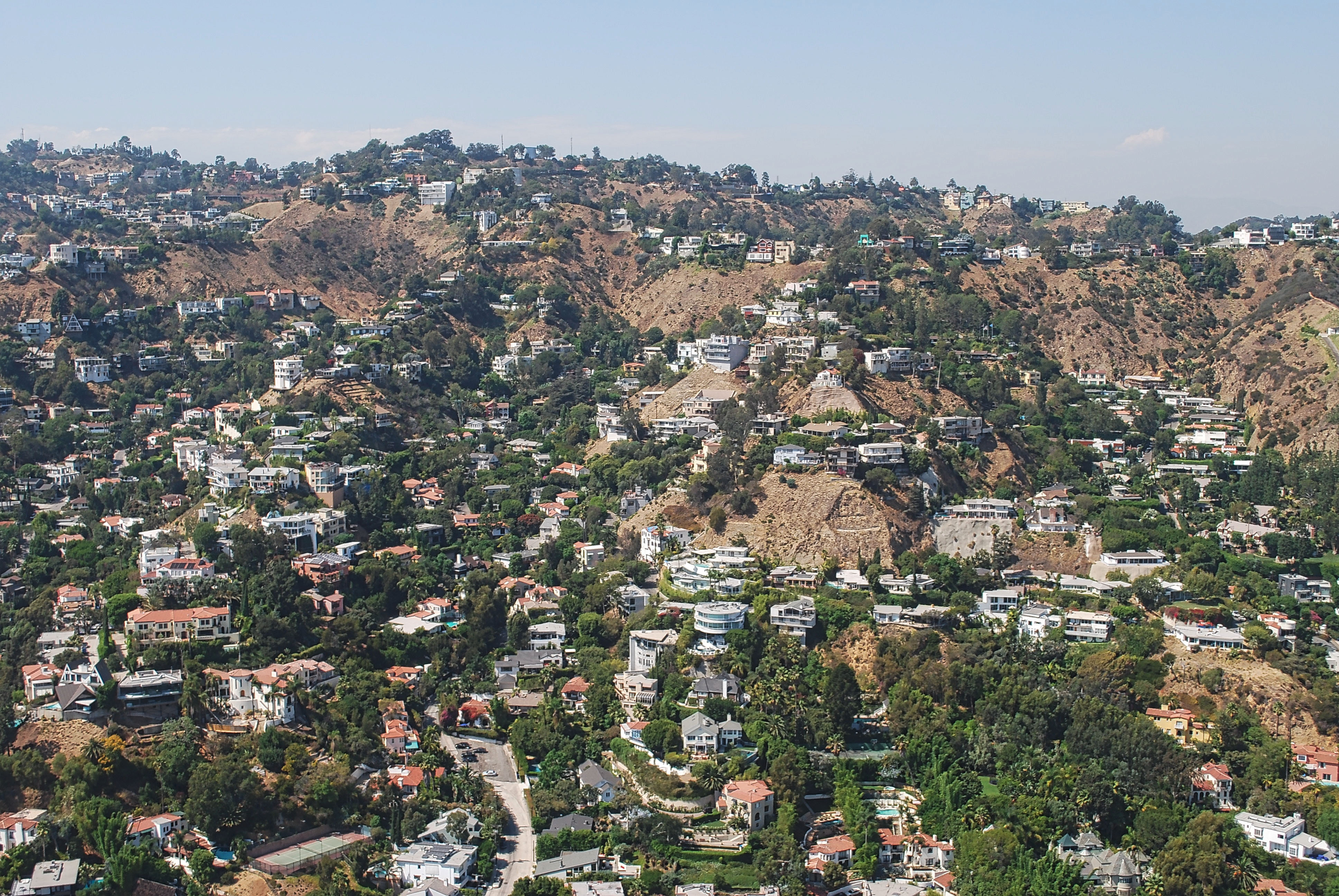
Lavish hillside living

Johnny Depp’s castle
A closer look at opulence
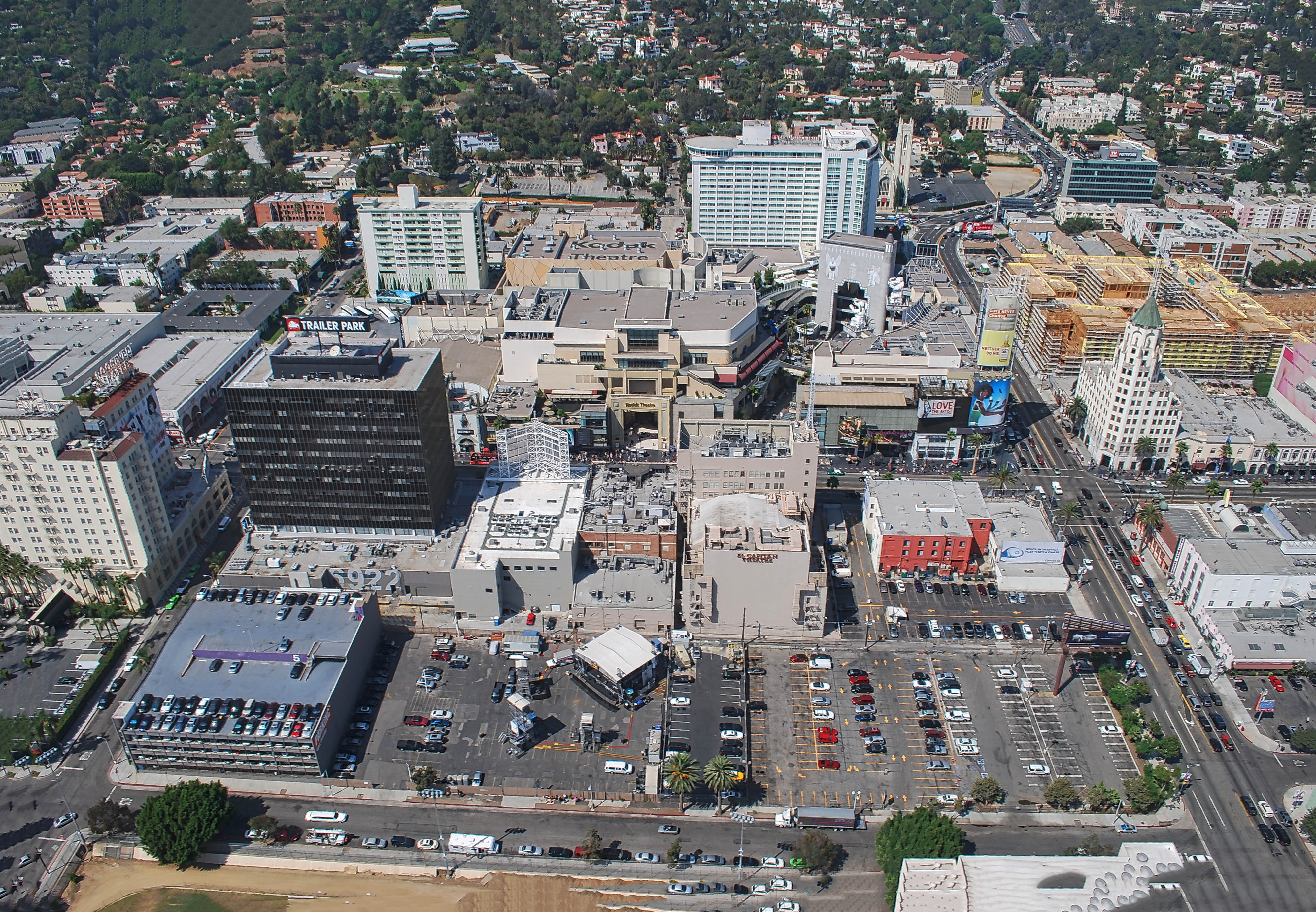
Hollywood and Highland
Hollywood and Highland

Kodak Theatre
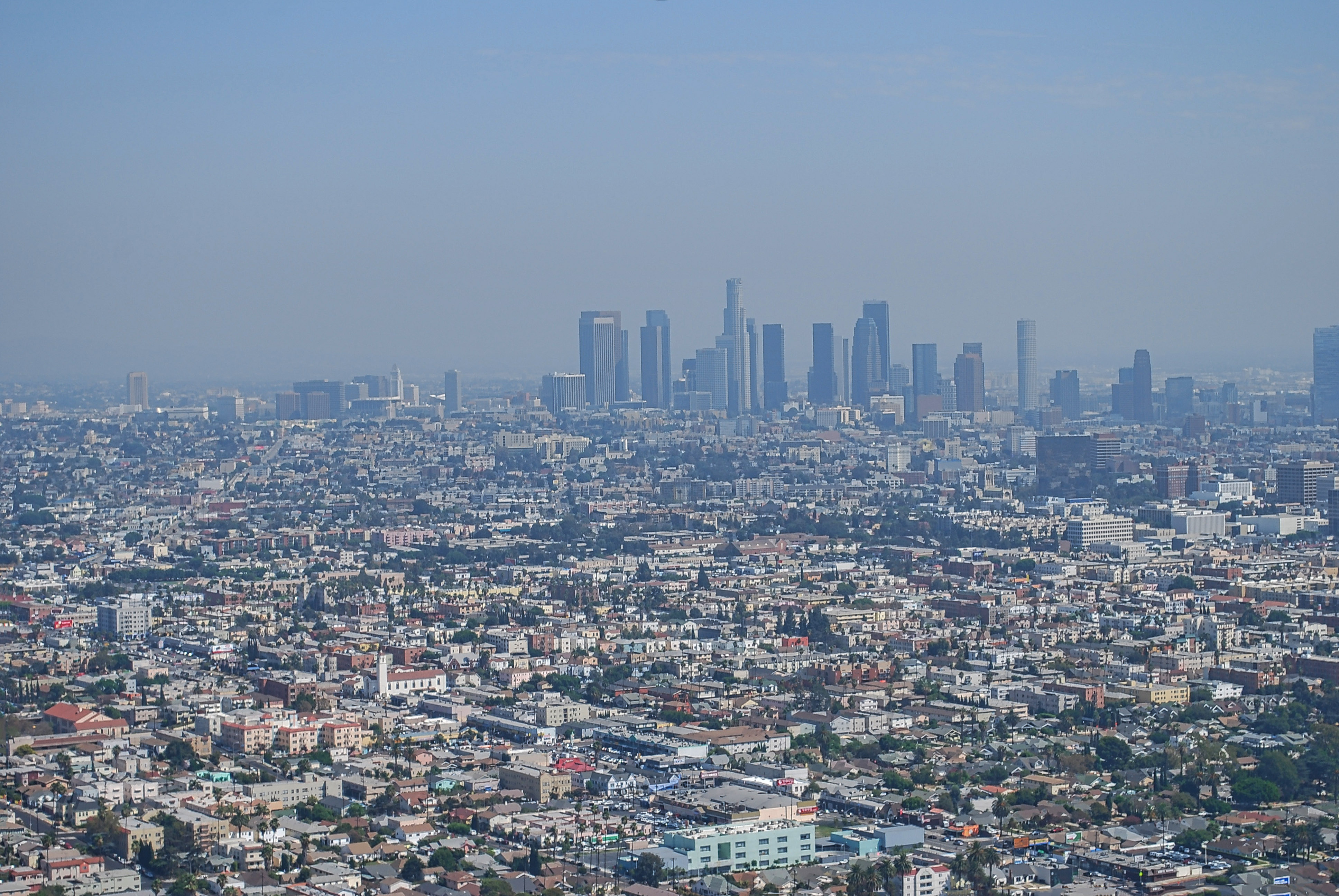
Dense residential area shows a different class of living

No swimming pools and tennis courts here
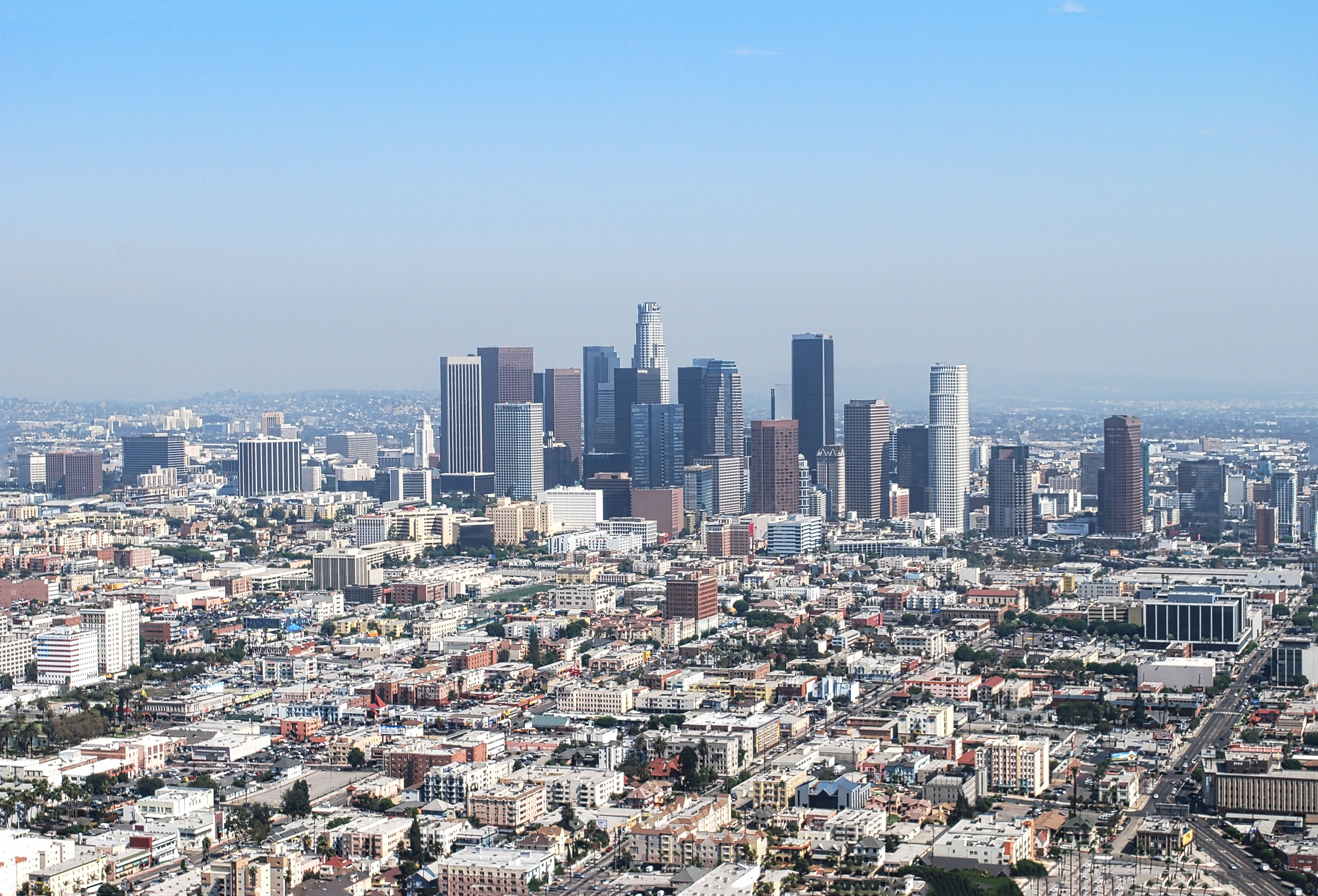
Downtown, LA
Downtown
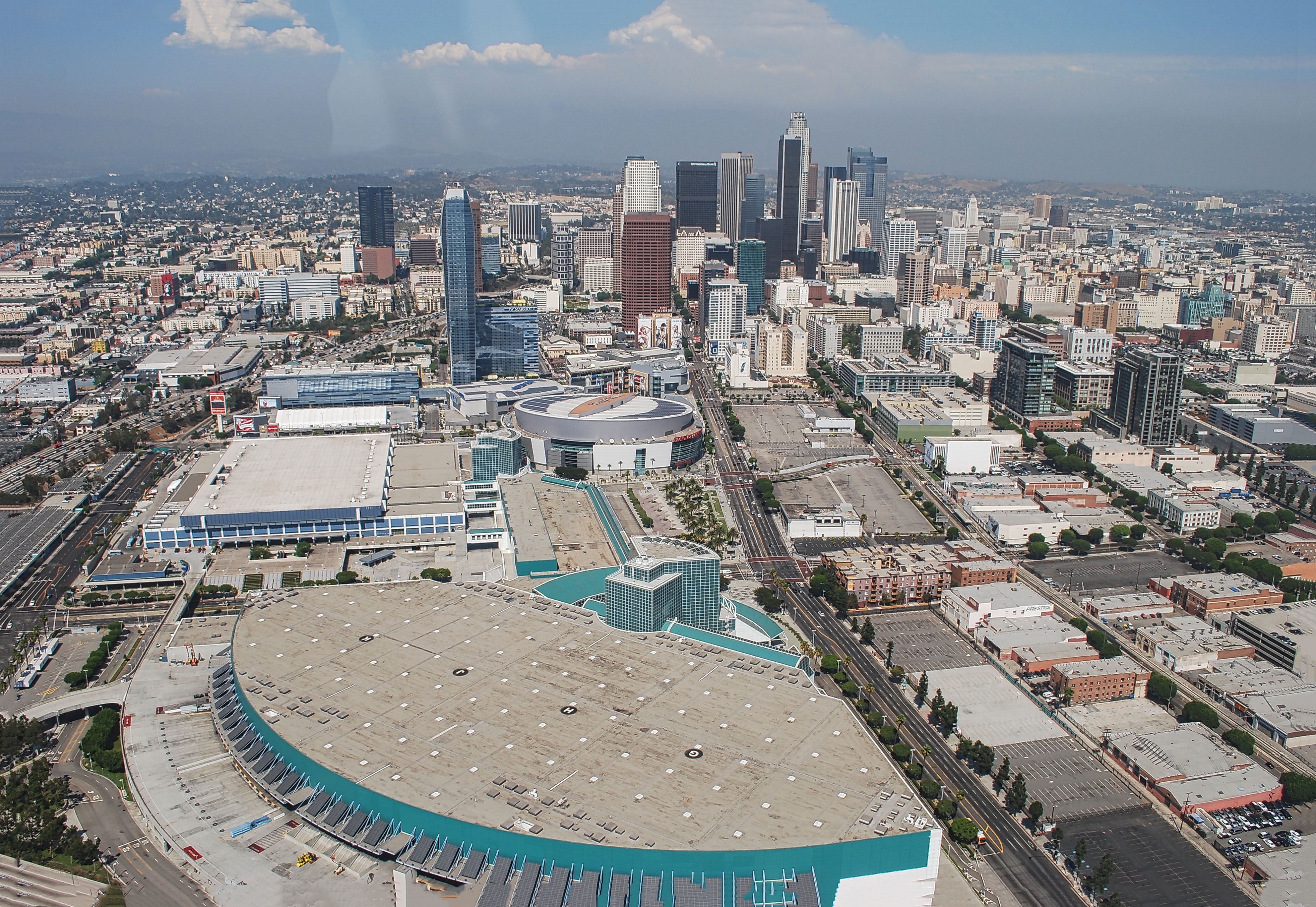
Downtown
Staples Center and Convention Center

Downtown, LA
Downtown
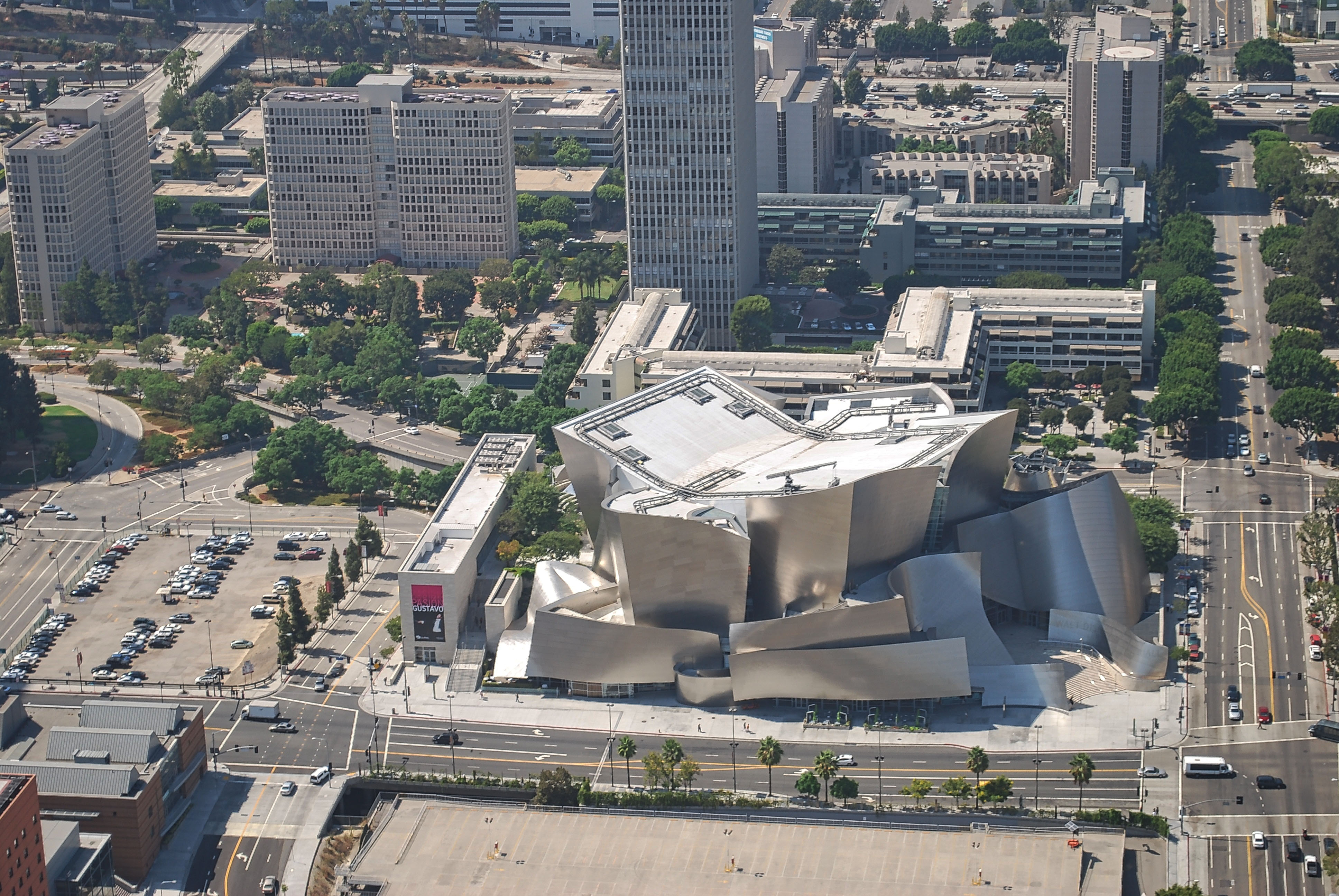
Walt Disney Concert Hall
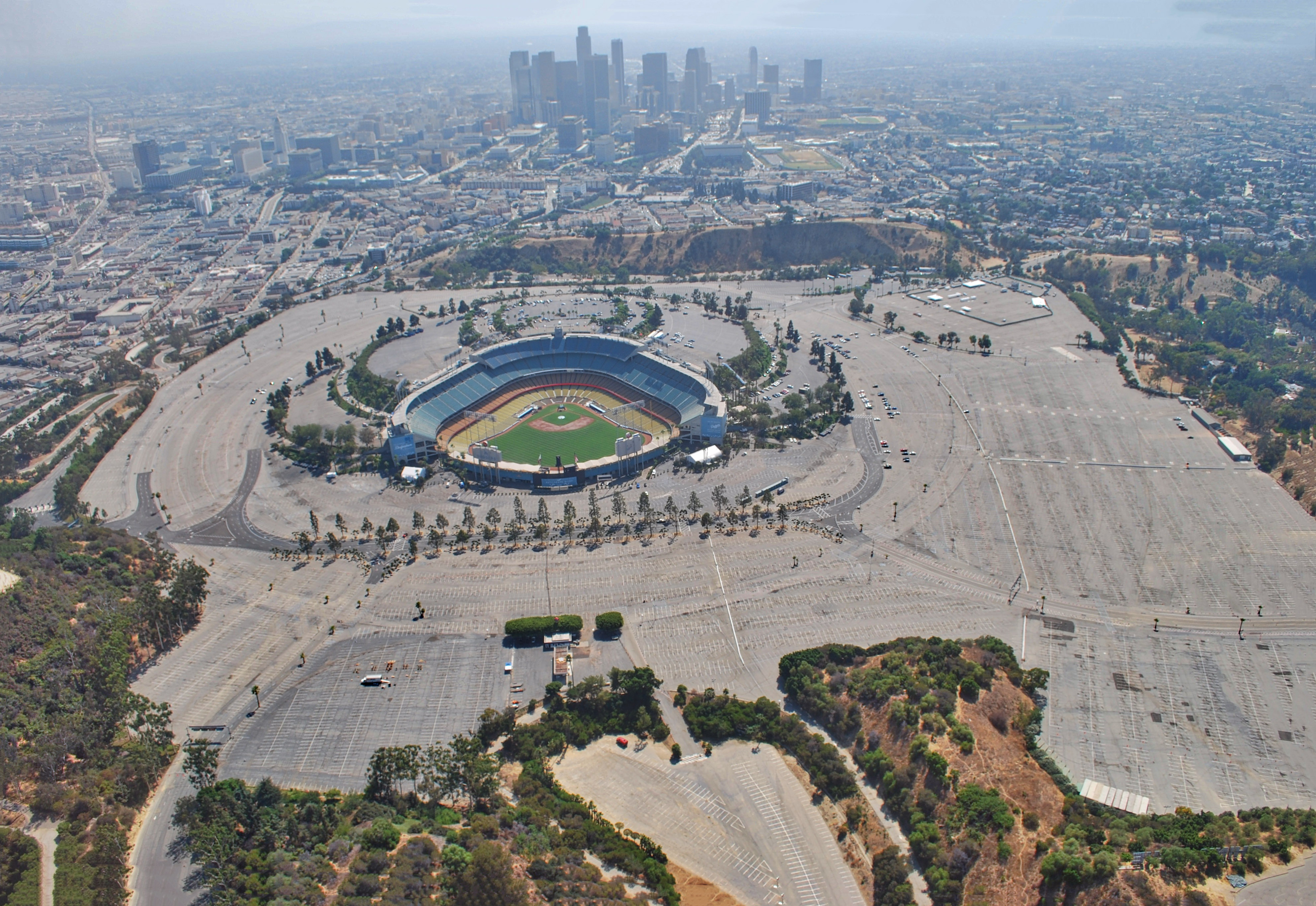
Dodger Stadium

Griffith Observatory

No description required here
Los Angeles CA (1) – Santa Monica Pier
Our three days in LA was short and trying to squeeze in as many things as we could proved daunting. Relying on the local transit system, we realized LA is a car-required city. After one error when we got off the bus too early, we finally made it to the Santa Monica Pier.

Santa Monica Pier, Santa Monica
Entering the Santa Monica Pier on Colorado Avenue

Santa Monica Blvd., Santa Monica
A view of the south from the Pier entrance

Santa Monica Beach, Santa Monica
A view of the north from the Pier

Santa Monica Beach, Santa Monica
Volleyball, anyone?

Santa Monica Pier, Santa Monica
The end of the Pier

Santa Monica Pier, Santa Monica
Looking back to the beach from the end of the pier

Santa Monica Pier, Santa Monica
Overhead view of Pacific Park from our private helicopter tour
Saskatoon SK Canada (9) – Forestry Farm
The Saskatoon Forestry Farm is a small zoo devoid of any exotic animals such as lions, elephants, giraffes, etc. However, it has enough furry mammals and feathered friends to keep the young interested and educated.
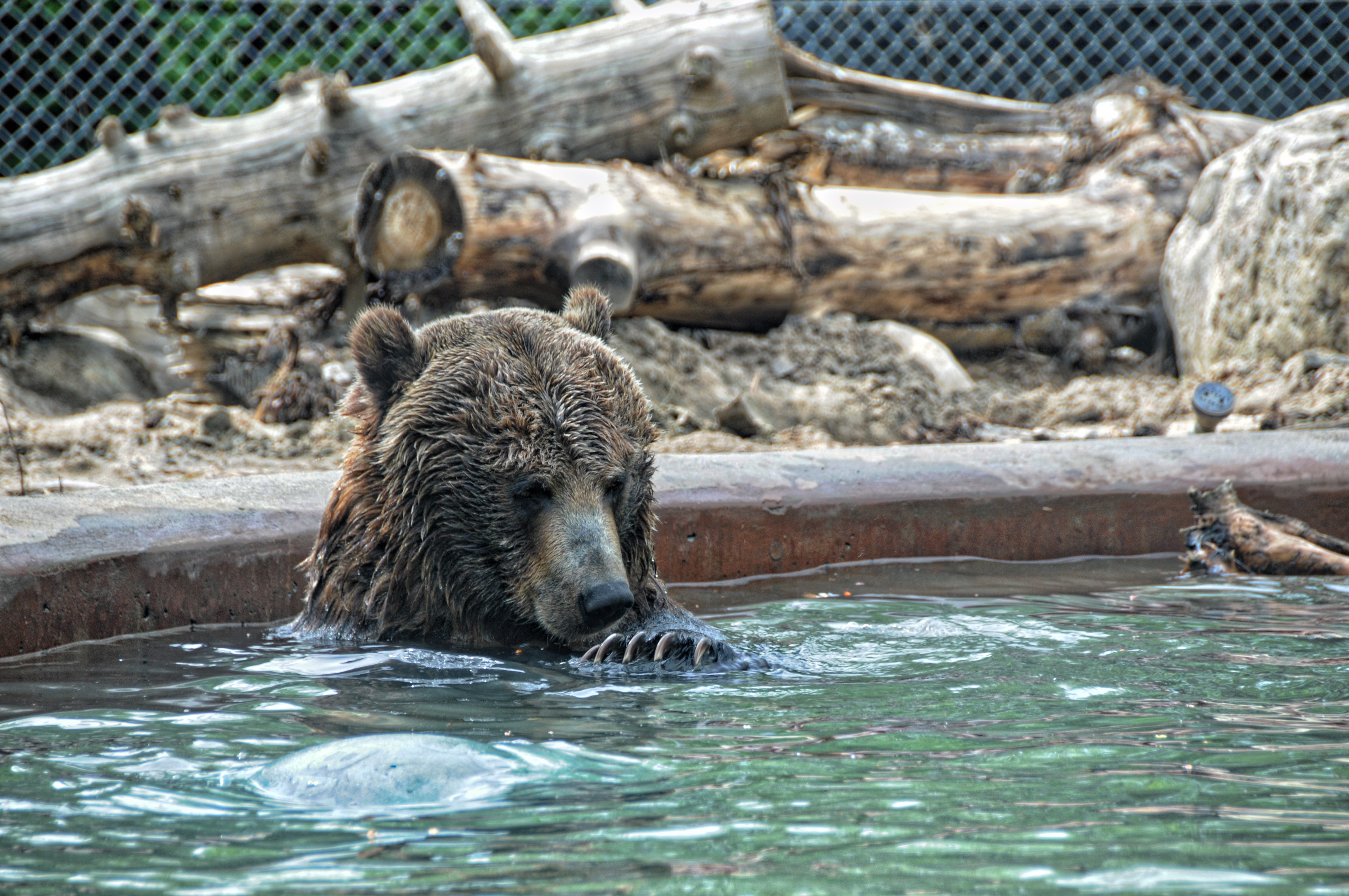
Grizzly Brown Bear

Wolf
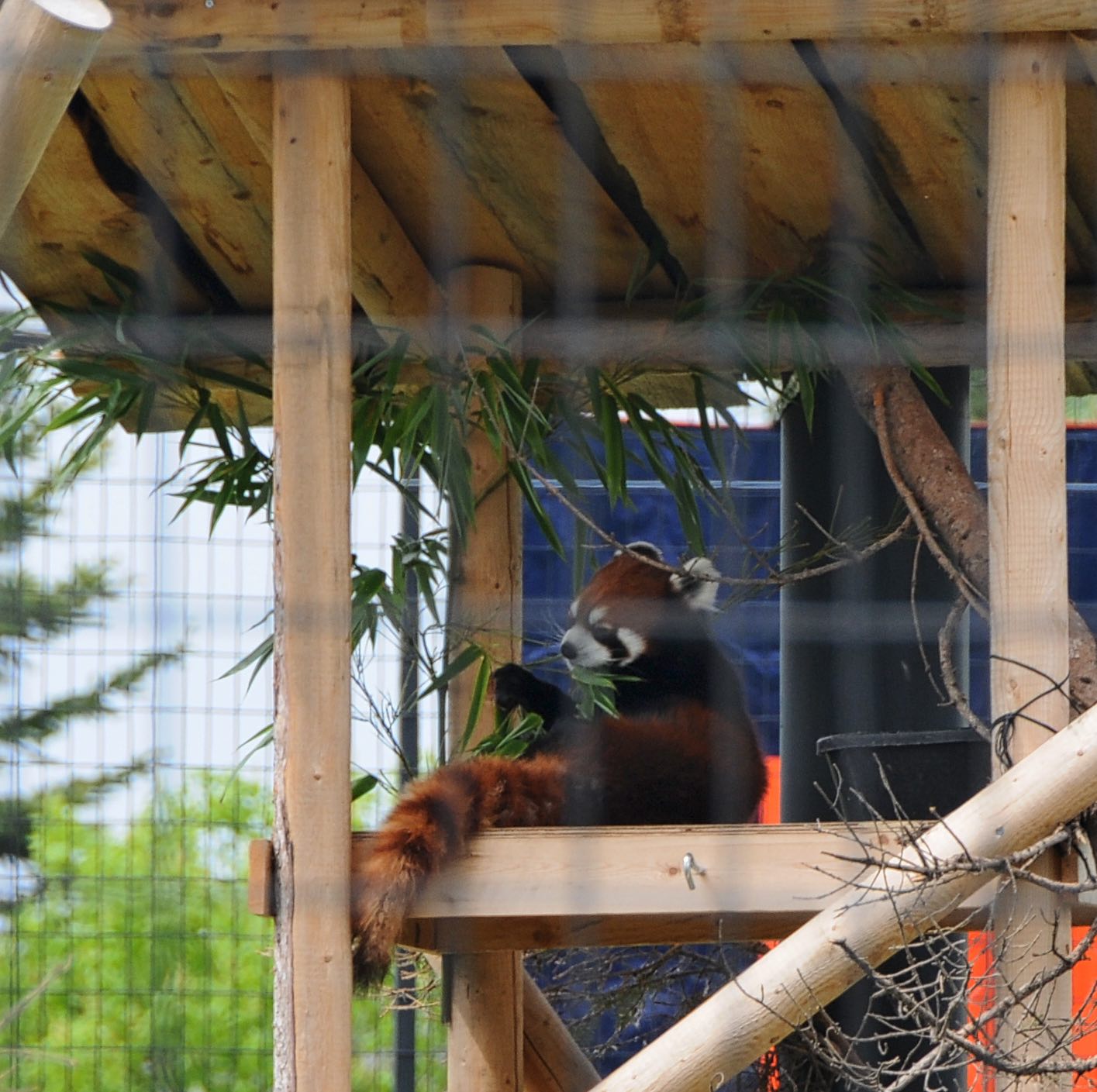
Red Panda

Snowy Owl
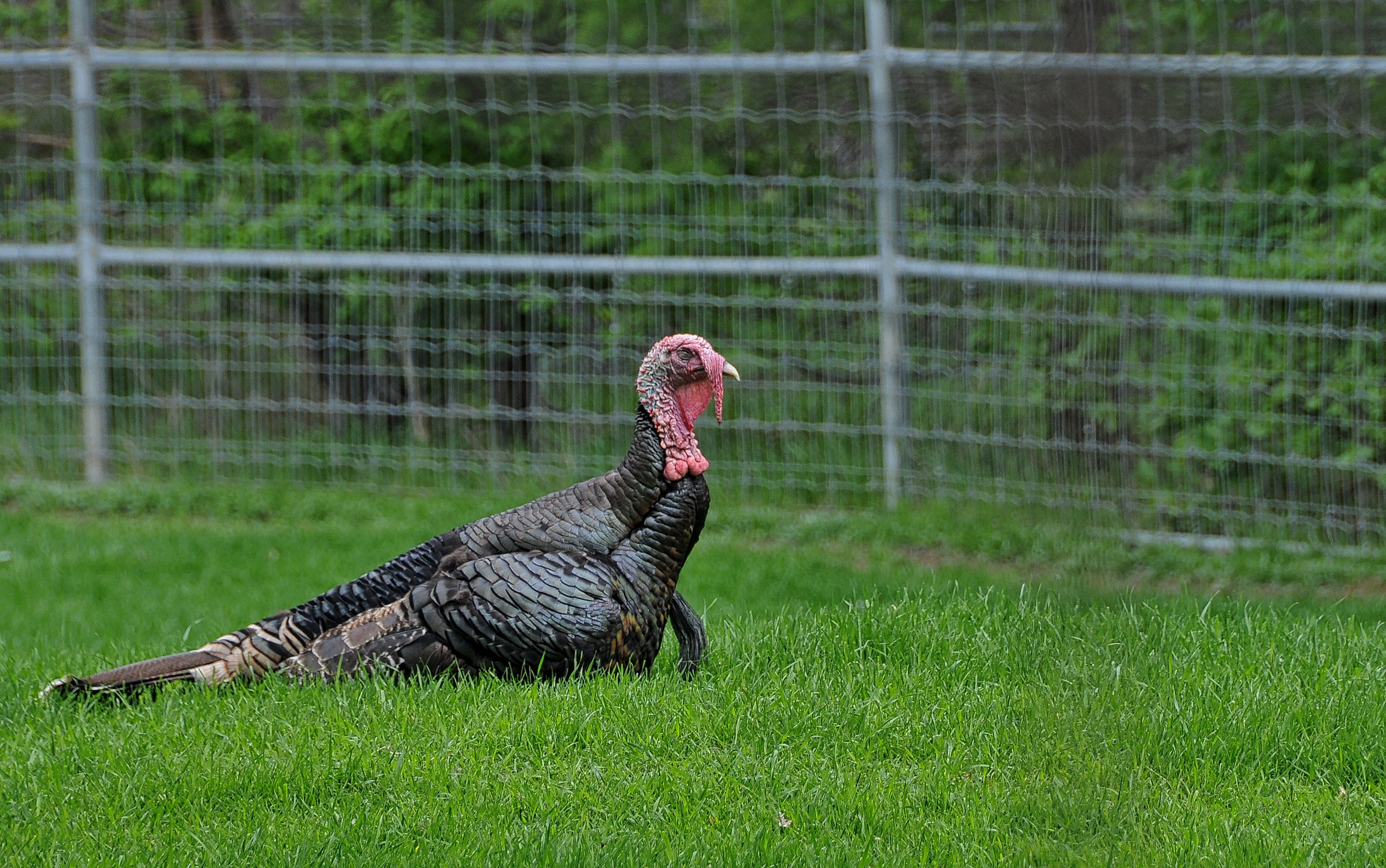
Turkey

American Bison

White Buffalo

Indian Blue Peafowl

Pintail Duck and her babies

Dall Sheep

Canada Goose and her chicks

Miniature Pony
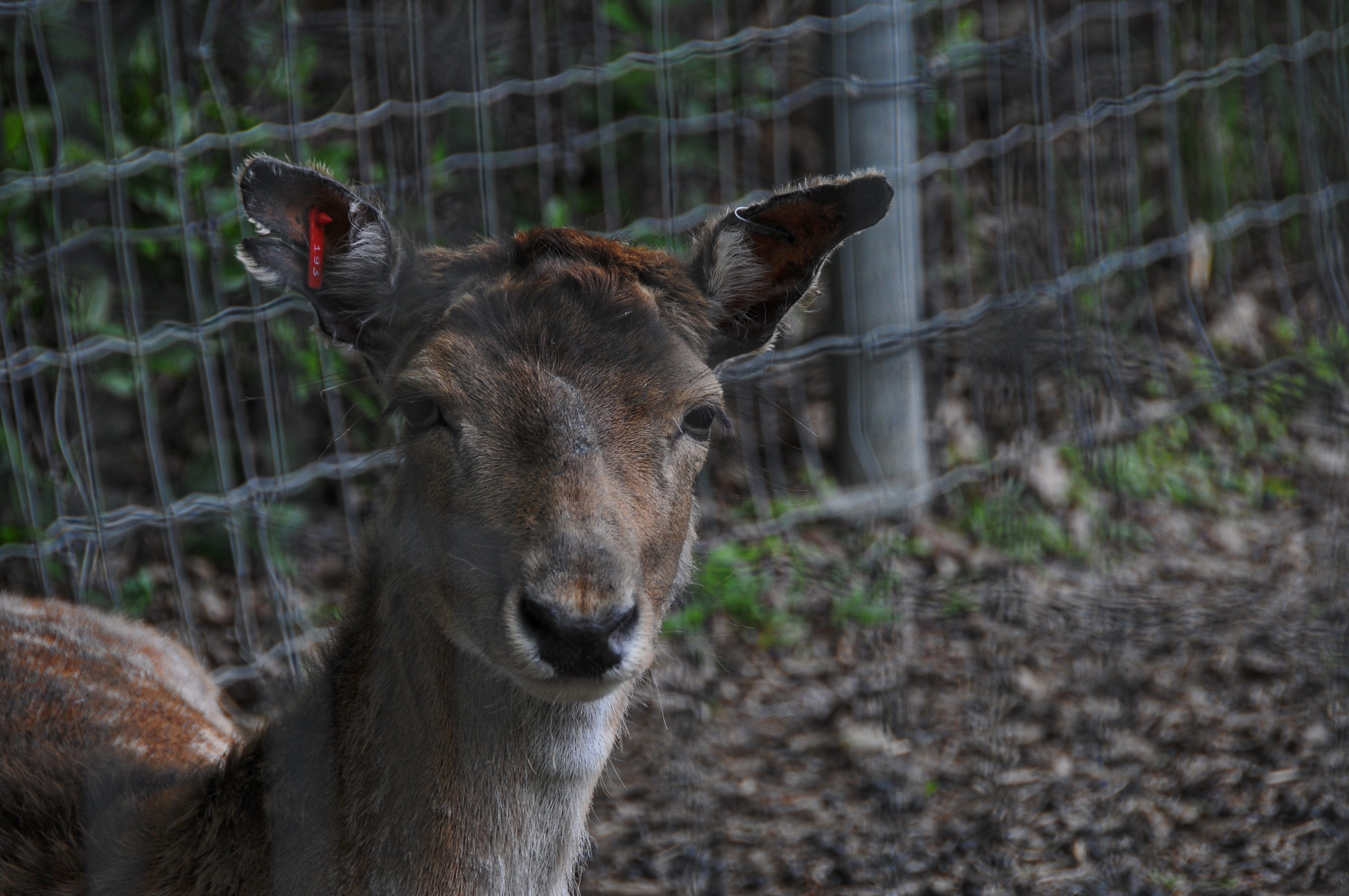
Deer

Blossom Time

A Colourful Time of Year
Amsterdam (13) – Schiphol Airport
The last post of my trip to the Netherlands is where this vacation started and ended. Schiphol Airport has become one of my favourite airports. I especially admire the efficient train system that is linked from this airport to many parts of the Netherlands, Germany and Belgium.

The Hekla Aurora is part of the Icelandair’s fleet allowing passengers to experience the Aurora Borealis with interior mood lighting. We were fortunate to be the passengers on this one of a kind plane from Amsterdam to Reykjavik.

This KLM jet appears as though it sits on top a roof of a building.

The tarmac of Schiphol Airport shows KLM as a dominant player.

The many shops and restaurants allowed plenty of things to see as we kill time, waiting for our departure.
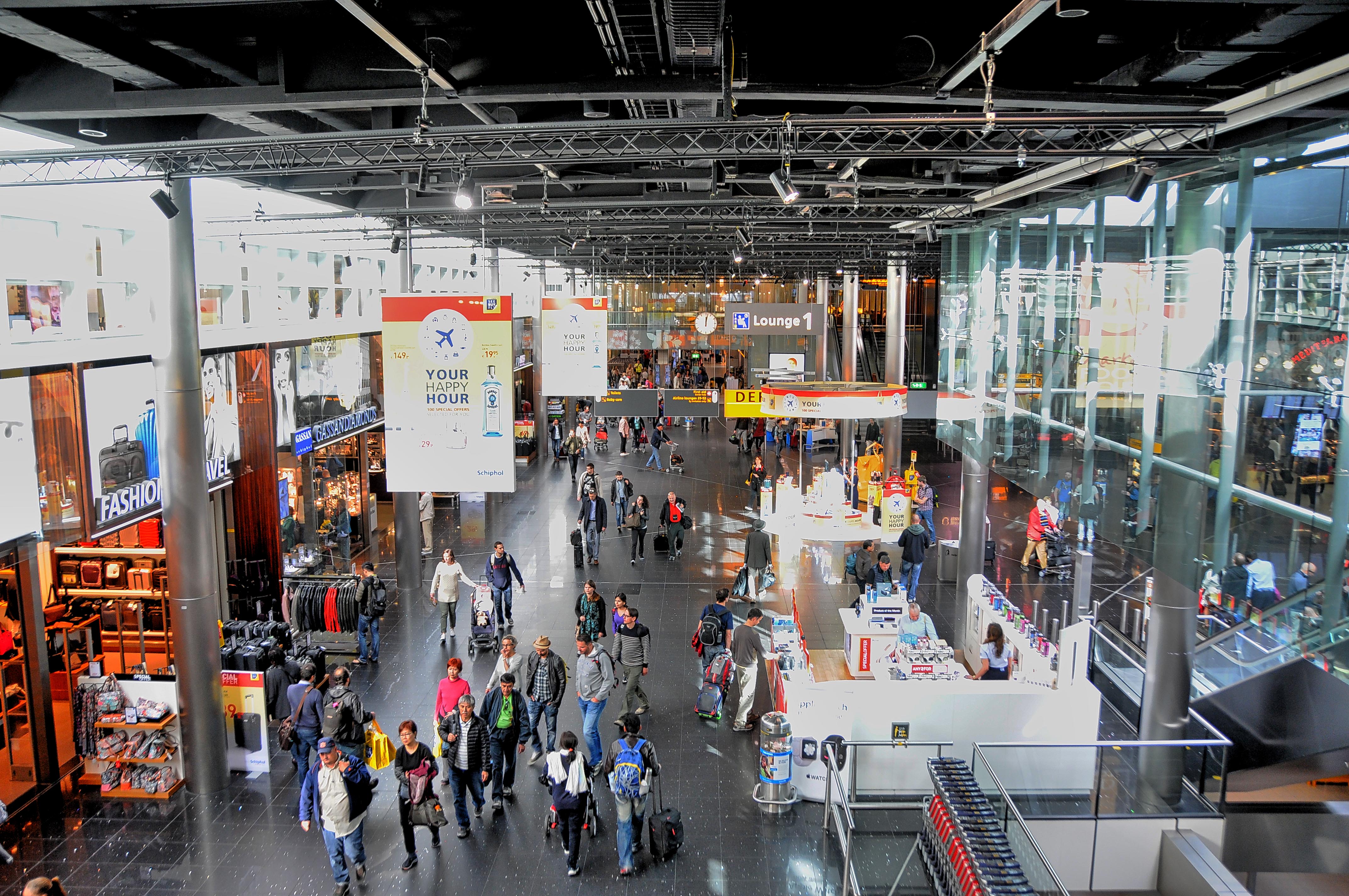
…and more shops

A creative use of an inspiring phrase.
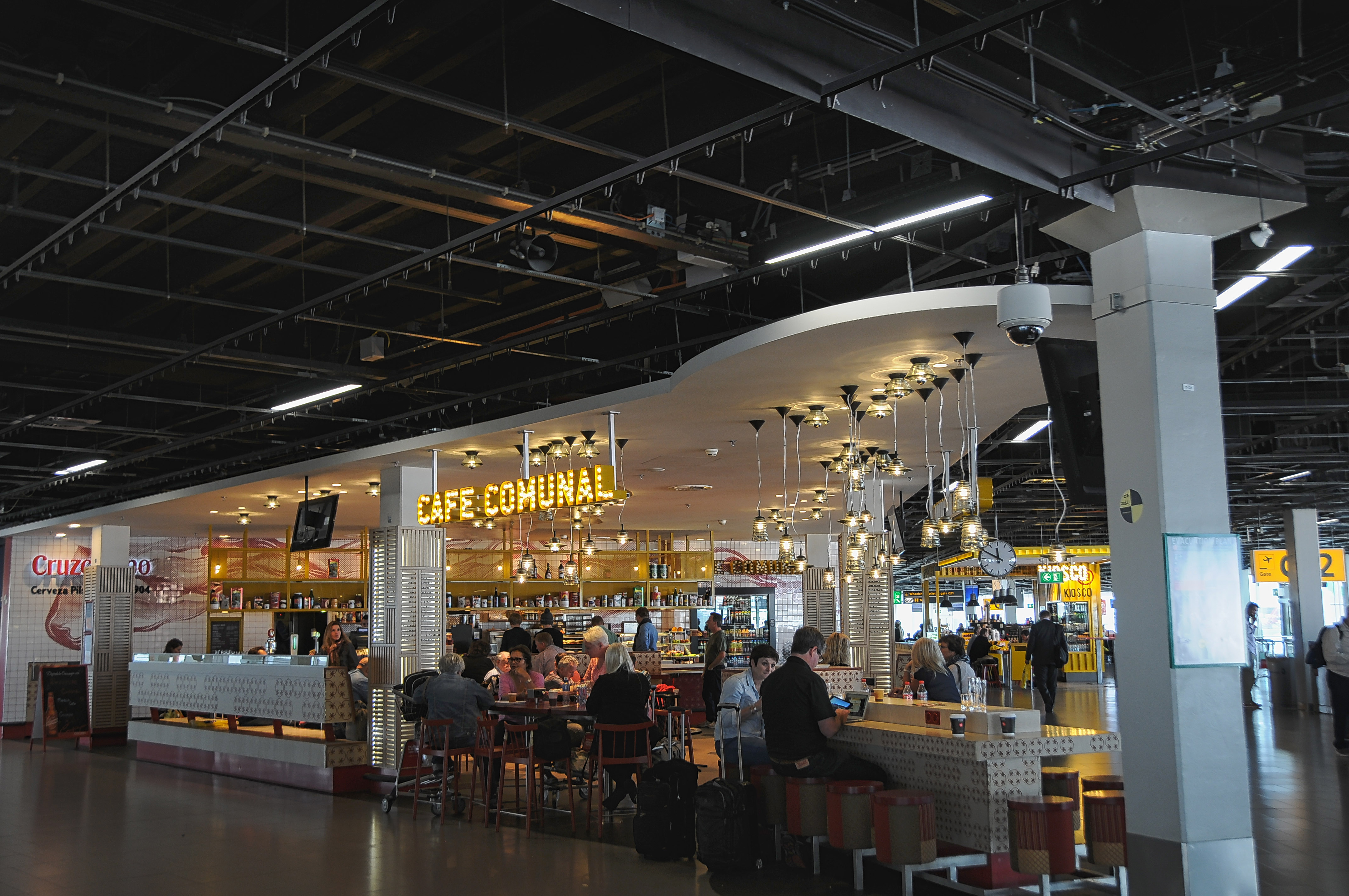
Cafe Communal is one of the many restaurants available to relax and grab a bite.

Passenger silhouettes on a moving ramp.
Good-bye Amsterdam!
Rotterdam (5) – Street Sights
A 12-hour day trip to Rotterdam did not allow much time for exploring. Here is a small sampling of the sightings we experienced wandering through the streets.

Along Voorthaven

A mix of residential, commercial (small shops) and boats on Aelbrechtskolk in the Delfshaven area.
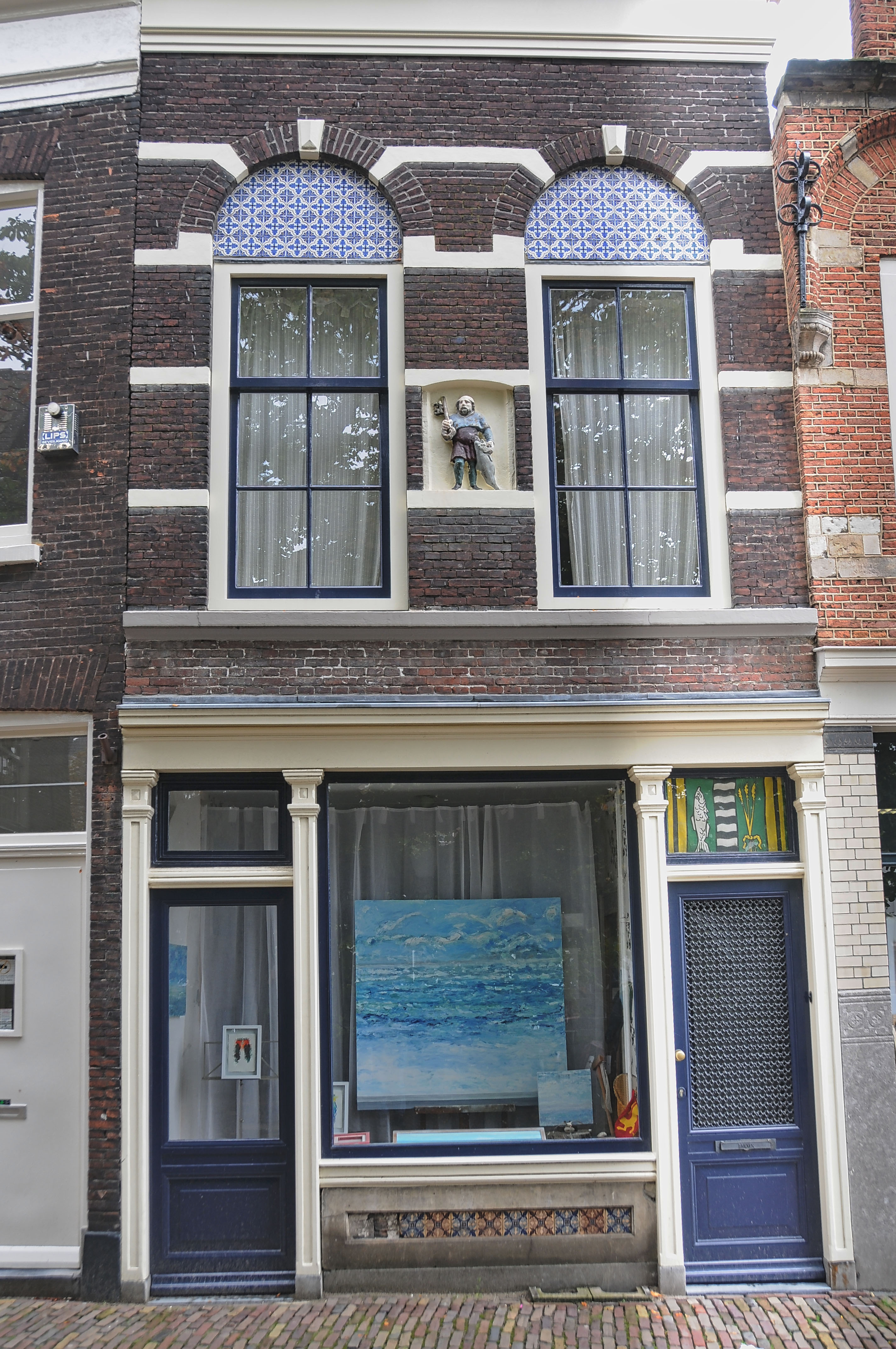
An Art Gallery Storefront in the Delfshaven neighbourhood.

On the corner of Havenstraat and Schiedamseweg

Korenmolen De Distillerketel, along Voorhaven
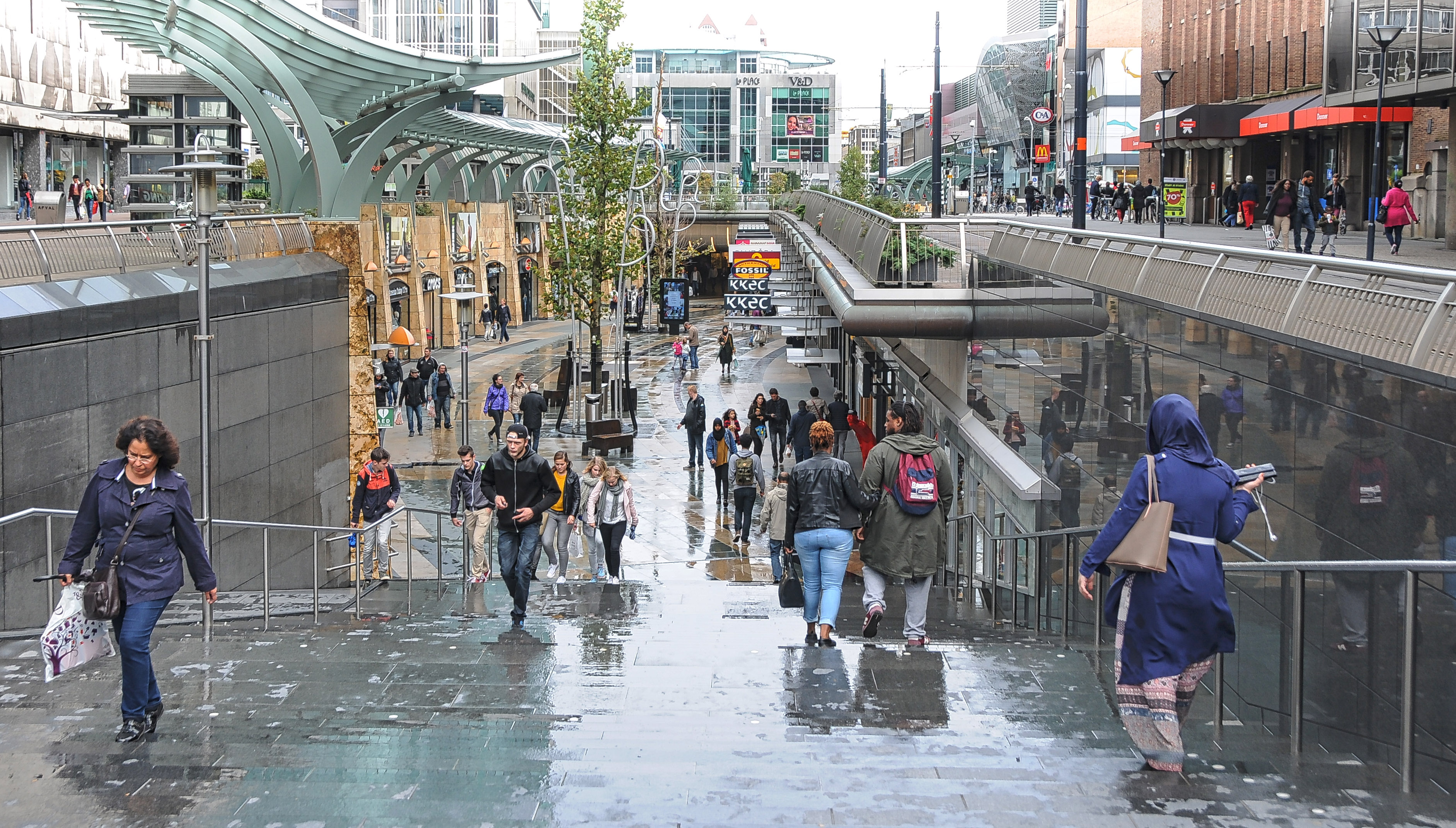
Lijnbaan – Main Shopping street in downtown Rotterdam
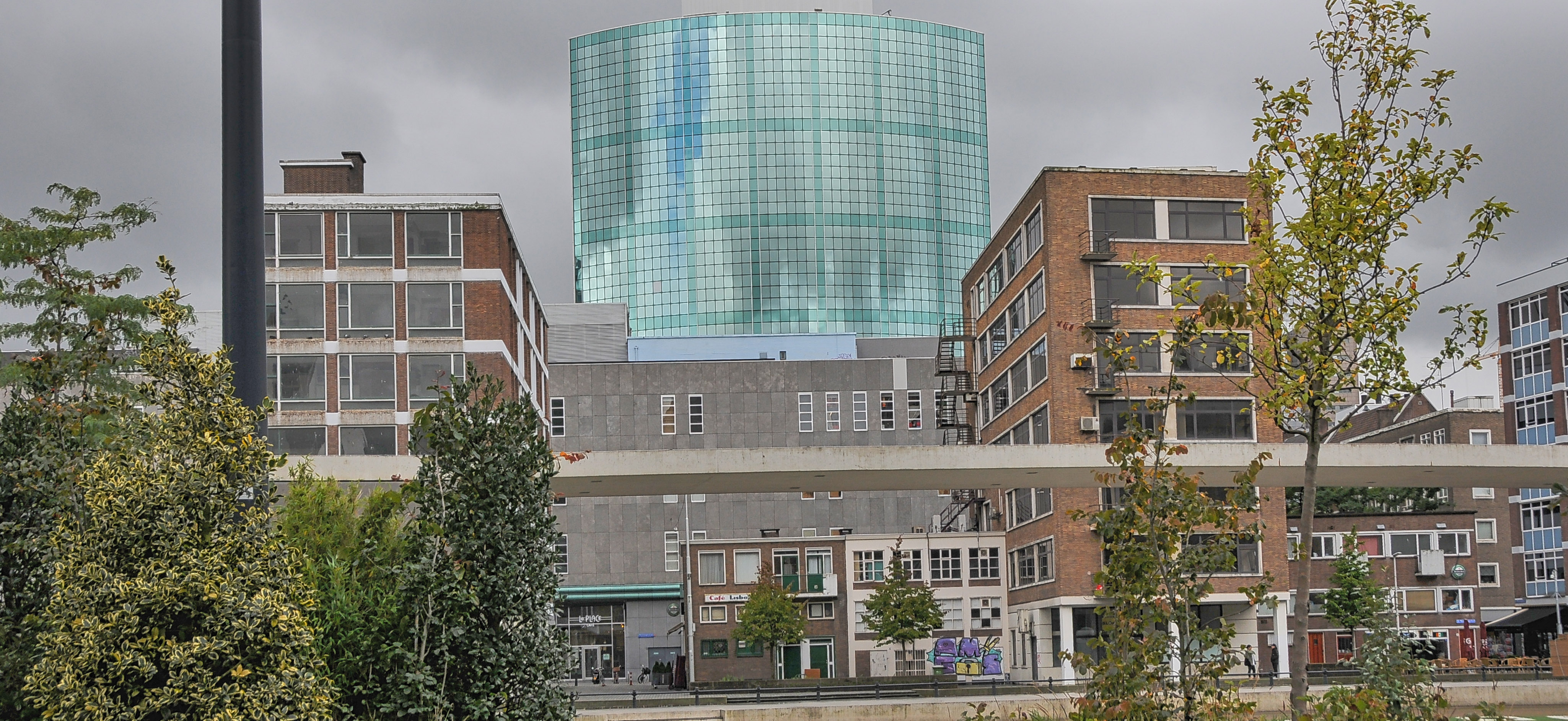
Word Trade Centre in the background
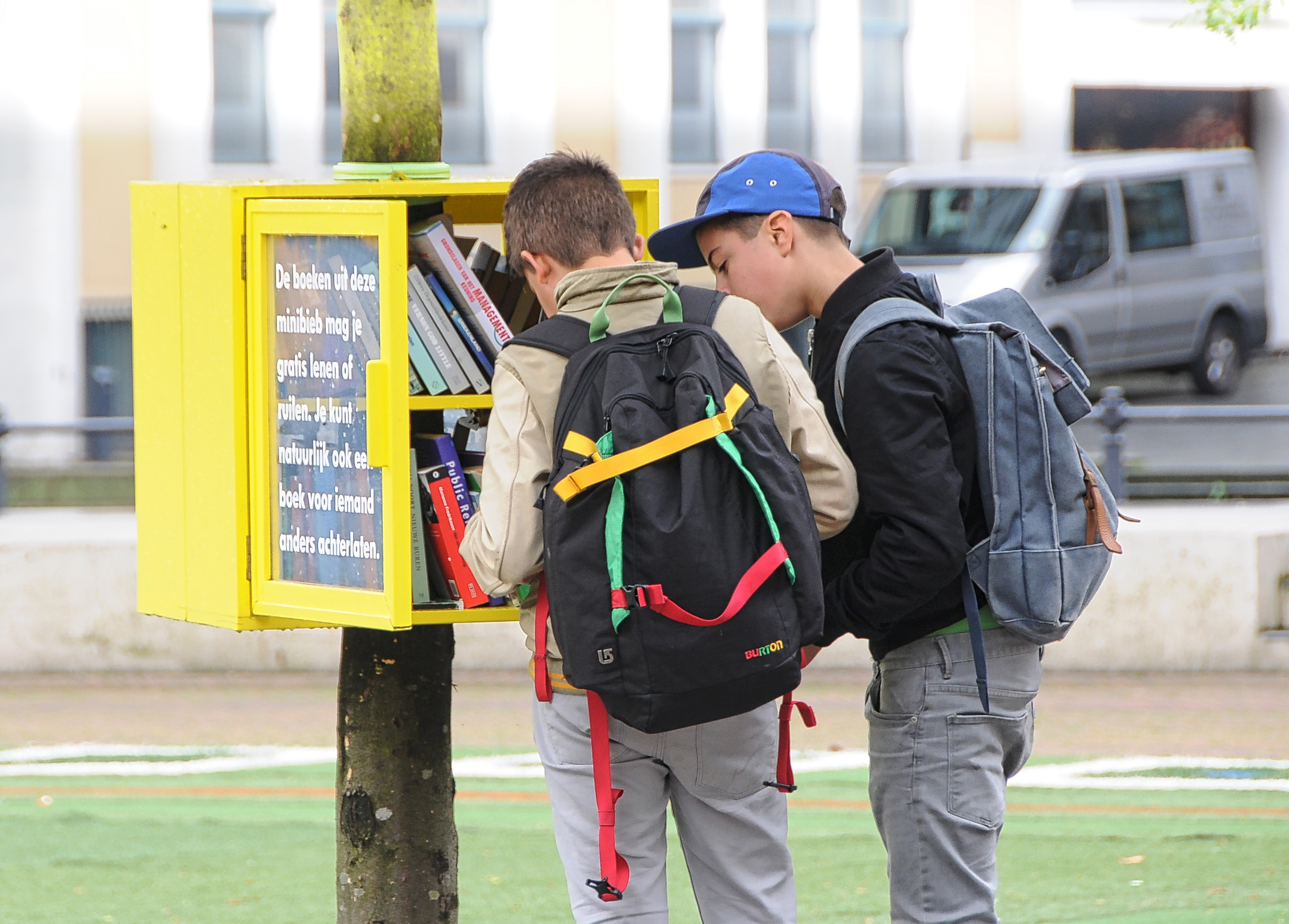
A great way for people to recycle books. Stands like these are located throughout the Netherlands. This one exists outside Laurenskerk. It was refreshing to see these young boys showing their appreciation for written word.

l to r. Rotterdam Public Library, Het Potlood (The Pencil), Rotterdam Station Blaak (with the circular structure) and Markthal
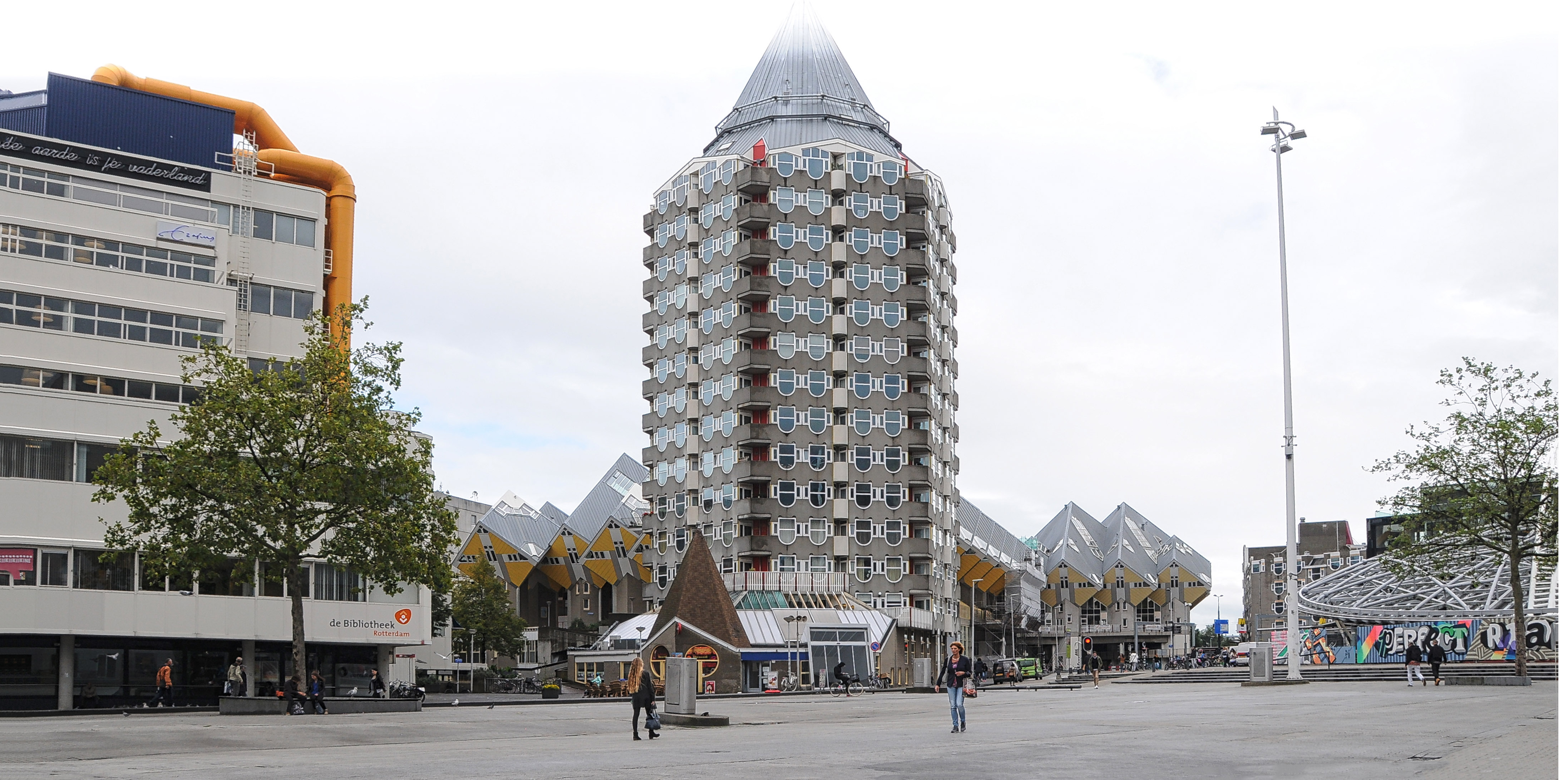
A closer look at Het Potlood (The Pencil) is an apartment building with the Cubic Houses Complex behind. Each cube house has three floors with 675 square feet of living space out of 900 square feet because of the angled ceilings.
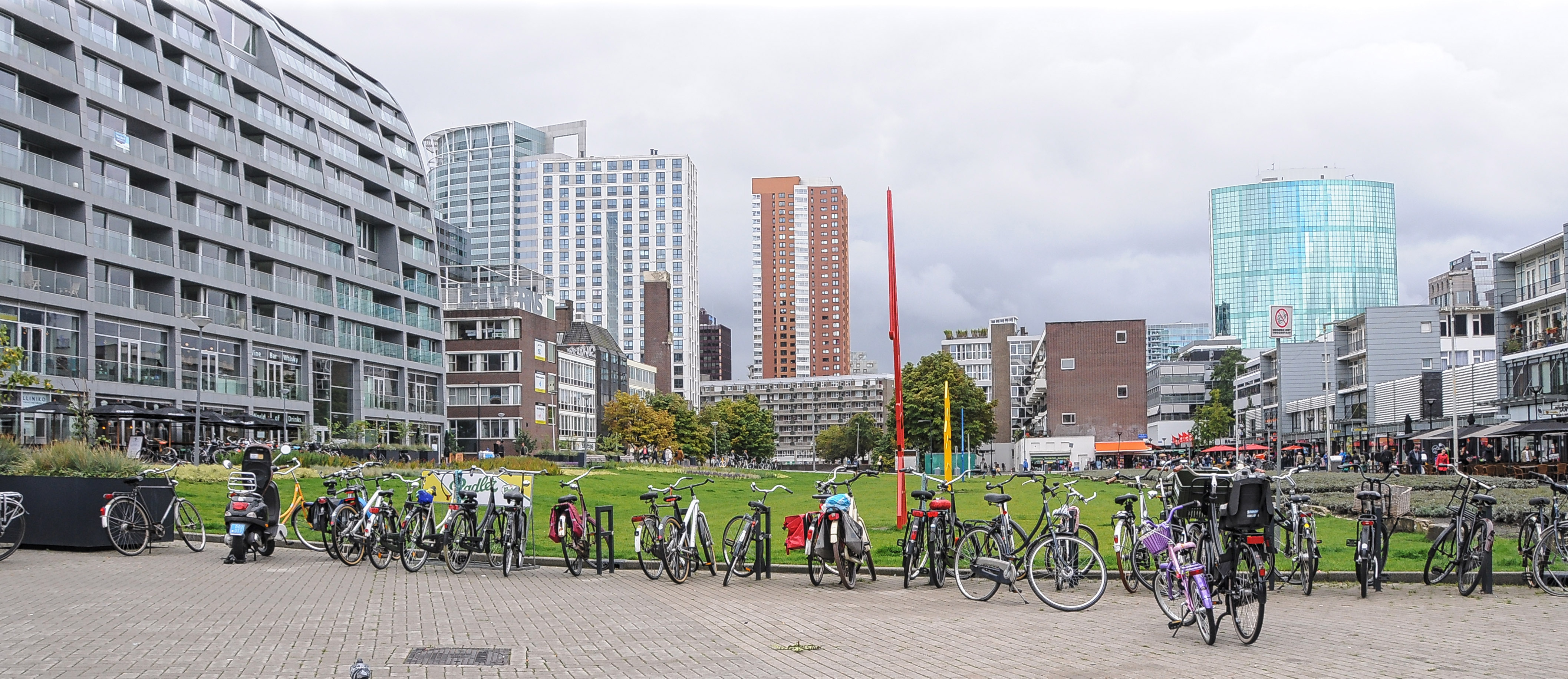
Park area beside Markthal (on left) and across the Public Library
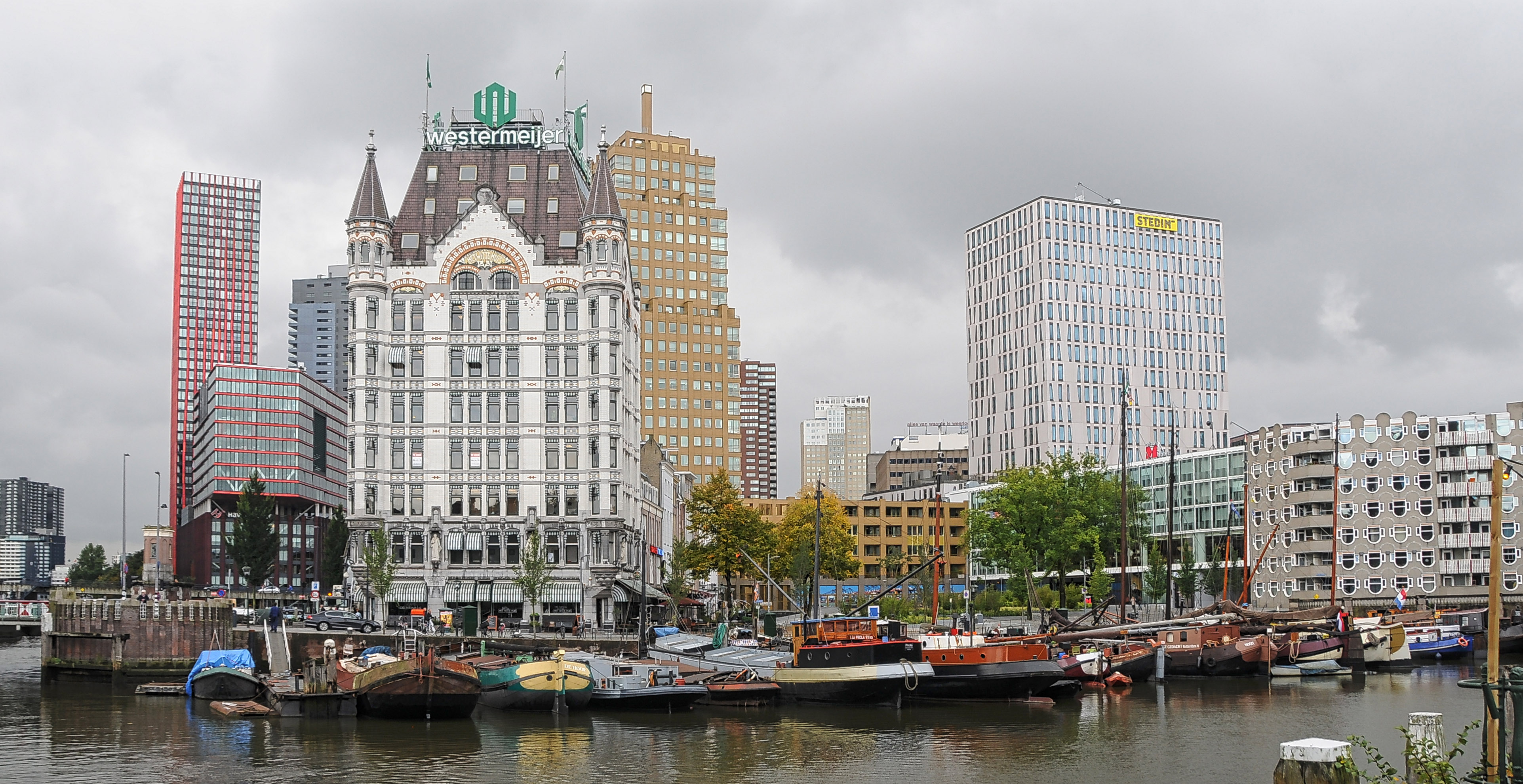
Mariniers Museum Der Kon
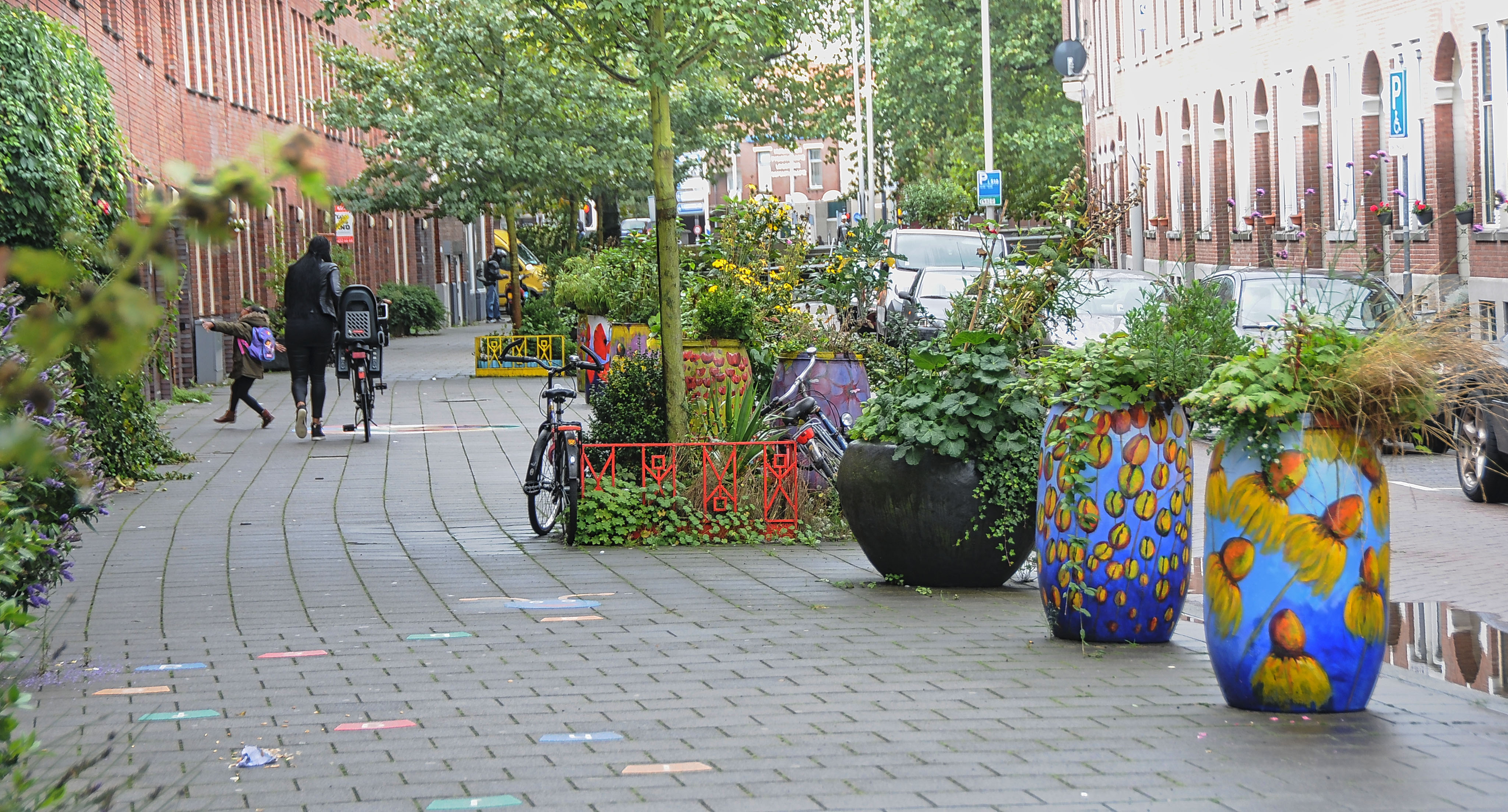
A decorative residential area in Bospolder area

At a metro stop near the Euromast waiting to catch our tram back to Centraal Station. I appreciated the efficiency of the metro system. This electronic sign tells us it’s 7:16 PM and tram “8 Kleiweg” is coming in 6 minutes and next one in 28 minutes. After using the metro system that day, I found they were always bang on with the time. This came especially handy when we were able to gauge our time and buy some pastries before our tram came.

Rotterdam’s Centraal Station, our arrival and departure station. Easy 30 minute trip from Amsterdam Centraal to Rotterdam Centraal for a cost of about $5.00 euro. There is a train available about every 20 to 30 minutes so if you missed one there is not much of a wait for the next one.
Rotterdam (4) – Euromast
Euromast is a tower located in Nieuwe Werk on the edge of Nieuwe Maas. The 85 m structure is considered the tallest building in Rotterdam and is home to two observation platforms and restaurant. We were fortunate that our cloudy day turned sunny when we visited the tower.
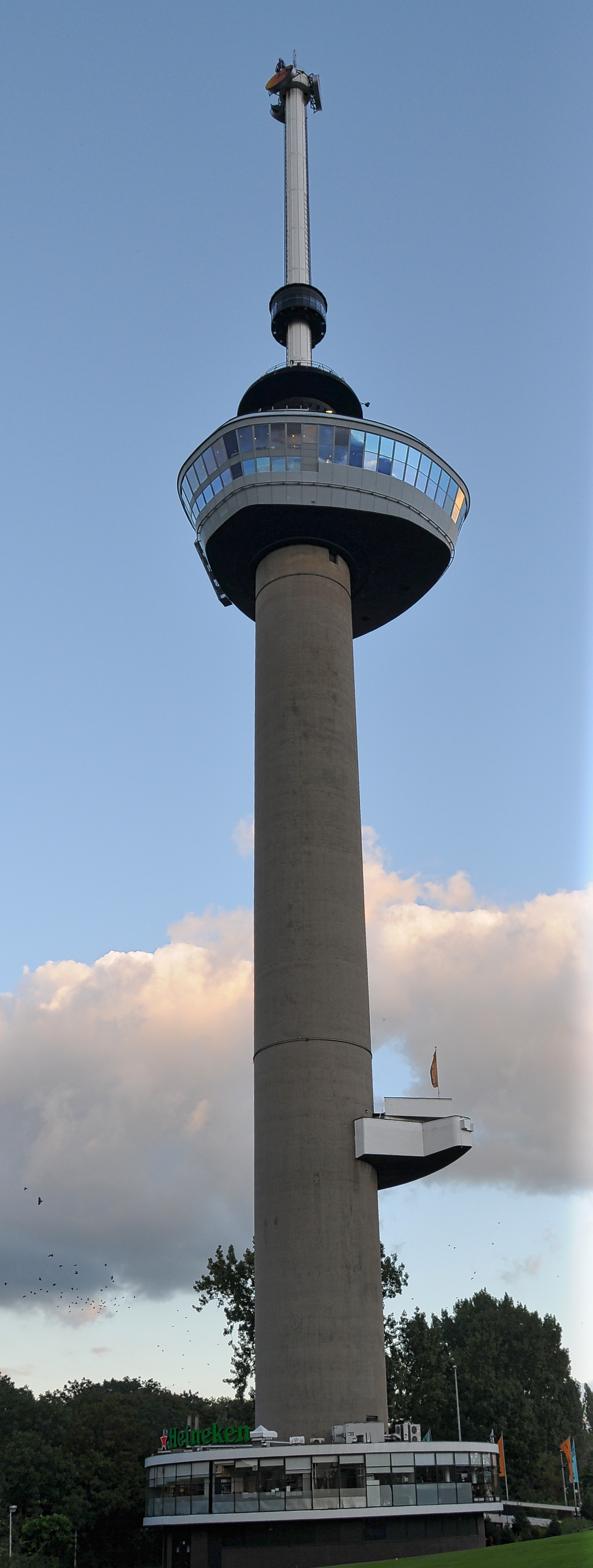
Euromast. Three levels of viewing. The top is a small enclosed observation area. The second level is an open air observation area. The bottom is the restaurant.

Looking south towards Charlois
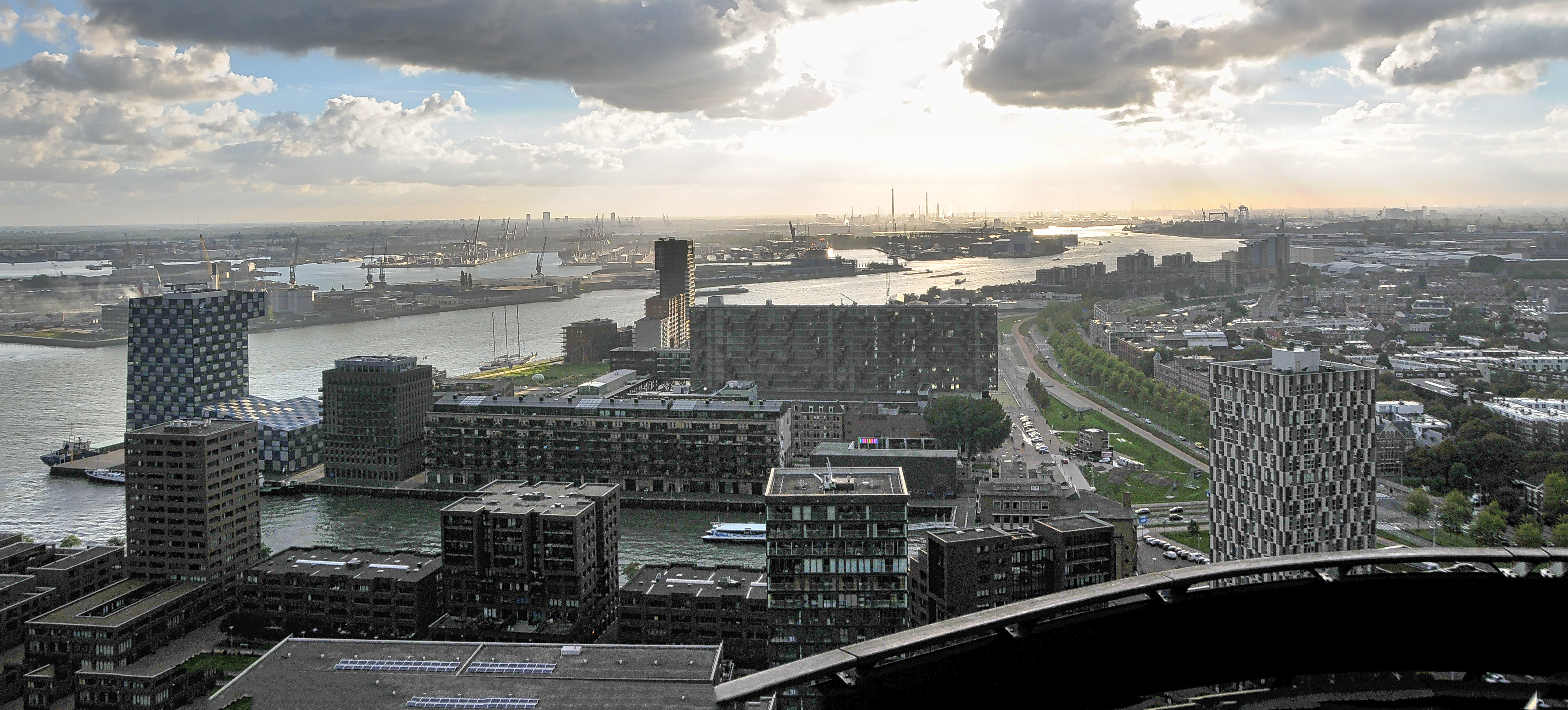
Looking west towards Delfshaven

Coolhaven canal separates Delfshaven (left) and Nieuwe Westen
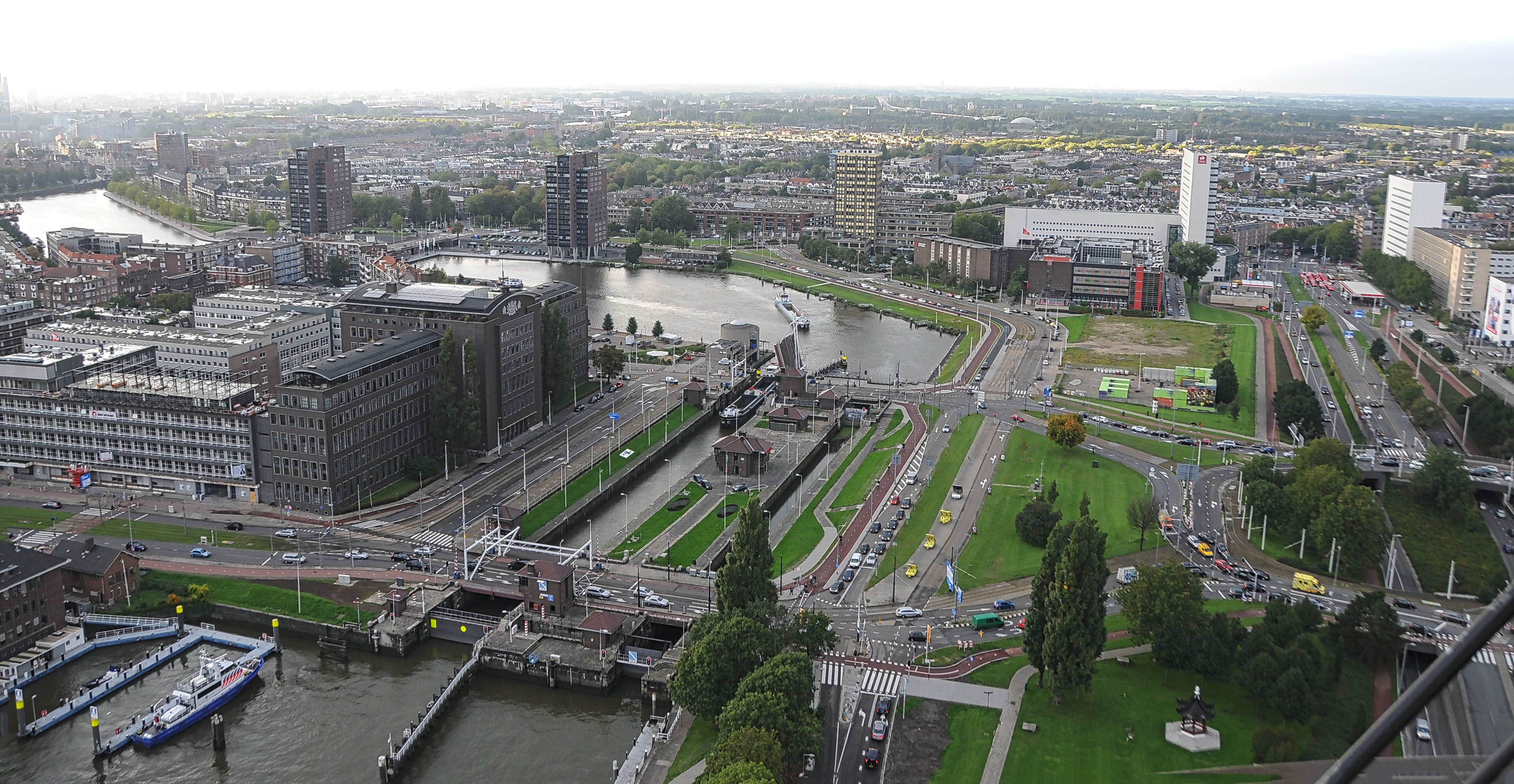
Parksluizen locks, connecting Coolhaven and Parkhaven

Looking east
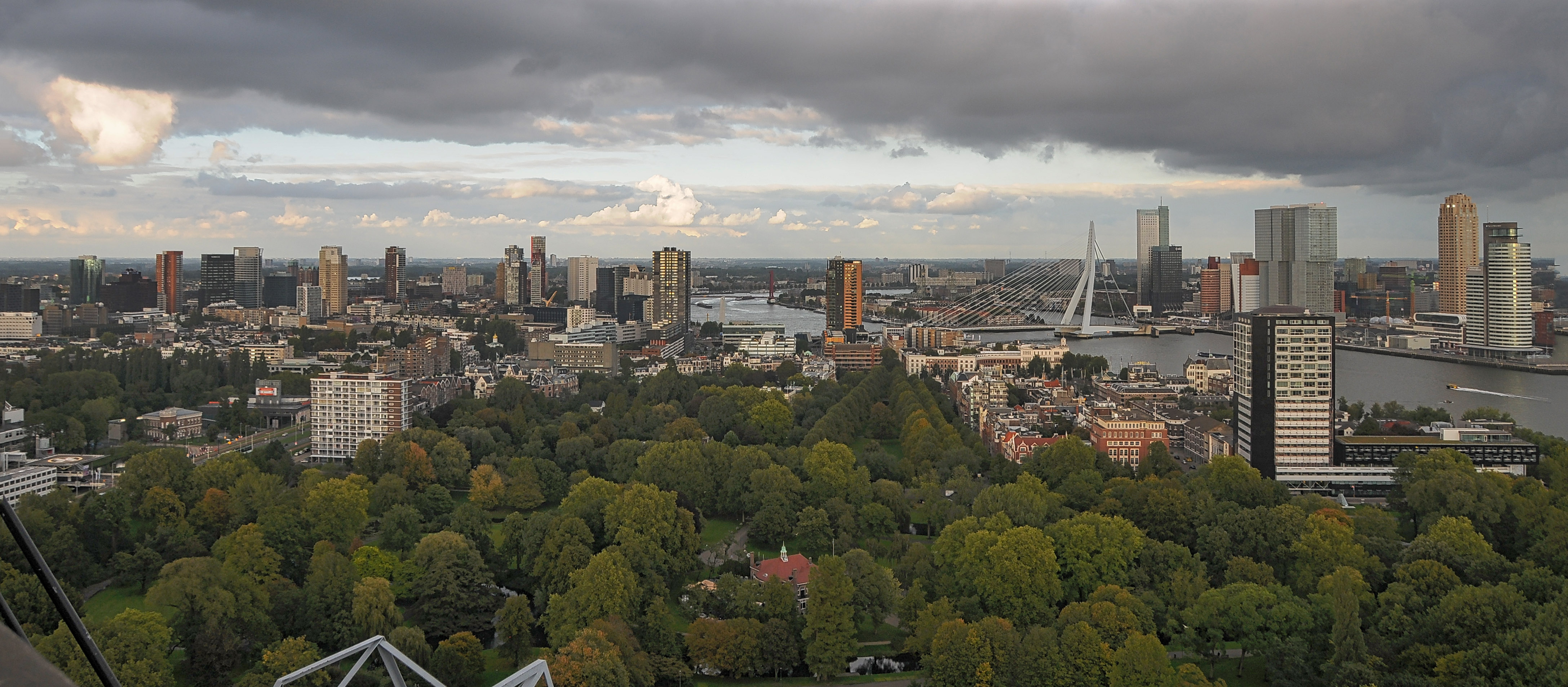
Looking east. To the left of Erasmusbrug (white bridge) is where Laurenskerk and Markthal are located.

South east towards Katendrecht
Rotterdam (3) – Markthal
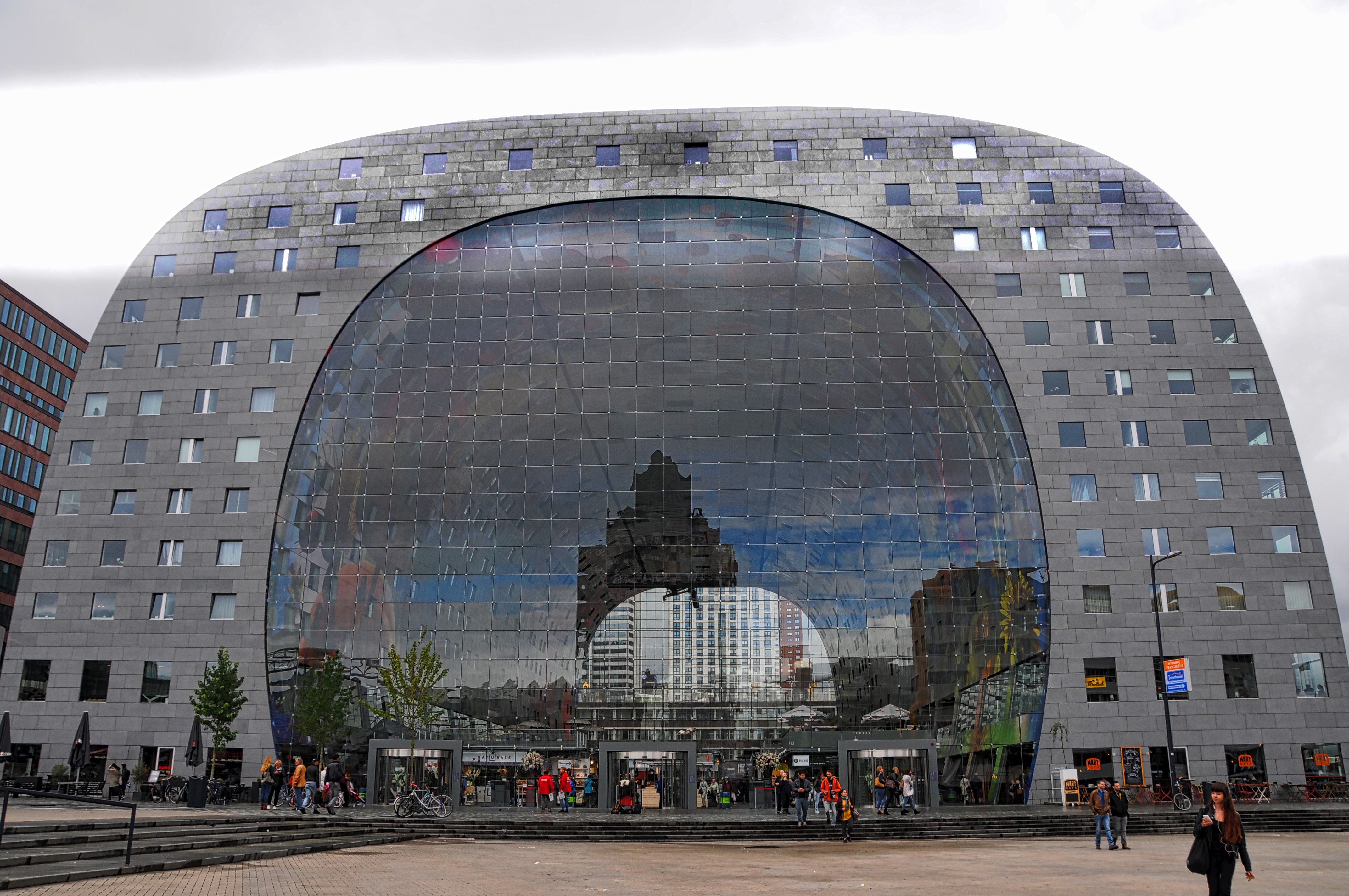
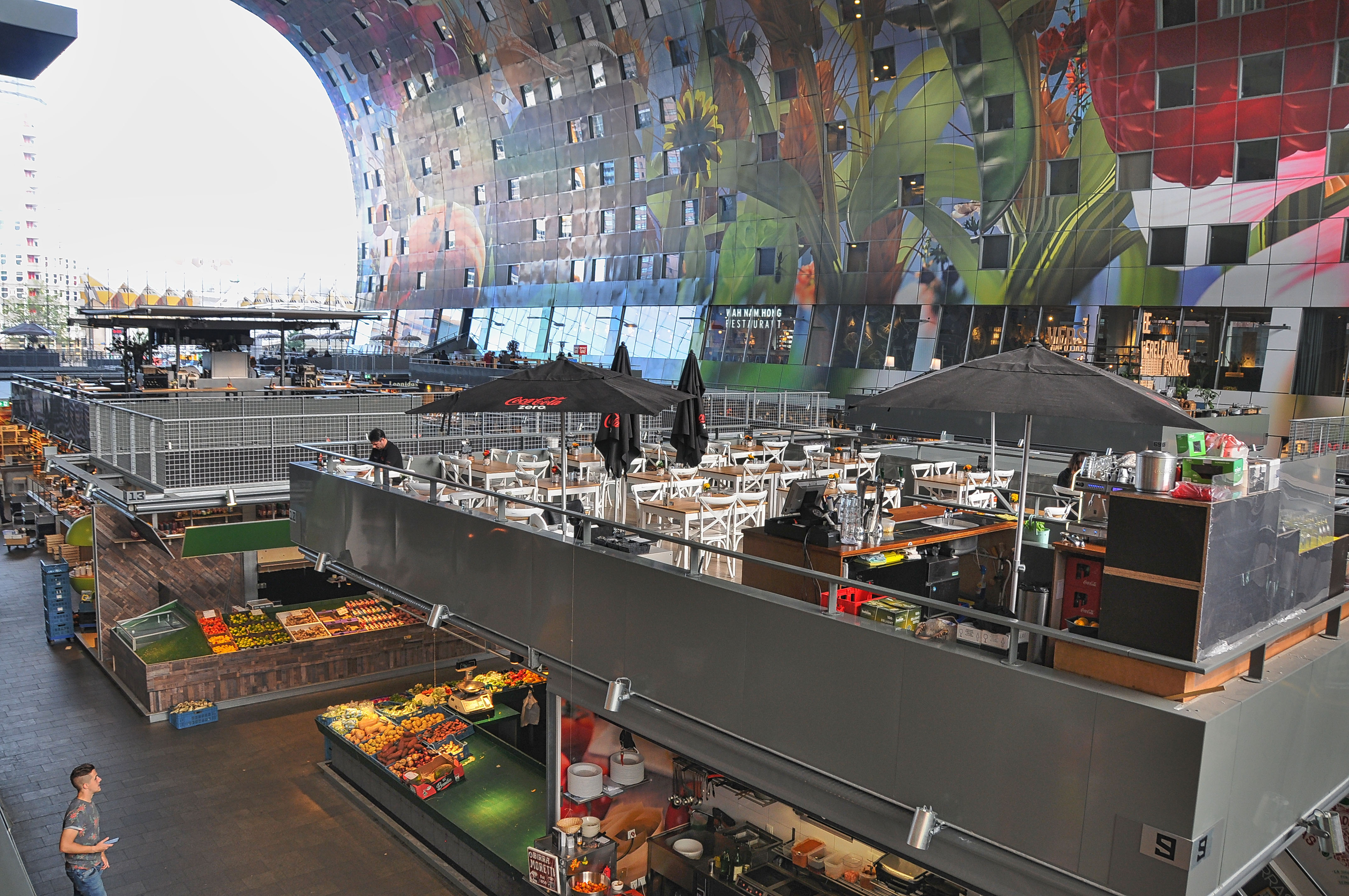
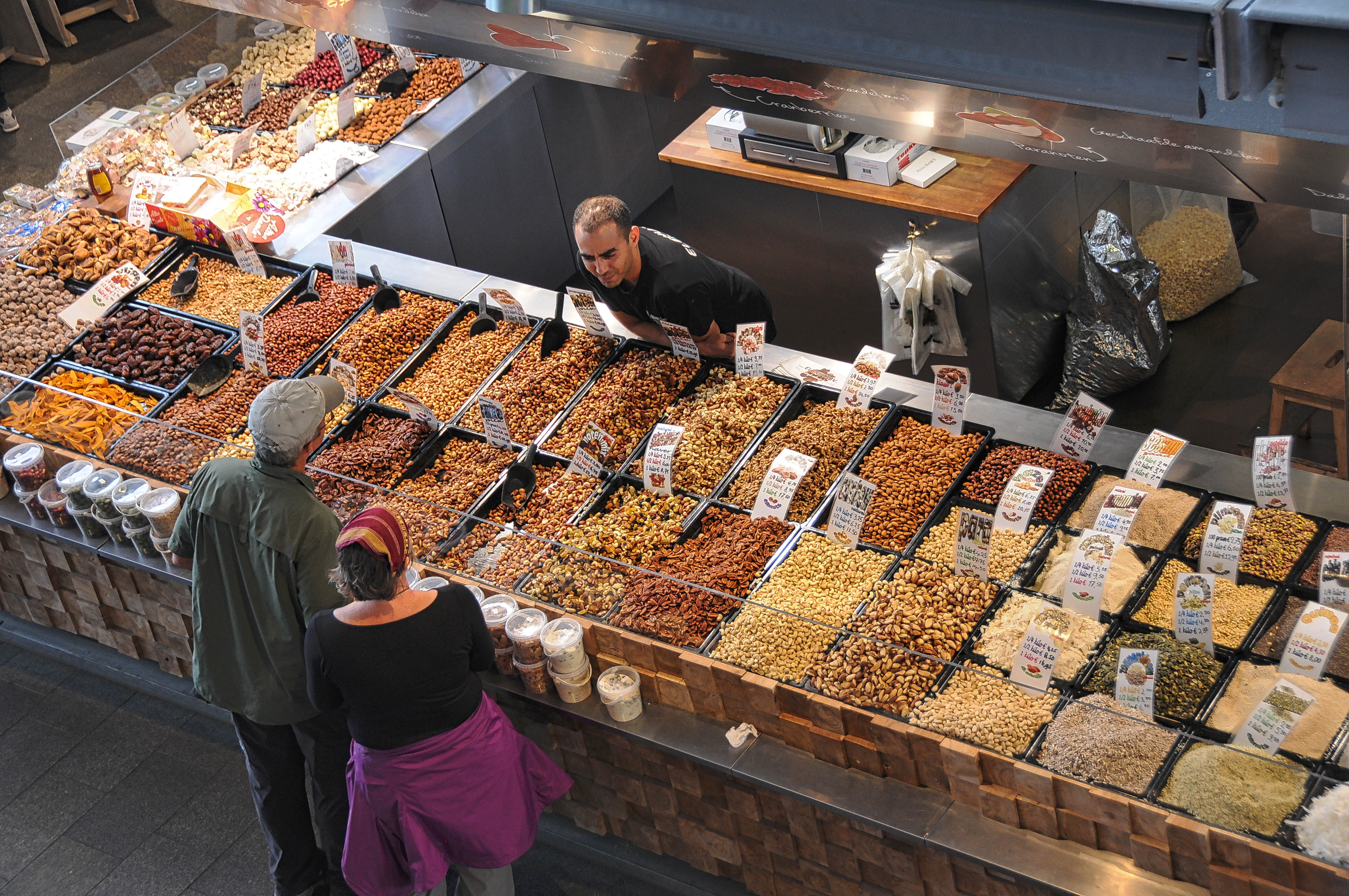
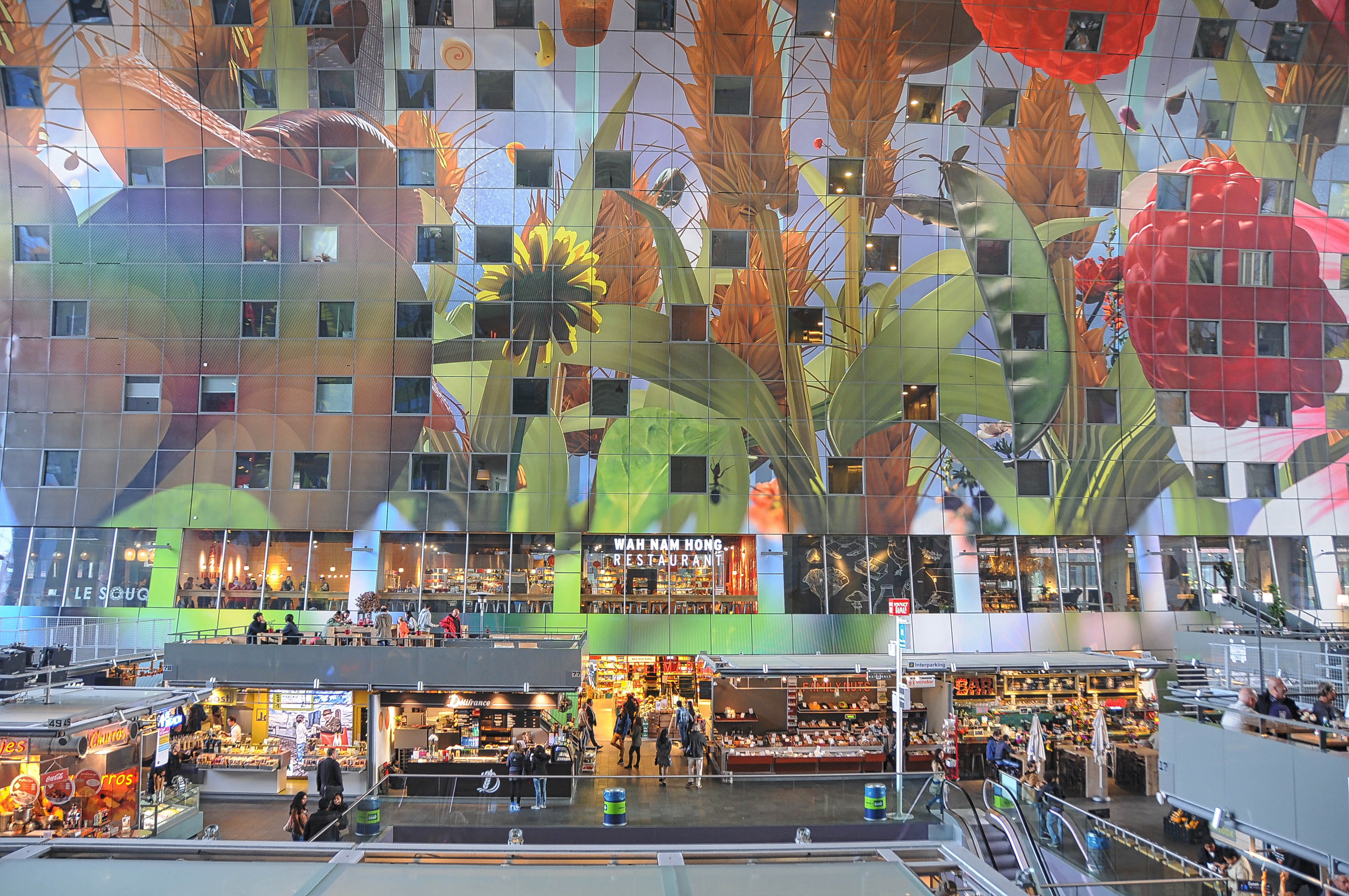
Markthal was an incredible discovery. Located centrally in Rotterdam, this cover food market contains around 100 vendors from all food sectors. Surrounding the interior of the market are 228 apartments. The following photos depicts the pleasures of this wonderful market.
Fantastic creative interior design has the vendors on the main floor and eateries located above the vendor stations. A second level balcony allows great photo opportunities for me to show what I’m describing.
Unfortunately, being in Rotterdam for one-day, we didn’t have the time to explore all levels of the food haven.




Rotterdam (2) – Laurenskerk
St. Laurenskerk is the only remaining medieval structure in Rotterdam. During the 1940 German air raid, the church was severely damaged and withstood complete obliteration, unlike the buildings in the surrounding area.
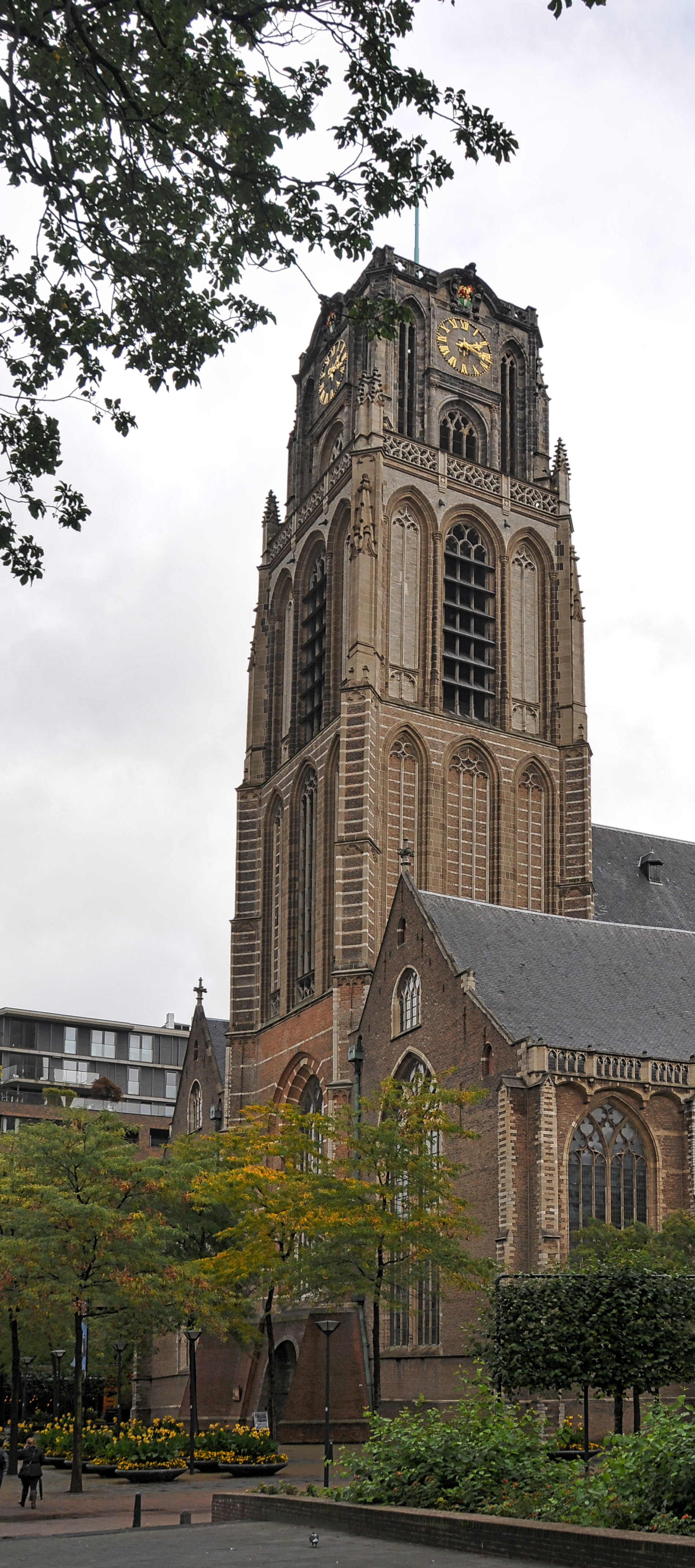
The front of the church on Oppert

Looking towards the back of the church. The choir is enclosed by a brass screen that was saved during the 2nd World War.
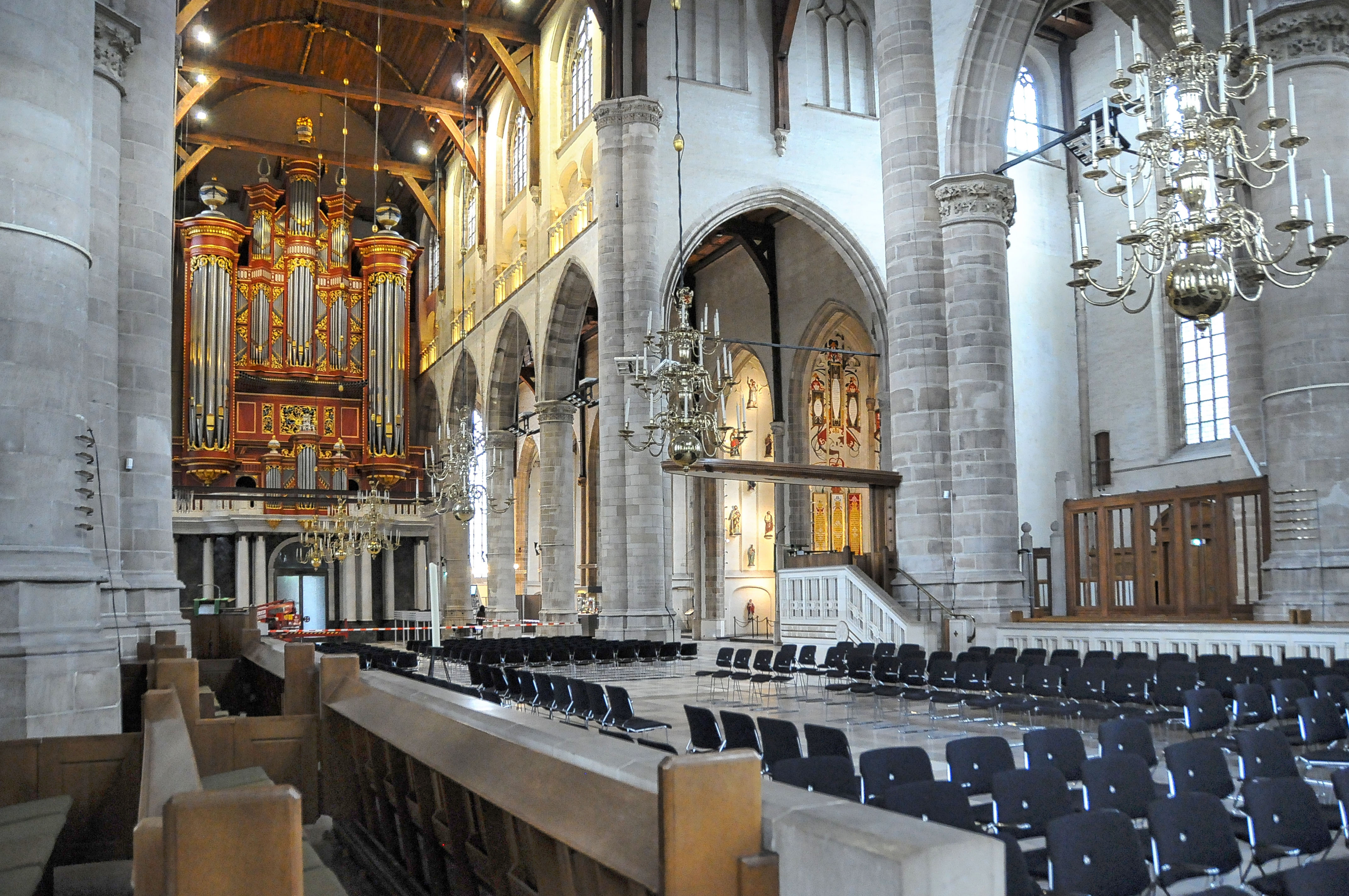
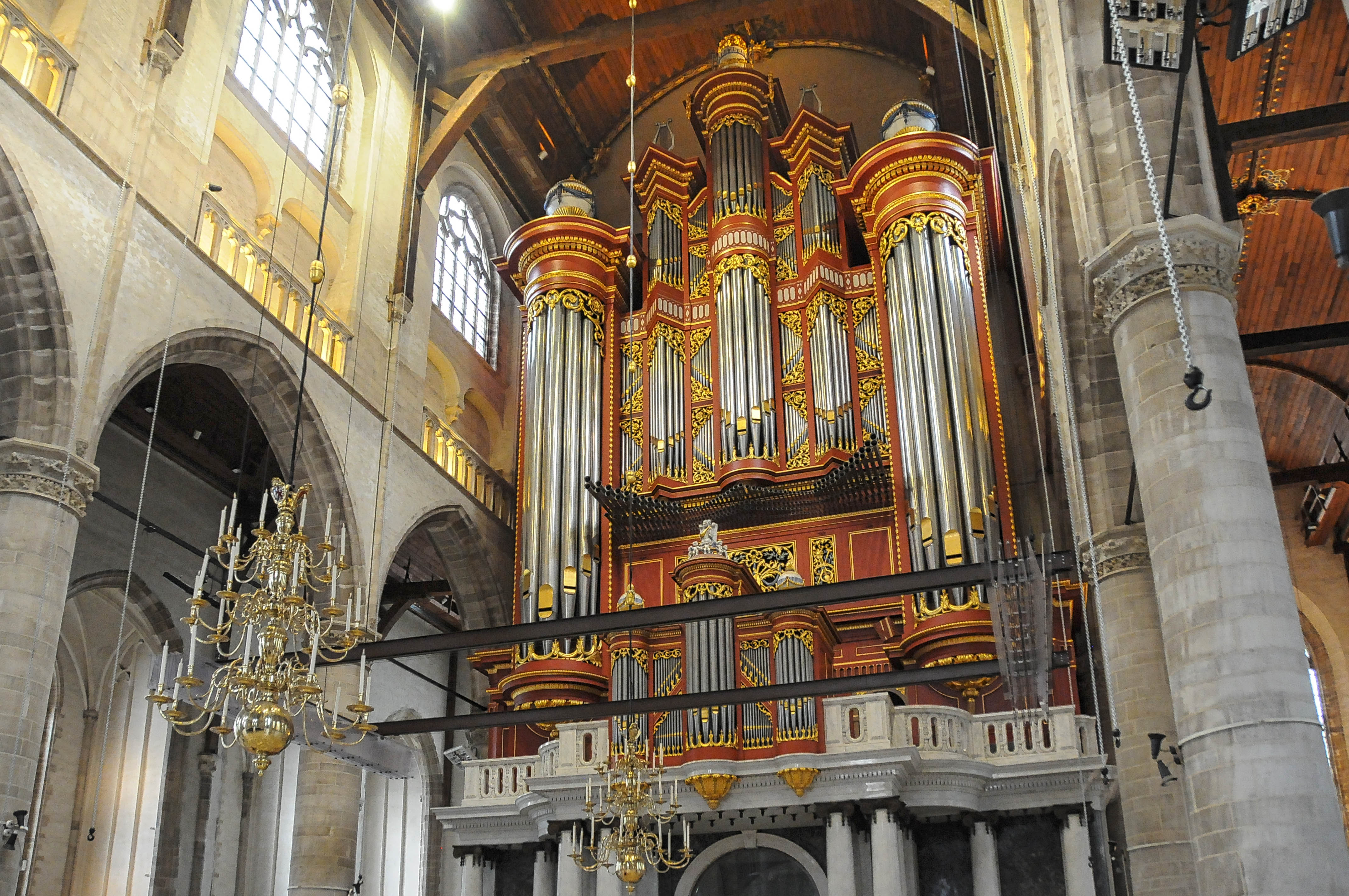
The principal organ is the largest completely mechanical organ in Europe with over 7,600 organ pipes and 85 stops.
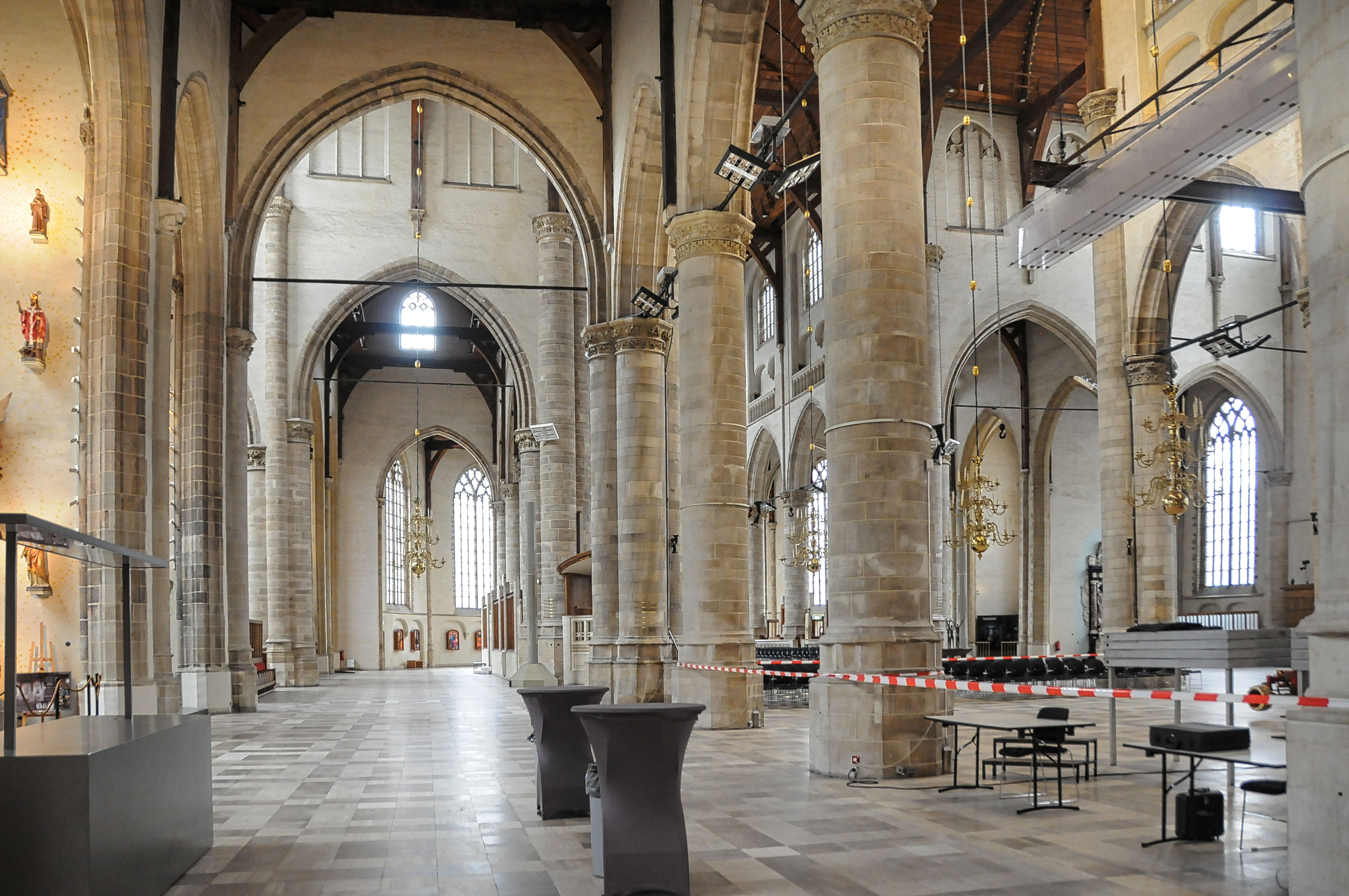
Along the interior left side of the church.
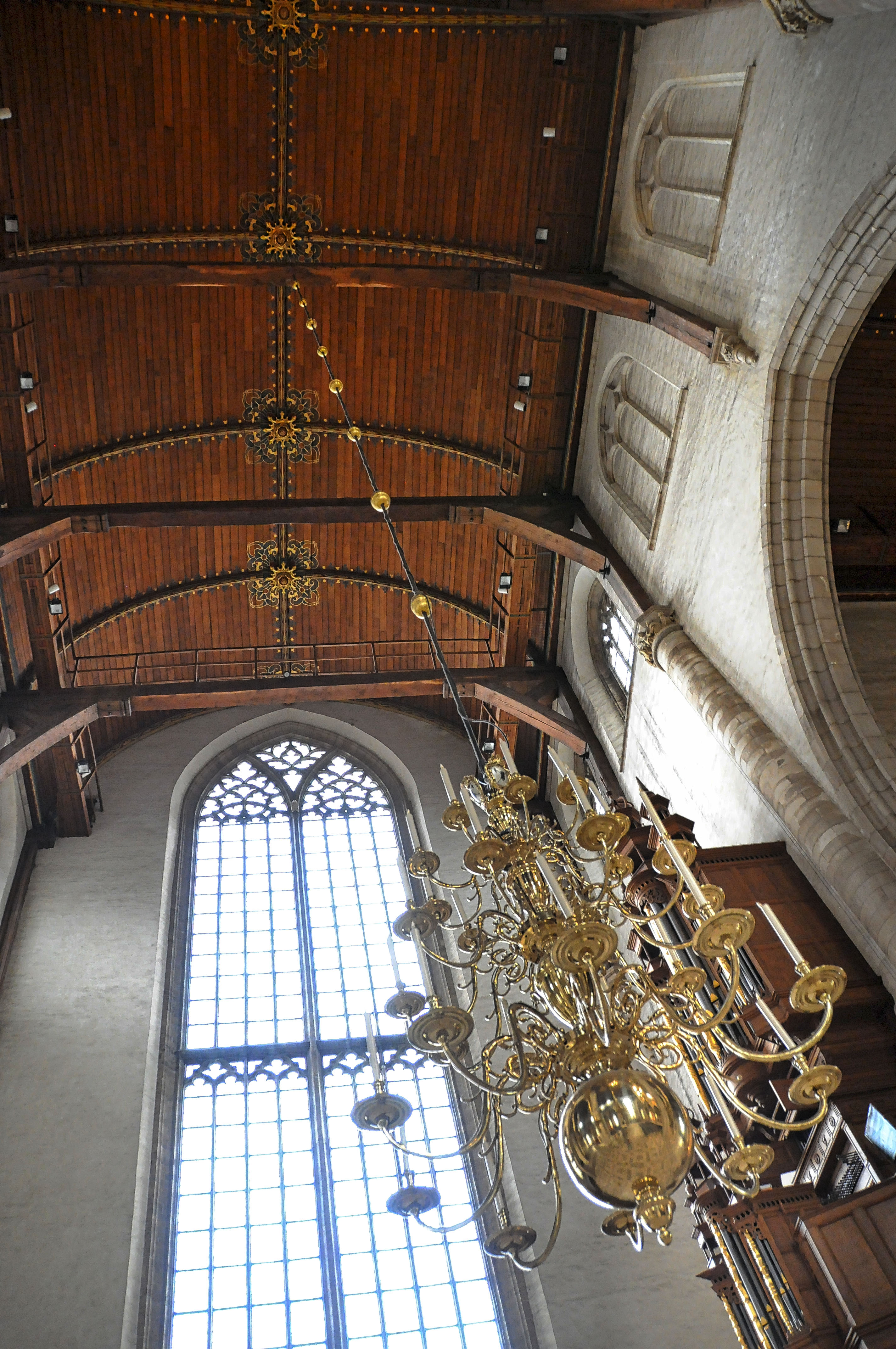
Chandeliers were cast in 1959 from old models by the firm of Brink & van Keulen.
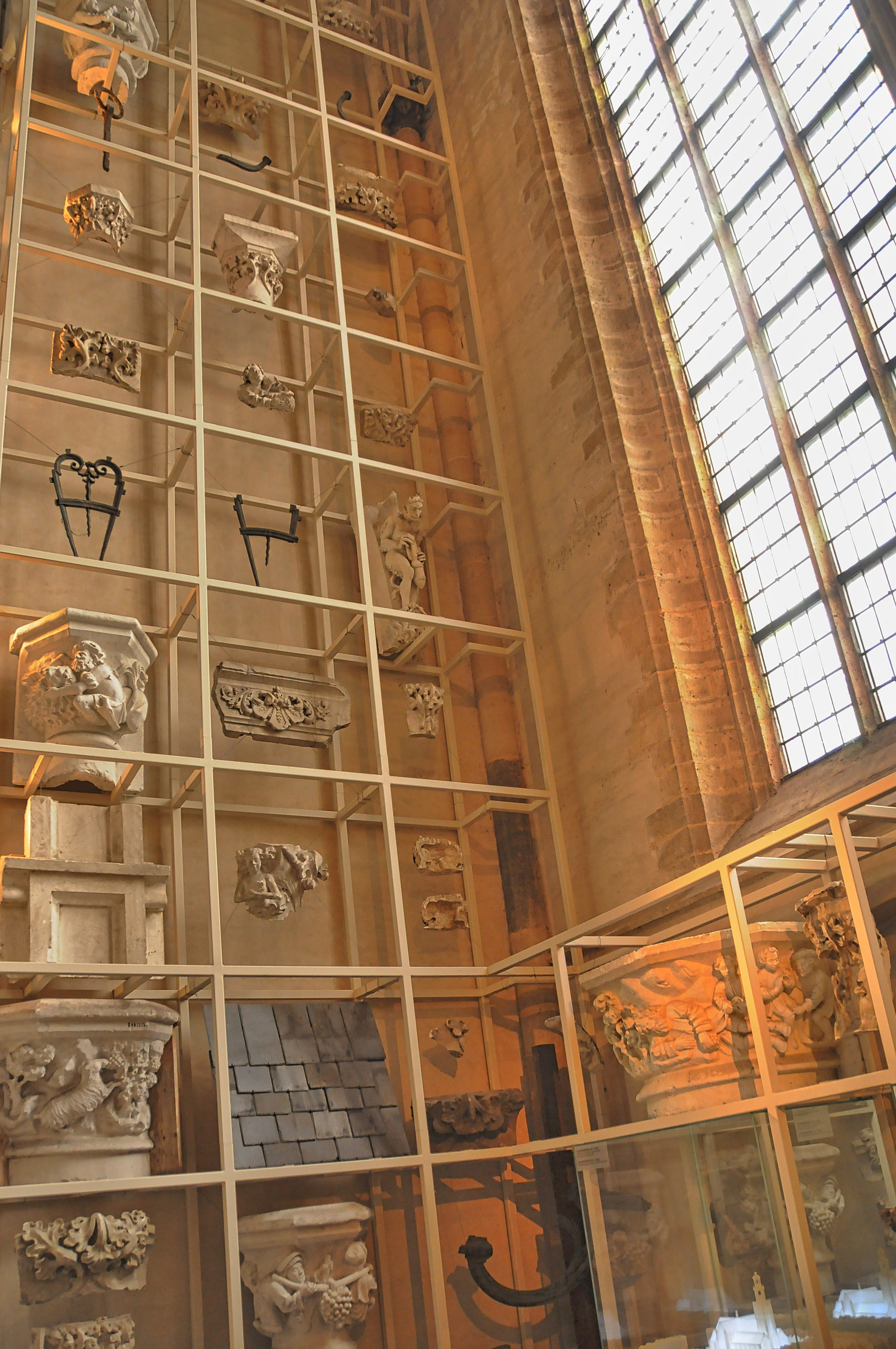
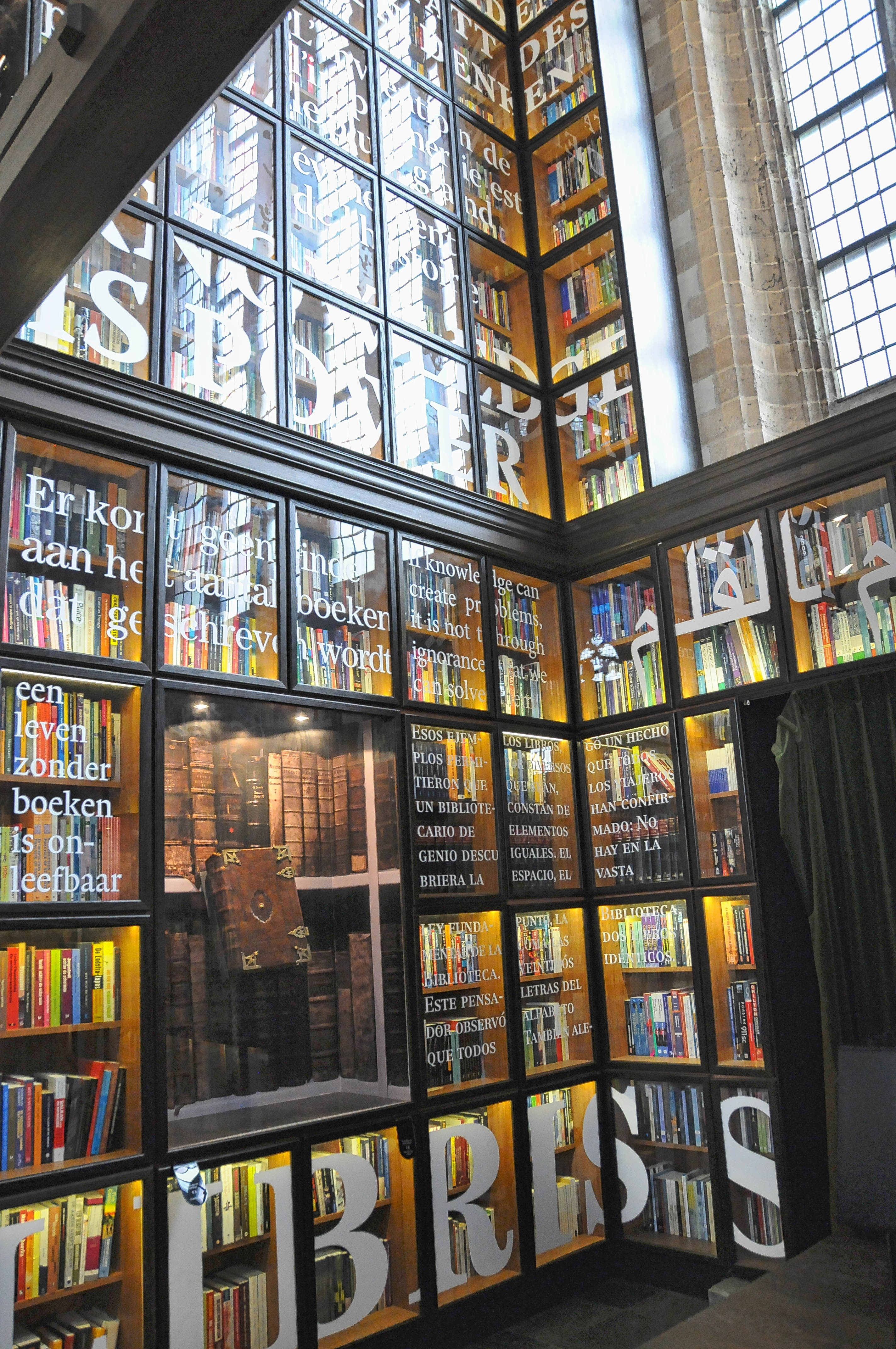
A permanent exhibition displays the story of the Laurenskerk. It is told through a collage of images, texts, music and words. This exhibition is located along the inside of the exterior walls, sometimes using the natural light for its’ benefit. The following photos are a small sampling of this exhibit.




 Fai Quan